REVIEW · SEOUL
Korean Premium & Original Cooking Class Experience in Hanok
Book on GetYourGuide →Operated by O'ngo Food Communications · Bookable on GetYourGuide
A hanok kitchen teaches real Korean home cooking. You get a hands-on chef-led class in a renovated Bukchon hanok studio, and you cook your own dishes with provided ingredients. One heads-up: the classroom can feel freezing on arrival, so plan a warm layer.
This is a simple idea done well: learn Korean food culture while you make two beloved dishes, then eat what you built. In at least some sessions, you may get guidance from Chef Jia, known for clear instruction plus a warm, funny teaching style, and recipes sent afterward.
In This Review
- Key Things I Think You’ll Notice Right Away
- Bukchon Hanok Studio: Traditional Feel, Modern Work Stations
- Two Dishes, Chef Guidance, and Real-World Cooking Confidence
- What the Class Teaches Through Bibimbap
- Jeyuk-bokkeum, Japchae, or Bulgogi: The Class Menu’s Flavor Paths
- Jeyuk-bokkeum: Spicy Sauce Skills
- Japchae: Noodles Plus Vegetables, Not a Spicy Mood
- Bulgogi: The Soy-Sesame-Garlic Signature
- Diet Options and Customization: Tell Them Your Needs Early
- The Step-by-Step Flow You Can Expect During the 2 Hours
- Recipes After Class: Why That Follow-Up Makes It Worth It
- Price and Value: Is $84 Fair for Two Dishes?
- Practical Tips Before You Go (So the Cold Doesn’t Win)
- Who Should Book This Hanok Cooking Class
- Should You Book? My Honest Take
- FAQ
- What’s the duration of the Korean cooking class?
- Where does the class meet?
- How many dishes will I cook?
- What dishes are offered for the class?
- Is the class guided in English?
- Are ingredients provided and do I cook my own food?
- Can the class accommodate dietary restrictions or allergies?
- Do I receive recipes after the class?
Key Things I Think You’ll Notice Right Away
- Bukchon hanok setting: a traditional courtyard vibe with a modern, recently renovated studio feel
- You cook, not just watch: each person prepares their own food with ingredients provided
- Two dishes only: the class focuses on exactly two Korean recipes from the options
- All-diet customization: tell the team your restrictions and they’ll adapt
- English live guidance: communication is built for English speakers
- Helpful follow-up: recipes are shared afterward, so you can recreate it at home
Bukchon Hanok Studio: Traditional Feel, Modern Work Stations
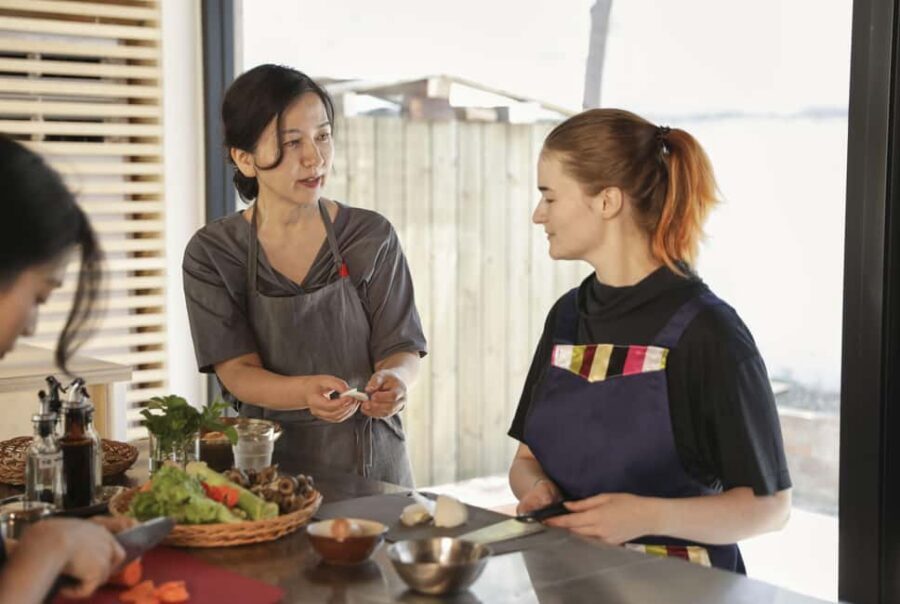
The meeting point puts you in Seoul’s Bukchon area at O’ngo Food Communications (137-11 Bukchon-ro, Jongno-gu). Even before you start cooking, the setting matters. You’re in a recently renovated modern hanok studio, so you get that classic traditional Korean atmosphere without feeling like you’re stuck in an uncomfortable, outdated space.
That combination is why this kind of class works for first-timers. You don’t need to already know Korean ingredients or cooking logic. The room is designed for hands-on food prep, and the hanok setting keeps it feeling special instead of like a generic classroom.
One practical note from the experience: the room temperature can be very cold when you arrive. This isn’t the time to show up with just a thin jacket. I’d bring a warm layer you can keep on while you cook, at least until the studio gets going.
You can also read our reviews of more cooking classes in Seoul

Two Dishes, Chef Guidance, and Real-World Cooking Confidence
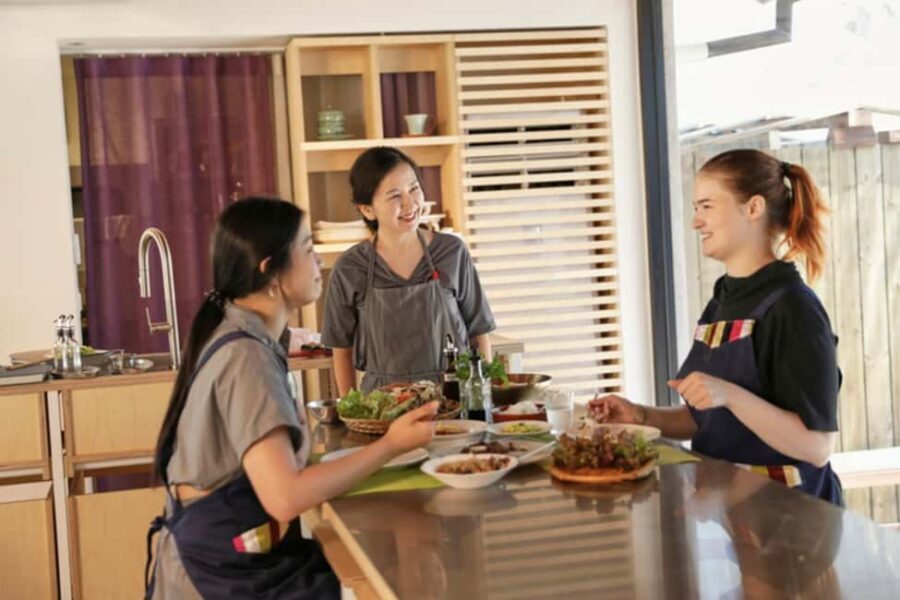
The class runs for 2 hours, and the core promise is straightforward: you’ll make two Korean dishes, cook your own portions, then taste what you made. That matters because you’re not cramming five recipes in a rush. Two dishes lets you learn the techniques that actually repeat in Korean home cooking: seasoning balance, how vegetables are cooked, and how sauces bring everything together.
You’ll also learn Korean food culture along the way. That isn’t just trivia. It’s the “why” behind what you’re doing, like how bibimbap becomes a customizable meal instead of a fixed recipe, or how Korean barbecue flavors depend on marinating and sauce.
In many sessions, the teaching style is organized and very clear. Chef Jia is specifically mentioned as giving precise guidance and background knowledge, with humor that keeps it relaxed. Even if you don’t get Chef Jia, the overall format aims to keep the workflow smooth and understandable.
What the Class Teaches Through Bibimbap
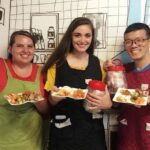
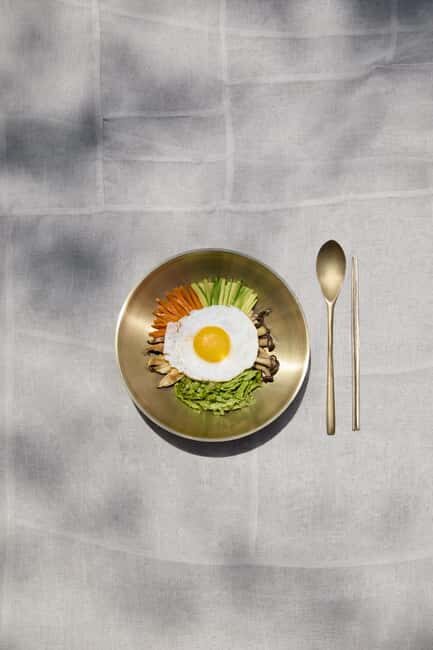
Bibimbap is one of the most famous Korean dishes for a reason: it’s basically a formula you can understand fast. You’re making a rice bowl topped with seasonal vegetables and a sunny-side-up fried egg. The vegetables are cooked, then assembled on top of the rice so you get warm, fresh, and savory all at once.
Here’s what you’re likely to learn that you can reuse later:
- How to think in “components” rather than one mixed dish
- How seasonings show up across rice, vegetables, and egg
- How to make a bowl feel satisfying even when it’s lighter than heavier meals
The bowl format is also why bibimbap is a smart choice for a cooking class. You can see how each topping changes the experience. And because the class is customized for different diet options, bibimbap is often the easiest way to adapt without losing the core idea of the dish.
If you want a “healthy comfort” meal, this is the one.
Jeyuk-bokkeum, Japchae, or Bulgogi: The Class Menu’s Flavor Paths
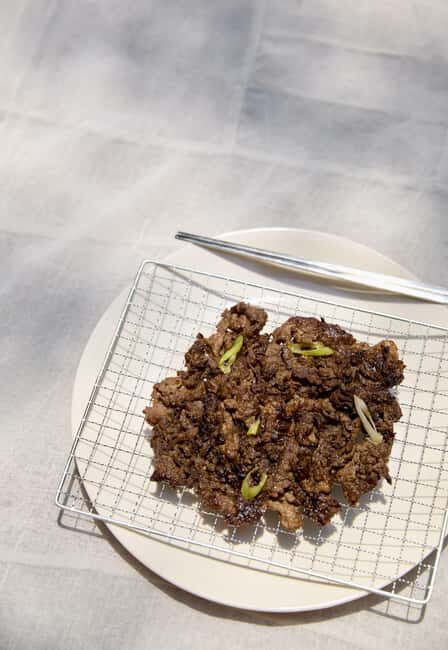
The class is built around Korean favorites, but you’ll only cook two of them. The options described include:
- Jeyuk-bokkeum (spicy marinated pork barbecue with a special gochujang sauce)
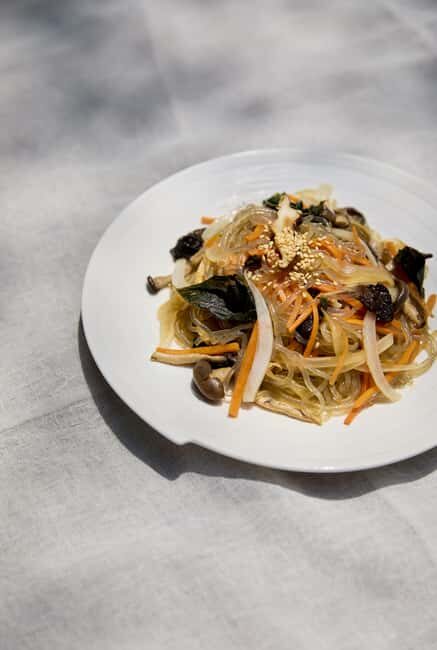
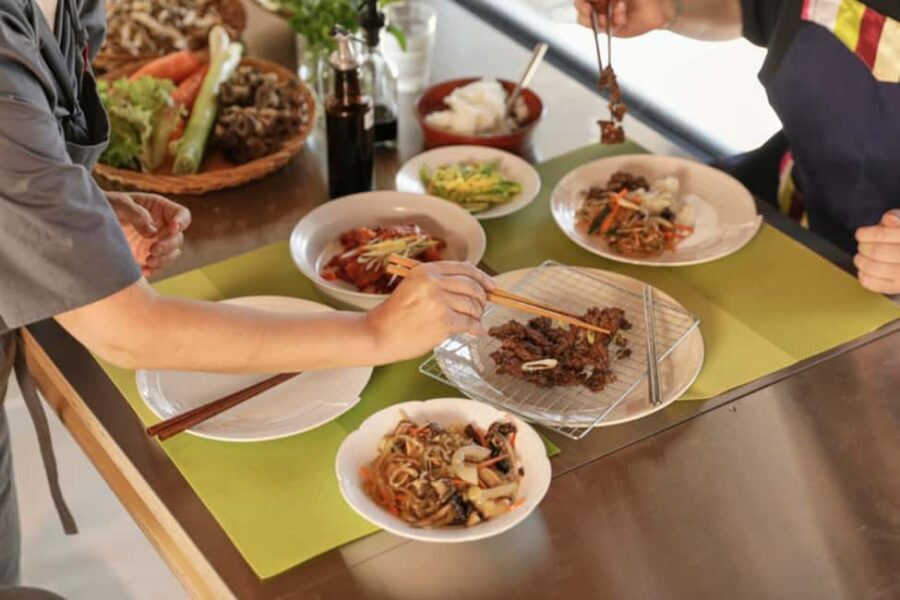
- Japchae (non-spicy glass noodles with a mix of vegetables, served more like a salad)
- Bulgogi (thin-sliced beef marinated in soy sauce, sesame, and garlic)
Even before you start, it helps to decide what kind of experience you want from your second dish. Are you in the mood for heat and bold sauce? Pick jeyuk-bokkeum. Want something gentle and noodle-forward? Japchae. Craving the classic Korean barbecue flavor profile? Bulgogi.
Jeyuk-bokkeum: Spicy Sauce Skills
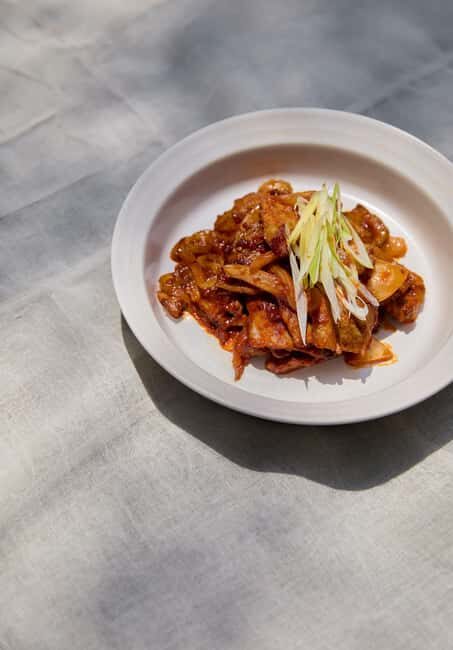
Jeyuk-bokkeum is described as marinated pork barbecue seasoned with a special gochujang sauce. That’s your lesson focus if this is one of your two dishes. You’ll see how gochujang brings sweet, salty, and spicy depth. It’s the kind of flavor that tastes complicated at first, but once you understand the sauce role, it’s easier to reproduce later.
A few more Seoul tours and experiences worth a look

Japchae: Noodles Plus Vegetables, Not a Spicy Mood
Japchae is the non-spicy option, and it’s popular as a Korean classic you can share easily. The idea is glass noodles mixed with a variety of cooked vegetables. It sounds simple, but the technique matters. You’re aiming for noodles that taste good and vegetables that keep their identity instead of turning watery.
Bulgogi: The Soy-Sesame-Garlic Signature
Bulgogi is Korea’s national dish in this experience description, made from thinly sliced prime cuts of beef marinated in soy sauce, sesame, and garlic. That specific flavor trio is an instant shortcut for understanding Korean savory cooking. You’ll learn what makes it different from a generic stir-fry: the marinade identity, plus the way the meat ends up tasting rich and comforting even though it’s thin-sliced.
Diet Options and Customization: Tell Them Your Needs Early
The class states that the dishes can be customized for all diet options. That doesn’t mean you’ll get vague adjustments. It means you should communicate clearly from the start.
When you book, make sure you share:
- Any dietary restrictions
- Any allergies
That’s the only safe way to ensure the chef and team can prepare your portion correctly. I also like that this class is set up around two dishes, because customization is harder when everything is happening at full speed. Two recipes give the kitchen time to adjust without making you feel like you’re slowing the class down.
The Step-by-Step Flow You Can Expect During the 2 Hours
You won’t see a long, multi-stop itinerary. This is a single location class. The time is spent cooking, tasting, and learning the dish logic in the order that makes sense.
A realistic flow based on what the experience covers looks like this:
- You start with an overview from the chef (ingredients, dish goals, and Korean food culture context)
- You work on one dish, learning how its components come together
- You repeat the process for the second dish
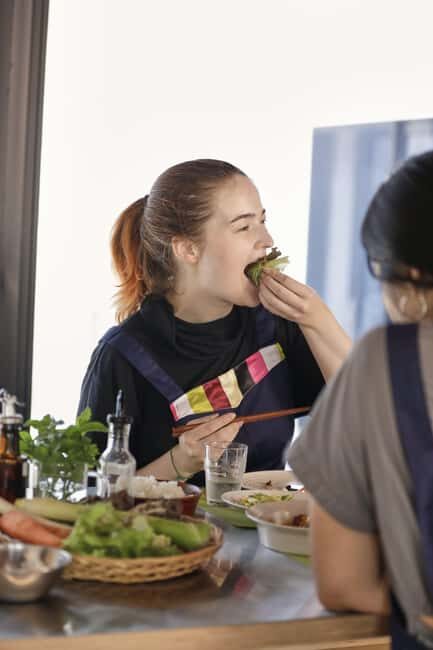
- You taste your finished plates and learn how people typically eat and adjust these meals at home
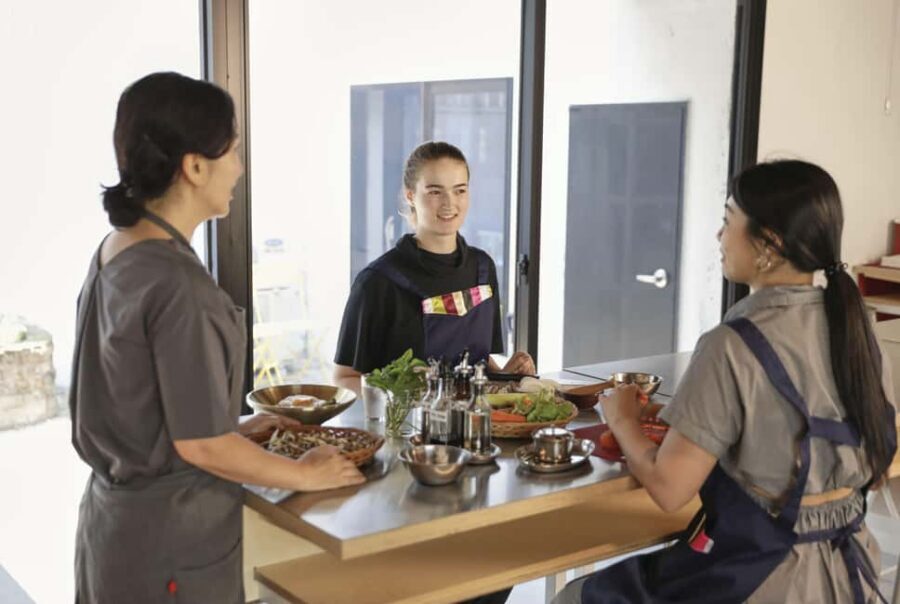
Because each participant prepares their own dish, you’ll be actively cooking during the class rather than standing by while someone else handles the stove. That’s also why the group size matters. The experience described a smaller group setup, which can make it easier to ask questions and actually get feedback while you cook.
Recipes After Class: Why That Follow-Up Makes It Worth It
One of the most practical perks is that recipes are sent afterward. That turns the class from a one-time meal into something you can recreate. If you’ve ever cooked from memory and wondered why it didn’t taste the same, a shared recipe helps you correct the details that matter, like seasoning balance or how components should be assembled.
Chef Jia is called out for being organized and helpful, and the recipe follow-up is part of what makes people feel the experience was more than just entertainment. You leave with a usable roadmap.
Price and Value: Is $84 Fair for Two Dishes?
$84 per person for a 2-hour class can sound steep if you’re thinking like a tourist snack buyer. But shift your mindset. You’re paying for:
- A professional chef-led instruction format
- Ingredients provided for two dishes you cook yourself
- English live guidance
- The added value of recipe follow-up afterward
You’re also getting the cultural context for how Koreans prepare and eat these dishes at home. In other words, you’re not just buying food. You’re buying learning time plus a meal.
For me, the value comes down to this: you finish with two dishes you understand well enough to repeat. When a cooking class does that, the price stops being about food cost and becomes about skill-building and guidance.
Practical Tips Before You Go (So the Cold Doesn’t Win)
Here’s how to set yourself up for a smooth session, based on what you should know going in:
- Bring a warm layer. The classroom can run cold at arrival.
- If you have dietary restrictions or allergies, flag them clearly before the class.
- Expect an English-led experience and ask questions if anything feels unclear; the setup is designed for teaching.
- Remember the class focuses on two dishes. Check your specific dish combo when you book so there’s no surprise.
Also, the session starts at O’ngo Food Communications and ends back at the meeting point. If you’re late, the experience notes you may miss participation. So give yourself a buffer to find the place in Bukchon.
Who Should Book This Hanok Cooking Class
This is a great fit if you:
- Want a hands-on Korean cooking experience rather than a food tour slideshow
- Like the idea of learning by making bibimbap plus a second classic
- Enjoy structured teaching with clear steps and friendly explanations
- Prefer a smaller group format where you can ask questions
It’s also ideal if you’re a confident eater who wants to broaden your Korean menu beyond one dish. Bibimbap plus jeyuk-bokkeum, japchae, or bulgogi gives you a nice spread: rice bowls, noodle salads, and barbecue-style flavors.
If you’re the type who wants to learn lots of recipes in one go, you might find the two-dish focus limiting. But if you want quality and follow-up recipes you can actually use, two dishes is a strength, not a compromise.
Should You Book? My Honest Take
I’d book this class if you want a Korean cooking experience that’s practical, structured, and built around you actually cooking. The hanok studio setting adds charm, and the chef-led instruction plus recipe follow-up makes it feel like more than a single meal.
The main “wait, what?” factor is the two-dish focus. If you’re expecting a tasting flight of multiple dishes, confirm the exact dishes for your session. And go prepared for possible cold in the room at arrival.
If you match those expectations, this is the kind of class that helps you leave Seoul with a skill you can use back home, not just photos of food you ate.
FAQ
What’s the duration of the Korean cooking class?
The class lasts 2 hours.
Where does the class meet?
The meeting point is O’ngo Food Communications, 137-11 Bukchon-ro, Jongno-gu, Seoul.
How many dishes will I cook?
You’ll cook two Korean dishes during the class.
What dishes are offered for the class?
The dishes described include bibimbap, jeyuk-bokkeum, japchae, and bulgogi. The class experience focuses on two dishes.
Is the class guided in English?
Yes, there is a live tour guide who speaks English.
Are ingredients provided and do I cook my own food?
Yes. Each participant cooks their own dishes with provided ingredients.
Can the class accommodate dietary restrictions or allergies?
The experience says you can request customization for all diet options. Let them know your restrictions and allergies.
Do I receive recipes after the class?
Recipes are sent afterward, making it easier to recreate the dishes at home.
![[Koreabylocal] Night Walk and Korean Barbaeque time with local - The Night Walk: What You’ll Learn While You’re Actually Walking](https://8.koreaadventures.com/wp-content/uploads/koreabylocal-night-walk-and-korean-barbaeque-time-with-local.jpg)