REVIEW · SEOUL
Lee’s Private 4-hour Customized Seoul Tour
Book on Viator →Operated by Lee's Zest of Korea · Bookable on Viator
Four hours can feel like a lot in Seoul. This private customized tour pairs you with Lee for a half-day, so your sightseeing matches your pace and interests instead of a one-size schedule.
Two things I especially like. First, you get fluent English guidance from a local friend focused on VIP-style private touring. Second, the itinerary is truly flexible: you can choose among palaces, markets, temples, historic areas, museums, and more, then fine-tune which 2–4 stops fit your energy level.
The main consideration is that tickets and most transit costs are on you. Attraction entry isn’t included, and you’ll also pay for your own public transportation fares (the guide helps with tickets), so your final total depends on what you choose to enter.
In This Review
- Key highlights
- How the 4-hour Seoul tour really starts at Starbucks Anguk
- Picking your 2 to 4 stops: palaces, markets, temples, and old Seoul
- Palace priority: Gyeongbokgung and Changdeokgung without the rushed feeling
- Traditional markets: Gwangjang and Namdaemun for real Seoul texture
- Buddhist calm at Jogye-sa: a half-hour reset
- Historic areas like Bukchon Hanok Village and Insadong: where the city feels old
- DDP plus one museum stop: modern design with context
- Transportation choices: subways, buses, or taxis with real help
- Price and value: what $117 per person buys you
- Who this tour fits best in Seoul
- Quick planning tips so four hours feel like more
- Should you book Lee’s Private 4-hour Customized Seoul Tour?
- FAQ
- How long is Lee’s Private 4-hour Customized Seoul Tour?
- Is this tour private or shared?
- Where does the tour meet, and where does it end?
- Can I choose how we get around in Seoul?
- Are attraction tickets included?
- Can I cancel for a full refund?
Key highlights
- Private group, not mixed with strangers, so your questions and timing stay yours
- Flexible 2–4 stop planning among palaces, markets, temples, historic areas, and museums
- English-focused guide support with help buying transit tickets
- Central pickup can be arranged on request, plus a clear meet-up point near public transit
- Mobile ticketing for a smoother start
- First-day confidence boost: practical help with subway navigation and on-the-ground errands
How the 4-hour Seoul tour really starts at Starbucks Anguk
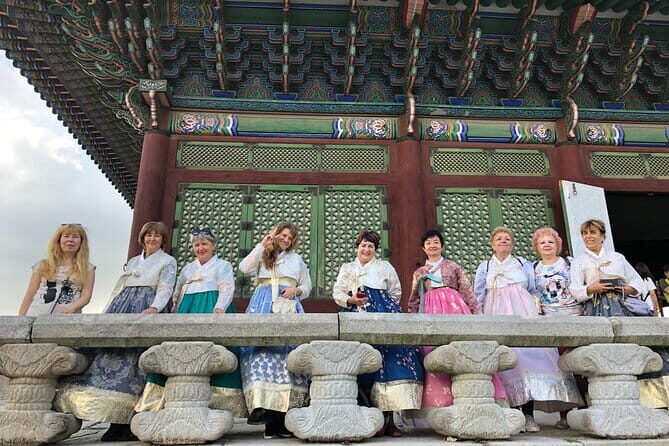
The tour meets at Starbucks Anguk (5-1 Bukchon-ro, Jongno District). It’s a handy start point because you’re already in the zone where a lot of historic Seoul ideas connect: palace neighborhoods, old streets, and the kind of areas where you don’t want to waste time figuring out where you are.
You also end back at the same meeting point. That matters in Seoul, where distances can look shorter on a map than they feel in real life. With a fixed start and end, Lee can build a route that minimizes backtracking and makes the time feel intentional, not frantic.
If you want pickup, you can request a meet-up at a central location. That’s a real comfort for first-timers who don’t want to translate addresses, hunt down landmarks, or wonder if they’re at the right subway exit.
You can also read our reviews of more private tours in Seoul
Picking your 2 to 4 stops: palaces, markets, temples, and old Seoul
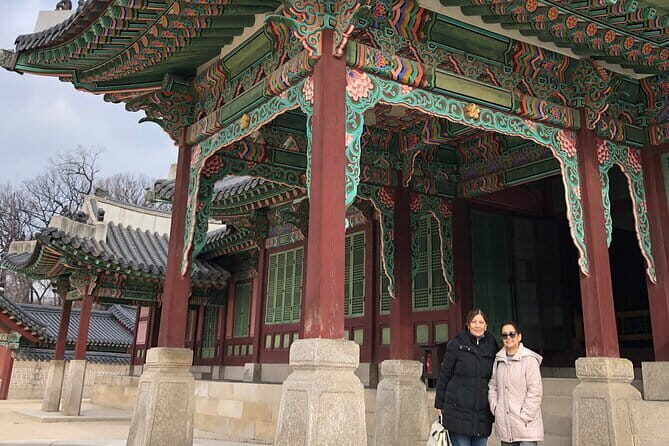
Here’s the smart part: you don’t have to guess what to do all morning or afternoon. You select from a menu of options, and Lee helps you shape the best mix for your interests and your walking comfort. The suggested visit times are roughly:
- Palaces: 1 to 1.5 hours
- Traditional markets: 30 minutes to 1 hour
- Buddhist temple: about 30 minutes
- Historic areas: about 1 hour
- DDP: about 30 minutes
- National Museum or War Memorial: about 1 hour each
That time-boxing is the secret sauce. Seoul rewards wandering, but it also punishes sloppy planning. With only four hours, your best strategy is to choose a theme and build around it.
Examples that tend to work well:
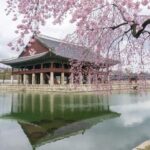
- Classic Seoul landmarks: Gyeongbokgung + a second palace or a historic area
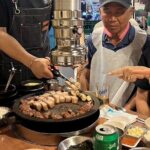
- Food and street culture: a market plus Insadong/Bukchon-style neighborhoods
- Quiet reset: Jogye-sa plus a palace or historic district
- Modern + big context: DDP plus one museum or memorial stop
One thing to think about up front: if you select two major “anchor” stops (like a palace and a museum), you may have less room for an in-and-out market snack run. If that matters to you, choose one anchor and one smaller stop.
Palace priority: Gyeongbokgung and Changdeokgung without the rushed feeling
If you’re going to pick palace time, I’d treat it as the backbone of your tour. Palaces aren’t just photos. They’re layout, gates, courtyards, and the way the city organized space centuries ago. With Lee, the visit becomes easier to manage because you’re not trying to read your way through everything while also keeping track of time.
Gyeongbokgung is the most common choice, and it’s a great way to get oriented fast. Changdeokgung is another strong option, especially if you like a more garden-and-complex feel rather than only the grand ceremonial scale.
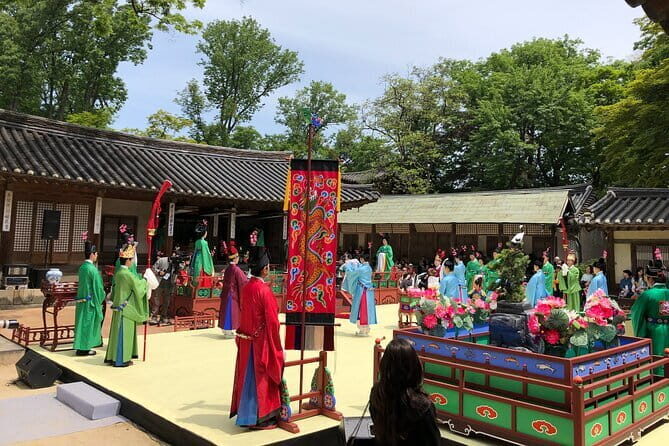
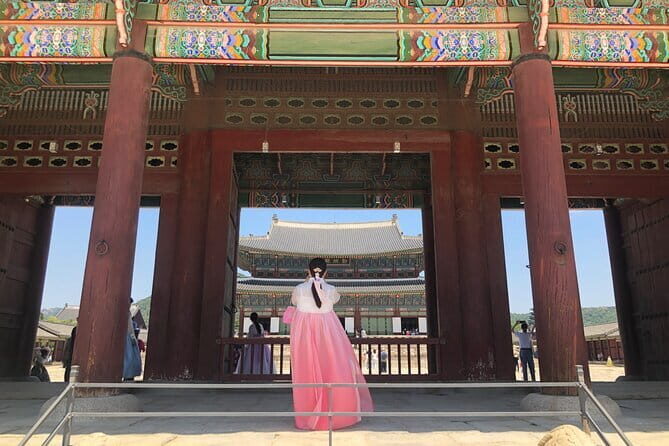
A practical benefit: timing. In one guest example, Lee timed a Gyeongbokgung Palace visit so you could catch a scheduled moment during your time there. That kind of “right place at the right time” adjustment is the difference between seeing a palace and understanding how it works as a living site with events.
What to watch for: palace areas are spread out. Wear shoes you can walk in for at least an hour, and keep your bag light. If you pack too much or plan too many indoor exits, you’ll lose the flow you came for.
Traditional markets: Gwangjang and Namdaemun for real Seoul texture
Markets are where Seoul stops being a map and starts being a place you can feel. With only 30 minutes to 1 hour, the goal isn’t to “see everything.” It’s to choose what you’ll actually taste and remember.
Gwangjang Market is a classic stop when you want stall energy and Korean comfort-food culture. Namdaemun Market is another strong option if you want a bigger range of goods and a lively mix of everyday shopping and snacks.
Lee can help you keep the market part efficient. Instead of drifting, you can get a route that makes sense for your tastes and avoids long detours. You’ll also get guidance on where to focus if you’re not sure what to try first.
One consideration: markets can be crowded and sensory-heavy. If you’re sensitive to tight spaces or strong smells, pick a shorter market window and add a quieter follow-up stop. That keeps the whole day comfortable instead of chaotic.
Buddhist calm at Jogye-sa: a half-hour reset
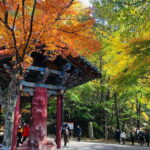
Not every Seoul tour includes a temple, and that’s a shame. Jogye-sa works well in a four-hour window because it’s short enough to fit without destroying your schedule, but meaningful enough to change the tone of your afternoon.
A 30-minute temple stop gives you a breather from big landmarks and shopping zones. You’re likely to notice how sound, rhythm, and foot traffic feel different. It’s the kind of pause that makes the rest of your sightseeing more enjoyable because you’re not running on constant stimulation.
The best way to enjoy this stop: arrive with a simple attitude. Don’t try to memorize everything. Just observe. Let the setting guide what you pay attention to. Lee can steer your understanding in a respectful, practical way.




Historic areas like Bukchon Hanok Village and Insadong: where the city feels old
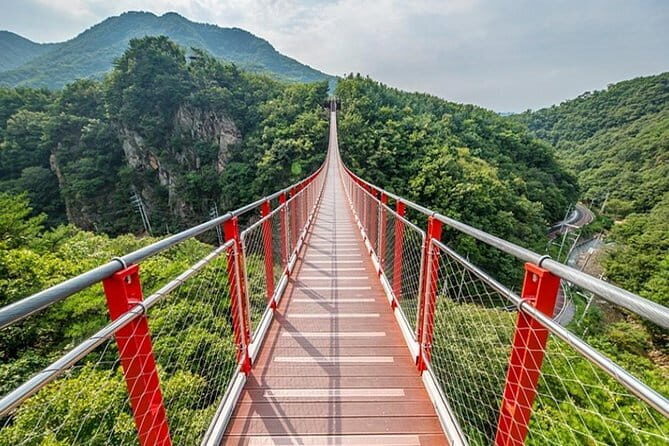
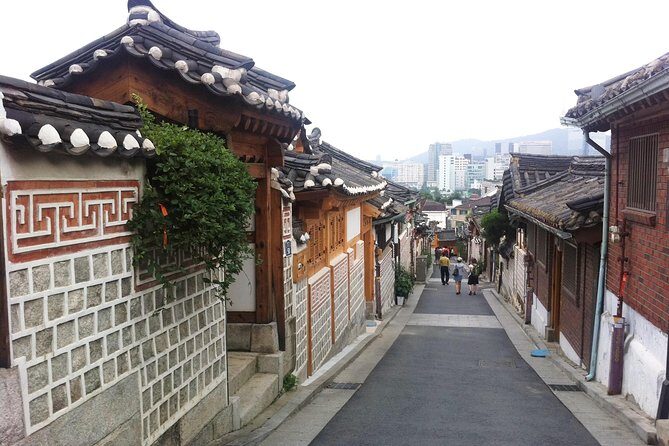
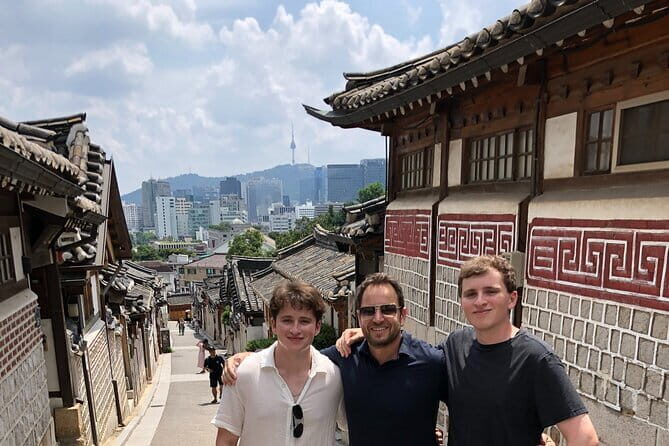
Historic neighborhoods are where Seoul shows its layers. Bukchon Hanok Village is known for its traditional hanok setting, and Insadong is often the place to look when you want crafts, tea culture, and that old-street shopping feel.
In a four-hour tour, you can usually cover one historic area well if you pick the walking level you’re comfortable with. These areas can involve uneven sidewalks and lots of small turns. If your plan includes a palace right after, keep the historic stop for browsing rather than a deep crawl.
Lee’s value here is simple: you’re not spending the tour time trying to figure out which street is which. You’re using the time to see what matters to you—traditional architecture, craft shops, or the look and mood of old Seoul streets.
A useful tip for this style of stop: bring a plan for photos. If you love photos, tell Lee early so you can build in the right moments for good angles and less back-and-forth. If you’re not there for photos, say so too. The route can be adjusted.
DDP plus one museum stop: modern design with context
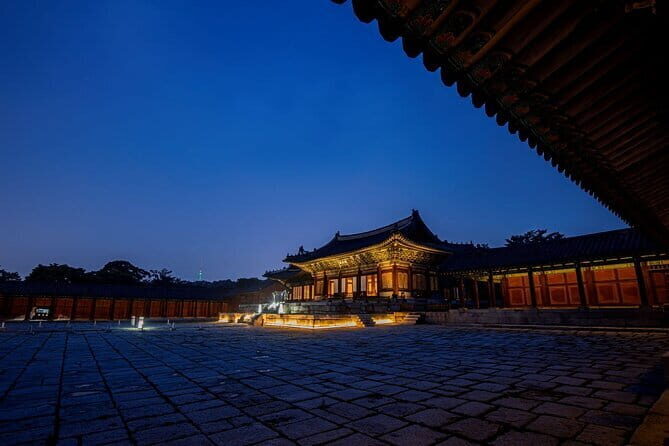
If palaces and markets feel too similar, mix in modern Seoul. DDP (Dongdaemun Design Plaza) is included as a 30-minute option, which is enough time to see the vibe without turning it into a full half-day detour.
Pairing DDP with a museum or memorial stop can give your day structure:
- National Museum for big-picture context in about an hour
- War Memorial for a deeper historical viewpoint in about an hour
This combination is especially useful if you’re the type who wants more than landmarks. Museums help you connect what you’re seeing to why Seoul looks and works the way it does today.
One caution: museums can be dense. If you pick one museum, keep the rest of your tour simple—one palace or one historic area plus the museum usually feels better than packing in a full market sprint too.
Transportation choices: subways, buses, or taxis with real help
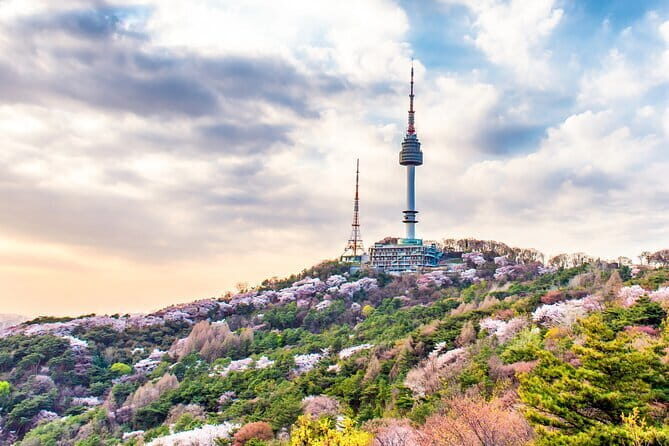
Seoul’s transit system is a big reason the city is so easy to explore. But it can also be stressful if you don’t know where you’re going yet.
This tour gives you options: you can choose subways, buses, or taxis, paying at your own expense. The guide assists with purchasing public transportation tickets, which cuts down on the most confusing part: figuring out the right fare and the right place to buy.
That practical support showed up in one guest story: Lee helped with subway navigation and even practical errands like finding an ATM. Those small “life logistics” moments matter more than people think, especially on a first day.
If you want the smoothest experience, think about your comfort level with walking between subway exits. Short subway rides can still involve uphill stairs and long station corridors. If you’re jet-lagged or carrying bags, taxis can be worth it for short segments.
Price and value: what $117 per person buys you
At $117 per person for about four hours, this tour is not the cheapest way to see Seoul. But it can be excellent value if you’re trying to buy back time and stress.
Here’s why the price can make sense:
- You’re getting a private guide, not a shared group where your questions get chopped up.
- You can shape the route around your exact interests instead of losing time to guesswork.
- Lee handles on-the-ground planning and helps with transit ticket purchases.
- Pickup can be arranged for a central meet-up, depending on your request.
Your costs may increase because attraction tickets and personal spending aren’t included. Also, public transportation fares are your responsibility, even though the guide helps you get the right tickets. So the “real” cost depends on your attraction choices. A palace-and-museum day will cost more than a palace-and-historic-streets day.
A smart way to control spend: pick 2–4 stops that match your top priorities, then treat the rest as optional. In a four-hour window, fewer entries usually creates a better overall experience than trying to do everything.
Also, this tour is commonly booked about 32 days in advance. If your schedule is tight or you travel in peak periods, plan ahead so you can get the timing you want.
Who this tour fits best in Seoul
This is a great fit if:
- It’s your first time in Seoul and you want a confidence boost fast
- You like making a plan but don’t want to research every transit hop
- You prefer private guidance over joining a group
- You want to mix big landmarks with everyday Seoul texture like markets and historic streets
- You’re comfortable with moderate walking (the tour notes a moderate physical fitness level)
It may be less ideal if:
- You’re aiming for a full-day deep dive. Four hours is focused, not exhaustive.
- You dislike paying for attraction entry and transit fares on top of the tour price.
- You want a totally no-walking itinerary. Historic areas and palace complexes usually involve walking.
Quick planning tips so four hours feel like more
Use these ideas to get the most out of your half-day:
- Choose a theme: classic palaces, old neighborhoods, food markets, or modern + museums. Then pick 1–2 extra stops to round it out.
- Wear walking shoes and keep your daypack small. You’ll thank yourself in historic lanes and palace courtyards.
- If you care about ceremonies or scheduled moments, tell Lee early. The timing adjustments are part of the value.
- Decide your market goal before you go: snack sampling, shopping, or just browsing for atmosphere.
- Have a basic idea of your preferred transportation. If subway navigation stresses you out, let Lee steer more taxi segments.
Should you book Lee’s Private 4-hour Customized Seoul Tour?
If you want Seoul in a smart, time-saving format, I’d say yes—especially for first-timers or anyone who hates winging it with transit and schedules. The private setup, flexible stop selection, and English-speaking support make it feel like a personalized orientation to the city rather than just a checklist of sights.
Book it when your priority is clarity and comfort: you want to see the big cultural sites and also get real help navigating the city. If your budget is tight, be honest about how many paid entries you plan to add. With that in mind, this tour can be a strong, practical way to make four hours count.
FAQ
How long is Lee’s Private 4-hour Customized Seoul Tour?
It runs for about 4 hours.
Is this tour private or shared?
It’s private. Only your group participates.
Where does the tour meet, and where does it end?
It starts at Starbucks Anguk (5-1 Bukchon-ro, Jongno District, Seoul) and ends back at the same meeting point.
Can I choose how we get around in Seoul?
Yes. You can select your preferred mode of transportation such as subways, buses, or taxis. Public transportation fees are paid by you, and the guide can help you buy tickets.
Are attraction tickets included?
No. Tickets to attractions are not included, and admission costs will depend on the sites you choose.
Can I cancel for a full refund?
Yes. You can cancel up to 24 hours in advance for a full refund.