REVIEW · JEJU
Jeju English Private Taxi Tour(1day, 2days, 3days & 1 to 12pax)
Book on Viator →Operated by Jeju Taxi Tour T&C · Bookable on Viator
Jeju, minus the hassle of car rental. This private English taxi tour is built for flexible days on Jeju Island, with door-to-door pickup and a guide-driver to steer you toward more than 100 possible stops across beaches, volcano sights, villages, temples, museums, and food.
What I like most is how the route planning stays practical. You pick one direction for the day (North, South, West, or East), and your driver helps you shape a tight itinerary so you don’t burn hours driving back and forth. The second big win is how much the guide helps beyond directions—English support, ticket help at attractions, and restaurant guidance that actually fits your group (including families who want specific dishes).
One thing to watch: admission fees and meals aren’t included, and there can be extra costs if you start far from Jeju downtown (plus possible mileage/time overages). It’s still good value, but you’ll want to budget so you’re not surprised at the end.
In This Review
- Key highlights worth planning around
- A private taxi tour that actually respects Jeju’s distances
- How your day gets planned: one direction, many winning options
- A few practical planning tips you can use immediately
- What you can see: Jeju nature and heritage stops that fit in a taxi day
- Beaches, coastal roads, and sunset views
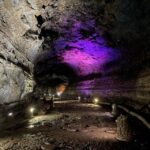
- Volcanic craters, lava tubes, and volcanic cones
- Waterfalls, cliffs, and shoreline hikes
- Folk villages and cultural history stops
- Temples and museums for a calmer pace
- Haenyeo culture: museum and diving-show style experiences
- Family-friendly extras: rail bike, theme parks, horse riding, and boat experiences
- Produce and seasonal gardens: tangerine picks and flowers
- English in the driver seat: why the guide matters here
- Real examples you can hope for
- Safety and comfort are part of the deal
- Lunch and snacks: how to keep food from stealing your whole day
- What you should do before you arrive at a restaurant
- Price and budgeting: where value really comes from
- What’s included
- What’s not included (so you should budget)
- My simple budgeting rule for this kind of tour
- Choosing 1 day vs 2 days vs 3 days (and not running yourself ragged)
- 1 day: best for first-timers
- 2 days: the sweet spot for balance
- 3 days: for deeper preference and seasonal adds
- Who should book this tour
- Should you book it? My take
- FAQ
- What is the typical duration of the tour?
- Is pickup available from my hotel or the airport?
- What’s included in the price?
- Are meals included?
- Are attraction tickets included?
- Are there extra charges I should know about?
- Is there free cancellation?
Key highlights worth planning around

- Door-to-door pickup across Jeju Island (with possible remote pickup/drop-off charges once a day outside Jeju downtown)
- One-direction routing (North/South/West/East) to prevent wasted driving time
- English-speaking driver-guides who often help with tickets and clearer explanations on-site (Terry, Andy, Jimmy, Carl, Harry, and Kang appear in guide stories)
- A menu of nature and heritage options: craters, lava tubes, cliffs, waterfalls, folk villages, temples, museums, and more
- Comfort and convenience for small groups (mini van or similar vehicle, plus practical touches like charging ports and umbrellas in bad weather)
- Restaurant matchmaking so lunch doesn’t derail the day (from local seafood favorites to vegetarian-friendly suggestions)
A private taxi tour that actually respects Jeju’s distances
Jeju is big enough that “just grab a taxi” can turn into a day full of waiting, changing plans, and paying for time you don’t really get to enjoy. This tour is designed to solve that, with a single vehicle for your group and an English-speaking guide-driver who handles the driving and the decision-making pressure.
The heart of the experience is simple: you’re not locked into a rigid bus schedule. You’re working with a local driver-guide who can adjust the day based on what you want—nature, heritage, food, viewpoints, or a mix. The typical duration is about 9 hours for a day tour, with flexible timing that depends on your stop choices.
If you’re traveling with kids, grandparents, or friends with different interests, the private format matters. You can slow down where you want photos or take a shorter route when someone’s tired. And because it’s private, it stays calmer than joining a larger group where you’re always negotiating meeting points.
You can also read our reviews of more private tours in Jeju
How your day gets planned: one direction, many winning options
Here’s how this works in the real world: at the start of the trip, you talk with your driver-guide about your interests and what you want to see. Then you choose one direction (North, South, West, or East). That rule is there for a reason—it helps keep the day efficient and prevents you from crisscrossing Jeju and losing time to long drives.
That one-direction approach is also how you get to experience more without rushing. In guide stories, you’ll see the same pattern: the guide helps narrow choices into 2–3 priority stops plus a few smart extras, rather than trying to cram everything into a single exhausting sprint.
You’ll also notice a strong communication culture. Some guides coordinate by texting ahead to help confirm plans and tighten the route the night before. If you don’t have a detailed list of must-sees, that’s okay—many guide styles are built around making suggestions based on what your group likes (beach time, volcanic sights, cultural stops, hikes that are doable, or museum breaks).
A few practical planning tips you can use immediately
- Pick your “anchor” experiences first: volcano view, folk village, temple, waterfall, or a seafood lunch.
- Tell your guide what matters: scenery over shopping, kids-friendly breaks, vegetarian needs, or specific foods you want.
- If it’s rainy, plan for flexibility. Some guides show up ready with umbrellas, and you’ll want short, ticketable stops in bad weather.
What you can see: Jeju nature and heritage stops that fit in a taxi day
The tour is described as a nature-and-heritage route built from 100+ attractions, and in practice that means you can mix big-ticket scenery with culture and food. Since the day is private and directional, the best strategy is to choose a cluster of nearby options so you can spend your time walking, eating, and looking—not sitting in traffic.
Below are the stop types you can realistically build around, including what each one gives you and what to watch for.
Beaches, coastal roads, and sunset views
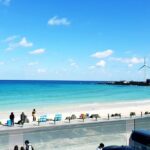
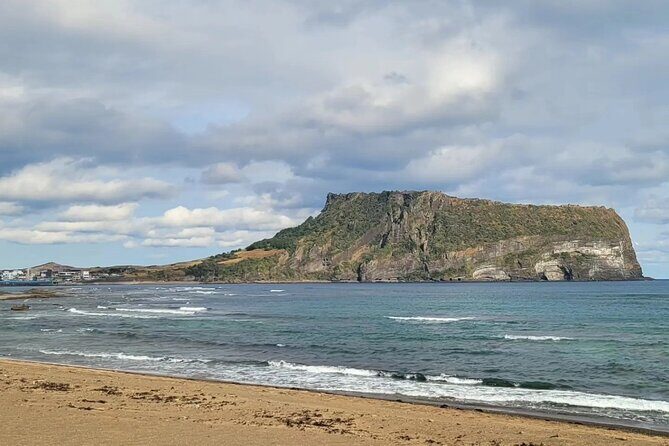
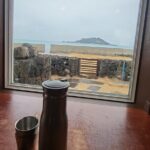
Jeju’s coast can be a full personality change from inland scenery. If you choose the coastal side of your direction, you can expect beach time, cliff views, and iconic seaside roads. Some itineraries include coastal drives known for dramatic viewpoints, and guides often help you time it so you’re not missing sunset opportunities.
What to watch: coastal weather changes fast. If the wind picks up, your “quick walk” can turn into a cold endurance test—bring a layer. Also, be ready for admission fees if your coastal stop includes a paid attraction.
A few more Jeju tours and experiences worth a look
Volcanic craters, lava tubes, and volcanic cones
Jeju isn’t just green scenery; it’s a volcanic island, and that shows up in crater areas, lava-related attractions, and cone-shaped volcanic landscapes. Many drivers will include at least one volcanic stop because it’s the quickest way to understand how Jeju formed.
Why it’s worth it: volcano features give you a strong sense of place. Even if you’ve seen “pretty mountains” before, Jeju’s volcanic shapes are a different story.
What to watch: some volcanic attractions involve walking uneven ground. If you’re bringing older travelers, ask your guide to keep the route mobility-friendly.
Waterfalls, cliffs, and shoreline hikes
Jeju does waterfalls well. You’ll often see waterfalls paired with seaside cliffs or short coastal trails—enough movement to feel like you’re traveling, but still manageable inside a day.
What to watch: waterfalls can be crowded and slippery depending on season. If your group doesn’t want to climb, you can ask for viewpoints that give similar impact with less walking.
Folk villages and cultural history stops
If you want heritage that feels more than photo backgrounds, look for folk village areas and cultural villages. Guides often use these stops to explain daily life, local traditions, and island identity.
What I like about these stops: they slow the day down in a good way. Instead of bouncing between viewpoints, you get a clearer sense of what locals valued—architecture, crafts, and community rhythms.
What to watch: some villages have ticketed entry or themed exhibits, so build admission budget into your day.
Temples and museums for a calmer pace
Temple and monastery visits add a quiet pause—especially useful if your group needs a reset mid-day. Museums and tea-focused stops also work well when the weather isn’t cooperating or you want something indoors without fully losing the island feeling.
In guide stories, tea museums and Buddhist sites show up as common “balance stops” between outdoors.
What to watch: temple etiquette matters. Comfortable shoes help, and you’ll want to follow signage for dress and behavior.
Haenyeo culture: museum and diving-show style experiences
Jeju’s haenyeo (women divers) are one of the island’s signature cultural threads. Many routes include a haenyeo museum and, depending on the day, a diving show. This is one of the most memorable “culture-meets-science” experiences for many visitors because it connects the island’s sea life to living tradition.
What to watch: shows can have timing constraints. Your guide will usually help you align the schedule so you’re not sprinting between locations.
Family-friendly extras: rail bike, theme parks, horse riding, and boat experiences
This tour can flex beyond scenery. You might build in a rail-bike style experience, a theme park stop, horseback riding, or a boat-based activity tied to local fishing culture.
What to watch: some of these are seasonal and can vary by operating schedules. If this matters to you, tell your guide early so they can place it in the right part of the day.
Produce and seasonal gardens: tangerine picks and flowers
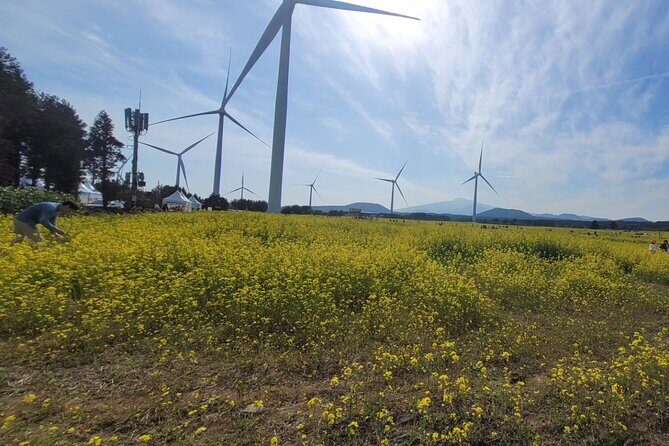
Jeju is known for seasonal agriculture and flower displays, and this tour can plug those into your day if you’re traveling during the right months.
What to watch: timing is everything. If your travel dates don’t match peak bloom or harvest, your guide can swap in something similar nearby.
English in the driver seat: why the guide matters here
A taxi can get you places. This tour gets you context.
The strongest pattern in guide experiences is how well the driver-guide communicates in English and how actively they support you at each stop. People point out clear communication, safe driving, and guides who don’t just drop you and leave—they help you find the right entrances, understand what you’re looking at, and manage small practical problems.
Real examples you can hope for
- Terry is repeatedly described as careful with time, fluent in English, and proactive with suggestions that help you avoid missing major sights.
- Andy shows up in stories for flexible planning and finding vegetarian options when language barriers can make meals harder.
- Jimmy is mentioned for being punctual and bringing detailed site info to the table.
- Carl is described as walking around with groups, explaining local meaning, and sharing Jeju-specific stories and language details.
- Harry appears as an organized planner who helps squeeze the most into two days without rushing people out the door.
- Kang gets highlighted for tailoring an itinerary to interests and even finding coupons/discounts.
Even if you don’t get the same guide, these stories tell you the service style you should expect: the “English guide” part is not window dressing. It’s part of how you get value.
Safety and comfort are part of the deal
Many descriptions mention safe driving, calm pacing, and vehicle comfort. Some also mention small comfort extras like accessible charging ports and umbrellas when rain hits.
Lunch and snacks: how to keep food from stealing your whole day
Meals are not included, but guides often make lunch one of the best parts of the day because they can steer you to restaurants that fit your group’s preferences. In stories you’ll see:
- seafood comfort food like abalone dishes
- Korean BBQ stops
- requests for kid-friendly meals
- vegetarian-friendly finds for non-Korean speakers
- dessert/tea breaks that turn into a mini cultural stop
What you should do before you arrive at a restaurant
Ask your guide a simple question early: what’s the most practical place for lunch based on where we’ll be next? A good driver-guide will match lunch to the route so you don’t pay for “detours that look tasty but cost time.”
If your group has dietary needs, say it plainly at the start. When guides know the constraint, they can build your route around it.
Price and budgeting: where value really comes from
The published price is $185 per group (up to 4), and the day runs about 9 hours. For a private tour, that’s not cheap like a shared bus. But private value is about cost control: you’re paying to replace car rental stress, language friction, and the time cost of figuring out the island on your own.
What’s included
- A vehicle for your group
- An English-speaking driving guide
- Fuel, parking fees, and car insurance
What’s not included (so you should budget)
- Lunch, snacks, and beverages
- Personal expenses
- Attraction admission tickets (there’s also a stated max admission fee of ₩40,000 per person)
- Remote pickup/drop-off charges once a day if you start outside Jeju downtown
- Mileage overages: if you go beyond 130km, extra mileage charges may apply
- Time extensions: additional fees if you run longer than the planned hours
- Tips are recommended but not required
My simple budgeting rule for this kind of tour
Cluster your stops. The fastest way to avoid extra mileage/time fees is to pick a tight set of attractions inside one direction. Then let your guide handle the sequencing.
If you’re traveling with lots of “one-off” wants (every viewpoint, every museum, every market), you’ll want to communicate those up front. A good guide can still make it work, but it may push you toward admission costs and time extensions.
Choosing 1 day vs 2 days vs 3 days (and not running yourself ragged)
The tour is sold in 1-day, 2-day, and 3-day versions, and the directional planning idea matters even more as you add days.
1 day: best for first-timers
Use it to hit the island’s most recognizable themes: one volcanic focus area, one cultural stop, one food stop, and one scenic viewpoint. With good guidance, you can see a lot without turning your trip into a checklist.
2 days: the sweet spot for balance
Two days lets you cover two different themes without feeling like every hour is scheduled. You can do more time at cultural stops or give outdoors a slower pace.
3 days: for deeper preference and seasonal adds
Three days is for people who want to repeat what they liked (extra tea stop, another viewpoint, more coastal time) and still squeeze in seasonal options like gardens or produce if your travel dates match.
Who should book this tour
This is a strong fit if you:
- want a private itinerary without driving yourself
- need English support to navigate attractions and restaurants
- have mixed ages in your group (family with kids, grandparents, multigenerational friends)
- are short on time due to airport or cruise timing
- care about getting value from every hour on the road
You may prefer a rental car instead if:
- you already enjoy driving and reading maps in Korean
- you’re planning to cross multiple regions every day
- you want total independence with no guide coordination
Should you book it? My take
If your goal is to see Jeju efficiently with less stress and clearer on-the-ground guidance, this private taxi format is a smart bet. The biggest selling points are direction-based planning, an English-speaking driver-guide, and the way the trip can bend toward your interests—whether that’s volcanic sights, temples and folk culture, or food that actually matches your group.
Book it if you want convenience and context. I’d book it especially if you’re traveling with people who don’t want the hassle of figuring out transport, ticket lines, or restaurant choices in a language barrier setting.
Skip it (or at least reconsider) if you’re planning a wildly spread-out itinerary that ignores the one-direction logic, or if you dislike budgeting for admissions and possible overages. With a reasonable, clustered plan and good communication, you’ll likely feel like you got more than your money’s worth in time and experience quality.
FAQ
What is the typical duration of the tour?
The day tour is listed at about 9 hours (approx.).
Is pickup available from my hotel or the airport?
Yes. Pickup can be arranged from your accommodation, hotel, airport, and cruise ports anywhere in Jeju Island.
What’s included in the price?
The included items are the vehicle, an English-speaking driving guide, and costs for fuel, parking fees, and car insurance.
Are meals included?
No. Lunch, snacks, beverages, and personal expenses are not included.
Are attraction tickets included?
Admission tickets are not included. There is also a stated maximum admission fee of ₩40,000 per person.
Are there extra charges I should know about?
Possible additional charges include remote pickup/drop-off fees (once a day outside Jeju downtown), extra mileage charges over 130km, and time extension fees if the tour runs longer than planned.
Is there free cancellation?
Yes, free cancellation is available up to 24 hours in advance for a full refund.