REVIEW · JEJU
2 Days Jeju Island Private Taxi Tour (East/West of Jeju Island )
Book on Viator →Operated by Jeju Taxi Tour Namyang Travel · Bookable on Viator
Jeju feels bigger when you cross it by car. This 2-day private taxi tour strings together the island’s standout volcanic sights—especially UNESCO-designated Seongsan Ilchulbong and Manjanggul Cave—plus calm beaches and cultural stops like Seongeup Folk Village. I like that it’s built for convenience (pickup, fuel and parking handled) and that the driver role is practical, not just seat-time. The one thing to keep in mind is that some stops depend on conditions and schedules, so you may see replacements like Haenyeo Museum or another mountain if certain sites close.
The rest of the experience is mostly about flow: you move efficiently between east and west, with a driver who speaks simple English, Japanese, or Chinese and gives you context as you go. You’ll also get a real sense of Jeju’s two personalities—tough volcanic geology on one hand, and lived-in local culture on the other. A possible drawback? The itinerary packs a lot into roughly 2 days, so it rewards people who are okay with quick stops and frequent getting-on/getting-off rather than lingering all day at each viewpoint.
In This Review
- Key highlights at a glance
- How the Private Taxi Format Makes Jeju Easier (and Better)
- Day 1 East Jeju: Manjanggul to Seongeup Folk Village
- Manjanggul Cave: A world-class lava tube (with a schedule catch)
- Woljeongri Beach: White sand, emerald water, and an easy break
- Haenyeo Museum (backup if Manjanggul is closed)
- Seongsan Ilchulbong (Sunrise Peak): The tuff cone + women diver show
- Seopjikoji: Drama-fuel filming location and seasonal color
- Sangumburi Crater: A viewpoint stop with timing notes
- Gwangchigi Beach: A quick stretch that fits the route
- Seongeup Folk Village: People still live here
- Day 2 West and South Jeju: Gardens, Tea, Volcanic Coasts, and Falls
- Hallim Park: Flowers and seasonal events
- Hyeopjae Beach: Easy scenic payoff
- O’sulloc Tea Museum (or Glass Castle alternative)
- Yongmeori Coast: Volcanic ash shapes and tide limits
- Sanbangsan Mountain: A dome volcano and a natural cave
- Cheonjeyeon Falls: The Pond of God
- Theme-style stops: teddy bears and optical illusion art
- What Makes This Tour Worth It for Jeju First-Timers
- Price and Value: How the $680 Private Cost Adds Up
- When This Tour Fits Best (and When It Doesn’t)
- The Bottom Line: Should You Book It?
- FAQ
- What is the price for this Jeju 2-day private taxi tour?
- How long is the tour?
- Do you get pickup and drop-off?
- Is this a private tour?
- What languages does the driver speak?
- Is transportation cost like fuel and parking included?
- Which major UNESCO sites are included?
- What happens if Manjanggul Cave is closed?
- What happens if Yongmeori Coast can’t be visited?
- Is lunch included?
Key highlights at a glance
- Two-day east-and-west coverage: big-name natural sites plus culture in one tight loop
- Private group comfort: taxi/mini-van/mini-bus sizing and driver included
- Driver flexibility for closures: Haenyeo Museum substitute for Manjanggul and Mt. Songaksan if Yongmeori Coast can’t be visited
- Volcanic geology you can actually see: lava tube scale, tuff-cone origins, crater viewpoints
- Local-life stop that isn’t a museum-only vibe: Seongeup Folk Village where people still live
- A tour style that aims for value: entry fees are stated as included, while food and drinks are on you
How the Private Taxi Format Makes Jeju Easier (and Better)
Jeju can be a headache if you’re trying to self-drive while also chasing viewpoints, caves, and beaches. This tour is built to remove that friction. Pickup and drop-off are included from your Jeju location, and the transportation cost covers fuel and parking fees. In plain terms: you’re paying for time and routing, not just rides.
The group-size setup also matters. Up to 4 people use a regular taxi, while 5 people or more shift to a jumbo taxi or mini-van, and 9+ uses a mini-bus. That means you avoid that common Jeju problem where you squeeze too many people into the smallest vehicle and lose comfort halfway through day one.
I also like the language angle. The driver speaks simple English, Japanese, or Chinese, which usually means you’ll get enough explanation to understand what you’re looking at, not just a list of place names. And from the strongest review pattern tied to this tour style, guides like Hong-min Lee (also shown as Hongmin Lee) get praised for friendliness and for adding extra stops that aren’t strictly on the printed plan.
One more practical detail: it’s a mobile ticket experience, which is the kind of small modern convenience that saves time when you’re juggling multiple sites across two days.
You can also read our reviews of more private tours in Jeju
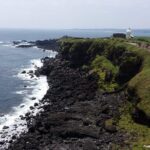
Day 1 East Jeju: Manjanggul to Seongeup Folk Village
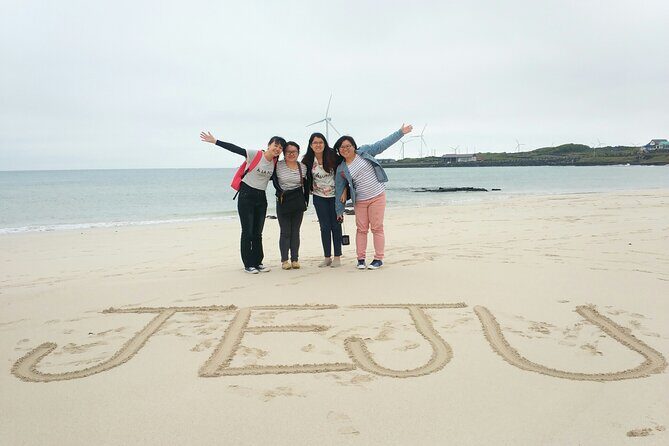
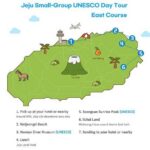
Day one is where you really see Jeju’s volcanic side and the coast’s quiet beauty. It’s a logical arc: cave and sea → sunrise-peak area → east shore viewpoints → traditional village.
Manjanggul Cave: A world-class lava tube (with a schedule catch)
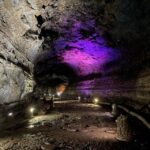
You start at Manjanggul Cave, a UNESCO World Natural Heritage site and described as the world’s largest known lava tube. The highlight here is the scale and the way the cave feels like an underground chamber—almost like you’re walking through a natural structure with palace-like geometry.
Duration is about 1 hour 10 minutes. Admission is listed as free in the itinerary timing details, though the tour’s overall pricing states entry fees are included—either way, plan to spend your time absorbing the cave layout rather than rushing for photos.
Important note: the cave has a long closure window for safety inspection and internal construction. If it’s within that range, Manjanggul won’t run and you’ll switch to the Haenyeo Museum course option instead (see below). If you’re booking near those dates, check ahead so you’re not surprised by the swap.
Woljeongri Beach: White sand, emerald water, and an easy break
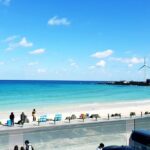
Next is Woljeongri Beach, known for tranquil white sand and emerald-toned ocean views. Expect a relaxed pause—about 30 minutes. This is the kind of stop that helps you reset between more intense sights.
The area near the beach has a line of cozy cafes. Food itself is on you (not included), but the location makes it easy to grab something simple without losing time to detours.
Haenyeo Museum (backup if Manjanggul is closed)
If Manjanggul Lava Tube is closed (the first Wednesday of every month is called out as a closure schedule), you’ll visit Haenyeo Museum as an alternative course. Haenyeo are the famous female divers of Jeju, and the tour description frames this as a cultural bridge between geology and island life.
It runs about 1 hour, and admission is marked as not included in the itinerary section, even though the tour’s overall pricing says entry fees are included. That mismatch is exactly why I’d treat Haenyeo Museum as a “check the booking details” stop. The good news: even with a cave closure, you don’t end up losing the day’s theme.
A few more Jeju tours and experiences worth a look

Seongsan Ilchulbong (Sunrise Peak): The tuff cone + women diver show
Then you move to Seongsan Ilchulbong, also called Sunrise Peak. This is another UNESCO-designated site, shaped by hydrovolcanic eruptions on a shallow seabed around 5,000 years ago. The practical value of visiting here isn’t just the view—it’s the chance to understand how Jeju’s volcanic history created island forms that still shape daily scenery.
Time on site is about 1 hour 30 minutes. The itinerary also highlights a women diver show in this area. Admission is listed as not included in the stop details, so again, verify what’s covered for your specific booking.
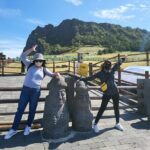
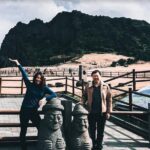
Also, the overview calls out a particularly popular feature: a stone turtle that resembles Jeju Island. That’s the kind of detail worth keeping in mind once you’re there, because it turns the site from generic awe into a more specific experience—spotting the feature and understanding why it’s memorable.
Seopjikoji: Drama-fuel filming location and seasonal color
Next: Seopjikoji. This is listed as a famous filming location for a Korean drama, and it’s especially noted in April when canola flowers bloom. Even if you’re not traveling in spring, the stop is still about sea views and headland atmosphere.
Time is about 1 hour. Admission is listed as free in the itinerary details, and the stop is described as scenic and photo-friendly without requiring a huge effort.
Sangumburi Crater: A viewpoint stop with timing notes
You’ll head to Sangumburi Crater next. The best visiting times are given as October and November. That doesn’t mean it’s bad outside those months—it just means the crater’s feel and surrounding conditions tend to be more rewarding then.
Time is about 1 hour 50 minutes, and admission is listed as not included. If you’re sensitive to extra fees, this is another one to confirm during booking.
Gwangchigi Beach: A quick stretch that fits the route
After the crater, there’s a short stop at Gwangchigi Beach (about 20 minutes). It’s described as part of the Jeju Olle Trail area and where a second course starts. This is less about a full beach day and more about a quick look and a breather before you shift into culture.
Seongeup Folk Village: People still live here
Finally, day one ends at Seongeup Folk Village, where buildings are preserved in an old Jeju style. The standout detail is the stacked-stone construction designed to protect roofs from strong winds. That’s not a background fact—it explains why the village looks the way it does and how locals historically adapted to the island’s weather.
Time is about 1 hour, and admission is listed as free. This is the kind of stop I like most on Jeju tours: it’s not just a scenic prop. The description states locals actually live inside the village, so the place feels more real than a fully staged attraction.
Day 2 West and South Jeju: Gardens, Tea, Volcanic Coasts, and Falls
Day two mixes famous leisure spots with more dramatic geology, plus a couple theme-style diversions that can be a fun contrast if you’re traveling with people who want less walking.
Hallim Park: Flowers and seasonal events
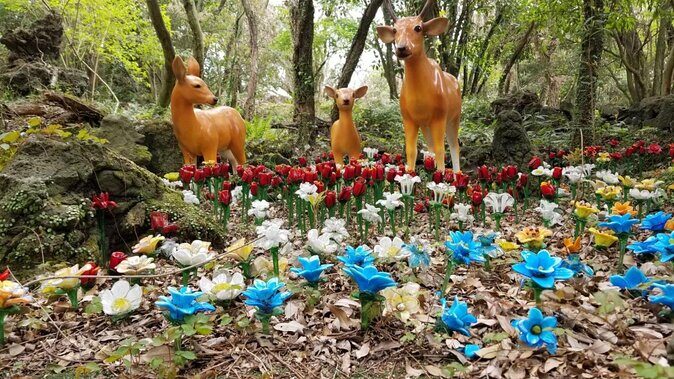
First up is Hallim Park, about 2 hours 10 minutes. It’s known for monthly flower-related events, and spring brings a tulip festival. Admission is listed as not included in the stop details.
Even if your season isn’t tulip season, this is a good “reset day” stop after day one’s more intense cave and crater pacing. The length is long enough to enjoy strolling rather than treating it like a quick photo checkpoint.
Hyeopjae Beach: Easy scenic payoff
Then you get Hyeopjae Beach, close to Hallim Park, with a short stop of about 20 minutes. It’s described as white sand mixed with crushed seashells and views of Biyangdo Island, which can appear to float offshore.
Admission is listed as free. With only 20 minutes, this is best as a scenery-and-snap stop rather than an extended beach time.
O’sulloc Tea Museum (or Glass Castle alternative)
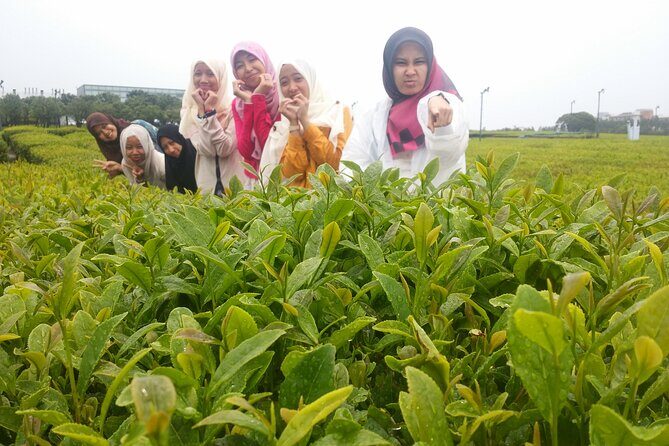
Next is O’sulloc Tea Museum, about 1 hour 30 minutes. The description notes it opened in 2001 and that it’s Korea’s first tea museum. There’s also mention of a nearby tea-stone area for various tea experiences.
Admission is listed as free in the itinerary details. The tour also says you can choose Glass Castle instead of O’sulloc Tea Museum, which is a useful option if your group prefers a visual, photo-focused stop over a museum-style visit.
Yongmeori Coast: Volcanic ash shapes and tide limits
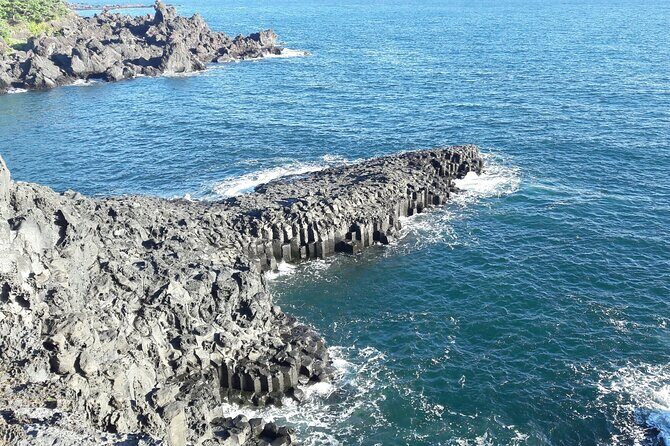
Then comes Yongmeori Coast, described as a volcanic beach made of ash emitted during violent explosions when hot magma met cold seawater. Time is about 1 hour 30 minutes, but admission is listed as not included.
There’s also an important weather/tide condition: if Yongmeori Coast is closed due to rising tides or bad weather, the tour swaps in Mt. Songaksan instead. That substitution note matters because it prevents a common Jeju frustration—showing up and finding the coast inaccessible when you planned your route around it.
Sanbangsan Mountain: A dome volcano and a natural cave
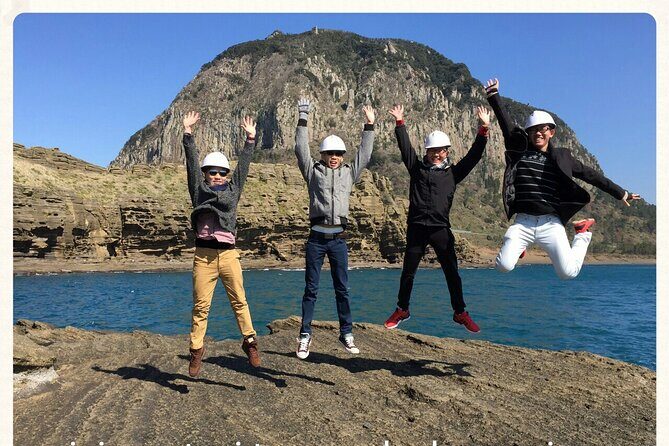
After the coast, you visit Sanbangsan Mountain, rising to 395 meters. It’s described as a craterless dome-shaped volcano. There’s also a natural stone cave formed in the middle of the mountain, and the stop duration is about 1 hour 30 minutes.
Admission is listed as not included. If you want more hiking, this is the kind of stop that can feel rewarding because it’s built around the mountain’s shape and caves rather than only walking paths.
Cheonjeyeon Falls: The Pond of God
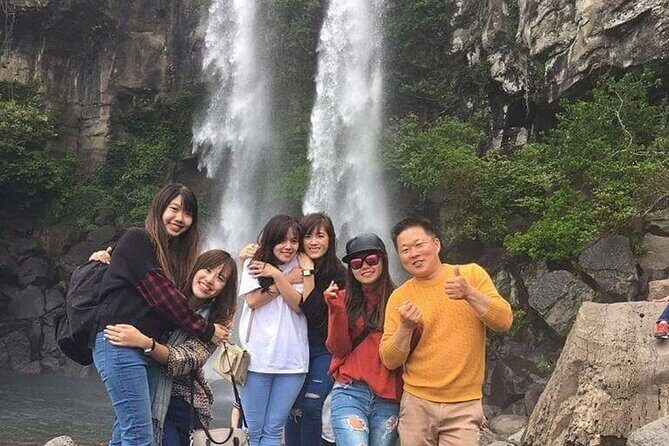
Next is Cheonjeyeon Falls, called the Pond of God. It has three sections, and the description mentions plant life around the falls. There’s also a cave area where cold water pours—details that hint the site isn’t just one waterfall but a layered walking experience.
Time is about 1 hour, and admission is listed as free.
Theme-style stops: teddy bears and optical illusion art
The last stretch includes two “pass by” theme options: a teddy bear-oriented attraction (noting it opened in 2001) and an optical-illusion themed art park with multiple experience themes, including trick art and digital art. These aren’t framed as core UNESCO moments, but they can be a nice mood break, especially if you have kids or you just want something light after nature stops.
Because they’re pass-by items in the schedule, you’ll likely see them as short stops rather than big standalone hours.
What Makes This Tour Worth It for Jeju First-Timers
If you’ve only got limited time on Jeju, this kind of private taxi routing is a practical way to hit the island’s big themes without turning your trip into a logistics project.
You get both kinds of “Jeju meaning”:
- Geology you can understand: lava tube formations like Manjanggul, and volcanic origin explanations around Seongsan Ilchulbong (a tuff cone formed by hydrovolcanic eruption).
- Cultural texture you can feel: Seongeup Folk Village with wind-protecting stone piles, and the Haenyeo angle when Manjanggul is unavailable.
Another value point is the route logic: east day one leans toward sea-facing volcanic viewpoints and heritage villages; day two shifts toward western gardens, tea culture, and southern coasts and falls. That contrast helps you avoid ending up with two days that feel too similar.
Price and Value: How the $680 Private Cost Adds Up
The price is $680 per group for up to 4 people. That’s not cheap if you’re traveling solo. But the real question is: what are you avoiding?
You’re paying for:
- Pickup and drop-off from your Jeju location
- Private transportation for two days
- Fuel and parking fees included
- Driver support in simple English/Japanese/Chinese
- Insurance
- Entry admission fees are stated as included in the overall package
If you split among 4 people, the per-person cost works out to about $170 for two days of guided, door-to-door touring. That’s often competitive when you compare it to renting a car plus paying for parking repeatedly plus trying to assemble a route across UNESCO sites.
Two cautions for value:
- Some itinerary items show admission as not included in the stop details (for example, several major viewpoint stops and some museums). The overall package says entry fees are included, so check your confirmation details to avoid surprises.
- Food and drinks aren’t included, so you’ll still want a lunch and snack plan. The good news: multiple stops sit in areas where grabbing something nearby is easy, like around Woljeongri Beach.
When This Tour Fits Best (and When It Doesn’t)
This is a great fit if:
- You’re a first-time Jeju visitor and want a structured plan that hits both east and west
- You’d rather spend your energy looking at sights than navigating roads, parking, and timing
- You’re traveling as a small group and can split the cost
- You want a driver who can explain what you’re seeing, not just drive
You might want to skip it if you:
- Want a slow, independent pace with long hikes and lots of unscheduled wandering
- Plan to spend big chunks of time at beaches without moving on
- Are the type who loves researching closures daily, because this itinerary does include weather and schedule-based substitutions
The Bottom Line: Should You Book It?
If you want an efficient, private two-day sweep of Jeju with UNESCO highlights and real island culture, I’d seriously consider booking. The value rises fast when you travel in a group of 3–4, and the format is designed to keep you from losing your day to transit headaches.
One last practical tip: when you book, ask your provider to confirm which admission fees apply to the stops marked as not included in the itinerary notes and what the replacements will be on your exact travel dates. If you do that small check, this becomes a very solid way to see a lot of Jeju without feeling rushed by logistics.
FAQ
What is the price for this Jeju 2-day private taxi tour?
The price is $680 per group, up to 4 people.
How long is the tour?
The tour runs for 2 days (approx.).
Do you get pickup and drop-off?
Yes. Pickup and drop-off are offered from your location in Jeju.
Is this a private tour?
Yes. It’s private, and only your group participates.
What languages does the driver speak?
The driver speaks simple English or Japanese or Chinese.
Is transportation cost like fuel and parking included?
Yes. Fuel and parking fees are included in the price.
Which major UNESCO sites are included?
Seongsan Ilchulbong (Sunrise Peak) and Manjanggul Cave are part of the plan, and Manjanggul is described as a UNESCO World Natural Heritage site.
What happens if Manjanggul Cave is closed?
Manjanggul Cave may be closed for safety inspection and internal construction. If it’s closed (or if it’s the first Wednesday of the month), the course can switch to the Haenyeo Museum option.
What happens if Yongmeori Coast can’t be visited?
If Yongmeori Coast is closed due to rising tides or bad weather, the itinerary can switch to Mt. Songaksan as an alternative tour course.
Is lunch included?
No. Food and drinks, including lunch, are not included.