REVIEW · SEOUL
Seoul: herbal tea class & Korean Medicine tour
Book on GetYourGuide →Operated by Heojunoppa · Bookable on GetYourGuide
Korean herbal medicine sounds traditional. Then it turns practical fast, especially once you’re standing in a museum full of real ingredients. This 3-hour Seoul experience pairs a guided walk through an Oriental medicine collection with relaxation at the end—foot spa in warmer months or meridian massage in winter—then closes with a hands-on herbal tea session.
I especially like the way the guide connects what you see to what it means for everyday health. Two standouts for me are the guided museum time with a Han medicine expert and the fact you actually make your own tea and leave with a bottle to take home.
One consideration: the museum display text is Korean-heavy, so if you’re hoping for a fully English museum tour, you may need your phone translation app and patience. In other words, it’s not a glossy, studio-style presentation—it’s a live, conversational class in a real-world setting.
In This Review
- Key things I’d plan for
- The value: why this 3-hour Han medicine class feels worth it
- Oriental Medicine Museum: spotting the herbs behind the wellness talk
- Seoul herbal tasting and tea session: what you’re really learning
- Foot spa vs meridian massage: the body-side payoff
- The lecture on Han medicine theory and autotherapy
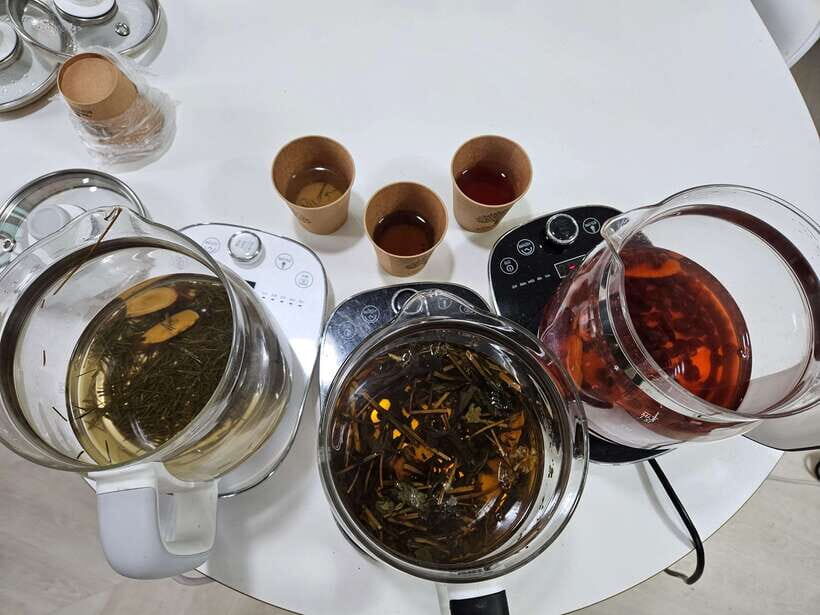
- Making your own herbal tea: the part you’ll actually use later
- Shopping time: what’s included, what costs extra
- Who this is best for (and who might want something else)
- My honest booking call
- FAQ
- How long is the Seoul herbal tea class & Korean Medicine tour?
- Where do I meet for the tour?
- What relaxation is included: foot spa or massage?
- Do I make herbal tea during the class?
- What do I get to take home?
- Is the tour guide available in English?
- What’s the group size?
- Are herbs for purchase included?
- FAQ (Cancellations and timing)
- What is the starting point return time?
- Can I get a full refund if I cancel?
Key things I’d plan for
- Oriental Medicine Museum access with a Han medicine expert guiding what you’re looking at
- Foot spa (March–November) or meridian massage (winter) as part of the ticket
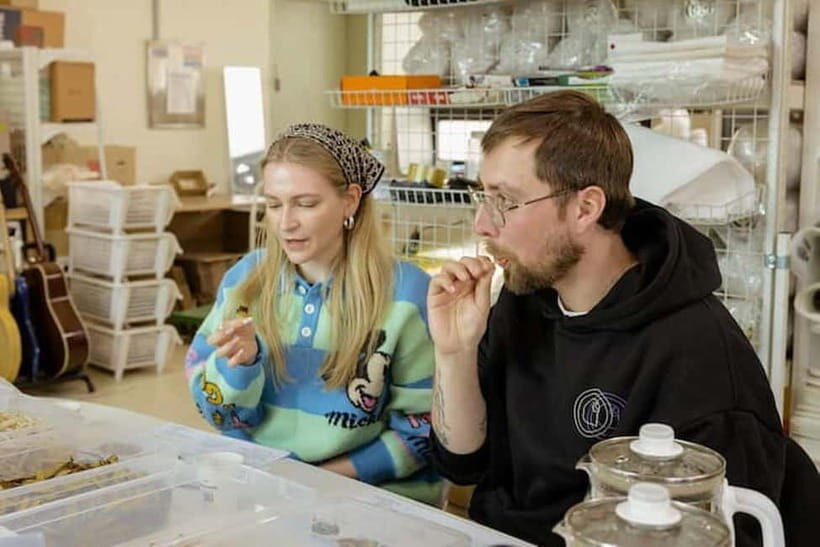
- Make-your-own herbal tea plus tasting multiple herbal options during the session
- A lecture on Oriental medicine theory and autotherapy so you’re not just collecting herbs
- Takeaway tea in a bottle (so you can try the blend later, not just take photos)
- Small group size (max 10), which makes it easier to ask questions
The value: why this 3-hour Han medicine class feels worth it
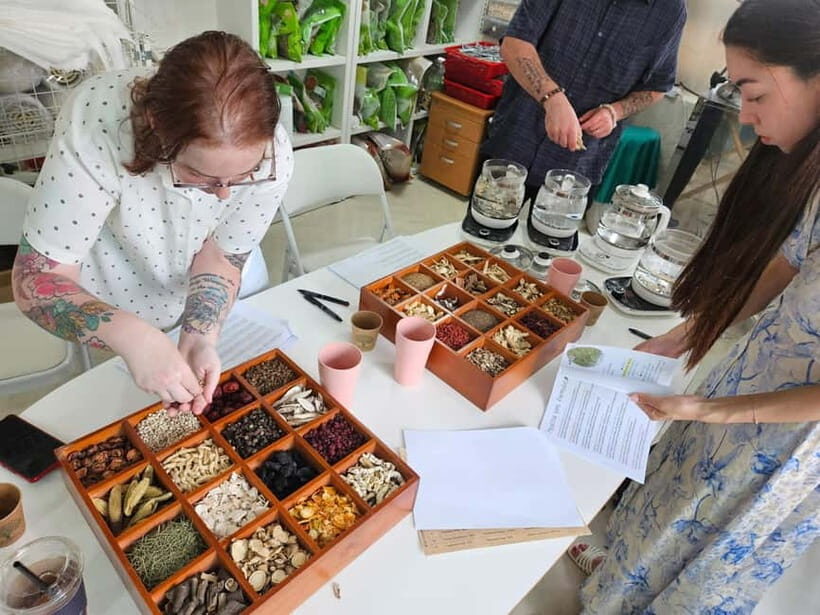
For $51, you’re not just paying for a generic “Korean culture” activity. You’re getting a guided museum visit, a structured lecture, relaxation time (foot spa or meridian massage), and a practical craft: making your own herbal tea blend. That combination matters because it turns a topic people talk about on Instagram into something you can actually do.
Also, the pacing is tight but not frantic. The whole thing is only about three hours, which is great if you want a meaningful cultural experience without eating your whole day. And because it’s a small group (up to 10), you’re more likely to get personal answers, not just listen from the back row.
One more plus: you’re meeting and starting at Seoul K-medi Center, so it’s easy to plug into a day already centered around that area. Just remember the session itself is run by Oriental health house company, and the program has its own flow inside the experience.
A few more Seoul tours and experiences worth a look
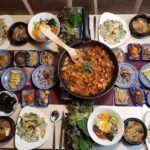


Oriental Medicine Museum: spotting the herbs behind the wellness talk
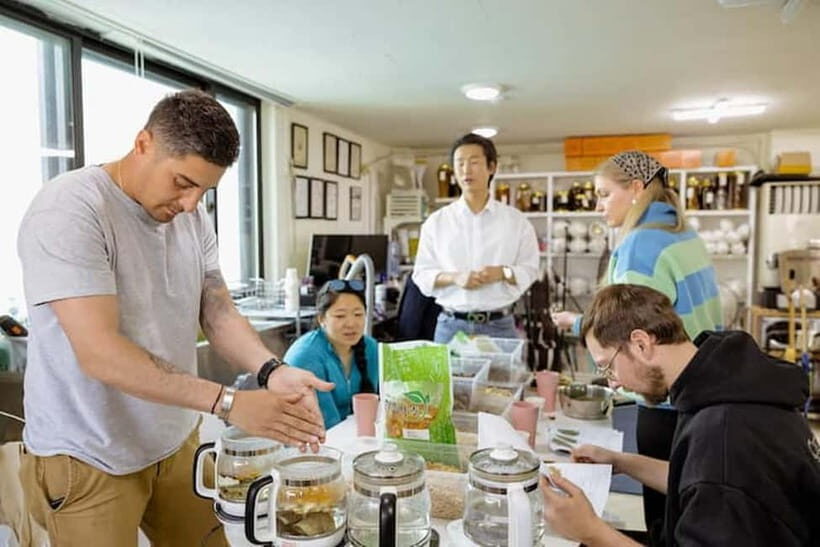
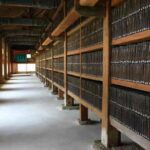
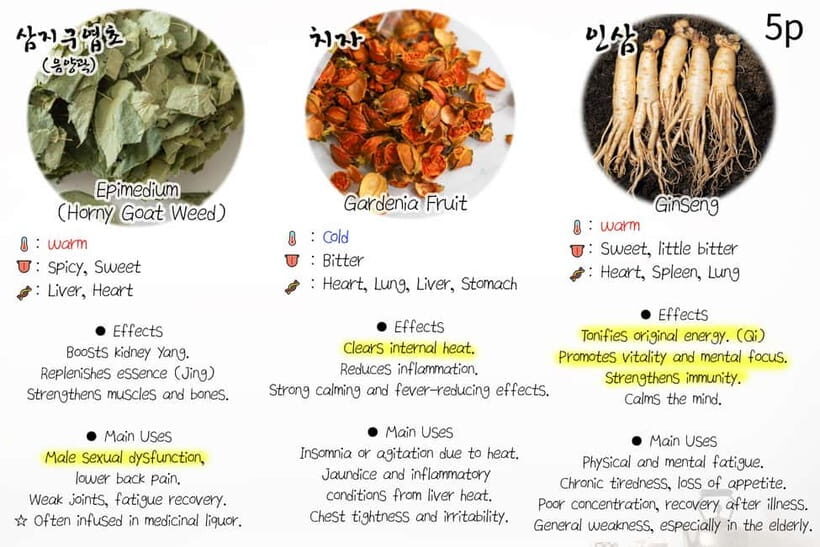
The core of the experience starts with a guided visit at the Oriental Medicine Museum. This is where the whole topic stops being abstract. You get to see a wide range of ingredients used in traditional practice—everything from well-known items like ginseng to more unusual categories like mineral medicine and animal medicine, plus herbs root and other medicinal materials.
The museum is also described as having a big collection—over 350 kinds of medicine—and that scale changes how the tour feels. Instead of a few “highlight” items, you get a sense of how broad Han medicine can be. It’s a good reality check if you’ve ever assumed Korean herbal medicine is just one or two popular teas.
Now, here’s the practical part: the museum includes plenty of information, but English text isn’t guaranteed in every display. One review note that stuck with me was the need to use a phone to translate. That’s not a deal-breaker, but it’s a mindset shift. Go in expecting a human guide to explain the meaning as you go, not a self-guided English museum.
If you want to get the most out of the museum, I’d do two things before you arrive:
- Have your translation app ready on your phone.
- Come with at least one question, even if it’s simple—like what a particular herb is used for in Han medicine terms.
Seoul herbal tasting and tea session: what you’re really learning
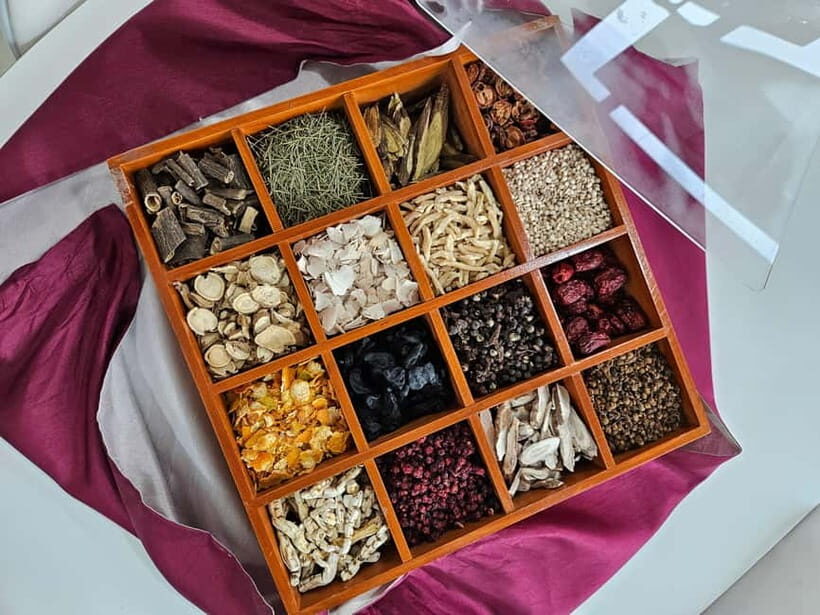
Before the deeper tea making, there’s a welcome and intro portion where you’ll be served a herb-based drink and given time for tea, guided explanations, and some shopping. That first block matters because it sets your palate and context. You’re not thrown into the workshop cold.
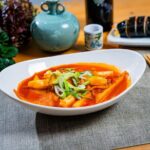
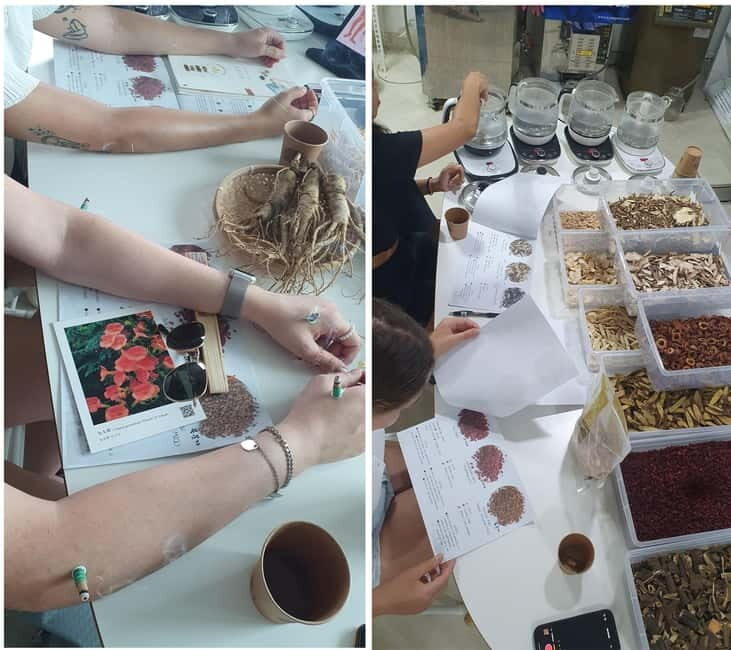
Then the experience moves into the tea class portion (about two hours). This is where you go beyond tasting and into understanding. You’ll make your own herbal tea, and you’ll also be able to try different herbal teas and drinks during the session.
A key detail I appreciate: the program doesn’t only frame herbs as flavor. It ties them back to Oriental medicine thinking and healing approaches. You’re also told about autotherapy—so the message is less I visited a museum and more I learned a system of ideas you can apply to your own routines.
One fun aspect: the class mentions you can also try acupuncture during the experience. The included items list doesn’t spell out acupuncture step-by-step, so I’d treat it as something the program offers during the class rather than assume it’s guaranteed in the same way as the massage/foot spa. Still, it shows the tour wants you to experience more than tea alone.
Foot spa vs meridian massage: the body-side payoff
The ticket includes the museum relaxation component, but which one you get depends on the season:
- Foot spa runs March to November
- Meridian massage is offered in winter
Either way, this is the part that turns the lesson into a physical experience. After you’ve spent time looking at ingredients and learning theory, your body gets the “okay, now feel it” moment. It’s also a nice payoff for people who like hands-on experiences more than lecture-heavy ones.
What to do with this information:
- If you’re visiting between March and November, plan for foot care and comfortable footwear. You’ll be in a setting focused on foot relaxation.
- If you’re visiting in winter, keep in mind it’s a massage component, so wear something that’s easy to move in and adjust.
I also like that the relaxation is included in the museum ticket. That makes the value feel more complete. You’re not paying extra just to “get the benefit.” You’re experiencing the concept end-to-end: herbs, theory, and then a body treatment.
The lecture on Han medicine theory and autotherapy
The tour includes an Oriental medicine lecture—plus time tied to that lecture as you move through the class portion. The goal is not just to tell stories about tradition. The program frames Oriental medicine as natural healing and emphasizes that people can learn and use it.
Autotherapy is the phrase you’ll hear, and it’s important because it shifts the focus from passively receiving treatments to actively applying ideas. You’re not being asked to become a practitioner overnight. You’re being given a new perspective on how health can be approached, using the concepts behind Korean herbal medicine.
This is also where the small-group setup helps. When you’re in a group of around 10, questions feel normal. Based on the tour’s emphasis on conversation and the guide’s passion, you should expect real back-and-forth—especially if you’re curious about how Koreans think about plants and healing.

Making your own herbal tea: the part you’ll actually use later
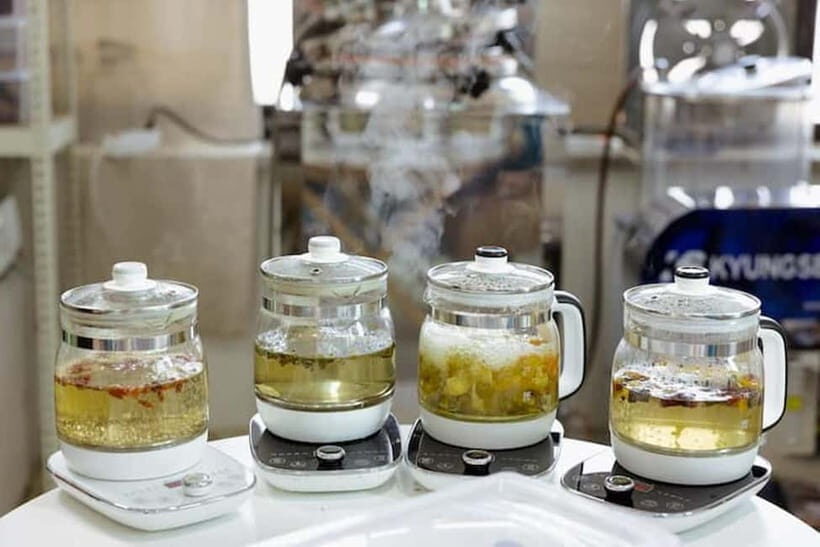
This is the practical highlight, and it’s one of the best reasons to book. You don’t just sample and leave. You make your own herbal tea blend as part of the class.
You’ll also get:
- herbal tea and drinks to try during the session
- a bottle you can take home
- herbs presented to you after the class
That “take it home” element is big. It turns the experience into a future ritual. Even if you only drink it occasionally, it keeps the memory alive—and it gives you a way to re-check your own reaction to the tea months later.
One more detail from the experience descriptions: the host will present herbs you want after the class. That suggests the tour is interactive, not purely one-way instruction. If you’re someone who likes bringing home items tied to what you learned, this fits your style.
And yes, you can usually shop for herbs—but herbs you can buy are not included. So think of the included herbs and presentation as part of your class experience, while extra purchases are for when you already know what you want.
Shopping time: what’s included, what costs extra
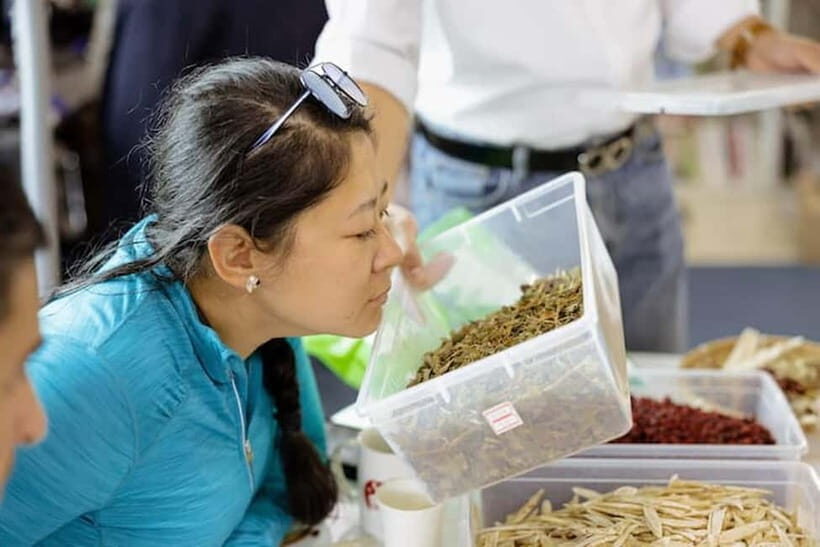
The tour includes time for shopping alongside the tea and guided portion at the Seoul K-medi Center segment. That’s useful if you want to compare what you tasted with what’s available to purchase later.
But keep expectations grounded:
- the tour’s included items cover entry, relaxation, lecture, tea tasting, and what’s handed to you as part of the class
- herbs you want to buy are not included
In practice, this is how most tea-and-medicine experiences work. You’re offered a guided learning path with some included herb elements, then you decide what to purchase. If you go in with a budget and a sense of what you’re trying to buy (or not buy), you’ll enjoy the shopping time without feeling pressured.
Who this is best for (and who might want something else)
This tour is a strong match if you:
- want an authentic taste of Korean medicine beyond a quick museum photo stop
- like hands-on activities (tea making and tasting)
- enjoy guided conversation and don’t mind a little translation help
- want a small-group experience with direct time for questions
It’s also appealing if you’re traveling as a couple or solo and want a structured half-day without the chaos of big group tours.
Who might be less thrilled:
- If you strictly need fully English written museum signage and fully English narration throughout, the language setup may feel limiting.
- If you’re expecting a huge sightseeing day, 3 hours is just enough for a focused specialty experience—not a full Seoul day.
My honest booking call
If you’re curious about Korean herbal medicine and you want something you’ll still use at home, this is a good bet. The combination of museum expertise, a lecture, tea making, and either foot spa or meridian massage is exactly the kind of value bundle that makes the price feel reasonable.
If you’re on the fence, I’d decide based on one question: do you want a hands-on health-and-tea experience, even if some museum text is Korean and you’ll use your phone to translate? If yes, book it. If you want a fully English museum walkthrough with minimal participation, look for a different format.
FAQ
How long is the Seoul herbal tea class & Korean Medicine tour?
The tour is about 3 hours.
Where do I meet for the tour?
You meet in front of the entrance of the museum area, starting at Seoul K-medi Center.
What relaxation is included: foot spa or massage?
Foot spa is included in summer (March to November). Meridian massage is included in winter.
Do I make herbal tea during the class?
Yes. You make your own herbal tea during the tea class portion.
What do I get to take home?
You receive a bottle to take your tea home, plus herbs presented after the class.
Is the tour guide available in English?
The tour includes a live guide in Korean and English.
What’s the group size?
The tour is a small group limited to 10 participants.
Are herbs for purchase included?
No. Herbs you can buy are not included in the tour price.
FAQ (Cancellations and timing)
What is the starting point return time?
The tour ends back at the meeting point.
Can I get a full refund if I cancel?
Free cancellation is available up to 24 hours in advance for a full refund.