REVIEW · SEOUL
Welcome to Seoul: Private Tour with a Local
Book on GetYourGuide →Operated by Lokafy · Bookable on GetYourGuide
Seoul clicks faster when someone local points things out. This private walking tour meets you at your hotel or nearby and turns day-one confusion into confidence with practical, on-the-street tips. I like that the focus stays human—how to live here for a few hours, not just how to photograph it.
Two things I really value: you get customization based on your interests, and you walk with an English-speaking host who can explain the why behind daily choices. Guides can even help you figure out essentials like a T-money card and how to use it on buses and the subway.
One consideration: it is a walking tour, and while your guide will recommend what to visit, entrance fees and getting around are not included. Plan for extra costs if your route includes palaces, markets, or tower entry.
In This Review
- Key highlights that make this tour worth your time
- A Private Local Meets You at Your Doorstep
- What the Walking Plan Looks Like (and How Customization Really Helps)
- Getting Around Fast: T-money, Subway, and Bus Confidence
- Palace and Old Seoul Areas: Gyeongbokgung and Bukchon Hanok Village
- Markets and Daily Life: Groceries, Gwangjang, and Local Food Rhythm
- Namsan Tower and Skyline Stops Without the Guesswork
- Food, Coffee, and Themed Stops Matched to Your Taste
- Price and Logistics: Is $55 a Good Deal?
- Practical Tips That Make the Tour Smoother
- Should You Book This Welcome to Seoul Tour?
- FAQ
- Where does the tour start?
- How long is the tour?
- Is the tour only walking?
- Is transportation included in the price?
- Are entrance fees and meals included?
- What about kids and discounts?
Key highlights that make this tour worth your time
- Hotel start, low stress: your guide meets you in your lobby or outside your accommodation.
- Small group feel: limited to 6 participants, so questions do not get lost.
- T-money and transit help: you can learn the system instead of wrestling it alone.
- Insider daily-life tips: grocery shopping, getting around, and neighborhood rhythm.
- Flexible route choices: your guide can build the day around what you care about.
A Private Local Meets You at Your Doorstep
The smartest part of this experience is the start. Instead of finding a tour desk and trying to decode directions, you get a local guide who meets you right at your hotel or accommodation. That first handoff matters because Seoul can feel big and logical until you are standing in the wrong place with a hungry stomach.
This tour is English-language, and it is designed for real-life travel questions. You can ask about where locals buy groceries, how to move between neighborhoods, and what to do first so you do not waste a perfect day on logistical mistakes. In some cases, guides like Brian Bae, Marina, Oscar, Erica, and Marie are specifically called out in guest experiences as particularly helpful with navigation and culture.
Also, you are not stuck in a crowd. With a small group (up to 6), it stays conversational. You can ask follow-ups like: Which station is easiest, where should I buy cards, or how do I order without playing guessing games.
You can also read our reviews of more private tours in Seoul

What the Walking Plan Looks Like (and How Customization Really Helps)

Your tour duration can range from 2 to 6 hours, depending on what you choose, and your guide builds the route around you. The tour can begin from your accommodation, or you can arrange to meet at a central landmark or intersection if that fits your day better.
Here is how customization tends to change the experience in a good way. If you care about history and classic Seoul, your guide may aim for major sights and nearby neighborhoods so you are not bouncing all over the city. If you care about modern culture, you might spend more time around areas that connect to today’s life, trends, and casual hangouts.
In plain terms, you are buying time and clarity. You get an outline of top things to do, but the order and focus can shift. That flexibility is especially useful on a first visit, when everything is interesting and your biggest problem is choosing what not to miss.
The walking style also keeps you moving at a human pace. You get to see the streets, storefronts, and rhythms between attractions. That matters in Seoul because the city is made of layers: palace-adjacent alleys, market blocks, and residential hills that feel totally different once you walk them.
Getting Around Fast: T-money, Subway, and Bus Confidence
One of the biggest stress reducers is learning the transit basics while you are already standing in the right neighborhood. Several guide experiences highlight help with T-money cards, including how to get them, how to add money, and how to use them on buses and the subway.
That may sound like a small thing, but it changes the rest of your trip. When you know how the card works, you stop thinking about fares and start thinking about where you want to go next. You also avoid that awkward moment of standing at a machine wondering which button matches your language settings.
You can also expect guidance on practical routing. Your guide can help you choose the most sensible way to move between areas based on your schedule and stamina. During the walking tour you can opt to take public transportation or a taxi at your own expense, and you can request a private car with prior notification if you need it.
Palace and Old Seoul Areas: Gyeongbokgung and Bukchon Hanok Village
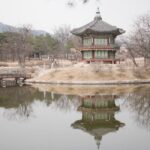
If your interests lean toward traditional Seoul, your guide may include stops like Gyeongbokgung Palace and Bukchon Hanok Village. These are not just postcard places. They are also helpful anchors for understanding Seoul’s geography, since nearby streets and neighborhoods connect them to everyday life.
At Gyeongbokgung, you get a big, structured sense of scale. Even if you do not go deep into every detail, it gives you an orientation point for the rest of the day. Then Bukchon Hanok Village adds contrast with its traditional-style homes and more intimate street feel. Walking between these areas helps you notice how Seoul mixes grand spaces with human-scale lanes.
Practical note: if your tour includes palace-area time, bring comfortable shoes and expect some walking even if the pace stays friendly. Also remember that entrance fees are not included as part of the tour package, so if you decide you want a specific attraction visit, you will cover entrance costs.
The upside is that you do not have to plan the sequence. Your guide can steer you toward a route that makes sense for your time window, instead of sending you on a zigzag path that drains your energy.
Markets and Daily Life: Groceries, Gwangjang, and Local Food Rhythm
I love tours that show daily life, because that is where you start feeling like you can handle a day on your own. This one leans into that through stops tied to neighborhood living—like where to buy groceries and how to find places that locals actually use.
Market time can be a highlight, and one route specifically includes Gwangjang Market. Markets like this help you understand what Seoul tastes like, but they also teach you how to move through a crowded, busy environment without getting overwhelmed. Your guide can point you toward stalls that fit your comfort level, and it becomes less about collecting random snacks and more about making smart choices.
Even if you skip markets, the grocery and shopping tips still matter. Knowing where to buy basics, how to think about packaged food, and what neighborhoods are convenient can save you both money and time later. You leave with more than photos—you leave with habits.
One small tradeoff: markets and food stops can slow the pace. If you are trying to fit in many big sights the same day, you might want to keep your route focused and let one market experience do the heavy lifting.




Namsan Tower and Skyline Stops Without the Guesswork
A common first big destination on many Seoul itineraries is Namsan Tower, and guide experiences mention going up there as a key request. Namsan is useful as a first-timer stop because it gives you a top-down view of where the city sits and how neighborhoods relate.
The value of having a guide is not only the arrival. It is the decision-making around the best way to get there, when to go for your schedule, and how to connect the tower with other nearby areas afterward. You also get help thinking through walking routes versus using transit or taxi, depending on weather and time.
If your day includes a tower stop, remember it is still part of a walking tour. Comfortable shoes matter. And like other attraction visits, entrance costs are not included in the base price.
Food, Coffee, and Themed Stops Matched to Your Taste
This tour can include food breaks and even more playful add-ons like lunch spots and themed cafes, depending on what you want. Guide experiences mention lunch as well as themed cafe time, which is a nice way to take a break while staying connected to local lifestyle.
Here is what I think makes the food part work: your guide can steer you based on your preferences, not a generic list. If you want something more traditional, you can lean that way. If you want a lighter coffee stop and a fun photo moment, you can shape the day accordingly.
Meals and drinks are not included, so you are choosing and paying for what you actually eat. That is not a downside—it is more freedom. It means you can control your budget and dietary comfort, instead of locking into a predetermined meal.
Also, if your guide includes a museum or street art area, that can broaden the day beyond monuments. One guide experience specifically mentions attention to art in a museum and street art, showing how the tour can flex beyond the classic hits.
Price and Logistics: Is $55 a Good Deal?
At $55 per person, you are paying for a local guide and a customized private walking tour. The group size limit (up to 6) helps keep it from feeling like a bus ride with footnotes. Hotel pickup is included, which saves you time and hassle—especially on a first day.
What is not included is just as important to understand. Entrance fees are not included, and neither are meals and drinks. Transportation around the city is also at your own expense. During the tour, you can choose public transit or a taxi, or request a private car with prior notification if needed.
So is it good value? For me, yes—if you treat the guide as a first-day advisor. If you show up ready to ask questions about transit, grocery shopping, and how to plan the rest of your stay, you likely save more time than you think. And with Seoul’s layers of neighborhoods, that time is real money.
Practical Tips That Make the Tour Smoother
Here are the little things that can make your day feel effortless rather than rushed.
Wear comfortable shoes. It is a walking tour, and the best route often involves stepping between neighborhoods on foot. Bring a way to pay for snacks and attractions since entrance fees and meals are not included.
If you plan to add an attraction, budget entrance costs for that stop. Your guide can help plan what fits your time window, but you will cover the entrance fee if you want to go in.
If you want more flexibility, you can request a specific time for the tour. And if you are coming with family, children under 3 can join free of charge, while children aged 3 to 12 get a 50% discount.
Lastly, English language support is available. If you have specific interests—palaces, markets, street art, culture, or even K-pop context—tell your guide early so the route can reflect that.
Should You Book This Welcome to Seoul Tour?
Book it if you want your first day to feel practical and guided. This is a good match for travelers who get overwhelmed by transit systems or who would rather learn how to live like a local than just collect landmarks.
Skip it only if you already have a tight plan and you know you will not use the guide for transit, grocery tips, or neighborhood navigation. Also, if you do not enjoy walking, keep in mind the entire structure is built around a walking experience, with optional transit or taxi only if you choose.
If you book, do one smart thing: come with 2 or 3 priorities. Palaces like Gyeongbokgung, a neighborhood vibe like Insadong, a market moment like Gwangjang, or a skyline stop like Namsan Tower—whatever matters most to you. With that direction, your local guide can stitch the day into something that feels like you planned it yourself.
FAQ
Where does the tour start?
The guide can meet you at your hotel or accommodation. They will meet you in the lobby or outside your accommodation. You can also arrange to meet at a central landmark or intersection.
How long is the tour?
It runs from 2 to 6 hours. Starting times depend on availability.
Is the tour only walking?
Yes, it is a walking tour, so comfortable shoes are recommended. You may have the option to use public transportation or a taxi during the tour at your own expense, and you can request a private car with prior notification.
Is transportation included in the price?
No. Transportation around the city is not included, even though the guide can help you decide between walking, public transit, or a taxi.
Are entrance fees and meals included?
No. Entrance fees, meals, and drinks are not included.
What about kids and discounts?
Children below 3 years old can join free of charge. Children aged from 3 to 12 get a 50% discount.