REVIEW · SEOUL
Seoul: Full-Day Royal Palaces Private Tour
Book on GetYourGuide →Operated by I LOVE SEOUL TOUR Co., Ltd. · Bookable on GetYourGuide
Royal palaces, markets, and one smooth plan. This full-day private tour strings together hotel pickup with the kind of spectacle you usually only catch in photos, like the Royal Guard Changing Ceremony, while also taking you to Seoul’s biggest traditional shopping stop. One drawback to plan around: you end at Myeongdong or City Hall (not your hotel), so you’ll want a simple plan for that final transfer.
I also like that you’re not just wandering. You get a live guide in English or Japanese, and the tour-style has a track record of guides like Heidi (fun, fluent English), Leo (patient, energetic), and Melvin (well-planned with lots of stories).
You’ll walk a decent amount, and the day runs rain or shine. If you’re the type who hates crowds at major sights, or you want zero structure, this pace may feel a bit scheduled.
In This Review
- Key points to know before you go
- How this Seoul royal palaces private day actually feels
- Pickup, minivan, and the “go-go” pace (in a good way)
- Cheongwadae (Blue House) photo stop: what you’re seeing and why it matters
- Gyeongbokgung Palace and the Royal Guard Changing Ceremony
- The ginseng stop at Cheongha Korea: more than a store photo-op
- Bibimbap lunch and how meal timing affects your energy
- Changdeokgung and UNESCO grounds (plus the Monday swap)
- Insadong Antique Shop Alley: souvenirs that don’t feel generic
- Hanok Village pause: Namsangol vs Bukchon by day
- Sungnyemun (Namdaemun) and the gate you can’t ignore
- Namdaemun Market: street food and everyday shopping energy
- Drop-off in Myeongdong or City Hall: plan your last leg
- Price and value: is $295 per person worth it?
- What to bring, how to prepare, and tiny details that matter
- Should you book this Seoul palaces private tour?
- FAQ
- How long is the Seoul Royal Palaces Private Tour?
- What meals are included?
- Where does hotel pickup happen?
- Where is the tour drop-off?
- What happens on Tuesdays and Mondays?
- Is the tour guided, and what languages are offered?
- Do I need to bring a passport or special clothing?
Key points to know before you go

- Hotel pickup from central Seoul keeps the day easy, with a fallback meet-up point if your hotel is hard to access
- Gyeongbokgung Palace + royal guard changing gives you a must-see, color-forward ceremonial moment
- Day-of-week swaps handle closures: Tuesdays trade palaces; Mondays switch shrines and neighborhoods
- Lunch is included, and you’ll stop for Bibimbap during the meal portion of the day
- Namdaemun Market and Seoul gates deliver real street-level Korea beyond the palace gates
- Rain or shine, with a private guide, so bring comfy shoes and keep your camera charged
How this Seoul royal palaces private day actually feels
Think of this as a guided route through Seoul’s most famous “time layers.” You start with palace grounds tied to the Joseon Dynasty, then you move into modern Seoul through shopping alleys and Namdaemun Market. The value here is that you’re moving with a local guide and air-conditioned minivan, so you’re not paying your energy tax to figure out logistics.
You also get fewer decision points than a DIY day. Someone else handles entrance fees, service fees, and the lunch stop, and you’re guided between scenes that can be confusing if you’re going on your own. For a first trip—or a second trip where you want a cleaner plan—this kind of structure is comforting.
At the same time, it’s still an 8.5-hour day with multiple stops. You’ll want realistic expectations: you can see a lot, but you won’t slow-walk everything like a weekend wander.
You can also read our reviews of more private tours in Seoul
Pickup, minivan, and the “go-go” pace (in a good way)
This tour includes hotel pickup from centrally located areas such as Gangnam, Myeongdong, Gwanghwamun, Itaewon, and Dongdaemun. If your hotel is difficult to reach, you’ll meet at the nearest central hotel or a nearby subway station. That’s important because Seoul hotels vary wildly in access, and a smooth pickup often makes or breaks a tour day.
You’ll travel by air-conditioned minivan, which matters because summer Seoul heat can turn outdoor walking into a sprint. Transfers are approximate and depend on traffic, so you should expect a day that flexes slightly.
Because it’s a private group, you can usually move at the guide’s pace without the friction of a large crowd. Still, be ready for the built-in rhythm of palaces: you’ll stop, walk, listen, take photos, and move on.
Cheongwadae (Blue House) photo stop: what you’re seeing and why it matters
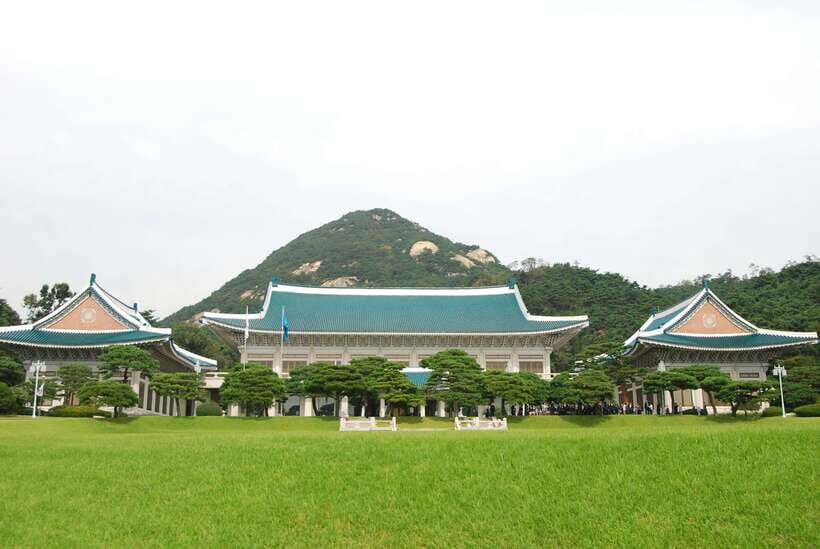
The day starts with a stop in front of Cheongwadae, also called the Blue House. Even if you don’t know the political history in detail, the symbolism lands fast: it’s the official residence of the President of South Korea. And yes, you’ll have time to grab a memorable souvenir photo in front of the iconic landmark.
This stop works well as a warm-up. It sets a tone for the whole day—Seoul isn’t just pretty buildings; it’s power, ceremony, and rules. After this, the tour shifts into royal authority with Gyeongbokgung.
Practical note: you should bring your passport as requested. For a short photo moment, it’s easy to forget that some sites and security routines involve paperwork, even when you’re just outside.
Gyeongbokgung Palace and the Royal Guard Changing Ceremony

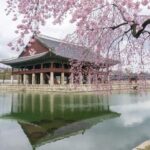
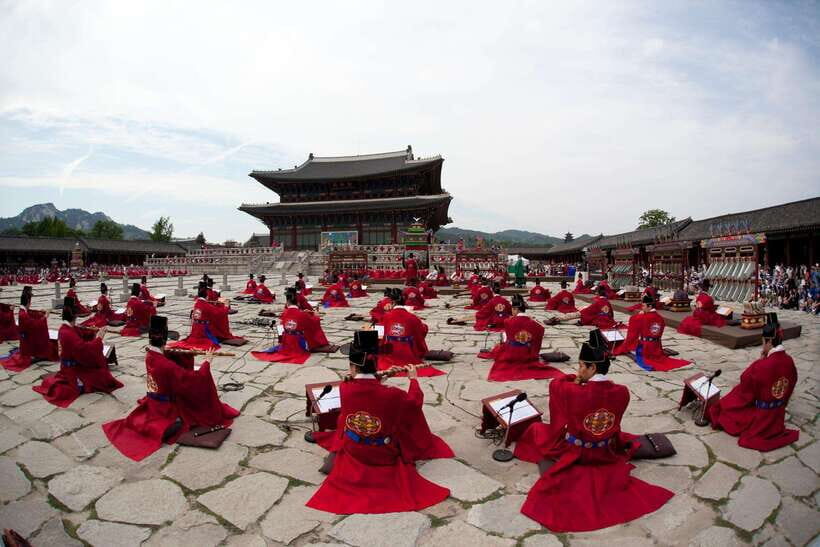
Gyeongbokgung Palace is the big name for a reason. Built in 1394 as the main palace of the Joseon Dynasty by King Taejo, it’s considered the oldest and one of the grandest of the period’s five palaces. Translation: this is where the Joseon “main character energy” is.
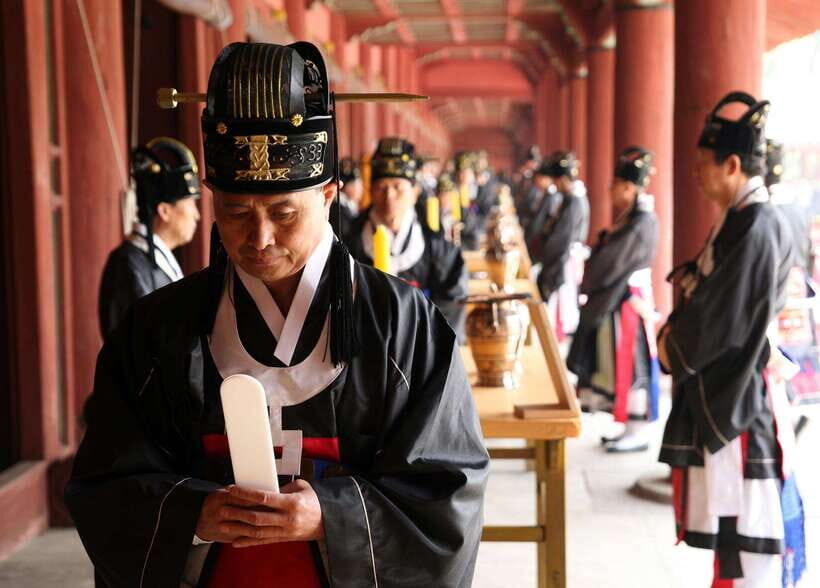
What makes the visit especially worth it is the Royal Guard Changing Ceremony. You get a rare traditional scene, and you should absolutely plan for photos. The guide emphasizes the uniforms, including the brilliant primary colors, which stand out against palace walls and open spaces.
A small heads-up: Gyeongbokgung Palace is closed on Tuesdays. On those days, the itinerary replaces it with a tour of Deoksugung Palace. So if your dates fall on a Tuesday, you’re still getting a palace centerpiece—just not the flagship main one.
The ginseng stop at Cheongha Korea: more than a store photo-op

After the morning palace focus, the itinerary moves to Cheongha Korea Ginseng. This stop can be polarizing if you hate shops on tours, but it’s also a chance to understand something Korea-specific that many visitors only hear about in passing: ginseng.
You’ll get context on how ginseng is described in traditional texts, including a mention in “Ji Jiu Zhang” during the Han dynasty of China as an herb used widely for many ailments. The point of the stop isn’t to turn you into a supplement expert—it’s to connect a recognizable product to a longer cultural story. The tour notes Korean ginseng showing strong adaptogenic properties in studies, which gives the explanation a modern framing too.
If you’re sensitive to sales pressure, you can handle this stop like a museum visit: look, ask one or two questions, and decide later. Drinks aren’t included on the tour, so if you want something to sip during the day, you may need to plan for that.
A few more Seoul tours and experiences worth a look



Bibimbap lunch and how meal timing affects your energy

Lunch is included, and the itinerary specifically mentions Bibimbap. That matters because palace days often mean you’re walking and standing in sun or shade. A real meal mid-day keeps the rest of the route enjoyable instead of grumpy.
Just be aware of the meal options. The tour includes lunch, and there’s also an option for three main meals if you select the appropriate plan (breakfast, lunch, and dinner). If you don’t select the three-meal option, you’ll still get lunch, but dinner/breakfast won’t be included.
Also: drinks aren’t included. That’s normal for tours, but it’s worth keeping in mind so you don’t end up paying surprise prices later just to stay comfortable.
Changdeokgung and UNESCO grounds (plus the Monday swap)
After lunch, you head to Changdeokgung Palace, which was used as the main palace by many Joseon kings and is very well preserved. It was registered with UNESCO in 1997, so you’re walking through a site that has been recognized for both cultural importance and preservation.
Changdeokgung is a strong contrast to Gyeongbokgung. If you liked the scale and ceremony of the first palace stop, this one tends to feel more refined and still deeply tied to court life. It’s also the kind of place where having a guide helps you notice patterns you’d otherwise miss.
But your day-of-week matters. On Mondays, the itinerary swaps Changdeokgung for Jongmyo Royal Shrine. Jongmyo is a different type of cultural stop than a palace, so it changes the mood of the day. The good news is that you’re not stuck with a closure; you still get a major heritage experience.
Insadong Antique Shop Alley: souvenirs that don’t feel generic

Next up is Insadong Antique Shop Alley—a street with art galleries, traditional tea houses, and antique shops. If you’ve only seen Seoul through modern malls, Insadong gives you a different shopping style: smaller storefronts, handmade crafts, and older-looking goods.
This is a good place to slow down for practical souvenirs. I like it because it’s not only about postcards. You can browse for items you’ll actually use at home, like traditional crafts or Korean-made design pieces, and the tea-house side makes it easier to take breaks without feeling like you’re abandoning the group.
Tip for your photo strategy: expect lots of storefront signage and indoor lighting. If you’re planning to photograph carefully, take a moment to check your phone camera settings before you step into darker shop interiors.
Hanok Village pause: Namsangol vs Bukchon by day

Then you get a breather from palace architecture with a Hanok Village stop. The itinerary visits Namsangol Hanok Village, where you’ll find five restored traditional Korean houses, plus a pavilion, a pond, and a time capsule.
On Mondays, the tour visits Bukchon Hanok Village instead. These places tell the same broad story—how people lived in traditional Korea—but the feel changes based on where you are in the city and how crowds flow around the area.
This is the part of the day where you should think “short walks, lots of angles.” Hanoks are photo-friendly, but paths can be narrow and stairs can appear quickly. Comfortable shoes aren’t optional here; they’re how you keep enjoying the day instead of counting blisters.
Sungnyemun (Namdaemun) and the gate you can’t ignore
The tour then heads to Sungnyemun, also known as Namdaemun Gate, one of the Eight Gates in the Fortress Wall of Seoul. It’s a symbol you’ll recognize even if you haven’t memorized Korean terms. The itinerary includes memorable photos of the gate area.
One timing detail matters: on Mondays, the gate is outside only. That means your best chance for a full experience may depend on which day you go, so don’t assume you’ll have the same access every time.
Still, even an outside viewing is a great visual anchor. It links palace Seoul to the larger city plan—walls, gates, and a capital shaped to control movement.
Namdaemun Market: street food and everyday shopping energy
Finally, the tour arrives at Namdaemun Market, described as one of the oldest and largest open-air traditional markets in Seoul. This is where you’ll shift from heritage buildings to real daily commerce: clothing, accessories, souvenirs, and street food.
This stop is great when you want to feel how Seoul operates on normal days. The market gives you variety in a short time, which is perfect when you’re already in a busy schedule. You can snack, browse, and pick a few items without committing to one long “shopping district” detour.
If you have dietary needs, tell the operator in advance. The tour asks you to share any specific dietary or other requirements such as allergies.
Drop-off in Myeongdong or City Hall: plan your last leg
The day ends with a drop-off at Myeongdong or City Hall, depending on your preference. It’s not a hotel drop-off, so think ahead about your exact route afterward—especially if you plan to meet someone or catch a late dinner.
This is one reason I’d recommend this tour most for trips where you’re staying in or near those areas, or where your next plan is flexible. If your hotel is far from Myeongdong/City Hall, build in extra time for your final transfer.
Price and value: is $295 per person worth it?
At $295 per person, this isn’t a budget tour. It’s priced for convenience and a guided day that keeps entrance fees, service fees, and lunch covered. When those costs add up, the sticker shock softens fast—especially if you’d otherwise spend time buying tickets, hunting down opening hours, and juggling transit.
You’re also paying for:
- hotel pickup and minivan transport
- a local guide (English or Japanese)
- entrance fees and tickets
- lunch
If you’re coming to Seoul with limited time and you want the “highest probability” highlights—Gyeongbokgung, royal ceremonies, Insadong, Hanok village, Namdaemun—then a private, structured route can be a smart use of your travel hours.
If you already know exactly where you want to go, and you prefer to set your own pace without any scheduled stops, you might do just fine going DIY. But for first-timers, or anyone who wants fewer headaches, this tour-style is the kind you appreciate more the busier Seoul gets.
What to bring, how to prepare, and tiny details that matter
Bring comfortable shoes and comfortable clothes. Expect walking between palace grounds and market areas, plus time outdoors for gate views and photo moments.
A camera helps a lot, especially for the Royal Guard Changing Ceremony where the uniforms are the star. If you wear or carry something you can take out quickly, you’ll thank yourself later.
This tour takes place rain or shine, so a light rain layer can turn a miserable drizzle into an easy photo day. Also, intoxication isn’t allowed, and unaccompanied minors aren’t allowed—so it’s aimed at adult-friendly, responsible sightseeing.
Finally, keep an eye on your email after booking. The tour confirmation is sent soon after, and you should check your inbox at least a day before the tour.
Should you book this Seoul palaces private tour?
Book it if you want a guided, high-hit-rate day with hotel pickup, entrance fees handled, lunch included, and the big ceremonial moments like the Royal Guard Changing Ceremony. It’s a strong fit for first-time Seoul visitors who don’t want to spend vacation time solving transit math.
Skip it (or rethink it) if you’re price-sensitive, allergic to shopping stops (even educational ones like the ginseng stop), or you hate fixed schedules. Also consider that you’ll end at Myeongdong or City Hall, so your final-plan logistics should be simple.
FAQ
How long is the Seoul Royal Palaces Private Tour?
The tour runs for about 8.5 hours. Exact start times depend on availability.
What meals are included?
Lunch is included. If you choose the option that includes 3 main meals, breakfast, lunch, and dinner are included.
Where does hotel pickup happen?
Pickup is offered from centrally located Seoul hotels such as Gangnam, Myeongdong, Gwanghwamun, Itaewon, and Dongdaemun. If your location is hard to access, the guide will meet you at the nearest central hotel or nearest subway station.
Where is the tour drop-off?
At the end of the tour, you’ll be dropped off at a separate location, either Myeongdong or City Hall, based on your preference.
What happens on Tuesdays and Mondays?
Gyeongbokgung Palace is closed on Tuesdays, so it’s replaced with Deoksugung Palace. On Mondays, Changdeokgung is replaced with Jongmyo Royal Shrine, and Namsangol Hanok Village is replaced with Bukchon Hanok Village. Sungnyemun Gate is outside only on Mondays.
Is the tour guided, and what languages are offered?
Yes. You’ll have a live local guide, available in English and Japanese.
Do I need to bring a passport or special clothing?
You should bring your passport, and wear or pack comfortable shoes and comfortable clothes. The tour runs rain or shine.