REVIEW · SEOUL
Private DMZ(Demilitarized Zone) Tour with DMZ experts
Book on Viator →Operated by Here Korea Travel · Bookable on Viator
The DMZ feels close enough to touch. This private Seoul tour pairs DMZ experts with a smooth day built around the real viewing points, not just bus-window sightseeing. I also like that you travel in a comfortable private vehicle with bottled water, so you stay relaxed for the long checkpoints ahead.
I love the way the itinerary is truly personalized, with time that can shift based on your interests. Korean BBQ is folded in as part of the day, so you don’t end up searching for food while other groups move on.
One thing to keep in mind: DMZ access runs on strict rules and time limits in certain areas, so delays or waiting can happen when schedules get tight.
In This Review
- Key highlights that matter
- Why this DMZ tour works better than a rushed day trip
- Getting from Seoul to the DMZ: pickup, timing, and what to expect
- Stop 1 at Imjingak Pyeonghoa-Nuri Park: your DMZ orientation before the serious stuff
- Bridge of Freedom at Imjingak Peace Park: short, symbolic, and easy to miss if you rush
- The DMZ core day: how the “weapons-free buffer zone” becomes real
- The Third Tunnel: the part that feels physical
- Tongilchonan-gil: the quick snack-and-souvenir break that keeps the day human
- Dora Observatory: seeing North Korea with your own eyes
- Korean BBQ included: a lunch stop that keeps your energy up
- Optional additions: War Memorial and Gyeongbokgung Palace if your day allows
- Guides: what the best ones do for your actual experience
- Price and value: is $250 per person fair?
- When to book and how far ahead you should plan
- What to pack and how to stay comfortable
- Who this private DMZ tour is best for
- Should you book this DMZ private tour?
- FAQ
- FAQ
- What time does the tour pick me up in Seoul?
- How long is the private DMZ tour?
- What’s included in the price?
- Are tickets included for the DMZ stops?
- Is the itinerary flexible on a private tour?
- Do you offer Korean BBQ, and can vegetarians join?
- What’s not included?
Key highlights that matter
- DMZ experts guide you at the right stops so you understand what you’re looking at, not just where it is
- Hotel pickup and drop-off plus an air-conditioned private ride keeps the day practical
- Civilian Control Zone time limits mean your schedule matters, and you’ll follow instructions closely
- Third Tunnel + Dora Observatory give you two of the most intense “see it to believe it” experiences
- Korean BBQ included (with a vegetarian option available) so food fits the itinerary, not the other way around
Why this DMZ tour works better than a rushed day trip

A DMZ day can feel like two different trips at once: part history lesson, part security operations. That’s why the guide type matters. Here, you’re with DMZ experts (English-speaking) who can explain what you’re seeing—especially the parts that are easy to misunderstand if you only read a sign and move on.
I like that this tour is set up as a private experience. That doesn’t just mean less crowding. It means your pace and priorities count. If you want more explanation at a specific point, you can generally lean into it. If you’re more photo-focused, you can keep things moving without feeling like you’re holding up a group of strangers.
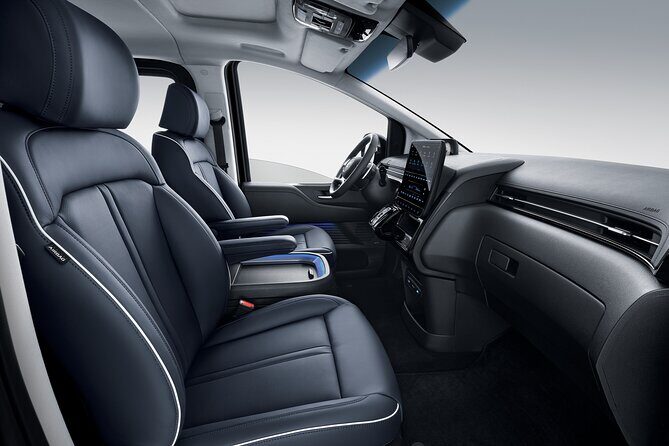
The other practical win: the private vehicle from Seoul. The DMZ is far enough that travel time can start chewing up your energy. With bottled water and a comfortable ride, you’re arriving ready to focus, not already fried from the commute.
You can also read our reviews of more private tours in Seoul
Getting from Seoul to the DMZ: pickup, timing, and what to expect
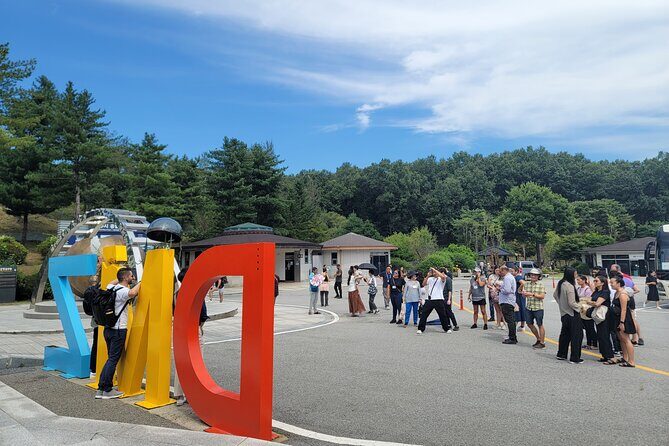
Your day starts with hotel pickup at 09:00 and transport to Paju for the DMZ route. The total duration is typically 6 to 8 hours, which is long enough to hit the key sites but not so long that you’re stuck waiting around all day.
In real life, DMZ timing is driven by access rules. You may have to wait for buses and for entry procedures. That’s normal. What helps is having someone who can handle the flow—where to line up, what the schedule means, and how to use the time you’re given.
Also note the tour’s flexibility. The core DMZ sequence is built around the major sites, but the overall day can shift based on what makes sense for your interests and timing. For example, the tour overview includes possible additions like the War Memorial of Korea and Gyeongbokgung Palace as substitutions, so your day may expand beyond the DMZ proper if everything lines up.
Stop 1 at Imjingak Pyeonghoa-Nuri Park: your DMZ orientation before the serious stuff
Imjingak Pyeonghoa-Nuri Park is the kind of starting point that makes the rest of the day click. It’s often described as the must-visit area because it links into the bigger DMZ peace-tour circuit.
You’re looking at a cluster of major DMZ-related elements, including:
- the 3rd infiltration tunnel
- the Dora Observatory viewing area
- Unification Village (including a farmers’ market stop)
One important detail: you’re limited to 3 hours in the Civilian Control Zone. That doesn’t mean you’re trapped forever in one place, but it does mean you should treat the DMZ day like an operations schedule. Your guide will help you use that time well, instead of wasting it.
This is also where you’ll get a sense of the DMZ as something lived around, not just fenced off. Even before you get the main tunnel or observatory views, you start understanding why certain viewpoints exist and what they’re intended to show.
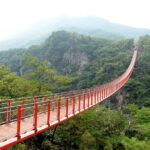
Bridge of Freedom at Imjingak Peace Park: short, symbolic, and easy to miss if you rush
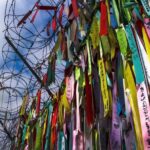
Next is the Bridge of Freedom, located at Imjingak Peace Park. The stop itself is brief—about 5 minutes—but it’s included for a reason: it’s tied to the connection point imagery that people associate with DMZ peace messaging.
Because the time is short, this is one of the stops where your reaction depends on whether you slow down for it. If you’re the type who shoots a quick photo and moves, you may miss the meaning behind it. A good guide will help you frame what you’re seeing in a way that makes the symbolism land.
The DMZ core day: how the “weapons-free buffer zone” becomes real
Now you’re moving into the DMZ proper. The tour segment at DMZ is listed around 5 hours, with entrance included.
Here’s what I think makes a private DMZ day valuable: you’re not just passing through. Your guide can connect each viewpoint to the bigger story—why this area became the buffer, what it does today, and what North/South separation looks like from a visitor’s perspective.
You’ll still spend time in controlled logistics: buses, entry processes, and guided movement. That’s part of the experience. The upside of doing it with DMZ experts is that you’re less likely to feel lost. Instead of just saying, Wow, that’s close, you’ll be able to say, That’s why that view is set up that way.

The Third Tunnel: the part that feels physical
The Third Tunnel stop is where many people feel the DMZ shift from concept to construction.
N. Korea dug the tunnel after the Korean War with the intention of invading South Korea. The tour includes a chance to go down the tunnel yourself, so you don’t just watch it—you experience the scale and claustrophobic reality of it. There’s also a documentary film during this segment, which helps put the tunnel in context.
You’ll get about 1 hour at this stop, including admission. Because you’re physically going into a tunnel, it’s a place where your comfort planning matters more than at other sites:
- wear shoes that you can walk in confidently
- expect low light and a tight feel
- move carefully and follow staff directions
If you’re someone who prefers to learn by seeing, this is often the most memorable stop of the entire day.
Tongilchonan-gil: the quick snack-and-souvenir break that keeps the day human
After the tunnel, there’s a short stop at Tongilchonan-gil, described as the last stop for souvenirs and snacks. It’s about 15 minutes, with admission ticket free.
This isn’t the main event, but it matters. After a tunnel and a heavy day of checkpoints, a brief break is what keeps you from feeling like the day is only stress and information. Use it to grab something small, check your photos, and reset.
Dora Observatory: seeing North Korea with your own eyes
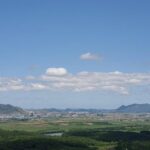
The tour then goes to Dora Observatory, where you can see North Korea with your naked eyes. This is the classic DMZ viewpoint people think about, and it’s included with 30 minutes on site and admission included.
You’ll also see the propaganda village area as part of the observatory context. Expect this stop to feel emotional, even if you came for history or photos. The DMZ isn’t just geography here—it’s a human boundary made visible.
Practical note: observatory viewing is weather-dependent. If the day is clear, you’ll likely enjoy the views more. If visibility is limited, you’ll still get the context and the framing from your guide, but the sight lines can feel less dramatic.
Korean BBQ included: a lunch stop that keeps your energy up
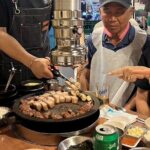
Lunch is handled with Korean BBQ included. That matters for value and pacing. DMZ days can go long, and finding a reliable meal near the correct timing window isn’t always easy. Having lunch planned reduces stress.
The tour also mentions a vegetarian option available if you advise during booking. That’s a genuine quality-of-life detail, because BBQ days are often meat-centered unless the organizer plans ahead.
Some tours treat lunch like a checkbox. This one treats it as part of the flow. You’ll likely feel more like a visitor enjoying the day, not a passenger in transit.
Optional additions: War Memorial and Gyeongbokgung Palace if your day allows
The overview for this tour notes that other stops can be substituted based on your tastes and interests, including:
- War Memorial of Korea
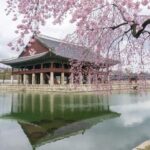
- Gyeongbokgung Palace
I like this flexibility because it lets you shape the day into either:
- a tighter DMZ-focused experience, or
- a bigger Seoul-and-DMZ context combo
If you’re visiting from abroad and want one extra anchor point beyond the DMZ, these kinds of additions can make the day feel more complete—especially if you like museums and palace architecture.
Guides: what the best ones do for your actual experience
One of the most consistent reasons people rate this type of private DMZ tour highly is the guide quality. In particular, several named guides were praised for being personable, punctual, and strong on DMZ background.
Good DMZ guides do three things well:
- they explain what each stop is designed to show
- they help you wait without wasting time
- they adjust on the fly when rules change or timing compresses
You’ll notice in the feedback that guides like Harry, Junie, Taylor, Christine, Kevin, Jake, Sophia, Jones, Robert, and Vincent were specifically credited with making the day smooth, understandable, and worth the money. That’s exactly what you want when the itinerary includes both tense logistics and intense viewing.
Price and value: is $250 per person fair?
At $250 per person, this isn’t a budget activity. But when you look at what’s included, the price starts to make more sense:
- hotel pickup and drop-off
- a private vehicle with fuel/parking/tolls covered
- bottled water
- DMZ experts as your guide
- entrance fees for key DMZ sites
For me, the value case depends on two things. First, if you want a private day with flexible pacing, this price can be reasonable compared to DIY logistics plus paid guided portions. Second, DMZ days can go sideways without the right guidance—ticket handling, time limits, and where you’re allowed to go. Paying for someone who’s used to the process is a form of insurance.
If you’re traveling with a group and can share the private vehicle more effectively, the cost can feel even better. If you’re solo, it still may be worth it if you want a high-confidence, low-stress experience.
When to book and how far ahead you should plan
This tour is often booked about 47 days in advance on average. That’s a helpful hint: planning ahead is smart for DMZ access constraints.
You should also mentally prepare for changes based on operational rules. DMZ sites run on procedures, and some days can be more complex than others due to holidays or weather. A flexible guide helps, but even the best operation can’t ignore security logic.
What to pack and how to stay comfortable
The tour is mostly guided and seated between stops, but you’ll have a tunnel visit and observatory time. Keep it practical:
- wear comfortable shoes (tunnel walking requires sure footing)
- dress in layers (observatories can feel chilly even when Seoul is mild)
- bring a light rain layer if weather is uncertain
- keep small essentials accessible for quick snack/souvenir time
If you’re sensitive to enclosed spaces, plan how you’ll handle the tunnel segment. You’ll have to go down yourself, so don’t assume you can just watch from outside.
Who this private DMZ tour is best for
This is a strong fit if:
- you want context, not just checkpoints
- you’re traveling with family and prefer a structured, guided day
- you care about learning what you’re seeing at each DMZ site
- you want the comfort of a private vehicle instead of piecing together transit
It may be less ideal if you hate waiting or you’re strictly on a fast itinerary with no buffer. DMZ access doesn’t work like a normal sightseeing schedule.
Should you book this DMZ private tour?
If you want a DMZ day that feels organized, explainable, and worth the effort, I’d say yes. The mix of DMZ experts, included DMZ entrances, and a full private ride from Seoul is exactly what helps you get more out of the time you have in the restricted areas.
Before you book, consider this: you’re signing up for controlled access and time limits, not just free roaming. If you can handle a day that follows rules and you’ll enjoy the learning side of the experience, this tour is a solid choice.
FAQ
FAQ
What time does the tour pick me up in Seoul?
Hotel pickup is at 09:00, then you travel to Paju for the DMZ portion.
How long is the private DMZ tour?
The duration is about 6 to 8 hours.
What’s included in the price?
Included items are an air-conditioned vehicle, a DMZ experts tour guide, DMZ entrance fees, hotel pickup and drop-off, bottled water, and tour vehicle costs like fuel, parking, and tolls.
Are tickets included for the DMZ stops?
Yes. Entrance tickets are included for the DMZ portion and stops like the Imjingak sites, the Third Tunnel, and Dora Observatory, while some short stops (like the Bridge of Freedom and Tongilchonan-gil) are free.
Is the itinerary flexible on a private tour?
Yes. The itinerary is described as flexible because it’s a private tour, and other stops may be substituted based on your interests.
Do you offer Korean BBQ, and can vegetarians join?
Korean BBQ is included, and a vegetarian option is available if you advise at booking.
What’s not included?
Meals aren’t included beyond the Korean BBQ. Personal expenses are also not included.