REVIEW · SEOUL
Private DMZ Tour
Book on Viator →Operated by SEOUL CITY TOUR CO. LTD. · Bookable on Viator
A divided line, explained up close. This private DMZ day pairs hotel pickup with an expert guide who shapes the story around what you want to see: Imjingak Park, Freedom Bridge, the 3rd Infiltration Tunnel, and Dora Observatory. My only heads-up is that access and schedules can shift due to weather or military conditions, so you may not see everything every day.
You drive in an air-conditioned coach and spend about six hours on the move, but the walking is the real workout, especially inside a steep, narrow tunnel. Photos are only taken when your guide says it’s okay, and the tram and lunch aren’t included—so plan to eat beforehand or bring a little buffer.
The private format matters here. Instead of being swept along, you get a guide focused on your questions and your pace, while still hitting the main DMZ stops like the DMZ Exhibition Hall.
In This Review
- Key highlights at a glance
- From Seoul Hotel to the DMZ: Why This Tour Works
- Imjingak Park: Artifacts That Make the Conflict Feel Real
- Freedom Bridge: The POW Story You Can’t Unsee
- The 3rd Infiltration Tunnel: The Physical Part (Plan for It)
- Dora Observatory: Binocular Views and a Different Kind of Silence
- DMZ Exhibition Hall: Where the Pieces Click
- Price and Logistics: Is $240 a Good Value?
- Who This Private DMZ Tour Fits Best
- Guides Make the Difference: What You’ll Feel on the Day
- Should You Book This Private DMZ Tour?
- FAQ
- What time does the Private DMZ Tour start?
- How long is the tour?
- Is hotel pickup and drop-off included?
- Do I need a passport?
- Is lunch included?
- What should I wear for the DMZ sites?
- Is the tram included?
Key highlights at a glance
- Hotel pickup and drop-off make this an easy start in Seoul
- Admission fees included, so you’re not chasing tickets midway through the day
- Freedom Bridge and POW history get explained in plain, human terms
- 3rd Infiltration Tunnel brings the action down to your knees and legs
- Dora Observatory gives you binocular views toward North Korea
- Guided DMZ pacing helps you make sense of what you’re seeing
From Seoul Hotel to the DMZ: Why This Tour Works
A DMZ visit is one of those days where logistics matter almost as much as the history. This tour is built around a smooth, guided route that starts with pickup from your Seoul hotel and uses a comfortable, air-conditioned coach for the drive.
That setup is the difference between a stressful day and a day where you can actually pay attention. Your guide is there to explain the dividing line on the way in, so the “what am I looking at?” questions get answered before you reach the sites. You’re also not left figuring out the order of stops or what each place is meant to show.
The tour runs about 6 hours (starting at 8:00 am). It’s not a “sit and stare” outing. You’ll be walking at multiple points, and one segment—the tunnel—requires extra effort.
You can also read our reviews of more private tours in Seoul
Imjingak Park: Artifacts That Make the Conflict Feel Real
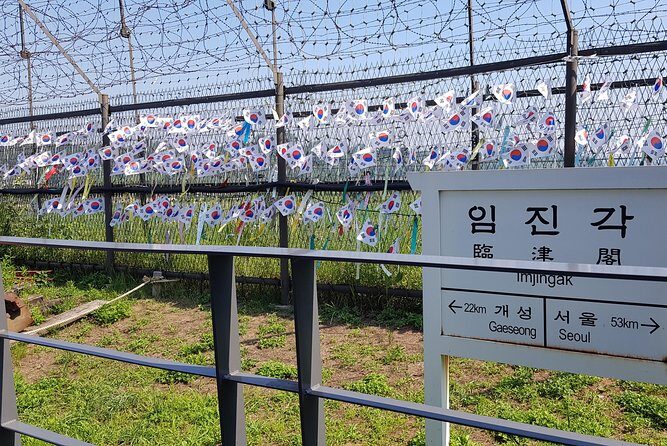
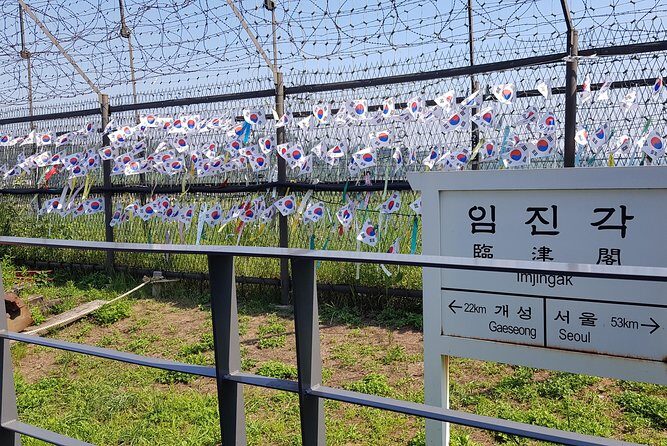
One of the most powerful early stops is Imjingak Park, sitting along the Imjin River. Before you reach the high-profile border sites, this area gives you physical reminders of the Korean War: artillery and war artifacts.
I like this part because it helps you get grounded. The DMZ can feel abstract until you see objects tied to actual battles, returns, and losses. Your guide’s commentary helps connect the artifacts to the broader story of division and ceasefire, rather than treating everything like a museum display.
Practical tip: dress for the weather and the walk. This is outdoors for part of the time, and later the day can get more physical with stairs, ramps, and confined spaces.
Freedom Bridge: The POW Story You Can’t Unsee
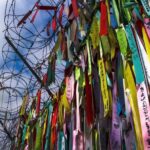
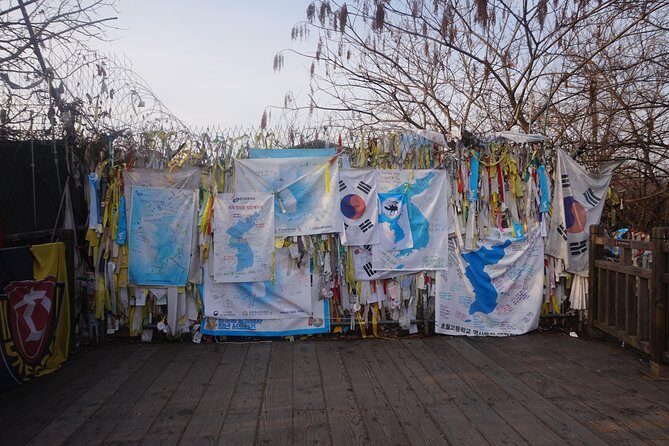
Next comes Freedom Bridge, one of the most emotional border-related moments you’ll hear about on a DMZ day. Your visit focuses on how nearly 13,000 Korean POWs crossed here on their return back to South Korea.
This isn’t just trivia. It’s the kind of detail that turns a landmark into a human story: families, separation, and the strange pause of waiting for peace that never fully came.
The guide’s job is to slow the moment down so it makes sense. You’ll be encouraged to see the bridge not as a single photo spot, but as a point of return—tied to the war’s aftermath and the reality of two systems staying apart.
If you’re the type who likes context, this stop is a win. If you’re less into history, it can still hit, because it’s so tied to lived experience.
The 3rd Infiltration Tunnel: The Physical Part (Plan for It)
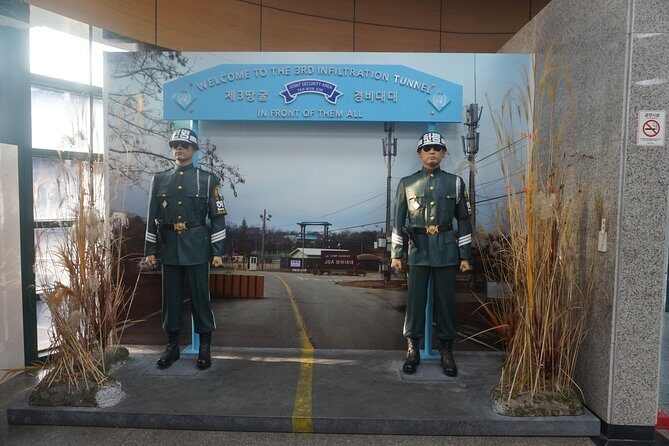
Then you get to the part that most people remember for the wrong reason first: it’s physically demanding.
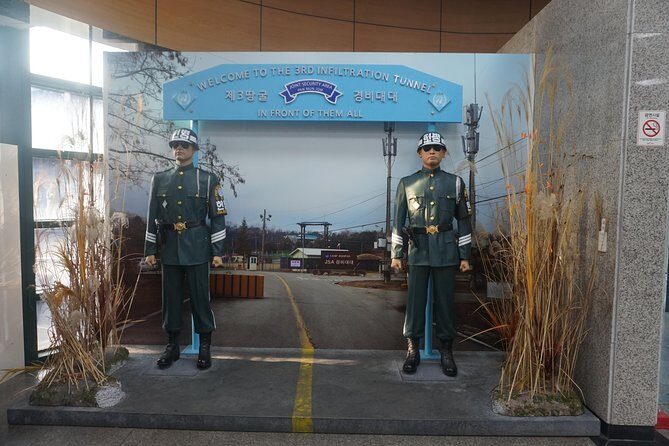
The 3rd Infiltration Tunnel runs beneath the border area of North and South Korea. You’ll see where South Koreans have blocked the actual Military Demarcation Line, and the setting makes the whole “tunnel warfare” idea feel less like a headline and more like a real underground route.
Here’s what you should take seriously from the start:
- Expect moderate walking through a steep and narrow tunnel
- Comfortable clothes and shoes are recommended
- There’s some crouching involved for taller guests
If you’re traveling with older family members or anyone with mobility issues, this is the segment you should think about most. Even when you’re doing fine physically, the tunnel’s shape changes your pacing. It also makes you look down more than you’d like, which is great for keeping your attention on the guide’s explanation.
Also note the photo rule: you’ll need to follow your guide’s instructions about when photos are allowed. In tight, controlled areas, it’s usually less “freedom” and more “timing and safety.”
Dora Observatory: Binocular Views and a Different Kind of Silence
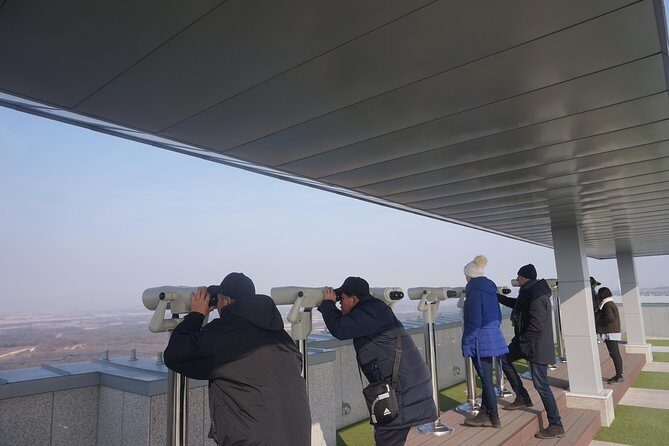
One of the highlights mentioned for this tour is Dora Observatory, where you can look through binoculars toward North Korea.
This stop plays differently than the tunnel and artifacts. Instead of being about objects you can walk through or stand next to, this is about distance—about what you can see when the border is far enough to feel unreal.
I like Dora Observatory for travelers who want a DMZ experience that feels less like a lecture and more like a moment. You’ll get a practical tool (binoculars) and a guide who frames what you’re looking at, so it doesn’t turn into guesswork.
If the weather is hazy or rainy, visibility can be limited. In those cases, your guide may use explanations and references to help you make sense of the view you can’t fully see.




DMZ Exhibition Hall: Where the Pieces Click
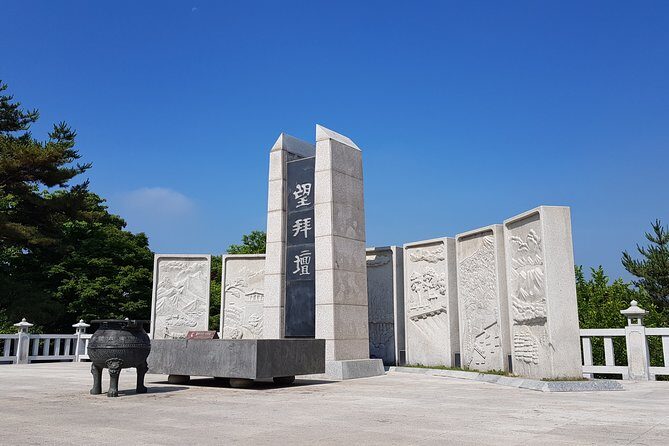
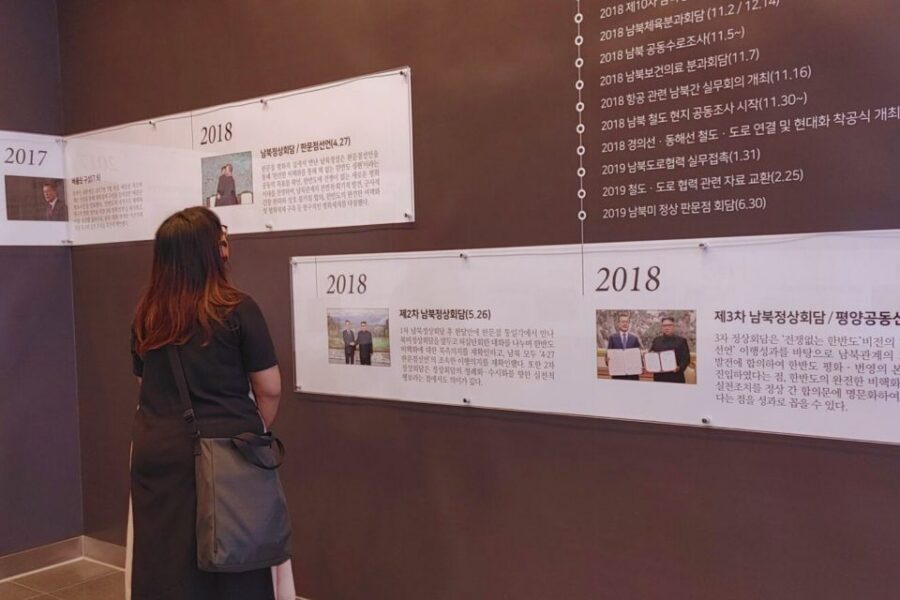
The DMZ Exhibition Hall is where the day starts to connect. It’s one thing to stand near border-adjacent sites and another to understand why those sites exist in the first place.
This is the kind of stop that pays off if you’re the sort of person who asks questions. Even if you’re not, it helps you avoid the common DMZ problem: leaving with a bunch of images but not much meaning.
A good guide will use the exhibition time to connect your earlier stops—Imjingak Park artifacts, the symbolism of Freedom Bridge, and the purpose of the tunnel. That flow is what turns a checklist tour into a coherent story.
Price and Logistics: Is $240 a Good Value?
At $240 per person, this is not a budget excursion. So I judge value by what’s actually included and what’s likely to cost you extra elsewhere.
What you get built in:
- Private guide
- Round-trip transport from Seoul
- Hotel pickup & drop-off
- Admission fee included
- Mobile ticket
- Group discounts are available
What can add cost or time:
- Tram not included
- Lunch not included
For me, the best value indicator is admission fees included plus pickup and drop-off. DMZ logistics can be fiddly. When those parts are organized, you spend your energy on the history instead of on transit puzzle-solving.
One more realistic consideration: access isn’t totally in your control. The tour notes that if part of the itinerary is cancelled due to unexpected military conditions or local circumstances, there’s no refund for that cancelled portion. In other words, think of this as a best-effort day that depends on conditions outside anyone’s control.
If you’re visiting in a tight schedule and want the lowest friction version of the DMZ day, the private format can be worth the price—even more if you like asking questions.
Who This Private DMZ Tour Fits Best
This tour is a strong match if you fall into one (or more) of these groups:
- History-minded travelers who want context, not just photos
- People who value a guide-led pace, especially for questions and explanations
- Travelers who want a guided route to the core DMZ highlights in one day
- Anyone who wants that “South Korea looking at North Korea, from the edge of reality” perspective
It’s also a good fit for couples and small groups who want more conversation time than you get with standard bus tours.
The biggest mismatch is for travelers who can’t manage a steep, narrow tunnel. Even with careful guidance, the tunnel requires stamina, and taller guests may need to crouch. If you’re unsure, this is the one item worth planning around before booking.
Guides Make the Difference: What You’ll Feel on the Day
A private DMZ day lives or dies by how the guide tells the story. In the feedback tied to this operator, you’ll see a pattern: many guests highlight guides who keep the day organized, handle questions well, and make the history feel human.
Names that show up in customer feedback include Lloyd, Sally, Jun, Dora, A.J., Felicity, Ga young, Lizzy, DK, Grace, Brian, and Laura. Different personalities, same idea: you get more than facts. You get explanations paced to your group, plus the small courtesies that matter on a long, controlled itinerary.
Even the practical touchpoints get praised—like helping manage comfort during the day or staying with you during the portions where logistics require coordination. That’s a real quality factor for a trip like this.
Should You Book This Private DMZ Tour?
Book it if you want the easiest, most guided way to see the DMZ’s major stops—Imjingak Park, Freedom Bridge, the 3rd Infiltration Tunnel, and viewpoints like Dora Observatory—without juggling transport and timing on your own.
Skip—or at least think twice—if you’re sensitive to confinement, steep ramps, and crouching. The tunnel is the most physical part of the day, and it’s not optional.
If the idea of a divided history hits you in the chest more than it excites you, that’s actually a good sign. This is a tour where meaning comes from how the sites connect—bridge to artifacts to tunnel to the distant look north—guided in a way that helps you understand what you’re seeing.
FAQ
What time does the Private DMZ Tour start?
The start time is listed as 8:00 am. Your exact pickup time may vary, so you’ll need to check with the local operator for timing.
How long is the tour?
The duration is about 6 hours.
Is hotel pickup and drop-off included?
Yes. Hotel pickup & drop-off and round-trip transport from Seoul are included.
Do I need a passport?
Yes. A current valid passport is required for travel on the day of the tour. You don’t need to send a copy in advance.
Is lunch included?
No. Lunch is not included.
What should I wear for the DMZ sites?
Expect moderate walking and a steep, narrow tunnel with some crouching. Wear comfortable clothes and shoes.
Is the tram included?
No. The tram is not included.
![[Jeju] Hanbok Rental Experience/Korean Traditional Clothes Rental Shop - The photo plan in one hour: studio shots plus a short walk](https://8.koreaadventures.com/wp-content/uploads/jeju-hanbok-rental-experience-korean-traditional-clothes-rental-shop.jpg)