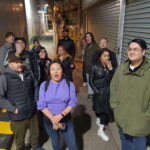
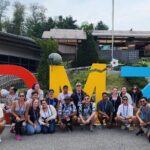
Seoul teaches you fast if you walk it with someone who knows. This private 3-hour route mixes classic landmarks with quieter corners that feel more like real city life. You get a local host, a simple plan that still allows flexibility, and a palace visit with admission included.
I particularly like the private, just-your-party setup—no waiting on strangers or tuning out while the guide repeats the same lines. I also love that you start with food culture at Gwangjang Market, then move into temple and neighborhood history without making it feel like a museum sprint.
The main thing to consider is that time at Gyeongbokgung Palace is only about 30 minutes. If you’re palace-obsessed, you may want to plan a longer follow-up day on your own.
In This Review
- Key things worth your attention
- Why this private Seoul walk works better than big tours
- Price and value for a $123.22 private tour
- Where you start (and how to be ready for the walking)
- Stop 1: Gwangjang Market for Seoul’s everyday food culture
- Stop 2: Jogyesa Temple when the city gets quiet
- Stop 3: Bukchon Hanok Village and the feeling of “rules in the streets”
- Stop 4: Gyeongbokgung Palace with the ticket already taken care of
- The “with a local” part: what you actually get from your host
- What the itinerary order gets right (and where it might feel rushed)
- Should you book this Seoul private walking tour
- FAQ
- How long is the Seoul private walking tour?
- Is it really private?
- Where does the tour start and end?
- Which stops are included in the main itinerary?
- Is the Gyeongbokgung Palace ticket included?
- Are there free admission stops?
- What’s included besides sightseeing?
- What kind of walking fitness level do you need?
- Is there a mobile ticket?
- Is it carbon offset?
Key things worth your attention
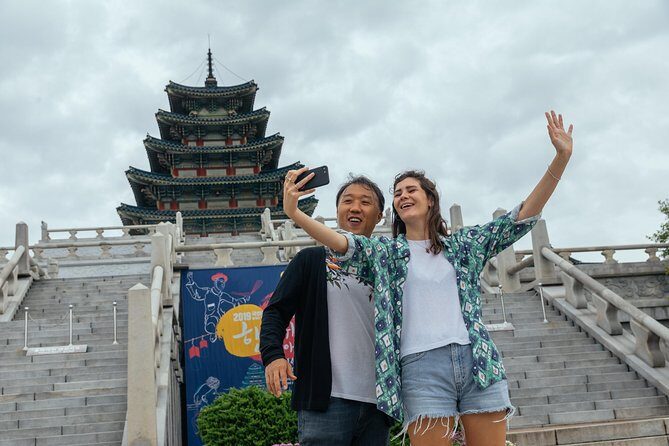
- Gyeongbokgung Palace admission included, saving you hassle and helping you focus on the stories
- A tight 3-hour loop that hits market, temple, hanok village, and palace without going all-day
- Free-entry stops along the way (Jogyesa and the neighborhood parts), so your paid time goes to the guide
- A local drink/tasting included, useful if you want more than just looking at food stalls
- Route flexibility depending on your host, plus tips tailored to the rest of your trip
- A moderate walking level, but in practice you’ll cover a lot of ground, so comfy shoes matter
Why this private Seoul walk works better than big tours
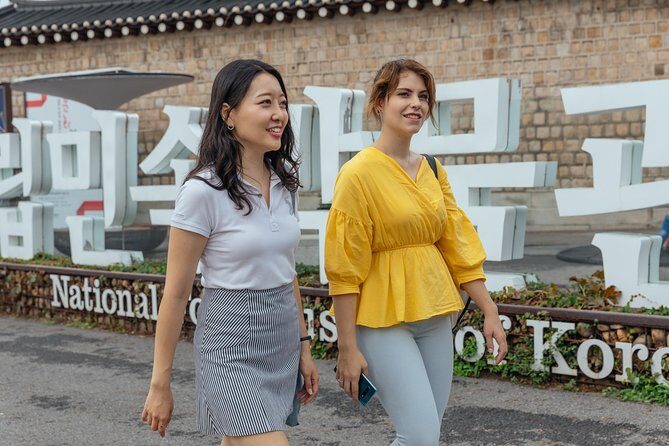
This is a true private tour for your party, not a “private van drops you off and you join a crowd” situation. That matters in Seoul, where the details are what make the experience click—small explanations about etiquette, neighborhoods, and how Koreans think about the past next to daily life.
The structure is also smart: you get a compact arc through the city’s layers—market life, religious Seoul in the city center, preserved traditional streets, then the most famous palace complex. The result feels like a quick orientation you can build on rather than a random checklist.
And because your guide can adjust the flow, you’re more likely to get the kinds of stops that fit your pace—extra photo time, a detour to a viewpoint, or a clearer explanation when something doesn’t make sense at first glance.
You can also read our reviews of more walking tours in Seoul
Price and value for a $123.22 private tour
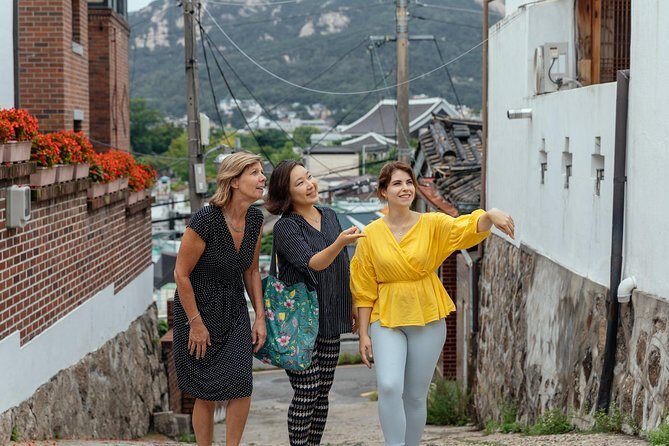
At $123.22 per person for a private walk lasting about 3 hours, this price can look steep until you break down what you’re really buying.
You’re paying for:
- A local guide for the full time (the biggest cost driver)
- Gyeongbokgung Palace admission included
- One local drink/tasting included
- A route that blends free and paid sights so you get more value per minute
If you were doing this on your own, you could absolutely reach these places by transit and walking. But you’d lose the human layer: the context that turns Bukchon streets from pretty alleys into places with rules, patterns, and stories you can actually use.
One more practical angle: this tour is typically booked about 37 days in advance on average. If your travel dates are tight, booking earlier can help lock in a guide and route choice.
Where you start (and how to be ready for the walking)
The meeting point is 159 Sejong-daero, Jongno District, Seoul, and the tour ends back at the same spot. It’s also listed as near public transportation, which is helpful if you’re juggling jet lag, a change of plans, or just want to avoid a long transit puzzle.
Even though the itinerary says around 3 hours, plan for real walking time. In one experience shared with this kind of tour, the pace ended up around 15,000 steps before anyone noticed. So treat this as a “good shoes day,” not a casual stroll.
Bring what Seoul-style walking needs: comfortable footwear, water, and sun/rain protection depending on season. If you’re taking photos, extra battery help also pays off fast because you’ll stop often.
Stop 1: Gwangjang Market for Seoul’s everyday food culture
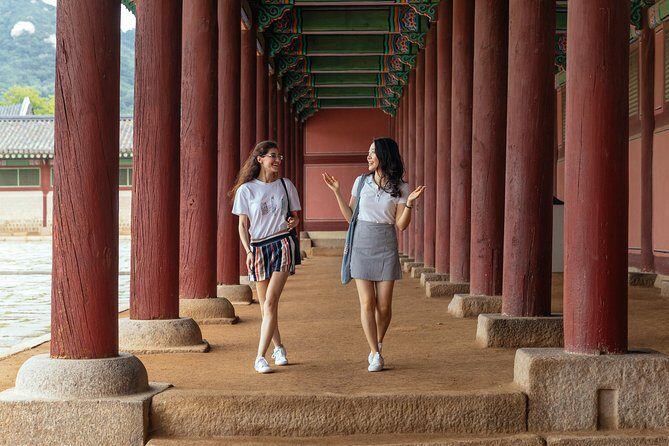
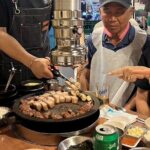
You begin at Gwangjang Market, a food market known for being packed with authentic Korean goods and snack culture. The highlight is trying bin dae-tteok, a Korean mung bean pancake that’s been around for over a century.
What I like about starting here is that it sets the theme of the day: Seoul isn’t only palaces and temples. It’s also what people eat, what they sell, and how neighborhoods keep long-running traditions alive.
You’ll spend about 1 hour here, and one local drink/tasting is included. The exact moment you’ll get it can vary by route and host, but plan on using this stop not only to snack, but also to ask questions. A good guide can explain what to order, how it differs from similar dishes you might see elsewhere, and what people actually do here when they’re not showing tourists around.
The only real drawback to keep in mind: market stops move fast. If you want slow, relaxed browsing, tell your guide early. In a private setup, that changes what you get out of the hour.
Stop 2: Jogyesa Temple when the city gets quiet
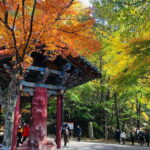
Next comes Jogyesa Temple, right in the heart of Seoul. It’s known for lotus lanterns and plants, and the temple dates to 1395, making it one of the key Buddhist temples in Korea.
You’ll have about 30 minutes. That’s a good amount of time here because Jogyesa is visually powerful, but it’s also a place where it helps to understand what you’re looking at. A guide can point out how the temple works as a living religious space, not just a pretty backdrop.
Also, this stop is listed as free admission. That matters because it keeps the paid portion of your tour focused on the palace.
Practical note: temples often mean slower walking, fewer crowd-control lanes, and a different soundscape. If you’re sensitive to noise or have accessibility constraints, plan to take your time with this stop and listen to the guide’s explanations rather than rushing for photos.
You can also read our reviews of more private tours in Seoul
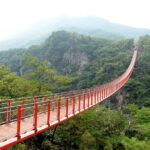
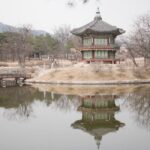

Stop 3: Bukchon Hanok Village and the feeling of “rules in the streets”
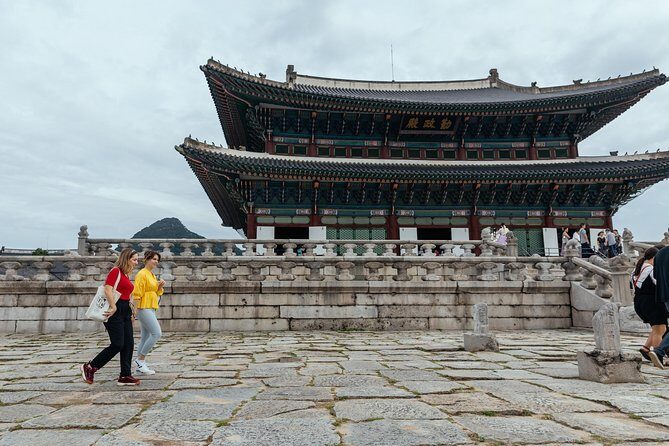
Then you head to Bukchon Hanok Village, known for its preserved hanoks—traditional Korean houses—and streets that feel like time travel at street level.
You’ll spend about 1 hour here, and it’s described as dating back almost 600 years. That’s long enough to give the neighborhood meaning, but still short enough for you to experience it at walking speed without losing your attention.
This is also where guide skill shows up. In experiences shared with this tour type, guides like Jin were praised for showing off off-the-beaten-path viewpoints and making the walk feel more like local exploring than a fixed photo route.
A private tour helps you notice things you’d miss alone:
- where the street lines feel intentional
- how people move through narrow passages
- how hanok areas fit into modern Seoul rather than existing in isolation
One consideration: Bukchon streets can be tight. If you’re traveling with limited mobility, you’ll want to go slow and tell your guide where you’d like to pause or turn back.
Stop 4: Gyeongbokgung Palace with the ticket already taken care of
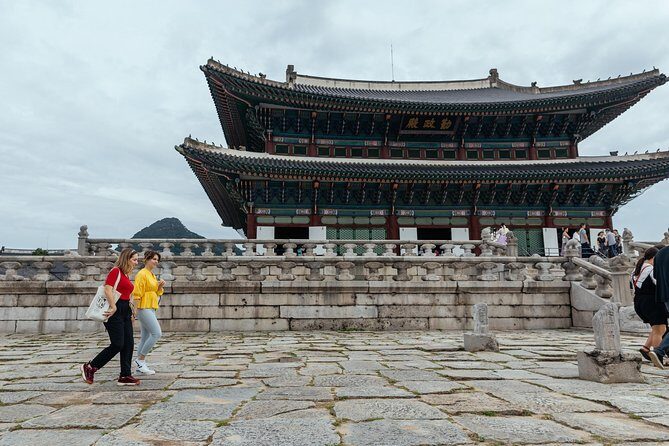
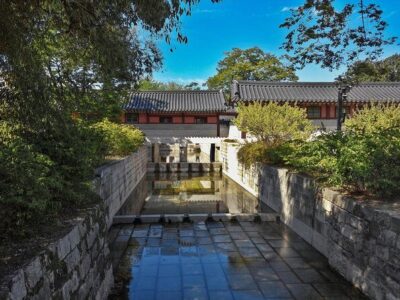
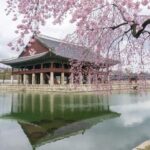
The tour’s anchor sight is Gyeongbokgung Palace, with admission included. The palace is linked to the 14th century in the tour description, and this stop is where your guide shares stories and context.
You get about 30 minutes. That’s not “see the entire complex” time. Instead, it’s “learn what to look for so a future return makes sense.” If this is your first trip and you want a fast, guided hit, 30 minutes can be perfect. If you’re hoping for a deep, long-form palace visit, you’ll likely want extra time later.
Why this is still good value: the ticket is already included, and your guide’s job is to help you interpret what you see. Without guidance, palaces can feel like a set of structures. With guidance, they become a story you can hold in your head while you walk.
Also, since this stop costs time in the day, it’s smart to ask your guide what your best next step is for the rest of Seoul. Many guides on similar routes are known for giving practical pointers beyond the itinerary, like what to prioritize next and how to navigate your days efficiently.
The “with a local” part: what you actually get from your host
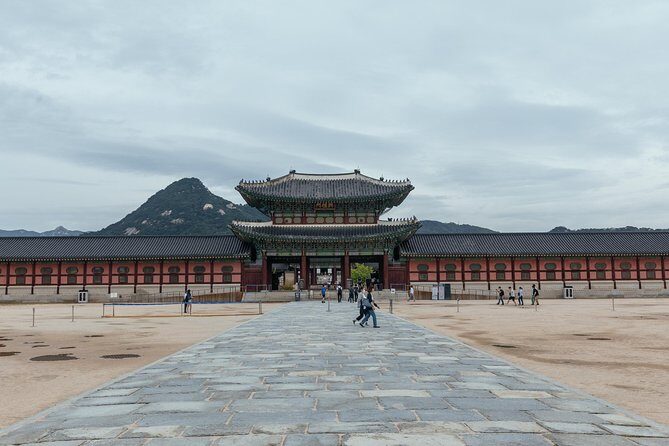
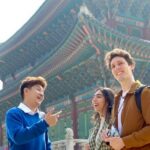
The most praised element across guide experiences is the human conversation. People often mention guides being engaging, friendly, and willing to tailor the route. You may meet hosts such as Sarah (praised for being engaging and full of local knowledge), Cristina and John (praised for professionalism, friendliness, and picture-friendly pacing), or Ho Jin (Jimmy) (praised for strong explanations and fun energy).
What that means for you: this tour isn’t only sightseeing. It’s also a Q&A moment. If you ask about neighborhoods, food, or how to move around efficiently, you’ll likely walk away with tailored tips for the rest of your trip.
In at least one experience, a guide helped with practical transportation basics—how to ride the bus and subway and even how to get a transportation card. In another, a guide adjusted for hot weather by changing how they moved so the group could still see things comfortably.
That kind of flexibility is a real reason to pick a private guide. The city becomes less intimidating when someone translates it into choices you can use immediately.
What the itinerary order gets right (and where it might feel rushed)
The order works:
- Market first gives you an anchor in daily Seoul life.
- Then temple time slows you down and adds meaning.
- Bukchon follows with traditional architecture and street texture.
- Palace closes with the big-name landmark and the most structured storytelling.
Where you might feel the speed: because the total duration is about 3 hours, each stop is time-boxed. If your interests are heavily tilted toward one sight—like you mainly want palace details—you’ll need to supplement on your own afterward.
The good news: this is private, so your guide can often nudge the balance. Just say what you care about most early, and ask if the route can prioritize that focus within the tour time.
Should you book this Seoul private walking tour
I’d book this if:
- you want a first-day orientation vibe without committing to an all-day tour
- you like food culture and street-level Seoul, not just monuments
- you value having a guide to explain what you’re seeing and help you plan next steps
- you’re okay with moderate walking and want a compact, efficient route
I might skip it if:
- you’re only interested in palace architecture and want a long, slow palace session (you’ll get about 30 minutes here)
- your group is looking for a relaxed, stroller-level pace throughout
- you want a completely hands-off experience with no back-and-forth questions or route adjustments
Bottom line: this is a strong choice when you want to learn how Seoul works—markets, temples, hanok streets, and palace stories—within a few focused hours and without the friction of a big group.
FAQ
How long is the Seoul private walking tour?
The tour lasts about 3 hours.
Is it really private?
Yes. It’s a private tour, meaning it’s only you and your local guide (your group).
Where does the tour start and end?
It starts at 159 Sejong-daero, Jongno District, Seoul, and ends back at the meeting point.
Which stops are included in the main itinerary?
The main route includes Gwangjang Market, Jogyesa Temple, Bukchon Hanok Village, and Gyeongbokgung Palace.
Is the Gyeongbokgung Palace ticket included?
Yes. Admission tickets for Gyeongbokgung Palace are included.
Are there free admission stops?
Jogyesa Temple and the other listed stops besides the palace are described with free admission in the itinerary details.
What’s included besides sightseeing?
The tour includes a local drink/tasting and your local guide. Food and drink beyond that are not listed as included.
What kind of walking fitness level do you need?
The tour says travelers should have a moderate physical fitness level.
Is there a mobile ticket?
Yes. The experience includes a mobile ticket.
Is it carbon offset?
The tour is listed as CO2 neutral, meaning emissions are offset.