REVIEW · SEOUL
DMZ Private Tour Admission Incl.
Book on Viator →Operated by Korea Season Tour · Bookable on Viator
DMZ day trips can feel heavy. This one is built for an easier, better-paced visit to one of the world’s most tense frontiers, with hotel pickup and admission included so you’re not stuck in ticket lines. I really like the way the day is organized around major checkpoints, plus the guide commentary keeps the sights from feeling random.
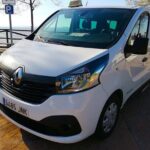
What I like even more is the door-to-door comfort: you start from your Seoul hotel in an air-conditioned vehicle, and the itinerary is paced for a 6–7 hour full loop. One thing to consider: even on a private booking, some parts may still follow shared entry/shuttle timing during the DMZ-area procedures, so true total flexibility can be limited.
In This Review
- Key points before you go
- Why This DMZ Private Tour Feels Easier Than DIY
- Price and Logistics: What You’re Paying For (and What You’re Not)
- From Seoul to Imjingak Park: Starting Where the Story Gets Real
- Freedom Bridge and the “Official First Look”
- Tongildaegyo Bridge North Gate: Passport Control That Sets the Tone
- Third Tunnel: Documentary Film and the Real Scale
- Dora Observatory: Seeing Gaesung and the Founder Statues
- Tongilchon-gil: Unification Village and the Ginseng Detail
- Timing: How a 6–7 Hour Day Really Works
- Who This Tour Is Best For (and Who Might Want a Different Style)
- Should You Book This DMZ Private Tour?
- FAQ
- How long is the DMZ private tour?
- Is hotel pickup and drop-off included?
- What admissions are included?
- Do I need a passport for the tour?
- What are the main stops on the itinerary?
- Is lunch included?
- Is this tour truly private?
- How far is the DMZ from central Seoul?
- Is the tour weather dependent?
- What’s the cancellation policy?
- Is a mobile ticket used?
Key points before you go
- Hotel pickup and drop-off in Seoul keeps the day simple and low-stress
- Admission and shuttle are included for key DMZ sites, helping you avoid delays
- Freedom Bridge to Third Tunnel to Dora Observatory covers the major highlights in one run
- Passport checking happens at the North Gate checkpoint, so bring your passport and allow extra time
- Guide-led interpretation adds context at each stop, including documentary time in the tunnel
- Lunch isn’t included (budget about 15,000 KRW per person)
Why This DMZ Private Tour Feels Easier Than DIY
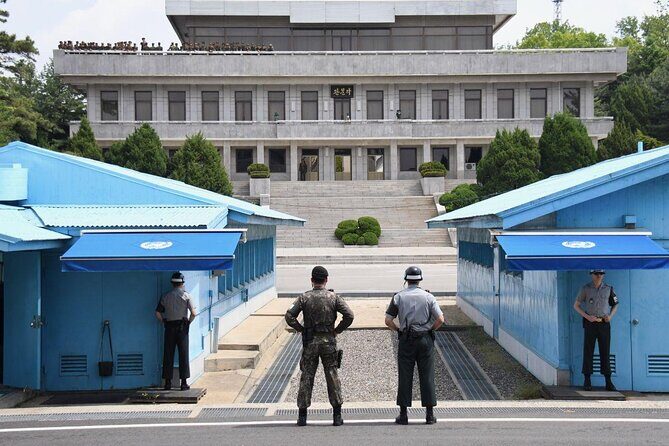
The DMZ is the kind of trip where “I’ll figure it out” can turn into long lines, confusing procedures, and missed timing. This tour is designed to remove that friction. You’re picked up in Seoul City and driven out with a professional DMZ guide, then brought through the required steps at the right moments.
That structure matters because the DMZ day isn’t just sightseeing. It’s checkpoint logistics plus a series of controlled stops. When someone else handles the flow—vehicle, tickets, and guiding commentary—you get to focus on what you’re actually seeing.
Also, you’re not stuck with a faceless audio guide. Names like Wendy, Jun, Lily, Cindy, and Ms. Lee come up in guide praise, with consistent themes: clear English, answers to questions, and keeping the group moving when timing is tight. If you want a calmer day, this format is a good fit.
One more practical perk: admissions are bundled. That’s not just convenient; it’s time-saving in a place where time can disappear.
You can also read our reviews of more private tours in Seoul
Price and Logistics: What You’re Paying For (and What You’re Not)
At $261.58 per person, this is not a budget “fast bus tour.” You’re paying for three big things that usually cost time and hassle if you DIY:
- Door-to-door hotel transfers in Seoul (air-conditioned vehicle)
- DMZ admission/shuttle components included for the main sites
- A professional guide who manages the schedule and explains what you’re seeing
You also get a private setup in the sense that your booking is described as private, meaning only your group participates. Still, read the room in the DMZ: you’ll be moving through official processes, and those processes often have fixed pacing.
What’s not included is lunch. The tour lists lunch at 15,000 KRW per person, so plan on budgeting that and bring a little patience for a long day.
A final logistics point: the tour uses a mobile ticket, so you’ll likely scan from your phone at the right moments rather than hunting for paper vouchers.
From Seoul to Imjingak Park: Starting Where the Story Gets Real
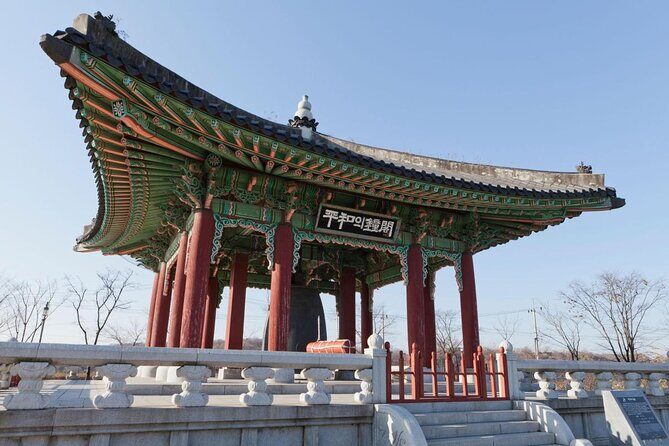
You’ll get picked up from your Seoul hotel, then head toward the DMZ area. The drive is about an hour from downtown—roughly 52km—so the day begins early enough that you can still enjoy the stops without rushing.
Your first DMZ-related stop is Imjingak Park. It’s more than a waiting room. It’s where you get emotional and historical context before you head into the controlled viewing points.
At Imjingak, you’ll see major landmarks such as:
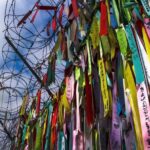
- Freedom Bridge
- Underground bunker
- Monument of US Forces
- Memorial Hall
- Peace bell
The value of this first stop is that it helps you understand what each later checkpoint means. If you only saw the tunnel or the observatory with no context, you’d still have the visuals, but the “why” would be harder to grasp.
The stop length here is about one hour. That gives you time to look around and listen, without turning it into a quick photo stop. One caution: the weather can be serious in South Korea, and the DMZ day is outdoors in stretches. Dress for cold or heat, and if you’re visiting in winter, warm layers matter.
Freedom Bridge and the “Official First Look”
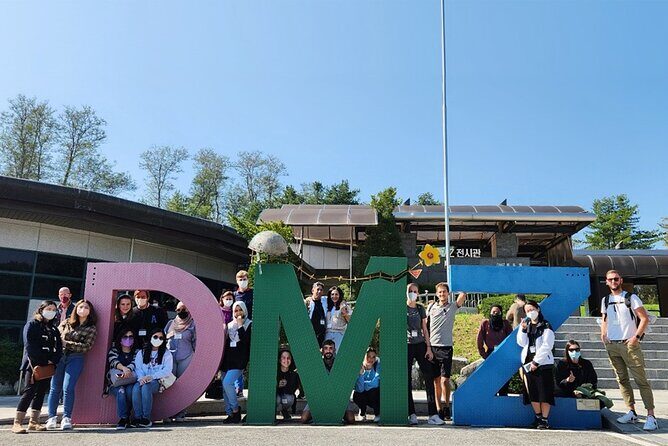
Imjingak is also where you get an early sense of what the DMZ experience feels like: controlled, structured, and very focused on specific points of view. The Freedom Bridge is a key name here because it anchors the theme of separation and what was (and is) supposed to be a crossing.
The underground bunker and memorial-style areas also help you read the landscape. You start to connect concrete objects—bridges, monuments, and memorial spaces—with the larger political story.
A guide-led day really helps here. Without explanations, you might know names but miss meaning. With commentary, you can put the stops into a timeline.
Tongildaegyo Bridge North Gate: Passport Control That Sets the Tone
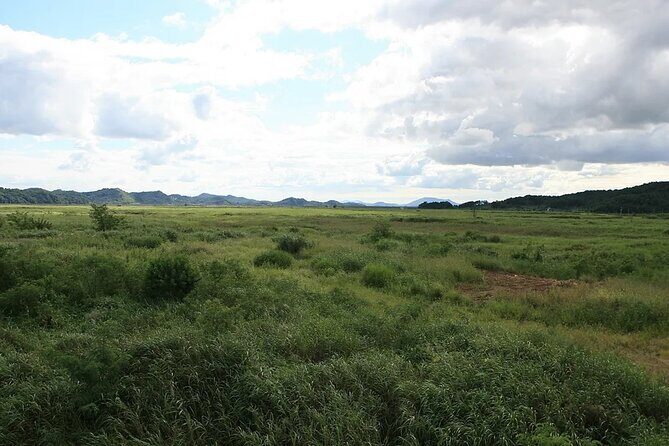
Next comes the Tongildaegyo Bridge North Gate area. You’ll spend a short time at the bridge itself—about 10 minutes—and then you’ll wait during passport checking, roughly 10 minutes.
This is one of those moments where the private nature of the tour doesn’t remove reality. You’re dealing with a checkpoint. Your job is easy: just keep your passport handy, follow instructions, and stay mentally ready for delays.
Why this stop matters: it’s the transition from “day trip” to “DMZ procedures.” Once you’ve passed through here, the rest of the itinerary feels like you’re entering a different category of sightseeing.
If you’re the type who hates uncertainty, this is still a moment where uncertainty can happen—mostly because check timing can vary. Build in calm.


Third Tunnel: Documentary Film and the Real Scale
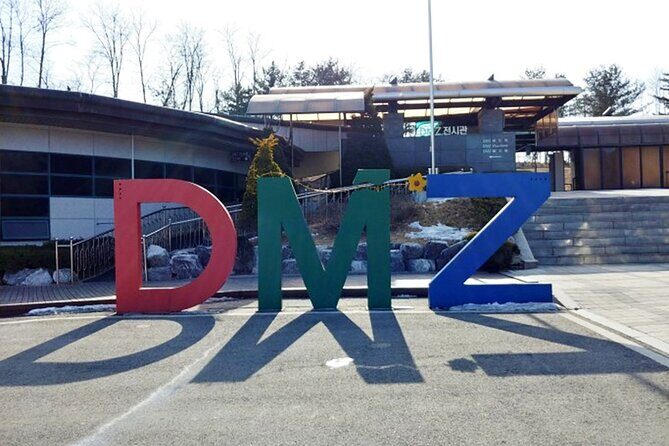
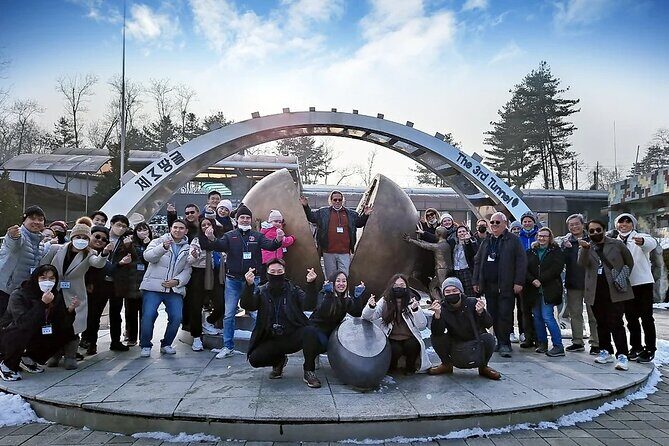
The Third Tunnel is one of the most memorable stops on the list. You’ll likely spend around 70 minutes here, including the tunnel portion and the documentary segment.
The format typically goes like this:
- Passport checks complete, then you move to the tunnel
- You watch a documentary film
- Then you explore the tunnel area
The tunnel experience is powerful because it’s physical. It’s not just looking at a border on a map. You’re seeing a structure designed for movement—built by human hands, created for a specific strategic purpose, and now preserved for you to understand.
Practical note: tunnels can feel cooler and darker than outdoors, and they can be tight depending on the route. Wear comfortable shoes you can trust. If you’re sensitive to confined spaces, it’s worth mentally preparing. The itinerary provides an extended time here, which usually helps you go at an unhurried pace within the allowed area.
This is also a good stop for questions. A strong guide can connect what you see underground to what you’ve already absorbed aboveground at Imjingak.
Dora Observatory: Seeing Gaesung and the Founder Statues
After the tunnel, you move on to the Dora Observatory, where you’ll spend about 30 minutes. The observatory stop is shorter than the tunnel, so it’s smart to pay attention when you arrive. You won’t have hours to “wander and find the meaning.”
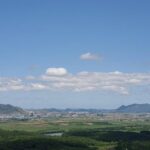
From here, you can observe the North Korean city of Gaesung, and you’ll also see statues connected to North Korea’s founder and his son.
Even if you’re not a military-history person, this stop works because it’s viewpoint-based. The guide’s role becomes essential: they help you connect the visual lines of sight to names and context, instead of leaving you standing there guessing what you’re supposed to make of it.
Drawback to consider: because the stop is shorter, you may not get as much time for slow pacing as you want. If you like to linger, you’ll have to accept that Dora is a “focus stop,” not a long wandering one.
Tongilchon-gil: Unification Village and the Ginseng Detail
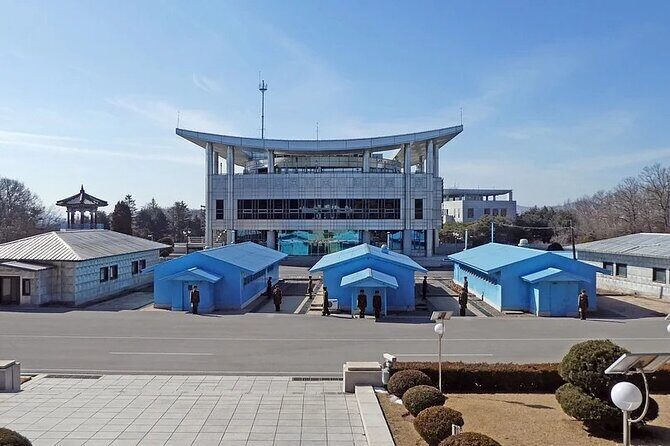
Your next stop is Tongilchon-gil, often described as part of a residential area located inside the civilian off-limits zone. You’ll spend about 15 minutes here, after roughly 10 minutes of travel time to the village area.
A distinctive detail included in the itinerary is that around 500 South Korean farmers cultivate ginseng here. That small, specific fact is exactly the kind of thing a good day tour can deliver: it turns a political boundary into a human economy detail you can actually picture.
This is not the longest stop, but it adds balance. Without it, the day might feel all military and all monuments. Tongilchon-gil adds the sense of life-on-the-edge, however constrained it is.
If you love photos, this might be your quick snapshot moment. If you’re more interested in meaning, listen closely to the explanation and focus on why the area is described as off-limits and yet inhabited by farmers.
Timing: How a 6–7 Hour Day Really Works
The total experience runs about 6–7 hours. The tour description also frames the day as:
- roughly 1 hour for the drive from downtown to the start area
- about 1 hour at Imjingak
- about 3 hours covering the core DMZ viewing/tunnel/observatory segments
- return to your hotel in Seoul afterward, around 1 hour
So you’re looking at a full-day commitment. That’s a big reason this private format is worth considering: you avoid spending your energy figuring out bus schedules, ticket timing, and checkpoint logistics.
Still, it’s a long day. Build in comfort habits:
- Use the bathroom when you can before long checkpoint stretches.
- Have water handy (some guides have been noted for providing it, but don’t count on that every time).
- Wear layers. The DMZ day can swing depending on season.
Who This Tour Is Best For (and Who Might Want a Different Style)
This tour suits you if you want:
- A guided, low-hassle day with hotel pickup and drop-off
- Major DMZ highlights in one trip
- Clear explanations during the tunnel and observatory stops
- A structure that keeps you moving instead of stuck in line chaos
It can also be a strong family option if your kids can handle a long day and understand that the DMZ is serious territory. Some guided days include explanations that work for younger visitors too.
Who might think twice:
- If you’re very sensitive to tight scheduling or want total stop-by-stop freedom, read the room. Even on a private booking, some parts may share timing procedures with other operations because of official checkpoints and shuttles.
- If you hate cold or dark enclosed spaces, the tunnel might be challenging. You can still go, but you should prepare.
Should You Book This DMZ Private Tour?
If you want a DMZ visit that feels organized and meaningful without doing homework, I’d lean yes. The biggest selling points are practical: admission included and hotel transfers built in, plus a guide who’s there to translate what you’re seeing into something you can actually remember.
Book it when:
- You value time saved from ticket lines and transportation planning
- You want a guide-led interpretation at multiple sites, not just a single viewpoint
- You’re traveling in a small group and can split the per-person cost
Consider another approach if:
- You’re chasing a perfectly flexible itinerary and you’d be upset by fixed checkpoint timing
- You’re trying to keep the day ultra-budget
One last nudge: bring your passport, dress for weather, and treat this like a respectful visit to an active geopolitical boundary—not a casual attraction.
FAQ
How long is the DMZ private tour?
It’s listed as about 6–7 hours total, with a typical breakdown that includes roughly an hour at Imjingak and around 3 hours for the tunnel and observatory portion.
Is hotel pickup and drop-off included?
Yes. Hotel pick up and drop off in Seoul are included, using an air-conditioned vehicle.
What admissions are included?
The price includes admission tickets for the DMZ shuttle/bus and the Third Tunnel and Dora Observatory, plus admission tickets for Freedom Bridge and the Underground bunker.
Do I need a passport for the tour?
Yes. The itinerary includes passport checking at the Tongildaegyo Bridge North Gate checkpoint, so you should bring your passport.
What are the main stops on the itinerary?
The tour covers Imjingak Park (Freedom Bridge, Underground bunker, Monument of US Forces, Memorial Hall, Peace bell), the Tongildaegyo Bridge North Gate area, the Third Tunnel, Dora Observatory, and Tongilchon-gil.
Is lunch included?
No. Lunch is not included, and the listed cost is 15,000 KRW per person.
Is this tour truly private?
It’s described as a private tour/activity, meaning only your group participates. Still, the DMZ day involves required checkpoint and shuttle timing.
How far is the DMZ from central Seoul?
The DMZ area is listed as about 52km from downtown Seoul, taking roughly one hour from downtown.
Is the tour weather dependent?
Yes. The experience requires good weather. If it’s canceled due to poor weather, you’ll be offered a different date or a full refund.
What’s the cancellation policy?
Free cancellation is available up to 24 hours in advance for a full refund. If you cancel less than 24 hours before the start time, the amount paid won’t be refunded.
Is a mobile ticket used?
Yes. A mobile ticket is included as part of the tour features.