REVIEW · SEOUL
Deoksugung & Jeongdong-gil: A Walk in Korea’s Rich Heritage
Book on Viator →Operated by S.A. Tour · Bookable on Viator
A smart way to read Seoul fast. This walk strings together Deoksugung Palace, Gyeonghuigung Palace, and a handful of nearby sites that show how Korea’s royal world, foreign-era education, and modern public spaces all sit side-by-side in central Seoul.
I especially like two things. First, you get a compact route with meaningful pauses, so you’re not just moving your feet—you’re picking up the why behind each place. Second, the English guide approach (Sam, for example, has a gift for keeping explanations both fun and clear) makes the stops feel like stories you can actually remember, not a list of names.
One consideration: it’s weather-dependent, and you’re covering multiple stops in about 3 hours, so it’s not the kind of slow wander where you lose an hour in one courtyard.
In This Review
- Key highlights you’ll feel right away
- Why Deoksugung to Cheonggyecheon is such a practical Seoul route
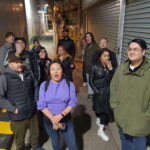
- Meet your English guide and expect a small group pace
- Deoksugung Palace: the Joseon heart in central Seoul
- Gyeonghuigung Palace: another royal residence, with a different flavor
- Appenzeller Noble Memorial Museum: when education meets cultural change
- Jeongdong Theater: a cultural pause that also solves practical needs
- Jungmyeongjeon Hall: imperial library to royal refuge
- Gwanghwamun Square: modern Seoul’s civic center
- Cheonggyecheon Stream: turn the guided walk into an easy extra stroll
- Price and value: is $48 worth it?
- What to wear, when to go, and how to get the most from short stops
- Who should book this walking tour (and who might not)
- Should you book Deoksugung & Jeongdong-gil?
- FAQ
- How long is the Deoksugung & Jeongdong-gil walking tour?
- Where does the tour start and end?
- What is included in the price?
- Is lunch included?
- Are tickets/admission included for the stops?
- How big is the group?
Key highlights you’ll feel right away
- A tight central route from Deoksugung toward Cheonggyecheon, good for first-time orientation
- Two Joseon-era palaces in the same general area, so you can compare styles and roles
- Western-era education history through Appenzeller Noble Memorial Museum and its connection to Pai Chai University
- A planned cultural break at Jeongdong Theater for coffee/drinks and restroom time
- Imperial-era context at Jungmyeongjeon Hall, including Emperor Gojong’s temporary residence
Why Deoksugung to Cheonggyecheon is such a practical Seoul route
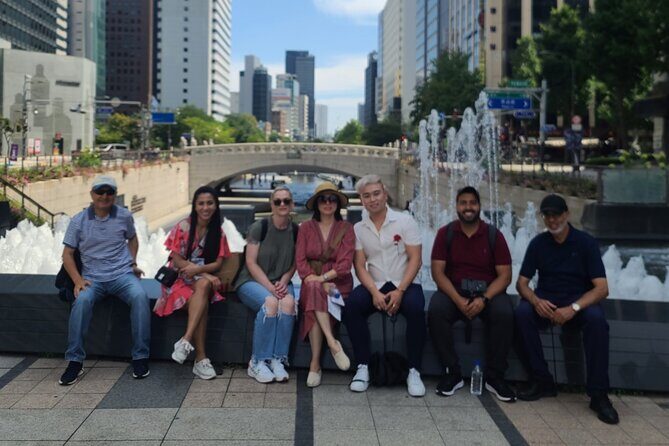
Seoul can feel big and noisy when you first arrive. This route helps you get your bearings by staying in the Jongno area and moving through sites that mark major historical shifts. You see the older palace core first, then gradually transition toward more modern civic Seoul as you approach Gwanghwamun Square and the Cheonggyecheon Stream.
The real value is the mix. You’re not only looking at architecture; you’re watching how different eras shaped everyday space—royal compounds, museum interpretation, performance culture, and public squares where locals gather. It’s one of the easiest ways to understand why Seoul feels both old and new at the same time.
Also, it’s a guided walk. You’ll get context as you go, which is the difference between taking photos and actually learning what you’re seeing.
You can also read our reviews of more walking tours in Seoul
Meet your English guide and expect a small group pace
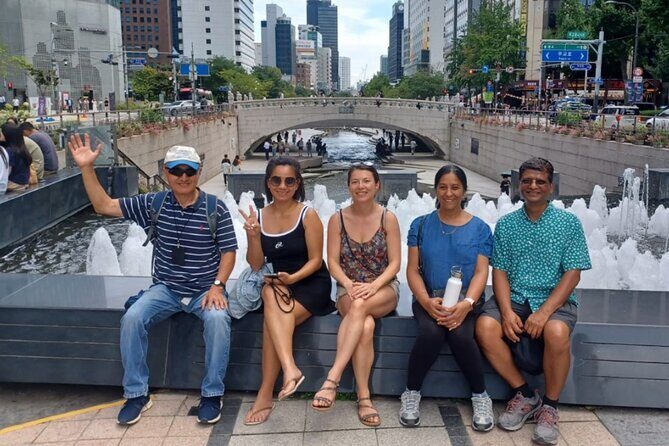
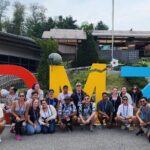
This is an English-guided tour with a maximum of 15 travelers, so it doesn’t feel like you’re being dragged through Seoul. The group size matters here because several stops are short by design, and the guide needs to keep everyone together.
You start at 9:30 am at Deoksugung Palace (99 Sejong-daero, Jung District). From there, you move stop to stop and finish at Cheonggyecheon Stream (Jongno District). In about 3 hours, you’ll hit six main points, which is just enough time to get a strong overview without turning the day into a full marathon.
If you’re someone who likes stories with facts—dates, what happened, and why it matters—this format works well. The guide’s tone can be a big factor, and Sam’s style, for instance, has been described as both fun and informative, which is exactly what you want on a morning walk.
Deoksugung Palace: the Joseon heart in central Seoul
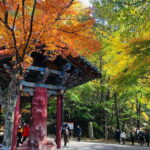
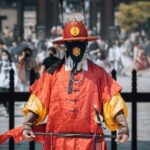
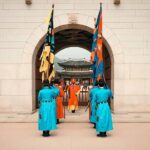
Your first real stop is Deoksugung Palace, also called Gyeongun-gung. It’s one of the most historic palace sites in Seoul and sits in the middle of the city, which is part of why it’s so useful for orientation. You’re not traveling out to a quiet zone—you’re seeing royal-era Korea right where modern Seoul lives.
The palace was built during the Joseon Dynasty and served as a royal residence. Even if you only spend about 20 minutes here, that time is enough to get the main idea: this wasn’t a single-purpose monument. It was a living seat of power and governance, the kind of place designed for ceremony and control.
Practical note: because you’re starting early and moving on, go in with comfortable expectations. Use the first minutes to observe layout and surrounding streets. Then let the guide point out what makes this palace distinct before you head toward the next site.
Gyeonghuigung Palace: another royal residence, with a different flavor
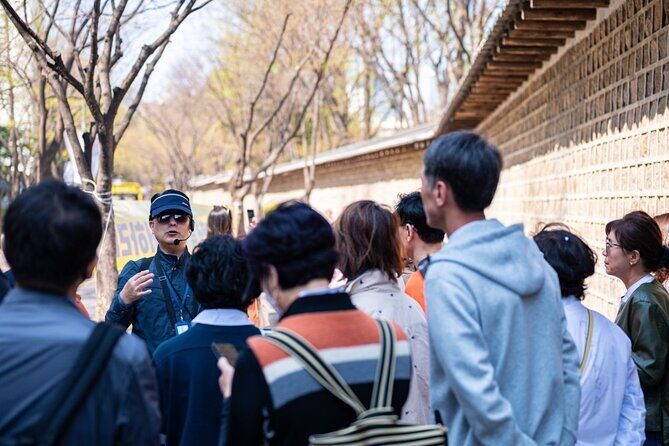
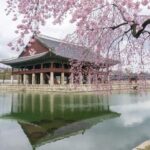
Next is Gyeonghuigung Palace (also known as Gyeonghui Palace). It’s in Jongno-gu and dates to 1623 in the Joseon Dynasty, built as a royal residence. This is a great pairing with Deoksugung because you can compare two palace experiences close together instead of forcing yourself to remember everything later.
What you’ll likely appreciate here is contrast. Even within palace architecture and grounds, each site carries its own purpose and historical timeline. In a short visit window, that comparison helps your brain organize what you see: where the royal life happened, how spaces were arranged, and how the dynasty’s needs changed over time.
Again, admission time is listed as free at this stop, which is nice when you’re trying to keep costs under control while still seeing major sites.
Appenzeller Noble Memorial Museum: when education meets cultural change
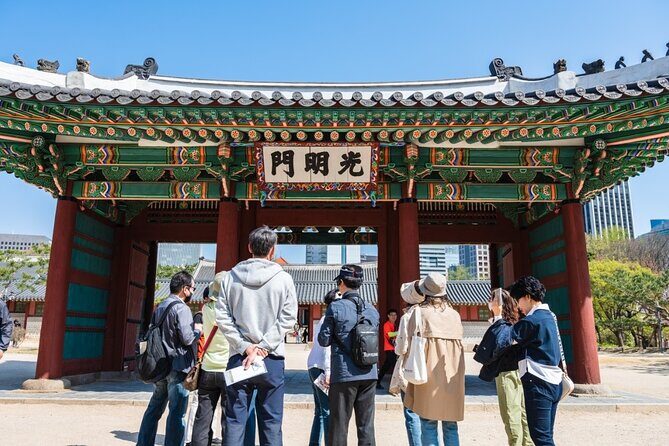
Stop three is the Appenzeller Noble Memorial Museum, housed in the former home of Baekjae Hakdang, a missionary school. The museum explains how the school later expanded into a university, which is now known as Pai Chai University in Daejeon.
This is where the tour quietly changes gears. Up to now, you’ve been in the realm of palace Korea. Here, you shift to the story of modern education arriving and taking root. It’s a more intimate kind of history—less about thrones and more about classrooms, teachers, and institutions that outlast their original founders.
Why this stop feels valuable: it adds texture to the “traditional and Western-style landmarks” theme without turning it into a vague slogan. Instead, you get a specific institution name and a clear connection to Pai Chai University, which makes the story stick.
Time is short (around 10 minutes), so focus on what the museum is trying to show rather than trying to read everything in one go. If you’re the type who likes quick context before you explore further on your own, this stop will work.
You can also read our reviews of more historical tours in Seoul

Jeongdong Theater: a cultural pause that also solves practical needs
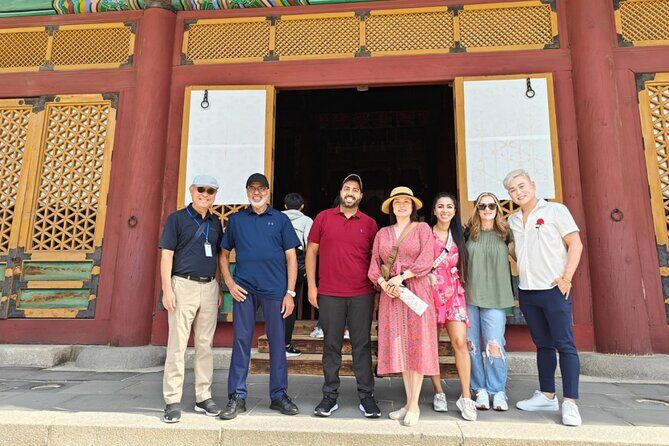
Then you step into Jeongdong Theater. This is a place for concerts, plays, and musicals, and the description specifically notes performances that incorporate elements of traditional Korean culture.
But the practical reason this stop belongs on the route is also stated clearly: it’s the moment where you can grab coffee or other drinks and use the restroom. For a 3-hour walk with multiple earlier palace stops, that kind of break is not a small detail. It keeps the pace comfortable and prevents the tour from turning into a struggle to stay energized.
You won’t have to treat this as a formal show. Think of it as a cultural checkpoint and a reset button. If you want to keep going after the tour, Jeongdong Theater also puts you in an area where you can naturally continue the day on foot.
Jungmyeongjeon Hall: imperial library to royal refuge
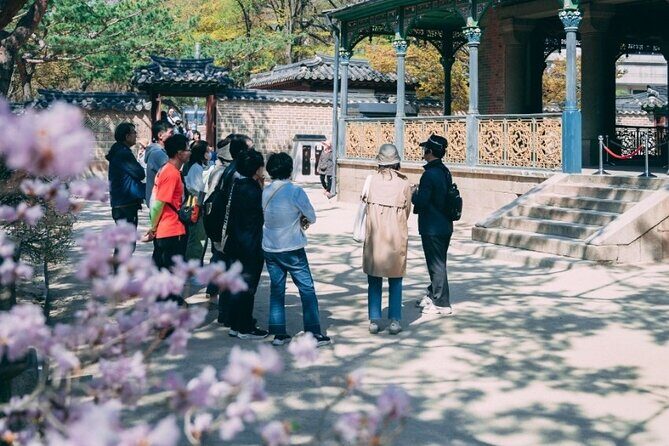
Stop five is Jungmyeongjeon Hall, and this one carries a lot of weight for a relatively brief stop (about 15 minutes). It was built in 1899 as the imperial library of the Korean Empire. Then, after Deoksugung Palace caught on fire in 1904, this hall became the temporary residence of Emperor Gojong.
That sequence is exactly the kind of historical pivot this walk is built to help you understand. You’re looking at a building that didn’t stay locked into one identity. It moved from a place meant for knowledge and records to a place used for leadership during a crisis.
Why you should pay attention here: it helps you see that history isn’t only about dates in textbooks. Buildings change roles. People adapt. And when you connect those dots as you walk, you’ll remember more than surface-level facts.
If your interests run toward late-19th and early-20th-century transitions, this stop is one of the strongest anchors on the route.
Gwanghwamun Square: modern Seoul’s civic center
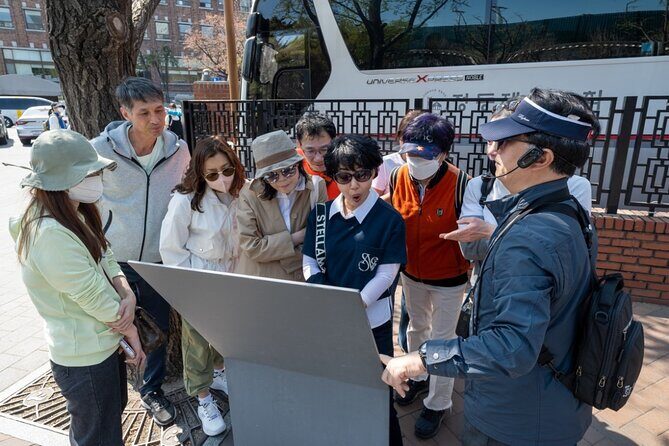
After the hall, you reach Gwanghwamun Square, built in 2009. This is a large public square in central Seoul and one of the most practical places to understand the city’s modern layout. It’s designed for gatherings, which means it’s easy to imagine daily life happening here beyond tourism.
The square includes a large fountain and a statue of King Sejong the Great. Those two details matter because they connect civic identity to both art and public space. It’s not just a traffic circle with a statue; it’s a deliberately planned meeting point.
What I like about this section is how it gives your eyes a break from palace compounds. You’re switching from historical enclosures to open public space, and that shift is part of how you grasp Seoul’s rhythm.
Cheonggyecheon Stream: turn the guided walk into an easy extra stroll
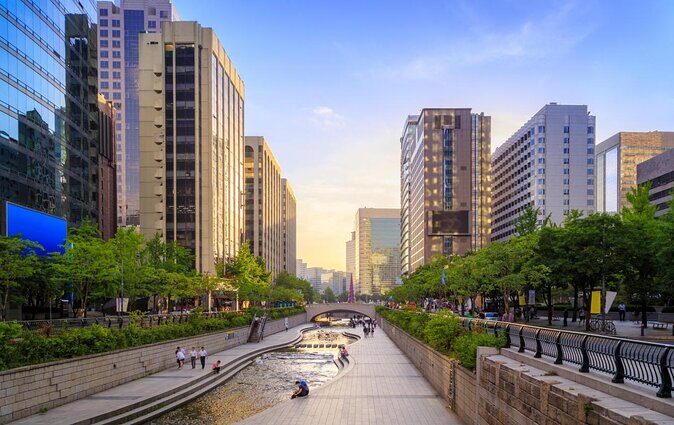
Your tour ends at Cheonggyecheon Stream. This finishing point is a smart choice because it naturally invites you to keep walking without needing transportation. Streams like this also tend to make the city feel more breathable, especially after you’ve been moving through palace courtyards and busy streets.
If you want to stretch the experience, this is where you can slow down and let the day unfold at your pace. You can take photos, browse nearby areas, or just walk and reset after three hours of organized stops.
Price and value: is $48 worth it?
At $48 per person for about 3 hours, the value comes from the combination of guide time plus the structure of the route. You’re paying for an English-speaking professional guide and a plan that connects multiple major sites in a tight area.
Also, many of the stops list admission ticket free, which helps keep your total cost from creeping upward. Since the tour already includes interpretation, you’re not spending your energy trying to figure out context at each gate.
Is it expensive? It’s mid-range for a guided walking experience in central Seoul. The question is whether you’ll use the guidance. If you like history with explanation and you want a smooth introduction without wasting hours searching, this price starts to feel very fair.
If you’re the type who prefers self-paced wandering with no narration, you might question the guided format. But for most visitors, the guide’s role is what makes the walk feel like more than just geography.
What to wear, when to go, and how to get the most from short stops
This tour requires good weather. That means you should plan for a morning when rain and strong wind aren’t likely to shut things down. If conditions are bad, the tour can be canceled with a refund or a different date offered, so you’ll want flexibility.
For clothing, think practical: comfortable shoes with good grip. You’ll be walking between central Seoul landmarks, and you’ll want your legs to feel fresh for the palace sections. Bring a small bottle of water if you normally get thirsty on walks, especially before you hit the coffee break at Jeongdong Theater.
For the best experience, don’t try to treat each stop as a full independent visit. Instead, let the guide’s timing work for you. Each site is short on purpose, and the value is the way the story builds from palace to museum to imperial hall to modern square.
Who should book this walking tour (and who might not)
Book it if you:
- Want an English-guided way to understand central Seoul’s historical layers
- Like short, organized stops with clear context instead of a full-day museum schedule
- Prefer a route that ends in a walk-friendly area like Cheonggyecheon Stream
You might skip it if you:
- Hate walking or want long, unguided time in one place
- Need a fully indoor plan (since it relies on good weather)
It’s a great fit for first-time visitors, history-curious travelers, and anyone staying near Jongno who wants a strong overview without overplanning.
Should you book Deoksugung & Jeongdong-gil?
I’d recommend it if your goal is getting oriented while learning real context. The route makes sense for a first trip: palace Korea first, then education history and imperial-era details, and finally a modern civic square and a stream you can keep exploring.
The short stop durations are the tradeoff. If you’re okay with that, you’ll come away with a clearer mental map of Seoul and a sense of how different eras shape what you see today. If you want a guided introduction with a small group and an English guide like Sam, this one is a smart use of your morning.
FAQ
How long is the Deoksugung & Jeongdong-gil walking tour?
It runs for about 3 hours.
Where does the tour start and end?
It starts at Deoksugung Palace (99 Sejong-daero, Jung District, Seoul) and ends at Cheonggyecheon Stream (Jongno District, Seoul).
What is included in the price?
The tour includes a professional English tour guide.
Is lunch included?
No, lunch is not included.
Are tickets/admission included for the stops?
The stop details show admission ticket free for the listed locations.
How big is the group?
The tour has a maximum of 15 travelers.