REVIEW · SEOUL
From Seoul: Pocheon, Sanjung Lake and Bidulginang Fall Trip
Book on GetYourGuide →Operated by Lecirt · Bookable on GetYourGuide
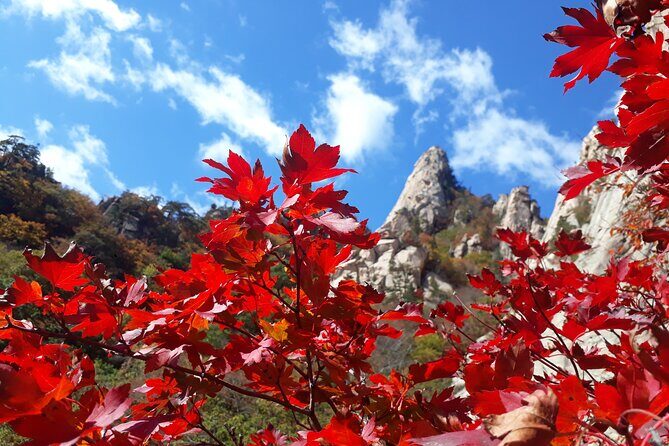
Autumn in Gyeonggi Province hits differently. This trip pairs Sanjung Lake with the famous Bidulginang Water Falls, so you get both calm water views and dramatic nature in one day. I really like how the day feels like a mini escape from Seoul, but one catch is timing: outside peak fall, the scenery can feel quieter and seasonal plant displays may not look as showy.
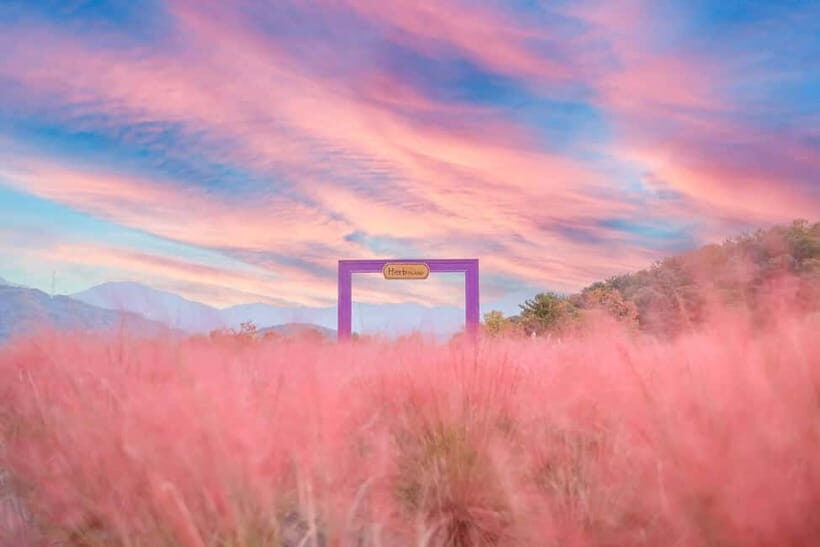
The setup is also practical. You get round-trip transfers from Seoul plus an English & Chinese speaking guide, so you’re not spending your energy on buses or ticket lines. Herb Island adds a fun, photo-friendly stop with plants, fragrant herbs, and in fall, the famous pink muhly grass spreading across the hills.
In This Review
- Key highlights to know before you go
- Why Sanjung Lake and Bidulginang Feel Like a Real Day Escape
- Price and Logistics: $55 Includes Tickets and Seoul Transfers
- The Pocheon Stop: Short Falls Time and Scenic Breathers
- Sanjung Lake in Autumn: Views That Quiet Your Pace
- Herb Island and Pink Muhly Grass: The Most Photo-Forward Moment
- Bidulginang Water Falls: The Film-Location Payoff
- How the Day Works: Free Time, Multiple Stops, and Less Stress
- What to Pack for a Smooth Autumn Outdoor Day
- Who This Tour Fits Best (and Who Should Rethink It)
- Should You Book This Pocheon, Sanjung Lake and Bidulginang Trip?
- FAQ
- What’s the starting point for the tour?
- What languages are spoken on the tour?
- What’s included in the price?
- What’s not included?
- Where do we visit during the day?
- Is Herb Island especially good in fall?
- Can I reserve now and pay later?
- How late can I cancel for a full refund?
Key highlights to know before you go
- Bilingual guide (English & Chinese) makes the stops easier to enjoy
- Sanjung Lake in autumn gives you that crisp, reflective day-trip feeling
- Bidulginang Water Falls is known from films and dramas, not just guidebooks
- Herb Island + pink muhly grass is the season’s big visual moment
- Round-trip transfers from Seoul keep the day efficient and low-stress
Why Sanjung Lake and Bidulginang Feel Like a Real Day Escape
This is a straightforward nature-and-views day trip from Seoul, set in Gyeonggi Province. The best part is the mix: you start with an easy, scenic pace around the lake, then shift gears to a more dramatic payoff at Bidulginang Water Falls. It’s the kind of itinerary that keeps changing your scenery, instead of giving you one long stretch of the same view.
What I like most is that the stops are built for different moods. Sanjung Lake is for slowing down—walking, pausing, taking photos when the light hits the water. Then Bidulginang Water Falls brings the bigger emotion: water power, rocky viewpoints, and that cinematic “I’ve seen this somewhere” feeling because it’s been used in movies and dramas.
The trip also seems to work well when you want a calm day but still want the big sights. One guide mentioned in feedback—Edward—was praised for organizing everything smoothly, and another—Yoon—was noted as friendly, helpful, and attentive. That matters, because when a day is scheduled, a good guide can keep you from feeling rushed at the wrong time.
You can also read our reviews of more tours and experiences in Seoul.
Price and Logistics: $55 Includes Tickets and Seoul Transfers
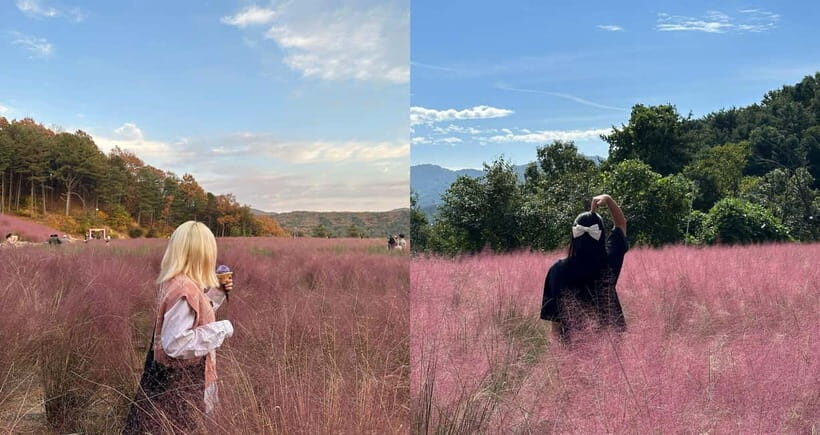
At about $55 per person, the value is tied to what’s included. You’re not just buying access to a couple spots—you’re paying for:
- Admission to the attractions
- An English & Chinese speaking guide
- Round-trip transfers from Seoul
That bundle can be a bargain compared with piecing together transportation and tickets on your own, especially if you don’t want to coordinate trains, buses, or local entry fees.
Meals and beverages are not included. So you’ll want to plan for buying food yourself during breaks. The tour also doesn’t include other personal expenses, which usually means you’ll still have the usual choices: snacks, drinks, and any extras you decide you want on the day.
The Pocheon Stop: Short Falls Time and Scenic Breathers
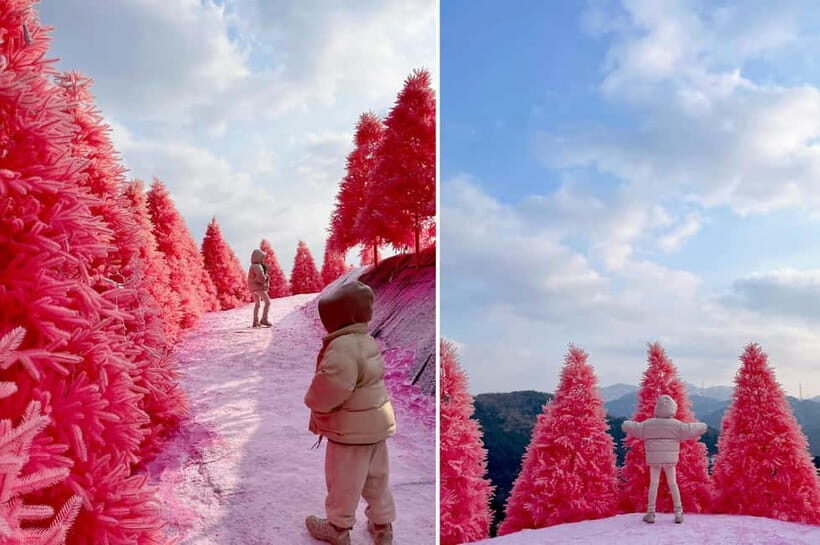
The itinerary includes Pocheon as its first theme, with a falls stop that goes by the name Pocheon Falls in feedback. This is the kind of stop that works best when you treat it like a breather rather than the one main goal of your day.
Here’s the balanced reality: one guide-rated feedback called the falls less impressive, noting the lake was pretty quiet and other blooms were past their best. That doesn’t mean the stop is bad. It just means the impact depends a lot on season and conditions. If you’re going for peak fall showmanship, you’ll likely get more “wow” from the lake and the later waterfall/Herb Island moments.
If you like short scenic walks and don’t need everything to be a knockout, Pocheon is still a good warm-up. It helps break up the travel day so you arrive at the heavier photo stops with energy.
Sanjung Lake in Autumn: Views That Quiet Your Pace
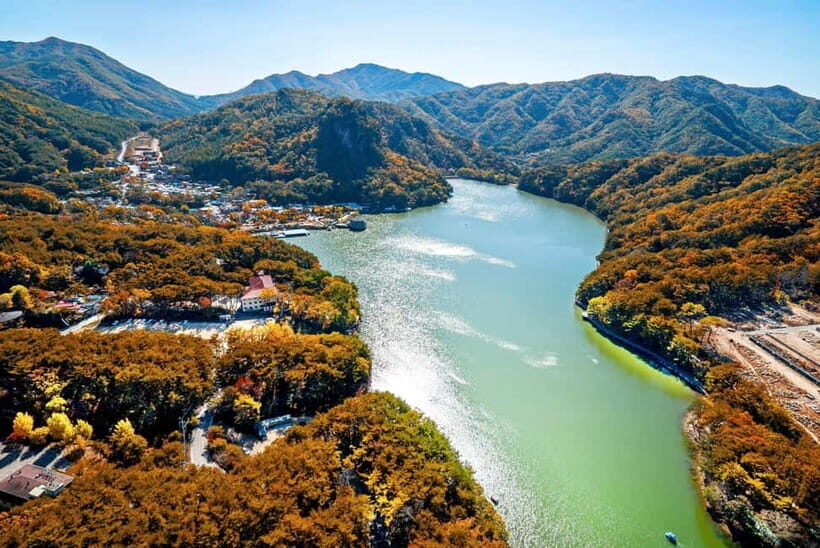
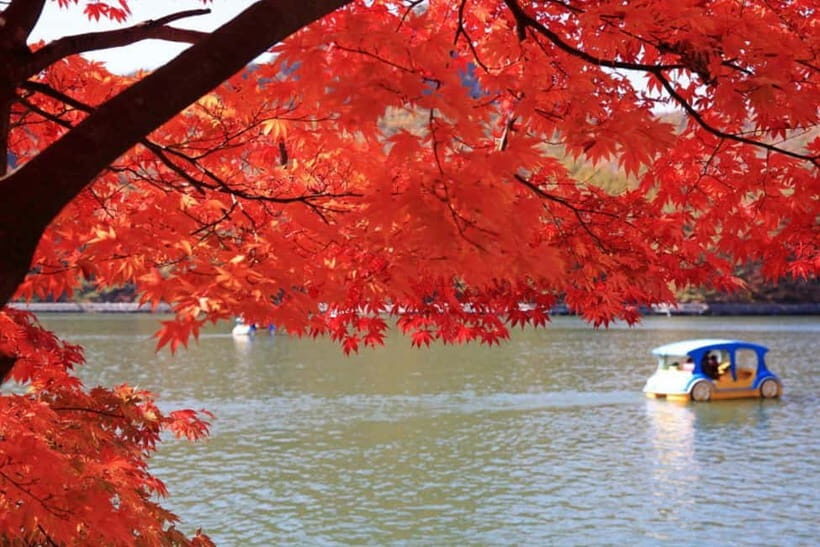
Sanjung Lake is the emotional centerpiece of the trip. This is where the day becomes about atmosphere: open space, light on the water, and the soft feeling of a nature break without needing a long hike.
In fall, lakes like this tend to do two things at once. First, the colors look good—especially when the sky is clear and the light stays consistent. Second, the experience feels calmer, because you’re not fighting crowds at every single second. That’s one reason people often like this kind of day trip: you get the “nature reset” without planning a full weekend.
Timing matters, though. One piece of feedback suggested the lake looked more empty during their visit. If you want the most dramatic visual density—more people, more photo angles, more “festival” energy—aim for prime fall weeks. If your priority is quiet views and easier pacing, a slightly less crowded day can actually be a win.
Either way, I’d plan to give yourself time to walk at least a bit around the lake. Don’t treat it like a quick stop. The best photos and best mood often come from moving slowly and stopping often.
Herb Island and Pink Muhly Grass: The Most Photo-Forward Moment
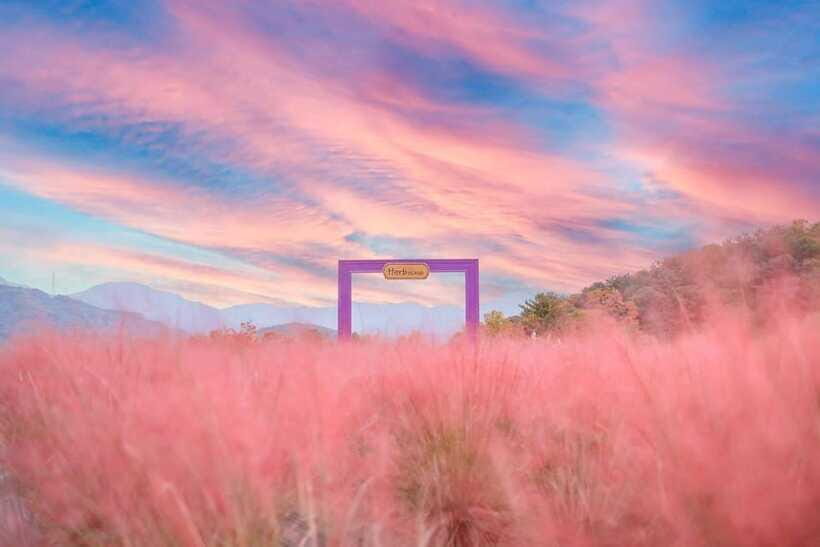
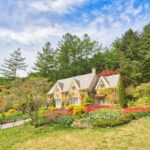
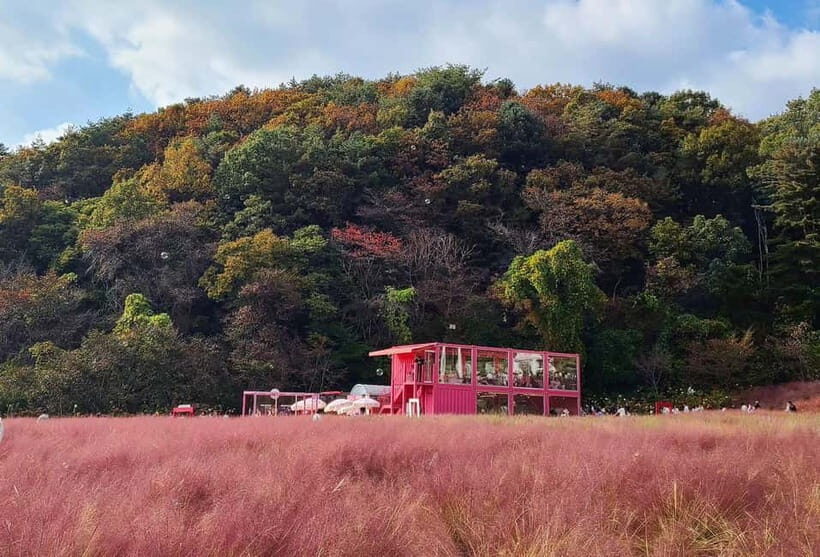
Herb Island adds a different style of nature experience. It’s not just scenery—it’s themed around plants, with visitors able to explore beautiful plants and fragrant herbs. That makes the stop more than a view. You can slow down and take in textures, colors, and smells.
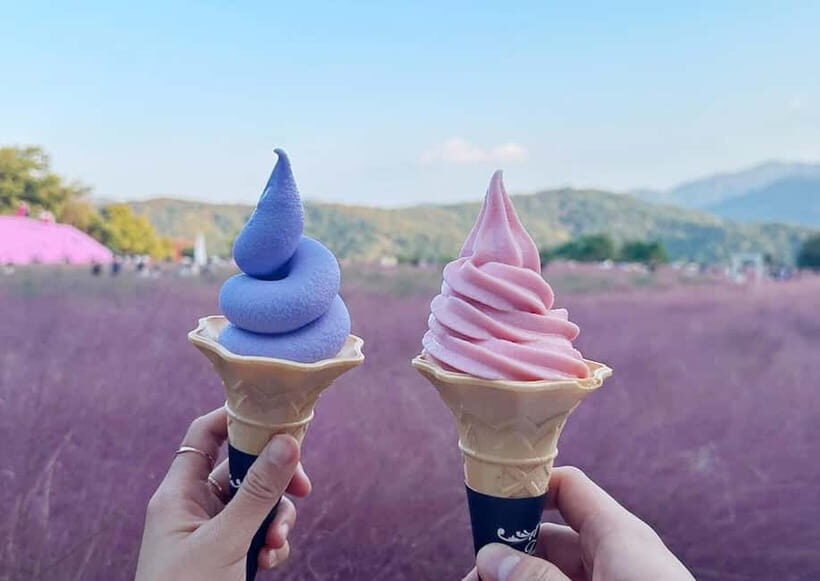
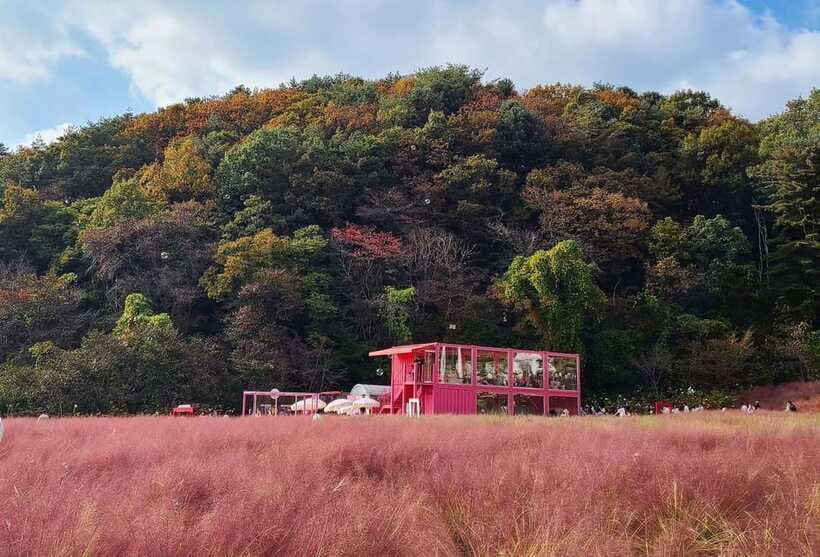
The big seasonal highlight is pink muhly grass in fall. When it’s at its best, the grass spreads across the hills like a soft pink field, and it turns the whole area into a giant photo opportunity. This is the stop that usually makes people say the day was worth it, even if another location feels more modest.
A practical tip: go in ready to take photos but also ready to just enjoy being there. Muhly grass is one of those scenes where small changes in position and lighting make the photos look different. If your group moves quickly, try to snag a spot that lets you shoot from multiple angles without cutting through other visitors.
Also keep expectations realistic. If you go after peak season, you might still enjoy the herbs and plant areas, but the “pink hillside effect” won’t be as strong. One feedback comment specifically noted that flowers and lavender weren’t in bloom anymore during their visit—so the season really does drive the wow factor here.




Bidulginang Water Falls: The Film-Location Payoff
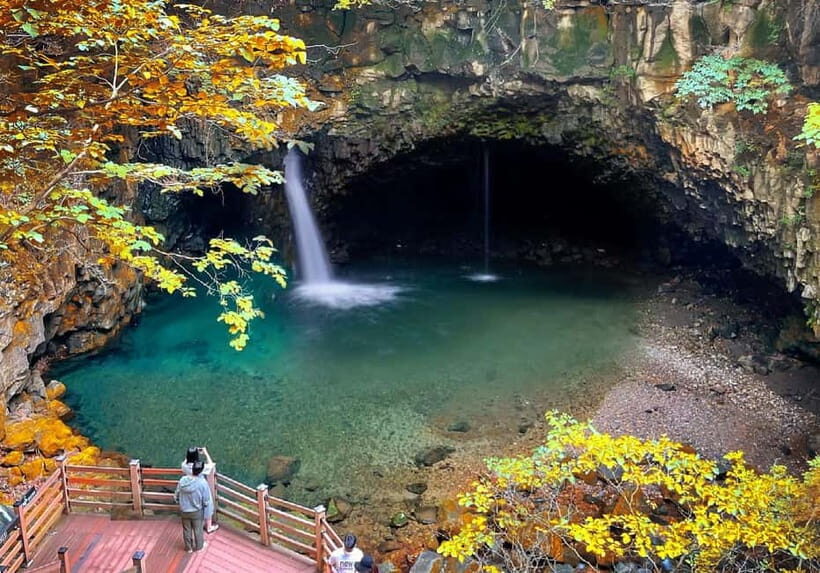
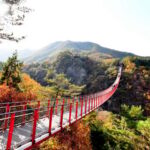
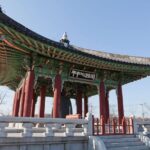
If you want one stop that feels like a destination, it’s Bidulginang Water Falls. The water fall is renowned as one of South Korea’s stunning natural landscapes and has served as a filming location for many famous movies and dramas.
That film connection matters in a practical way. You’re more likely to recognize angles and mood, even if you’ve never visited before. It gives the waterfall an added layer: it’s not only pretty; it also feels culturally “known.”
What makes waterfalls satisfying on a day trip is timing and crowd control. You want to arrive when the light is reasonable and you can actually take photos without constantly stepping out of someone’s way. With a tour guide managing the day, you should be better set than trying to roam with a map and hope you hit the right moment.
Still, keep one consideration in mind: weather changes how a waterfall feels. A calm day can make it look crisp and photogenic; a misty day can make everything more dramatic but also harder for clear photos. If you’re the type who plans around that, bring a light outer layer and expect the air to feel cooler near the water.
How the Day Works: Free Time, Multiple Stops, and Less Stress
A good thing about this itinerary is how it’s structured around multiple stops without turning the day into a sprint. In feedback, the trip was described as visiting four places with enough free time at each location. That’s exactly what you need for a nature day.
Here’s why: when you don’t have to rush between every photo, you can focus on the parts you like. You can linger at the lake, enjoy herb areas at your pace, and still make it to the waterfall without feeling like you only saw the scenery through your schedule.
The guide’s role is also bigger than people think. When someone like Edward organizes the flow, or when a guide like Yoon stays friendly and attentive, you feel less lost. Even if you can’t read everything at each site, a good guide helps you understand what matters and where to spend your time.
If you’re sensitive to crowds, be aware that Sundays can be busy. One comment called out that Sundays had way too many people. That doesn’t mean you should avoid the trip entirely. It just means you’ll want patience, earlier photo planning, and a mindset that you’ll share space.
What to Pack for a Smooth Autumn Outdoor Day
This trip is outdoors-focused, and autumn in Gyeonggi can feel chilly—especially near water. I’d pack like you’re expecting wind and stop-and-go walking.
Bring:
- Comfortable shoes you don’t mind getting slightly damp
- A light jacket that you can layer
- A small umbrella or poncho if the forecast looks wet
- Sunglasses if the lake light is strong (it can be bright)
For photos, keep your phone battery healthy. Outdoors days drain batteries faster than you expect, especially when you’re taking lots of shots at sunset-style light or in cold air.
And if you’re going for the pink muhly grass experience, expect time for photos. You don’t want to rush the best part, because the “perfect angle” often takes a minute.
Who This Tour Fits Best (and Who Should Rethink It)
This is a great fit if you want:
- A convenient day trip from Seoul
- A mix of lake views, herb-themed gardens, and a famous waterfall
- A guide who speaks English and Chinese
- Included admissions and transfers so you don’t do logistics math all morning
It’s also a good fit if you’d rather enjoy than figure out. One of the tour’s strengths is that you’re not spending your day translating directions or searching for ticket windows.
I’d rethink it if:
- You’re traveling specifically for peak bloom visuals and you’re going later than ideal fall timing
- You hate crowds and only travel on the days that tend to be busy (like Sundays)
One feedback comment suggested the tour was better in fall or winter. That’s a real clue: seasonal nature tours depend on conditions. If you go at the wrong time, some visual wow factors soften.
Should You Book This Pocheon, Sanjung Lake and Bidulginang Trip?
Book it if you want a guided, efficient autumn day with three strong outdoor ingredients: a calm lake, a plant-and-herb stop with pink muhly grass in fall, and Bidulginang Water Falls with film-location fame. At around $55, the value is strongest because admissions and round-trip Seoul transfers are included.
Skip or adjust your expectations if your visit timing is late-season or you’re chasing one specific bloom moment. The Herb Island visuals are seasonal, and other elements like falls can feel more or less impressive depending on conditions.
My bottom line: this is a solid choice for first-timers who want Gyeonggi nature without a complicated plan. If you go with the right season mindset and you’re okay sharing space at popular times, you’ll likely leave happy with photos and a real sense of having changed your day.
FAQ
What’s the starting point for the tour?
The meeting point may vary depending on the option you book, and the tour ends back at the meeting point.
What languages are spoken on the tour?
The tour guide speaks Chinese and English.
What’s included in the price?
The price includes admission to the attractions, an English & Chinese speaking tour guide, and round-trip transfers from Seoul.
What’s not included?
Meals and beverages are not included, and you’ll also want to budget for other personal expenses.
Where do we visit during the day?
The trip covers Pocheon, Sanjung Lake, Bidulginang Water Falls, and Herb Island.
Is Herb Island especially good in fall?
Yes. In the fall, you can see pink muhly grass spreading across the hills, which creates a strong photo opportunity.
Can I reserve now and pay later?
Yes. The tour offers reserve & pay later, meaning you can book your spot and pay nothing today.
How late can I cancel for a full refund?
You can cancel up to 24 hours in advance for a full refund.