REVIEW · SEOUL
Essence Korea 3days Ptivate Tour(West/East)
Book on Viator →Operated by Tour n Korea · Bookable on Viator
Three days can feel like a shortcut.
This Essence Korea West/East private route is a smart way to see more of Korea without constantly rerouting yourself. It’s built around classic stops on both sides of the country, with a choice to do West or East (or combine), plus pickup and a guide who handles the flow of the day.
I especially like that the itinerary mixes big-name culture with smaller, story-driven stops (tombs, fortresses, folk villages), not just photo points. The second thing I like is the practical setup: admission fees and three lunches are handled, so you can spend your time looking out the window instead of building a spreadsheet.
The only real drawback to consider is pacing. With so many places packed into a short window, the days can feel tight, and the final day may lean heavily toward getting you to the next coast-area stop on schedule.
In This Review
- Key highlights (the stuff that matters)
- Price and logistics: what $800 per person actually buys you
- Choosing the West/East plan: what you gain by picking a side
- Day 1 route: Gongju fortresses, Jeonju Hanok streets, and the Hahoe folk-village feel
- Gongju (about 3 hours)
- Jeonju (about 3 hours, one night)
- Gongju Gongsanseong Fortress (about 40 minutes)
- Gongju National Museum (about 40 minutes)
- Muryeongwangneung Tomb of King Muryeong (about 1 hour)
- Jeonju Hanok Village (about 1 hour)
- Andong Hahoe Folk Village (about 1 hour 30 minutes, listed as an East stop)
- Day 2 route: Yeosu ocean views, Gyeongju Silla power, and Haedong Yonggungsa by the sea
- Yeosu (about 3 hours, West course)
- Gyeongju-si (about 3 hours, East course)
- Odongdo (about 1 hour, West course)
- Daereungwon Tomb Complex (about 40 minutes, East course)
- Gyeongju National Museum (about 1 hour, East course)
- Haedong Yonggungsa (about 50 minutes, East course)
- Day 3 route: Mokpo flavor, APEC Naru Park, and Busan’s Gamcheon color
- Mokpo (about 2 hours, West course)
- APEC Naru Park (about 1 hour, East course)
- Busan Gamcheon Culture Village (about 40 minutes, East course)
- Food you’ll actually remember: lunches built into the route
- Your guide and the vehicle: why private feels different on the road
- How much walking is reasonable on this itinerary?
- Pacing, transit time, and weather: plan like a realist
- Who this tour suits best (and who should rethink it)
- Should you book this Essence Korea West/East private tour?
- FAQ
- How long is the Essence Korea West/East private tour?
- How much does the tour cost?
- Can I choose West or East, or do both?
- Is pickup included?
- Is accommodation included?
- Are admissions and tickets included?
- Does the tour include meals?
- Is this a private tour?
- What if the weather is bad or I cancel?
Key highlights (the stuff that matters)
- West or East or both: pick the side that fits your interests, or combine for the full “two coasts” feeling
- Private, guide-led routing: you get a dedicated driver and storytelling, not a hop-on hop-off shuffle
- Admissions and lunches included: you pay less on the spot and follow a smoother plan
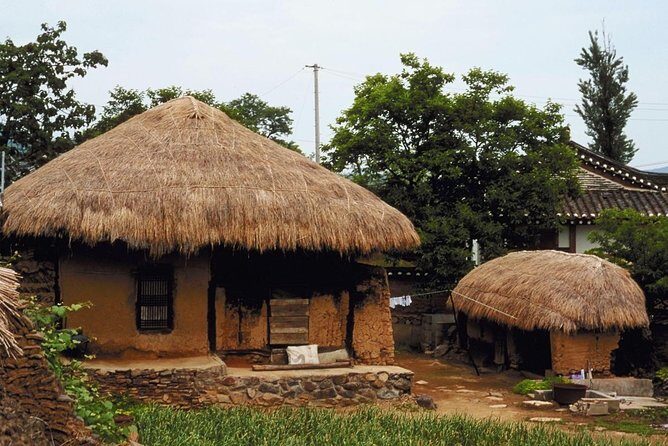
- Iconic Korean themes: Hanok living, Baekjae and Silla royal sites, folk village culture, and sea views
- Comfort-focused transportation: reviews specifically call out a luxurious, comfortable vehicle and prompt drivers
- Fast pace risk: one review flagged it as hectic in a few days—worth planning your expectations
Price and logistics: what $800 per person actually buys you
This tour costs $800 per person and runs about 3 days. For most people, that price makes sense only if you value time savings: you’re outsourcing transportation, admissions, and the decision fatigue of sequencing cities around Korea’s regional sites.
What’s included is where the value shows up. You get fuel surcharge, parking fees, admission coverage, and lunch (3) across the route. You do not get accommodation, so your lodging plan stays on you—but the tour handles the day-to-day parts that usually chew up your energy.
Also, it’s listed as a private tour/activity, meaning it’s only your group. That’s important on this kind of itinerary. When you’re driving between multiple regional destinations, a shared-group format can mean waiting, delays, and timing mismatches. Here, your schedule is meant for your group.
One more note: there’s pickup offered, and it’s described as near public transportation. That’s helpful if you’re coordinating with your hotel location or arriving in Seoul and don’t want to start your trip with a complex meeting point.
A few more Seoul tours and experiences worth a look
Choosing the West/East plan: what you gain by picking a side
This is essentially two tour flavors—West course and East course—with an option to combine. The route is built around regional identities:
- West side focus: Baekjae-era sites around Gongju, Hanok culture and food in Jeonju, plus the folk-village experience that often feels “more Korean” than Seoul-only sightseeing.
- East side focus: Silla-era heritage around Gyeongju, plus coastal icons like a sea-facing temple and ocean viewpoints.
If you choose just one side, you reduce the “travel pressure” and can better enjoy each city. If you combine, you’ll cover more geography in fewer days—great for variety, but you’ll need patience for the schedule.
One practical tip: if your idea of a perfect trip includes long meals, lots of wandering time, and fewer check-in moments, I’d lean toward West-only or East-only rather than the full combined version.
Day 1 route: Gongju fortresses, Jeonju Hanok streets, and the Hahoe folk-village feel
Day 1 is designed to start with royal-era grounding, then pivot into living culture. West course begins with Gongju, and then the route builds toward Jeonju’s Hanok atmosphere before it blends into the folk-village stop.
Gongju (about 3 hours)
Gongju was the capital city of the Baekjae dynasty around 1,400 years ago. The big draw here is how many ways you can “read” the past in one area: you’re not just looking at a single monument. You can walk around the fortress area, visit a museum, and see ancient royal tombs.
Why this works: Gongju’s sites let you understand Korea’s regional kingdoms without spending all your time in museums. Even if you’re not a history buff, tombs and fortresses tend to make the story stick.
Jeonju (about 3 hours, one night)
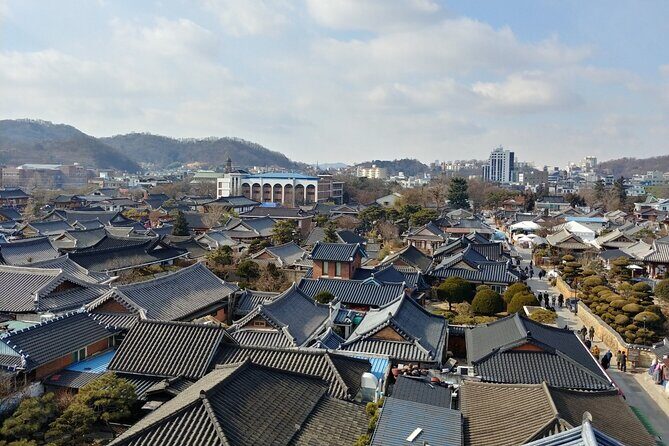
Jeonju is famous for hanok—traditional Korean houses—and for food. You’ll have about a full window of time, and since you stay overnight there, you also get a calmer rhythm than you might on a pure day-trip schedule.
The useful part: Jeonju’s Hanok culture isn’t just architecture. It changes how streets feel and how people move through the evening.
Gongju Gongsanseong Fortress (about 40 minutes)
This old fortress gives you a city-overlook perspective. You can also enjoy archery here. If you like doing something hands-on rather than only standing and staring, this stop balances the day well.
Gongju National Museum (about 40 minutes)
This museum focuses on royal life connected to Baekjae. Even a short museum stop is worth it because it gives names and context to what you saw outside.
Muryeongwangneung Tomb of King Muryeong (about 1 hour)
This is a royal tomb site from the Baekjae dynasty, plus a small museum about King Muryeong. I like tomb stops when they include interpretation, because it helps you avoid the classic “I saw it, but I don’t know what I’m seeing” problem.
Jeonju Hanok Village (about 1 hour)
Jeonju Hanok Village has its share of street food energy. It’s also noted that the area traces back to periods around the Japanese occupation, when traditional houses were associated with defending Korean society. That adds weight to what could otherwise be a purely touristy stroll.
Andong Hahoe Folk Village (about 1 hour 30 minutes, listed as an East stop)
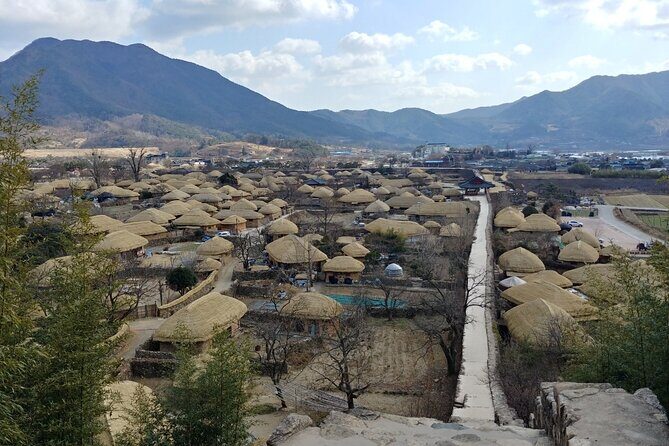
Even if your day starts in the West course, the inclusion of Andong Hahoe brings a different flavor: folk-village culture that feels rooted and specific. Andong is described as especially authentic, and there’s a standout detail here—Queen Elizabeth II visited in 1999 and had a birthday party. It’s a reminder that these places aren’t just local stage sets; they’ve been recognized internationally.
Day 2 route: Yeosu ocean views, Gyeongju Silla power, and Haedong Yonggungsa by the sea
Day 2 leans into coast and royal-era East Korea. The stops are spaced with multiple “meaning” layers: ocean beauty, then Silla heritage, then a temple that visually connects everything to the water.
Yeosu (about 3 hours, West course)
Yeosu is one of the biggest ocean-view draws on the West/south sea side, with fresh seafood and scenery. The point of the stop isn’t just eating, though that’s part of it. It’s also the change of mood: after tombs and villages, the sea gives your brain a reset.
Gyeongju-si (about 3 hours, East course)
Gyeongju was the capital of the Silla dynasty for around 1,000 years and is designated as a world cultural heritage city. This city-wide framing matters. You don’t feel like you’re doing isolated stops; the whole area is the attraction.
Odongdo (about 1 hour, West course)
Odongdo is described as a trekking course with camellia flowers. This is a good “reset walk” between heavier heritage stops. If you want leg-stretching time that isn’t just “stand and take photos,” this fits.
Daereungwon Tomb Complex (about 40 minutes, East course)
This is a huge complex of royal tombs from the Silla dynasty. Tomb complexes can feel repetitive, but size helps here. The longer you look, the more you notice the patterns and the scale of what was built.
Gyeongju National Museum (about 1 hour, East course)
This museum is framed as the national museum for Silla history. I like pairing tomb sites with a museum afterward. You go from shape and location to explanation.
Haedong Yonggungsa (about 50 minutes, East course)
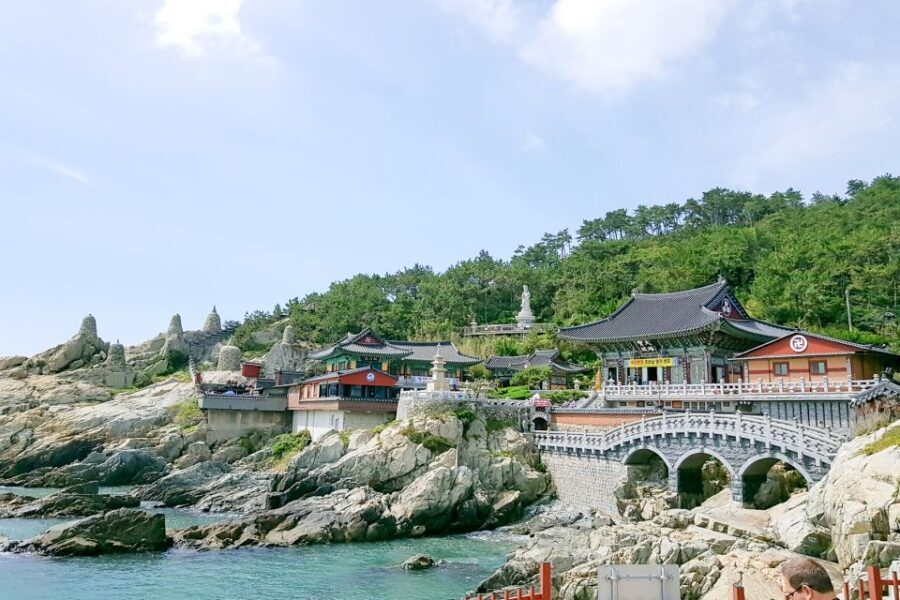
Haedong Yonggungsa is highlighted as one of Korea’s most beautiful temples, with the big detail that it sits right next to the east sea. When a temple has that kind of setting, you get two experiences at once: spiritual architecture and the way the coastline changes the whole scene.
Day 3 route: Mokpo flavor, APEC Naru Park, and Busan’s Gamcheon color
Day 3 is where the itinerary turns toward the far end and then finishes with a famous coastal culture stop. It’s also the day where timing can feel the tightest, because the itinerary moves through multiple regions in a single final stretch.
Mokpo (about 2 hours, West course)
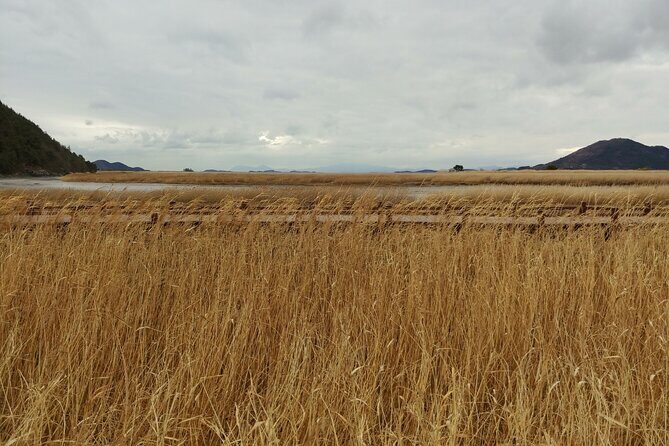
Mokpo is described as located at the west end of Korea, with authentic food and scenery plus a unique city view. This stop is often the “real life” break—less about a single landmark, more about how a coastal city feels.
APEC Naru Park (about 1 hour, East course)
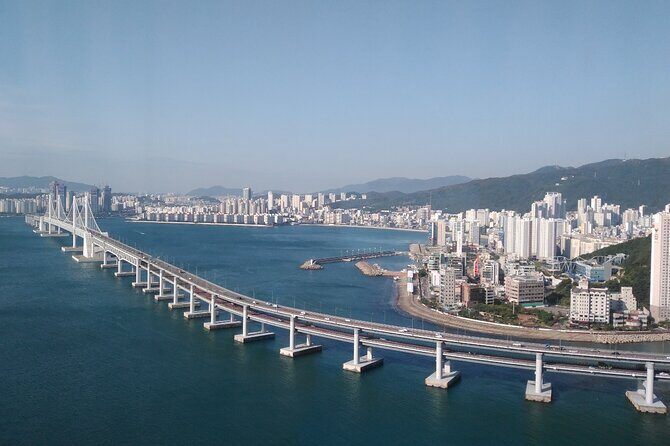
APEC Naru Park is tied to the APEC meeting held in 2005. It’s also noted for its scenic location. Even if you’re not deeply into global politics, the idea here is that it’s a place with reason to exist, plus a viewpoint quality.
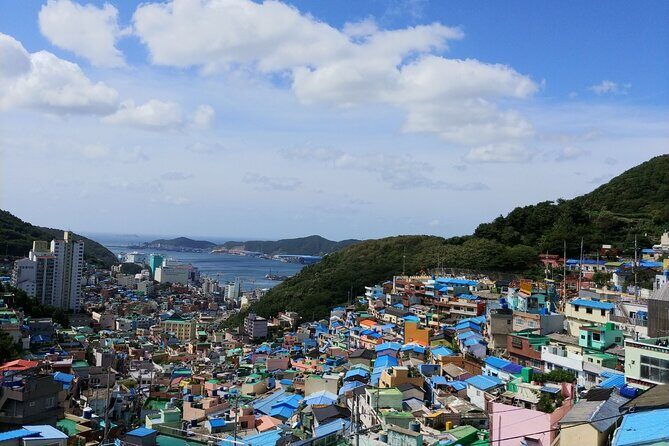
Busan Gamcheon Culture Village (about 40 minutes, East course)
Gamcheon Culture Village started to accommodate refugees from across the country, and it’s now known for its unique cultural look. This is the kind of stop that turns your photos from random to meaningful because you understand the origin story.
A practical consideration: Gamcheon is visually busy. Forty minutes can be enough to see the main lanes, but it won’t be enough if you want to slow down at every corner. If you’re the kind of person who likes to linger, you’ll feel the pressure.
Food you’ll actually remember: lunches built into the route
The tour includes lunch (3). That sounds basic, but on a route like this, scheduled meals are one of the biggest sanity-savers. You’re hopping between cities; finding food on your own can quickly turn into a time sink.
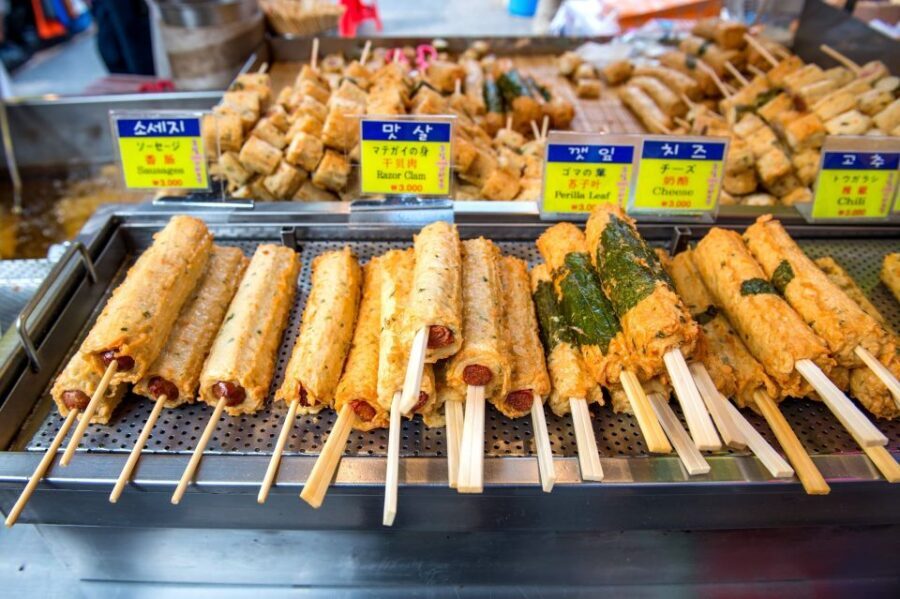
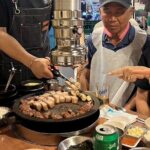
What I appreciate is that the itinerary is themed to food-friendly places: Jeonju for traditional-style eating and Mokpo for local coastal flavor. Jeonju Hanok Village is specifically associated with street food energy, so you’re not just eating one “set menu” and moving on.
Also, the private setup helps here. In reviews tied to this experience, guides are described as taking groups to the best local food in town, not only the most famous streets. That matters because in Korea, “good food” often means neighborhood favorites that aren’t obvious to first-time visitors.
Your guide and the vehicle: why private feels different on the road
This is one of those tours where the guide can make or break the experience. And the feedback pattern around this tour is strong in that area.
- I’ve seen mentions of Johnny, who’s described as on time, cheerful, and going to enormous lengths to make sure the trip worked well. That kind of attitude matters when you’re changing cities and pacing yourself through multiple stops.
- Another review highlights Jun as excellent at explaining why each place matters, not just what to look at. If you care about context, this is a big deal.
- A separate review credits George for customizing the route so the group could experience the most cities in the time available, plus getting the group to great food.
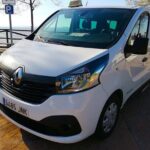
The other side of the experience is the vehicle. One review calls out a luxurious, very comfortable ride. On longer driving days, comfort isn’t a luxury—it’s the difference between arriving fresh and arriving tired.
How much walking is reasonable on this itinerary?
The stop durations suggest a mix of short museum visits and quicker heritage windows (often 40 minutes), plus a few longer blocks like 3-hour city time and a 1–1.5 hour village stop. That structure is generally manageable for most visitors.
Still, you should plan for some walking at fortresses, village lanes, and especially in towns like Jeonju Hanok Village and Gamcheon Culture Village. If you want a trip that feels relaxed, don’t assume every “40 minutes” stop means you’ll do zero effort. It’s usually enough to see highlights, not enough to do deep slow-study.
If you prefer a more leisurely pace, set your expectations before you book. One review flagged it as hectic and suggested that a 6-day version combining both east and west would feel better. That’s good guidance for anyone who hates being on the clock.
Pacing, transit time, and weather: plan like a realist
This tour is designed to maximize regions in about 3 days. That’s the trade: you’ll see a lot, but you’ll also lose some flexibility. The day layout suggests the final day can feel like the longest, especially since it finishes with a Busan-area stop after earlier west and east segments.
Weather also matters. The tour notes that it requires good weather. If conditions are poor, the experience may be canceled and you’ll be offered a different date or a full refund. For coast and trekking-style stops, this is not a minor detail.
My practical advice: pack light layers and comfortable shoes, and keep your day mentally flexible. Your success on this itinerary depends more on attitude than on itinerary perfection.
Who this tour suits best (and who should rethink it)
This experience fits well if you want:
- A guided, private way to cover West or East Korea without complicated self-planning
- A blend of royal heritage, living culture, and sea scenery
- Included admissions and lunches so your budget and time stay under control
It might be less ideal if you:
- Want a calm, low-pressure trip with lots of free time and slow wandering
- Are sensitive to schedule changes caused by weather, since some stops depend on outside conditions
If you’re traveling as a couple, family group, or friends who want everyone to stay together, private routing is a big advantage. If you’re solo and love independent travel, you might find some parts feel rushed compared with a slower plan.
Should you book this Essence Korea West/East private tour?
If your goal is to cover a lot of Korea fast while still getting context and comfort, I’d say this tour is a strong candidate. The included admissions and lunches, the private setup, and the mix of Baekjae/Silla heritage plus Hanok and coastal stops make it a good value for many first-timers.
But book it with your eyes open. The itinerary can feel hectic in a few days, and the third day can be a long-feeling finish. If you want breathing room, consider doing just West or just East, or looking for a longer combined trip later.
In short: this is a high-output tour with real guidance behind it. Great for people who want Korea beyond Seoul and don’t want to manage the logistics themselves.
FAQ
How long is the Essence Korea West/East private tour?
It runs for about 3 days (approx.).
How much does the tour cost?
The price is $800.00 per person.
Can I choose West or East, or do both?
You can choose between the West course or the East course, or combine them together.
Is pickup included?
Yes, pickup is offered.
Is accommodation included?
No, accommodation is not included.
Are admissions and tickets included?
Yes. Admission is included, and the itinerary notes which stops are free or included.
Does the tour include meals?
Lunch is included for 3 meals across the tour.
Is this a private tour?
Yes, it is a private tour/activity, and only your group participates.
What if the weather is bad or I cancel?
The tour requires good weather. If it’s canceled due to poor weather, you’ll be offered a different date or a full refund. You can cancel up to 24 hours in advance for a full refund.