REVIEW · SEOUL
DMZ Tour Seoul to North Korea’s 3rd Tunnel & Majang Lake Crossing
Book on Viator →Operated by VIP TRAVEL Co.Ltd · Bookable on Viator
A day at the DMZ feels shockingly close. This group tour from Seoul brings you into the DMZ area, with a chance to view North Korea through a telescope and to walk inside the Third Tunnel. Along the way, you stop at major peace sites tied to the Korean War and the long armistice.
Two things I really like are the Dorasan Observatory telescope moment and the way the day is guided by real human storytelling. Names like Nancy, Alex, Kelly, and Moon show up again and again in the guide lineup, and the best versions of this tour use that energy to connect dates and maps to people.
One consideration: this isn’t a sit-and-watch day. You’ll handle stairs and inclines (including the tunnel), and you’ll want your ID ready for military checkpoints, so plan for stamina and bring your paperwork.
In This Review
- Key highlights worth planning around
- Entering the DMZ from Seoul: why this tour hits differently
- Pickup points and pacing: how the day stays manageable
- Myeongdong, City Hall, and Hongdae: the “easy start” you feel all day
- Imjingak Tourist Information Center, then Imjingak Peace Park: where the stories begin
- Bridge of Freedom and the Imjin River edge: the most emotional crossing in a short time
- The Unification Bridge checkpoint: what to bring and why timing matters
- Touring the Third Tunnel of Aggression: the stop that makes it real
- Dora Observatory: the telescope moment for seeing North Korea
- Tongilchon-gil and Jangdan soybeans: the quiet break after intensity
- Optional Majang Lake Suspension Bridge: a scenic ending that feels less heavy
- Cost and value: is $35 a fair deal for this much structure?
- Who should book this DMZ day trip (and who might want a different plan)
- Should you book the Seoul DMZ tour to the Third Tunnel and Majang Lake bridge?
- FAQ
- FAQ
- How long is the DMZ Tour Seoul to North Korea’s 3rd Tunnel & Majang Lake Crossing?
- What does it cost?
- Where do I meet the tour in Seoul?
- Is there a guide, and what languages are offered?
- Do I need to bring my passport or ID?
- Is lunch included?
- Are Majang Lake and other add-ons optional?
- Can I cancel if my plans change?
Key highlights worth planning around
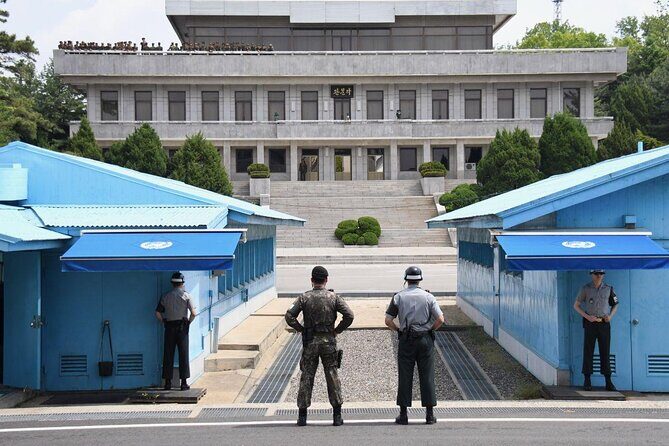
- Dorasan Observatory telescope view of North Korea: the trip’s most famous sight, with time built in for viewing and questions.
- Third Tunnel of Aggression: a long, serious underground stop that makes the “threat mindset” feel physical.
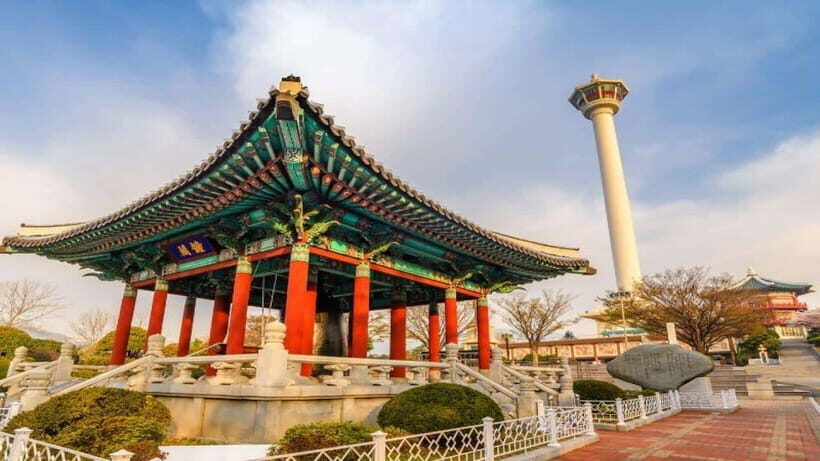
- Imjingak Peace Park core route: Bell Tower, Peace Bell, steam locomotive, and the Bridge of Freedom story in one sweep.
- Optional DMZ Peace Gondola: a newer way (launched 2020) to see the edge area from above the Imjin River.
- Optional Majang Lake Suspension Bridge: a calmer finale with a 262-meter crossing and lake views.
- Guides who keep the day moving: people often call out smooth pacing and clear direction between stops.
Entering the DMZ from Seoul: why this tour hits differently

The DMZ is one of those places where “history” stops being a school subject and turns into a set of borders you can point at. This day trip is built to show you both sides of that feeling: the heavy part (war artifacts, infiltration tunnels, checkpoints) and the human part (memorials, reunification messages, families remembering those separated).
The tour runs about 8 hours, with multiple meeting points in Seoul and complimentary hotel pickup from the downtown area or a main subway stop near your hotel. If you’re short on time, you get a lot of key sites packed into a single loop without having to coordinate buses, tickets, and timing yourself.
You’ll also get a professional English or Chinese guide, and that matters here. The DMZ isn’t just a photo stop. The best guides help you understand why these specific monuments exist and what each stop was made to do—teach, mourn, and hope.
You can also read our reviews of more tours and experiences in Seoul.
Pickup points and pacing: how the day stays manageable
The tour starts at one of three meeting locations:
- Myeongdong Subway Station Exit 9
- Seoul City Hall Subway Station Exit 6
- Hongdae Subway Station Exit 3
Show up 10–15 minutes early at your chosen stop, because these tours move as a group. On the bus, your guide typically gets you oriented before you reach the first DMZ area sites.
Here’s what I like about the scheduling logic: it balances indoor, outdoor, and checkpoint-heavy moments so you aren’t stuck waiting around too long. Some days include weather or visibility surprises, and the better-run versions of this tour adjust the order so you don’t miss the best viewing window—especially at the observatory.
Group size can reach up to 150 people, so you should expect occasional crowding at the most popular photo spots. The good news is the itinerary is structured in chunks, and the guide helps keep everyone from wandering off at the wrong time.
Myeongdong, City Hall, and Hongdae: the “easy start” you feel all day
If you’ve ever done a day trip that starts with a confusing meetup, you’ll appreciate how this one handles it. You meet at known subway exits, then the bus handles the long drive north.
Myeongdong is convenient if you’re already shopping or eating in central Seoul. Seoul City Hall works well if you’re near office districts and want a clean, easy transit landmark. Hongdae is handy for anyone staying in the west-side nightlife corridor.
One practical tip: because the day moves fast and requires ID later, keep your essentials simple. Wallet, passport/ID, and a layer you can manage quickly. The pace can leave little time for rummaging.
Imjingak Tourist Information Center, then Imjingak Peace Park: where the stories begin
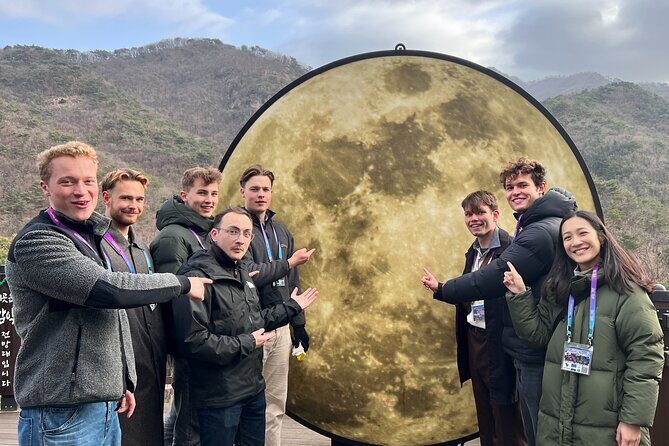
After you arrive at the DMZ-side civilian areas, the itinerary starts with a quick administrative stop at the Imjingak Tourist Information Center to collect clearance and tickets for the civilian-controlled zones.
Then you head into Imjingak Park, where the focus turns to remembrance and reunification. This is the part of the day that often feels less like a battlefield and more like a promise that won’t go away.
You’ll see highlights such as:
- The Bell Tower, tied to the hope of return
- The Peace Bell (Pyeonghwauijong): a 21-ton bronze symbol cast in 2002
- The steam locomotive at Jangdan Station on the Gyeongui Line, a preserved reminder of the pre-war rail era halted by the Korean War
This cluster matters because it frames what you’re about to witness. The DMZ isn’t only about what’s blocked. It’s also about what people built here to mourn and to keep the idea of a reunion alive.
One small drawback: this part of the day can feel “stop-and-exit,” since you’re moving from one monument to the next. If you love slow travel, bring a mindset of quick readings and good listening, not deep lingering at every plaque.
Bridge of Freedom and the Imjin River edge: the most emotional crossing in a short time
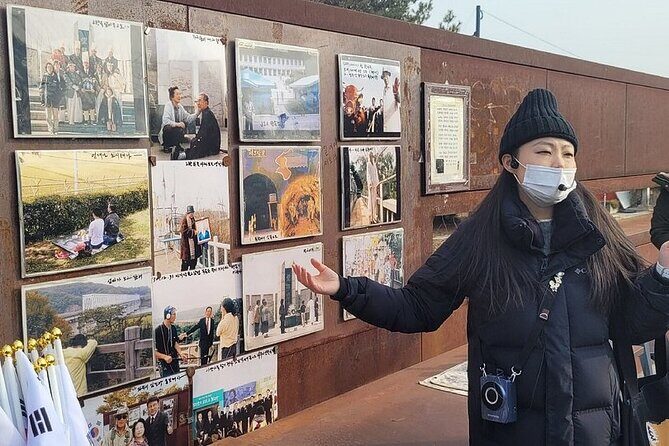
The Bridge of Freedom is one of the itinerary’s signature moments. It’s described as a wooden span built in 1953 to replace a war-torn railroad bridge over the Imjin River. The reason this stop lands is the human scale of the story—12,773 POWs returned to South Korea here, and the guide typically ties that moment to what “freedom” meant at the time.
You’ll also have an optional add-on here: the Paju Imjingak Peace Gondola (launched in 2020). It gives you a higher-angle view over the Imjin River edge area—designed to help you see the border setting from above instead of only from ground level. If you’re the kind of person who likes both history and visuals, this is a smart optional choice.
Then comes a calmer, reflective set of stops:
- Mangbaedan Memorial Altar (built 1987), where families leave tributes for relatives in North Korea during traditional holidays
- A bus passing over the Imjin River area, where you may notice birds and wildlife that have been able to flourish since the armistice
If you’re sensitive to emotional sites, this section can hit hard—in a good way. The key is that your guide usually keeps the tone clear and informative, not dramatic for drama’s sake.


The Unification Bridge checkpoint: what to bring and why timing matters
Next is a brief stop at Unification Bridge, which functions as a military checkpoint. Soldiers inspect the bus and do ID checks before allowing entry.
This is where you absolutely don’t want to be unprepared. Have your passport, Military ID, or South Korea-issued ID ready. If you’re traveling with a group, this part can be smooth or stressful depending on who prepared the documents earlier.
Timing can also shift here. In some cases, military activity and operational changes can lead to earlier-than-expected closing times in nearby areas. The best approach is to treat the schedule as a guide, not a promise. Your guide’s job is to keep the group moving so you still see the key stops that matter most.
Touring the Third Tunnel of Aggression: the stop that makes it real
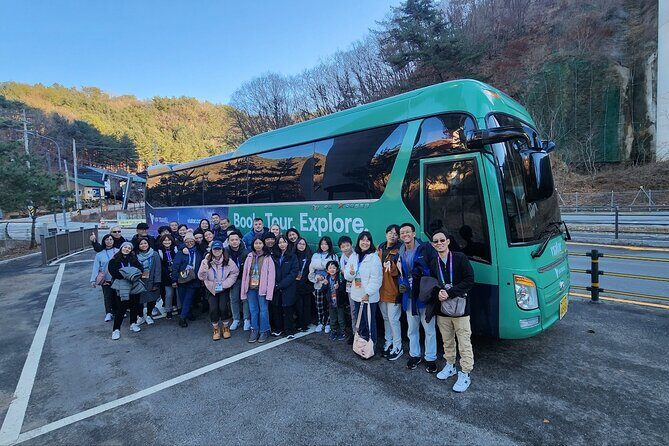
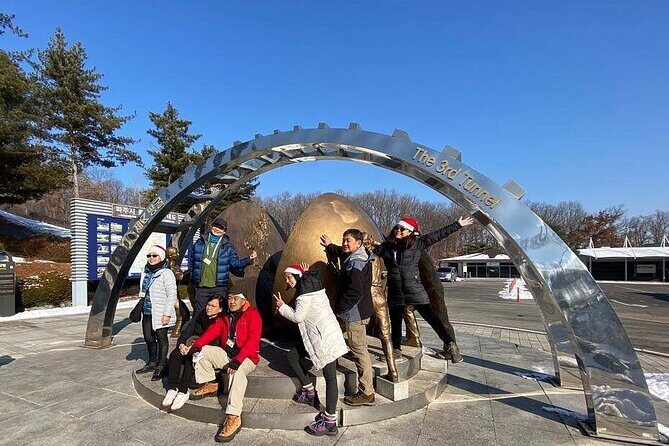
The Third Tunnel of Aggression (also called the 3rd Infiltration Tunnel) is the headline you came for. It was unearthed in 1978, about 52 km from Seoul and 12 km from Munsan.
You’ll enter a tunnel that’s described as 1,635 meters long. Walking inside changes your understanding instantly. Even without any additional “story time,” the physical experience does the work: narrow space, the sense of distance, and the reality of how planning for infiltration looked on the ground.
Practical tip from tunnel experiences: you may be issued a hard hat, so fasten it securely. Taller people sometimes bump their head if they don’t wear it right, and it’s the kind of small fix that saves you pain and distraction.
Also: the tunnel environment can feel different from outside. Bring a layer you can handle. If it’s hot and humid on the surface, the transition into the tunnel is usually tolerable, but you’ll feel the contrast.
Dora Observatory: the telescope moment for seeing North Korea
If the Third Tunnel is the “threat made physical” stop, Dora Observatory is where the day turns into a straight line of sight. It sits at Dorasan, and it’s described as the closest viewing area from South Korea.
Dora Observatory was originally established in 1986 and revamped in 2018. You’ll go there as a high point, with time to view North Korea through a high-powered telescope.
Two practical things help you get more out of this stop:
- Be ready to ask questions. A good guide can explain what you’re seeing and why the view works the way it does.
- Buy only what you actually want. The observatory area may include North Korean products you can purchase. It’s a cultural artifact moment, not a typical souvenir shop run.
This is usually the most memorable moment for people because it turns “the other side” into something visible, even if only at a distance. It also tends to be where weather matters most, so if your day includes fog or rain, pay attention to what your guide tells you about timing and visibility.
Tongilchon-gil and Jangdan soybeans: the quiet break after intensity
After the tunnel and observatory, the itinerary adds a softer, local flavor through Tongilchon-gil and a village stop near the civilian control line. It connects the DMZ to everyday food and farming.
You’ll see Jangdan soybeans referenced as a local prized product, with a description of a velvety, nutty taste. It’s not a huge food stop, but it’s a useful reminder that the DMZ isn’t only about military lines. It’s also about land, cultivation, and what people can still grow in controlled zones.
This is a good point to slow down for a moment, even if you’re not buying anything. Use the time to regroup, hydrate, and reset your energy for the finale.
Optional Majang Lake Suspension Bridge: a scenic ending that feels less heavy
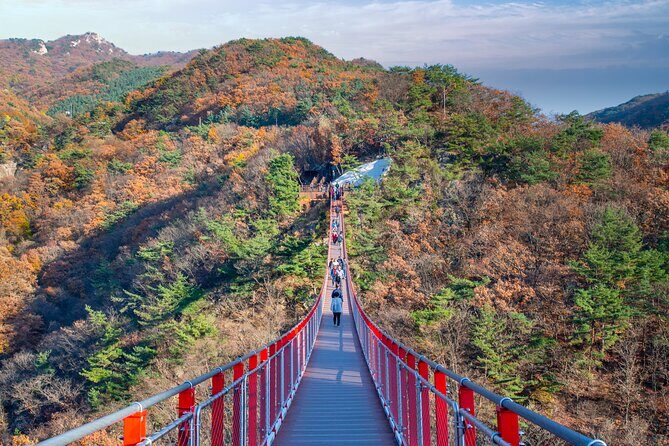
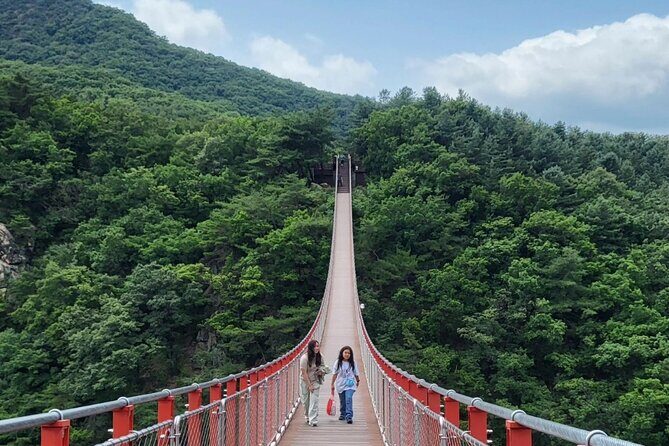
For the version you’re looking at, there’s an optional finale: crossing the Majang Reservoir Suspension Bridge over Majang Lake. It opened in 2020 and is described as 262 meters long, rising about 25 meters above the lake.
This part is optional, but it’s an appealing way to close the day. You go from border seriousness to open air, water views, and a straightforward walking crossing. If you want photos with a lighter emotional tone, this fits the bill.
If you skip the bridge, you’ll still return the same way the tour ends, but with a different final feel.
Cost and value: is $35 a fair deal for this much structure?
At $35 per person, the value here isn’t just the price tag. It’s the structure:
- You get guided interpretation in English or Chinese
- You’re handled with a planned route that includes major DMZ-side sites
- You get complimentary pickup support and a single-day logistics solution
The major downside to factor in: lunch is not included. Also, optional add-ons like the gondola or Majang Lake bridge depend on what you select.
If you’re price-sensitive, this tour can feel like a bargain compared to piecing together separate transport and guide services. If you’re time-sensitive, the value may be even higher because DMZ days are hard to DIY well.
My advice: plan your own lunch strategy in advance. Bring snacks if allowed by your comfort level and consider buying water before you enter areas where you may have limited choices.
Also note the tour includes optional add-ons beyond Majang Lake, such as the Gamaksan Red Suspension Bridge and strawberry picking if selected during checkout. If you add extras, your day stays full, so keep expectations flexible.
Who should book this DMZ day trip (and who might want a different plan)
This works best for:
- First-time visitors to Seoul who want a focused DMZ day without extra planning
- People who like guided context, not just photos
- Anyone curious about the human side of the Korean War story through peace sites and memorials
You might want a different plan if:
- You have low tolerance for walking with stairs and tunnel steps
- You dislike checkpoint-heavy days where ID prep is non-negotiable
- You prefer very slow travel and lots of unstructured time
Also, if you’re traveling with kids or elders, double-check energy levels before you commit. The sites are important, but the physical demands are real.
Should you book the Seoul DMZ tour to the Third Tunnel and Majang Lake bridge?
Yes—if your goal is a high-impact DMZ day with clear organization and strong guide storytelling. This tour’s best feature is the mix: peace-site grounding (Imjingak), emotional border history (Bridge of Freedom), the headline underground stop (Third Tunnel), then the telescope view (Dora Observatory), and finally an optional scenic release (Majang Lake bridge).
Just go in with the right expectations. Bring your ID, dress for stairs and long hours, and don’t treat it like a quick sightseeing loop. If you do that, you’ll come away with the kind of understanding that lingers long after the bus drops you back in Seoul.
FAQ
FAQ
How long is the DMZ Tour Seoul to North Korea’s 3rd Tunnel & Majang Lake Crossing?
It runs about 8 hours (approx.).
What does it cost?
The price is $35.00 per person.
Where do I meet the tour in Seoul?
The tour has three meeting points: Myeongdong Subway Station Exit 9, Seoul City Hall Subway Station Exit 6, and Hongdae Subway Station Exit 3. The meeting instructions ask you to arrive 10–15 minutes early.
Is there a guide, and what languages are offered?
Yes. You’ll have a professional tour guide in English or Chinese.
Do I need to bring my passport or ID?
Yes. At Unification Bridge, soldiers do ID checks, and you should bring your passport, Military ID Card, or a South Korea-issued ID.
Is lunch included?
No. Lunch is not included.
Are Majang Lake and other add-ons optional?
Yes. Majang Lake Suspension Bridge is optional, and there are also optional choices such as the Paju Imjingak Peace Gondola, plus other add-ons (Gamaksan Red Suspension Bridge and strawberry picking) if selected during checkout.
Can I cancel if my plans change?
You can cancel for a full refund up to 24 hours before the experience’s start time.