REVIEW · SEOUL
3-Day Korea Western course by K-shuttle Tour from Seoul to Busan
Book on Viator →Operated by US Travel Korea · Bookable on Viator
Western Korea, minus the transit headache. This 3-day Seoul-to-Busan ride stitches together classic historical stops and easy coach logistics, so you can see more of the west coast without fighting schedules or language all day. I like that the tour is built for comfort and flow, with time at major sights plus 4-star accommodation and breakfasts included.
One thing to plan for: getting on the right bus can be confusing if you arrive late or your guide staff are still lining things up. I’d treat the meeting spot like a meet-and-greet, double-check your group name, and arrive early.
In This Review
- Key Points Worth Your Attention
- Why This Seoul-to-Busan West Korea Route Feels Easier
- Price and Value: What $749 Really Covers
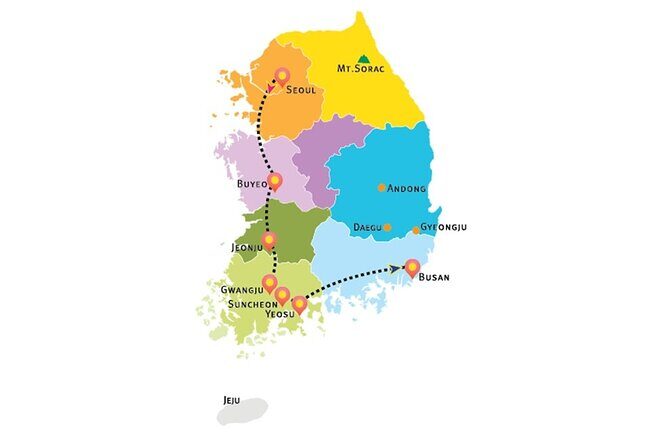
- Day 1: Baekje Tombs, Fortress Views at Gongju, and Jeonju’s Hanok Streets
- Songsan-ri Tombs & the Royal Tomb of King Muryeong (2 hours, free)
- Gongju Gongsanseong Fortress (1 hour, free)
- Jeonju Hanok Village (2 hours, free)
- Day 2: May 18 Memorial Reality, Suncheon Bay’s Garden Science, and Admiral Yi’s Legacy
- May 18 National Cemetery (2 hours, ticket included)
- Suncheon Bay Garden (2 hours, ticket included)
- Statue of Admiral Yi Sun-sin (2 hours, free)
- Day 3: Jinju’s Jinjuseong Fortress and Your Busan Station Drop at 13:00
- Jinjuseong Fortress (1 hour, free)
- Busan Station Plaza drop (around 13:00, ticket-free)
- Guides, Hotels, and the Parts You’ll Feel Day to Day
- Getting on the Right Bus: The One Detail I’d Not Ignore
- Who This Tour Fits Best (and Who Might Want to Look Elsewhere)
- Should You Book This 3-Day West Korea Course?
- FAQ
- FAQ
- What is the duration of the Korea West course?
- How much does the tour cost per person?
- Where do I meet the tour in Seoul?
- When do I get dropped off in Busan?
- What meals are included?
- What kind of accommodation is provided?
- Is an entrance fee included for attractions?
- What info do I need when booking?
Key Points Worth Your Attention
- Coach travel that solves the west coast logistics (you focus on sights, not transfers)
- Baekje-era sites like the Royal Tomb of King Muryeong with real archaeological intrigue
- Jeonju Hanok Village time for traditional roofline streets and food like bibimbap
- Memorial history at the May 18 National Cemetery followed by calmer garden scenery
- Suncheon Bay Garden conservation area with seasonal color like tulips and royal azaleas
- Jinjuseong Fortress in Jinju for a fortress view tied to the 1592 invasion era
Why This Seoul-to-Busan West Korea Route Feels Easier
This tour works for one simple reason: it moves you across South Korea’s west side by coach, with someone handling the driving and timing. If you’ve ever tried to stitch together provincial sights from Seoul using public transport, you know how fast the day turns into buses, transfers, and translation apps. Here, you’re paying for fewer headaches, not just admission tickets.
You also get a thoughtful mix of themes. Day 1 leans into older kingdoms and fortress viewpoints. Day 2 shifts into modern remembrance and nature gardens. Day 3 closes on Jinju’s fortress history and then drops you at Busan Station Plaza around 13:00. That structure helps you pace yourself instead of cramming.
And yes, the tour description includes a green tea plantation stop in Boseong. If your date includes it, that’s the “breather” part of the journey—countryside flavor after city museums and memorials.
A few more Seoul tours and experiences worth a look
Price and Value: What $749 Really Covers
At $749 per person for about 3 days, this isn’t a budget day trip. The value comes from what’s bundled.
Here’s what you’re paying for that reduces your independent planning burden:
- 2 nights in 4-star accommodation
- Transfers by coach across multiple regions
- A professional guide (and the history-heavy stops really benefit from that)
- Breakfasts as listed in the itinerary
- Some entrance fees included, while other sights are listed as free
In other words, you’re not just buying attractions. You’re buying an organized route where the “hard parts” are removed—long-distance coach timing, hotel coordination, and route interpretation. It also matters that the tour has a maximum of 40 travelers, which usually keeps group dynamics more manageable than big-city day tours.
Day 1: Baekje Tombs, Fortress Views at Gongju, and Jeonju’s Hanok Streets
Day 1 starts early. You meet at the parking lot next to Dongwha Duty Free on Sejong-daero, near Gwanghwamun subway station exit 6, at 8:00 am. There’s also a short first scheduled stop labeled 145 (about 30 minutes, ticket-free). This is one of those “get everyone positioned” pieces that matters—arrive rested enough to enjoy the long day ahead.
Songsan-ri Tombs & the Royal Tomb of King Muryeong (2 hours, free)
This stop is one of the most intriguing on the whole route because it mixes architecture with detective-story discovery. You’ll visit the Songsan-ri Tombs associated with the Baekje period (when Baekje’s capital was Gongju). The famous detail here is the Royal Tomb of King Muryeong: it’s tied to King Mu-Ryeong (reign 462–523) and his queen, and it was found during installation work meant to prevent flooding around other tombs.
What makes it worth your time isn’t just the name. The tomb is noted for being unusual in construction, using bricks like another Baekje tomb, and it produced national treasures inside. That kind of context is exactly where a good guide earns their keep. Even if you only pick up a few facts, you’ll still leave understanding how archaeology helps scholars piece together Baekje culture.
Gongju Gongsanseong Fortress (1 hour, free)
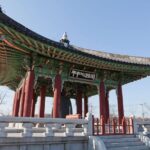
After the tombs, you shift to a mountain castle experience. Gongsanseong Fortress is a Baekje-era stronghold, and you get a view over the Geumgang riverside. There’s a walking trail, and if you continue a bit further up, you’ll reach the Imnyugak Pavilion, described as the largest of its kind within the fortress.
This stop is ideal if you like views you can actually feel. It’s not only about standing in front of stone walls. You’ll be moving along the paths, with the riverside scenery doing half the work. If you’re sensitive to hills, wear comfortable shoes and plan for a steady pace.

Jeonju Hanok Village (2 hours, free)
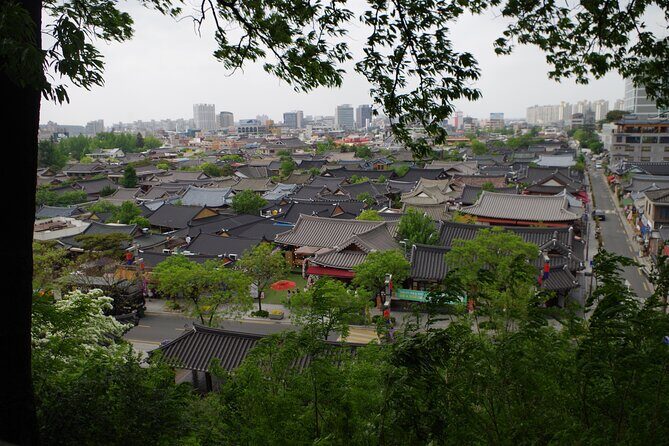
Then you arrive in Jeonju, where the mood changes. The Hanok Village scene is less about big-ticket monuments and more about atmosphere: traditional houses, and those distinctive roof edges that lift slightly toward the sky. There’s also a Hanok Life Experience Hall area, where you can experience traditional Korean life and food.
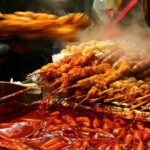
One of the practical pleasures here is food time. Jeonju is especially associated with bibimbap, and that’s the kind of meal you’ll likely want to order while you’re wandering. The tour says traditional food is part of the experience, and that’s a big part of why this stop works even if you’re not obsessed with architecture.
Small consideration: two hours passes quickly once you start walking and eating. If you want photos and food, set a rough plan in your head before you enter.
Day 2: May 18 Memorial Reality, Suncheon Bay’s Garden Science, and Admiral Yi’s Legacy
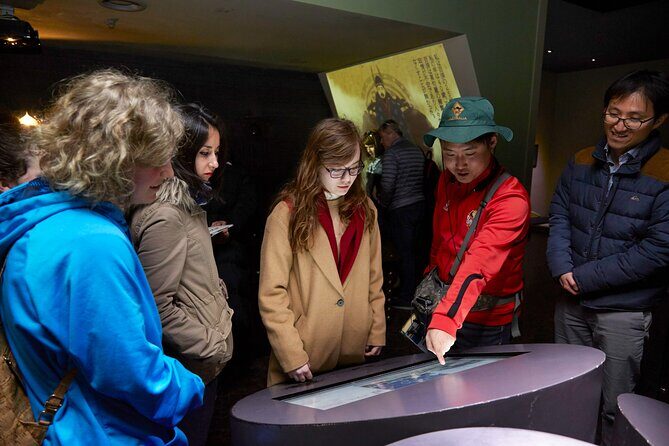
Day 2 is heavier emotionally, then lighter visually. It starts with a full focus on remembrance, moves into conservation and seasonal blooms, then ends on a military-history anchor.
May 18 National Cemetery (2 hours, ticket included)
This stop is the tour’s most solemn moment. It’s described as the symbol of freedom and democracy, linked to victims of the May 1980 democratic struggle. You’ll see how the site honors those who were carried and buried by handcarts and garbage trucks, and you’ll learn that the graves were exhumed and reburied in 1997.
Even if you only absorb a few core details, this is the kind of place that changes your perspective. It’s also why I think the guide component matters so much here—you need help understanding what you’re seeing, not just reading signs and moving on.
Suncheon Bay Garden (2 hours, ticket included)
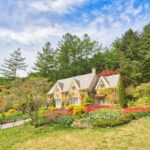
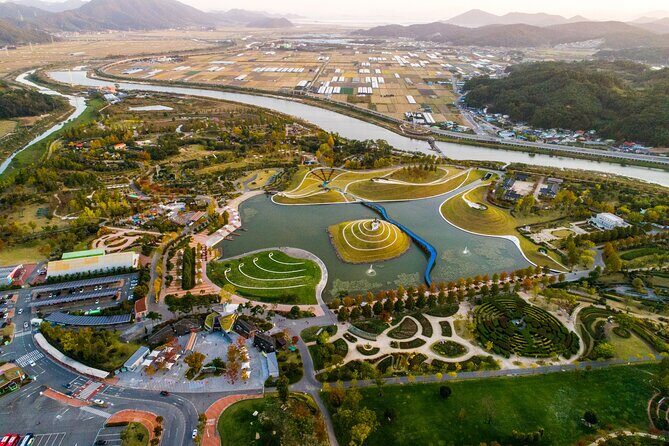
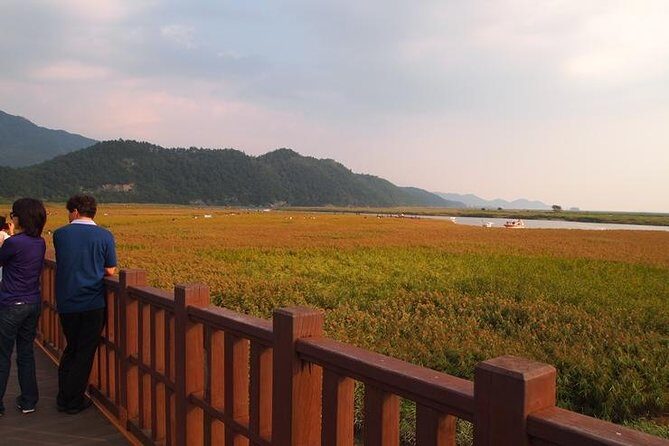
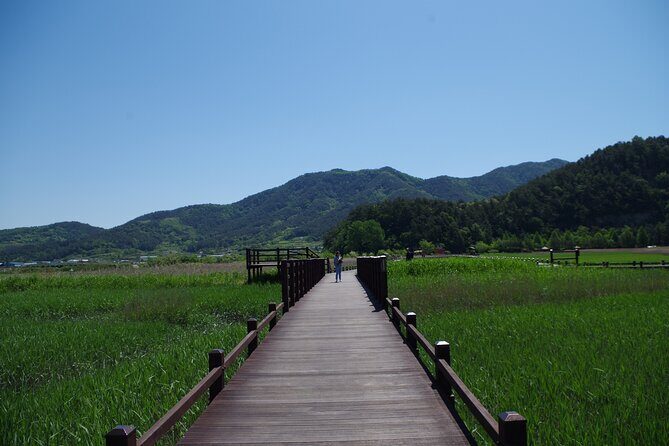
After that, you switch from solemn memorial ground to a conservation-minded garden space. Suncheon Bay Garden is built to protect and showcase a large natural habitat area, with hundreds of tree and flower species. It highlights tulips and royal azaleas as standout seasonal colors.
It also mentions a nearby canola flower field (30,000 square meters) that creates yellow “waves” in May, plus canopy shade from trees. Even if your travel month isn’t May, the garden concept still makes sense: you’re walking through a curated patch of nature designed for long-term conservation, not only photo ops.
Statue of Admiral Yi Sun-sin (2 hours, free)
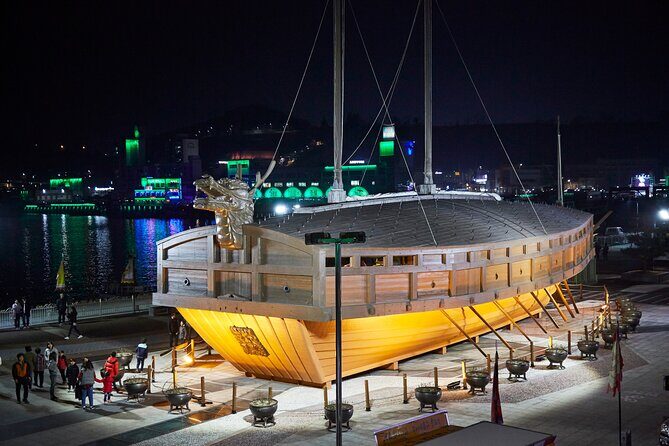
The day ends at the Statue of Admiral Yi Sun-sin site. Admiral Yi is one of Korea’s most famous military leaders, and the tour notes that during the Japanese invasion in 1592–1598 (Imjin Waeran War), this location served as his headquarters. The site includes artifacts and an indoor hall designated as National Treasure No. 304 in 2011.
This stop balances out the memorial. You’re still in history mode, but now it’s framed through leadership and defense. If you like war-history storytelling tied to real locations, this is one of those sites that keeps history concrete.
Day 3: Jinju’s Jinjuseong Fortress and Your Busan Station Drop at 13:00
Day 3 is shorter and more focused. You’ll start with Jinjuseong Fortress for about 1 hour and then finish with a drop-off at Busan Station Plaza around 13:00.
Jinjuseong Fortress (1 hour, free)
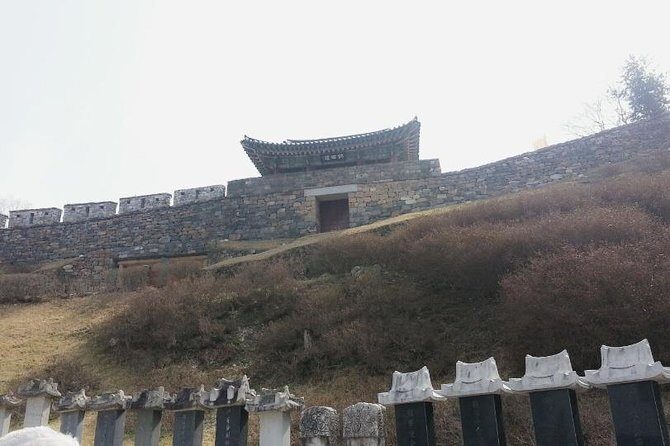
This fortress is tied directly to the 1592 invasion era. The tour also walks through how the name evolved over centuries: it was originally Geoyeolseong Fortress in the Three Kingdom Period, then Chokseokseong Fortress in the Goryeo Dynasty, and finally Jinjuseong Fortress in the Joseon Dynasty.
I like fortress stops like this because they make history visible. Even if you’re not memorizing dates, you’ll understand the place’s strategic logic. Fortresses were built for a reason—sight lines, defense, and control—so standing there gives you a different kind of learning than a museum room.
Busan Station Plaza drop (around 13:00, ticket-free)
After the fortress, you’re dropped at Busan Train Station Plaza. That timing matters if you’ve got a later KTX or a hotel check-in scheduled. Since lunch and dinner aren’t included on the tour, you’ll want to think ahead: have a plan for what you’ll eat after drop-off, either near the station or wherever you’re staying.
Guides, Hotels, and the Parts You’ll Feel Day to Day
The guide is a quiet superpower on this kind of multi-city trip. From past guide experiences shared with the operator, names like Justin and Mr Kim (MS) stand out for strong, practical storytelling. The best guides don’t just recite dates. They connect the sites, and they help you with on-the-ground choices—what to do in the evening, what to eat, and how to make hotel check-in smoother when the day ends.
Hotel-wise, you’re getting 2 nights in 4-star accommodation, which is a big deal when you’re on a long coach schedule. Even when sightseeing is great, fatigue sneaks up on you. Having a solid room base makes the rest of the itinerary easier to enjoy.
Two more practical notes that affect your comfort:
- Luggage: you’re told to bring only one luggage per person, since the vehicle compartment has limited space.
- Room setup: if you’re traveling in a group with an odd number of people, some rooms may be shared with a pullout bed for the third person at no extra charge. If you want a single room, there may be a single traveler surcharge.
Getting on the Right Bus: The One Detail I’d Not Ignore
One mixed point that’s worth taking seriously: boarding the correct bus can be a hassle if things aren’t clearly organized at first. The tour data includes a note that it can happen when groups are new and guides aren’t instantly aligned, leading to waiting and name-check confusion.
So do this:
- Be at the meeting area early—before 8:00.
- Use the specific landmark: Dongwha Duty Free and Gwanghwamun exit 6.
- Have your booking info handy and match your group name when the bus is called.
It’s not a deal-breaker. It’s just one of those “small prevention, big peace” steps that keeps your day from starting with stress.
Who This Tour Fits Best (and Who Might Want to Look Elsewhere)
This tour fits best if you want to see multiple regions across South Korea’s west side with less independent navigation. You’ll probably like it most if:
- you’d rather spend time with a guide than planning transit between far-flung sights
- you enjoy history grounded in real places, like Baekje tombs and fortress walls
- you want at least a couple of nature moments, like Suncheon Bay Garden
You might hesitate if you prefer total freedom to linger in one town or skip stops. This is a set-route experience. Also, lunches and dinners aren’t included, so you’ll need to handle meals on your own during daytime segments.
Should You Book This 3-Day West Korea Course?
If you want a smooth introduction to the west coast, this is a strong option. The big reasons to book are comfort-focused coach travel, 4-star lodging, and a route that mixes history, memorial reflection, and garden scenery without making you design the whole itinerary yourself. The guide can also make a difference—when you get someone like Justin or Mr Kim (MS), the day feels clearer and easier, especially at the history-heavy stops.
I’d book with extra confidence if you’re okay with group pacing and you’ll show up early at the start point. If you hate any chance of morning confusion, you may prefer a fully flexible plan instead.
FAQ
FAQ
What is the duration of the Korea West course?
The tour runs for 3 days (approx.).
How much does the tour cost per person?
The price is $749.00 per person.
Where do I meet the tour in Seoul?
You meet at the parking lot next to Dongwha Duty Free149 Sejong-daero, Jongno District, at Gwanghwamun subway station exit 6, with the start time at 8:00 am.
When do I get dropped off in Busan?
The drop point is Busan Train Station around 13:00 pm on day 3, at Jungang-daero, 초량제3동 Dong-gu, Busan.
What meals are included?
Breakfasts are included (listed as B). Lunch and dinner are not included.
What kind of accommodation is provided?
The tour includes 2 nights of 4-star accommodation.
Is an entrance fee included for attractions?
Some entrance fees are included, while other stops are listed as free. The included entrance tickets are specified per stop (for example, May 18th National Cemetery and Suncheon Bay Garden).
What info do I need when booking?
You’ll need your passport name, number, expiry, and country for all participants, and you should bring only one luggage per person.