REVIEW · SEOUL
Private DMZ tour(Tunnel / Observation) with hotel pick up
Book on Viator →Operated by Top Korea Tour · Bookable on Viator
Seoul’s DMZ day feels close and real. This private tour pairs hotel pickup with a guided visit to the Third Infiltration Tunnel and Dora Observatory, so you grasp the Korean War’s armistice legacy without spending all day on a huge bus crowd. One consideration: it is not JSA, and the tunnel stop can feel tight, so this is not a good match if you’re claustrophobic.
I like how the day is built around viewpoints and context, not just checkpoints. You start at Imjingak Pyeonghoa-Nuri Park, then head into the military area outside the DMZ for the tunnel and Dora, and you end back near Imjingak for a North Korea museum visit where you can meet a defector and ask questions. Also, guides such as Juno Lee (and others like Miae or June) are known for clear English and for handling questions well, even with families in the mix.
In This Review
- Key things to know before you go
- Private DMZ tour: Tunnel and Dora, not JSA
- Your morning plan: Seoul pickup and the ride to Imjingak
- Imjingak Pyeonghoa-Nuri Park again: why the schedule ends here
- How the DMZ portion works: bus transfers and quick stops
- Walking the Third Infiltration Tunnel: expectations and smart prep
- Dora Observatory: the view that makes the division make sense
- Imjingak museum time: meeting a North Korean defector
- The guide and group energy: what makes it feel private
- Price and value ($210): what you get for the money
- Who should book this DMZ Tunnel and Dora tour
- Should you book this tour?
- FAQ
- Is this tour inside the DMZ?
- Does the tour include hotel pickup?
- What time does the tour start, and how long is it?
- Do I need a passport?
- What are the main DMZ-area stops?
- Is lunch included?
- Are tickets included?
- Is this tour private?
- What should I do if I’m claustrophobic?
- What if I book and need to cancel?
Key things to know before you go
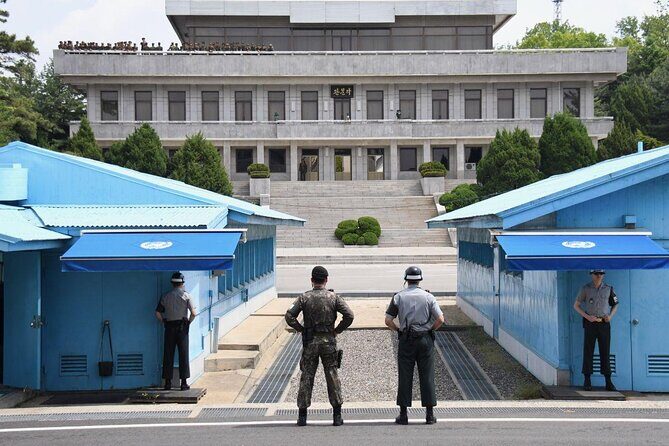
- Not JSA, not inside the DMZ: you won’t cross into the armistice meeting site or enter the DMZ proper, but you do visit the military zone outside it.
- Passport time: you should bring your passport because you’re going into a military-controlled area.
- Third Tunnel is the physical test: walking inside is part of the experience, and claustrophobia is specifically called out as a no-go.
- Dora Observatory is your big-picture moment: you get distance views that help you understand how the border line works.
- Imjingak ends with real conversation: you visit a North Korea-focused museum and have a chance to meet a defector.
- Included tickets, water, and expert English: you’re paying for the full day logistics plus access to the tunnel and Dora.
Private DMZ tour: Tunnel and Dora, not JSA
After the Korean War armistice agreement in July 1953, the DMZ buffer zone was drawn to prevent direct fighting again. This tour is built to explain that reality on the ground. You’ll see the division through the lens of what happened after the war and how military measures shaped daily life up to today.
Here’s the important distinction: this is a DMZ tour, not JSA. JSA is where the armistice was signed, and it’s also the place people associate with high-profile diplomatic meetings. If you’re chasing that exact armistice-site experience, you’ll want a dedicated JSA tour instead, because this one is focused on the tunnel and observatory.
You’ll also hear the word DMZ in the tour description, but what you’ll do on this itinerary is go to the border-area sites that are in the military zone outside the DMZ. That matters because it affects what rules apply. You’re specifically asked to bring your passport, and the day includes time on a controlled itinerary bus once you’re in that area.
You can also read our reviews of more private tours in Seoul
Your morning plan: Seoul pickup and the ride to Imjingak
The tour starts at 8:00 am and runs about 7 to 8 hours total. Pickup is offered from your hotel area, and it’s arranged with an air-conditioned vehicle, which is handy in a Korean summer or winter morning.
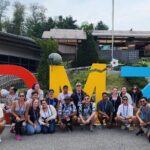
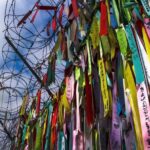
You’ll spend about an hour traveling from Seoul to Imjingak Pyeonghoa-Nuri Park. This stop is a grounding start: Imjingak was created after early talks between South and North Korea in 1972, and it became a place for longing and hopes around unification. Even if you already know the basics, it helps to begin the day here before you hit the militarized sights.
Admission for this stop is free, and the tour guide adds structure as you go. You’re not just transported. You get English tour information along the way, which makes the later stops easier to read.
Imjingak Pyeonghoa-Nuri Park again: why the schedule ends here
This itinerary brings you back to Imjingak Pyeonghoa-Nuri Park at the end of the day. That second stop is shorter, around 40 minutes, and it’s geared toward North Korea-focused understanding.
You’ll visit a museum about North Korea, and you’ll have a chance to meet a North Korean defector and interview them. That part of the day is emotionally intense for many people, but it’s also the reason this tour can feel more human than a simple sightseeing loop.
It’s a good reminder that the DMZ story isn’t only about terrain and weapons. It’s also about people, decisions, and what it takes to leave a closed system. If you’re the kind of traveler who likes to ask direct questions, this is the segment where you’ll likely get the most from the day.
How the DMZ portion works: bus transfers and quick stops
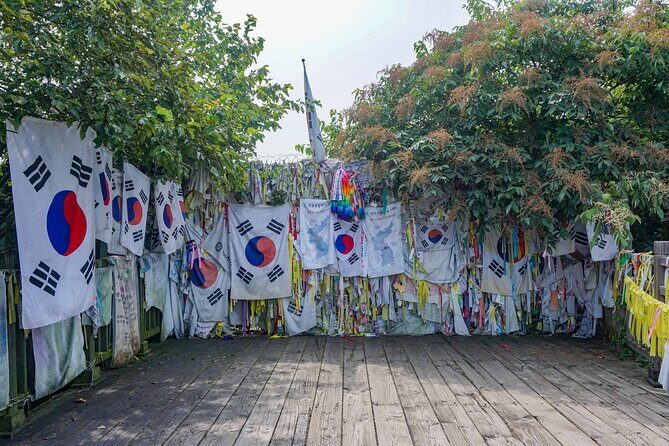
After your first leg, you’ll shift to a DMZ tour bus for the border-area visiting portion. The tour is organized around three main components you’ll make it to during this segment: the Third Infiltration Tunnel, Dora Observatory, and a quick stop at a supermarket in Unification Village.
That Unification Village stop is not a full market visit. It’s a quick pause, the kind of practical moment that helps you get snacks or basic supplies if needed. It can also be a chance to see daily life infrastructure at the edge of the border area, even if your time there is brief.
One logistics note: lunch is not included. The day is long enough that you’ll want to plan what you’ll eat between the morning and the end. Bring patience, and consider having a light meal before pickup so you don’t feel rushed early.
Walking the Third Infiltration Tunnel: expectations and smart prep
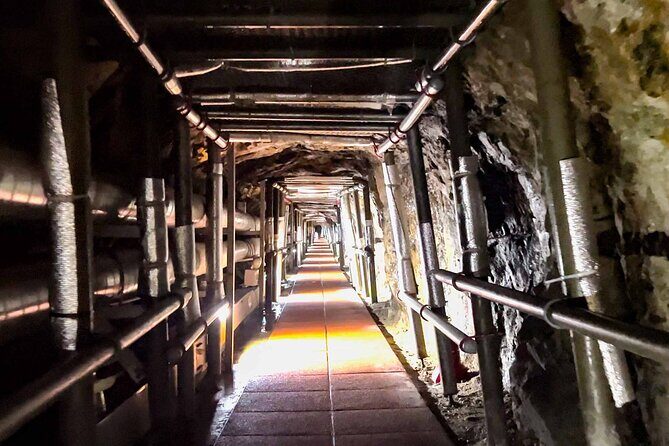
The Third Infiltration Tunnel is the centerpiece stop for most people. You’ll walk through the tunnel dug by North Korea, and the tour includes admission for this segment.
What to know before you go is that the tunnel experience is physical and mental. The tour listing specifically says it’s not recommended for claustrophobic travelers. Even if you think you’re fine, you should take that warning seriously because tunnel conditions can feel restrictive in a way that surprise-sensitivity can’t always override.
Your physical fitness needs are described as moderate. You don’t need to be an athlete, but you should be comfortable walking and moving during the tunnel portion. If you have any mobility limits, this is worth checking carefully against your own comfort level.
The tunnel is also explained with a striking claim you’ll hear during the visit: that tens of thousands of armed soldiers could pass in an hour if the tunnel were fully completed. The point isn’t to treat it like a math puzzle. The point is scale. Standing at the start, knowing what this was built to enable, changes how you read the border from a distance.


Dora Observatory: the view that makes the division make sense
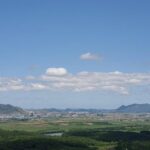
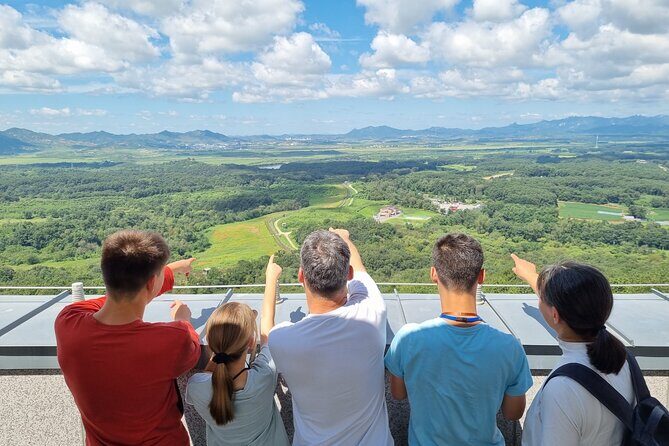
After the tunnel, you go to Dora Observatory. This stop is designed to help you witness the tragic border of Korea from a distance.
Observatories are always a little abstract if you don’t have context. That’s why this is paired with the tunnel earlier in the day. The tunnel gives you the idea of movement and intent. Dora gives you the idea of how the border line holds that intent back.
At Dora, you also get an angle on the progress of cooperation between the South and North Korea, as described by the tour guide during the visit. In practice, that means you’re not only looking at conflict. You’re also learning what cooperation can look like in a place where the fundamental division remains.
One practical plus from the guide performance described by past groups: the observatory stop includes chances to take photos of North Korea from the deck area. If photography matters to you, this is the point in the day where good lighting and clear time can really help your results—so don’t treat Dora like a quick photo stop only.
Imjingak museum time: meeting a North Korean defector
By the time you reach the final Imjingak segment, you’re no longer just collecting facts. The museum and defector meeting shifts the tone.
You’ll have about 40 minutes here. During that window, you visit a North Korea museum, and you get a chance to meet a defector and interview them. The tour description doesn’t spell out exact question topics, but it’s clearly set up for conversation, not a passive lecture.
This is where you should come ready with one or two questions you actually care about. For example: daily life before leaving, how the DMZ and border propaganda shaped ideas, or what changed after arriving in South Korea. Even if you don’t know what to ask in advance, you’ll usually leave with plenty of follow-up prompts once you hear someone’s story.
The guide and group energy: what makes it feel private
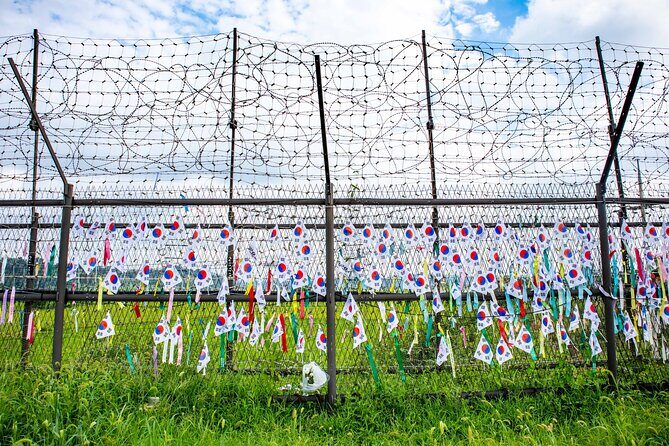
Even with a name like private, the big difference on DMZ tours is often the human factor: how many people are in the vehicle, how much attention you get, and how well the guide manages timing.
This tour is set up as private for your group, but you may still notice how guides shape the day. People who booked with guides such as Juno Lee highlight clear English, strong explanations, and the ability to make the trip work for the group’s schedule. There are also notes about flexibility and timing adjustments, including pickup happening around 7:30 for some groups.
You’ll also see praise for engaging group dynamics, including a smaller group experience around 5 people compared with the kind of larger buses that can feel like a conveyor belt. That smaller feel matters on a day like this, because timing inside tunnel and at observatories is easier to manage when the group isn’t too large.
Other guides mentioned in feedback include Miae and June, both described as warm, helpful, and good at handling questions. If you’re traveling with parents, kids, or anyone who wants to ask lots of follow-ups, a guide who communicates clearly can be the difference between a memorable day and a frustrating one.
Price and value ($210): what you get for the money
At $210 per person, this is not a budget day trip. But it’s also not just “getting to the border.” The value comes from what’s bundled in.
You’re paying for:
- Hotel pickup in an air-conditioned vehicle
- English tour guidance with structured context
- Tickets to the two paid access experiences: Dora Observatory and the Third Tunnel
- Bottled water during the tour
- The organized DMZ-area routing with the tour bus
What isn’t included is lunch, and that’s a real cost you’ll need to account for if you’d otherwise budget for food. Still, once you factor in transport plus paid access plus guide service, the price becomes easier to justify compared with DIY-style planning that can be stressful when military-zone rules are involved.
One more value clue: this tour is commonly booked about 36 days in advance on average. That suggests it’s popular enough that planning ahead can help you get the schedule and guide you want.
Who should book this DMZ Tunnel and Dora tour
This is a strong choice if you want a structured day that mixes history and visible border geography. It’s especially suitable for travelers who:
- Want hotel pickup and a guided, English-led format
- Care about the Third Infiltration Tunnel as a major “this is what it was built for” moment
- Prefer a smaller-group feel over large bus chaos
- Like asking questions, especially during the defector museum meeting
It’s not a great fit if:
- You’re claustrophobic or strongly uncomfortable with tight indoor walking
- You have difficulty walking or can’t handle moderate physical activity
- You specifically want JSA and the armistice-signing location (this one is different)
Should you book this tour?
If you want the DMZ story through the tunnel and the Dora viewpoint, this one is an excellent match. The inclusion of paid tickets, English guidance, and hotel pickup makes it feel efficient, and the ending conversation with a defector gives the day a human edge that simple sightseeing can’t replace.
Book it when you’re ready for a long day and a serious topic. If you want a lighter, purely scenic border experience, you might feel this is too intense. But if you want understanding—plus real access to the tunnel and observatory—this is the kind of tour you’ll remember long after the photos fade.
FAQ
Is this tour inside the DMZ?
No. This tour does not go inside the DMZ or into JSA. It visits the military zone outside the DMZ for the tunnel and observatory stops.
Does the tour include hotel pickup?
Yes. Pickup is offered from your hotel area, using an air-conditioned vehicle.
What time does the tour start, and how long is it?
It starts at 8:00 am and runs about 7 to 8 hours.
Do I need a passport?
Yes. You should bring your passport because you are going into a military zone.
What are the main DMZ-area stops?
The main access points are the Third Infiltration Tunnel and Dora Observatory, plus a quick stop at a supermarket in Unification Village.
Is lunch included?
No. Lunch is not included.
Are tickets included?
Yes. The tour includes tickets for Dora Observation and the Third Tunnel.
Is this tour private?
Yes. It is private, and only your group will participate.
What should I do if I’m claustrophobic?
This tour is not recommended for people who are claustrophobic due to the tunnel stop.
What if I book and need to cancel?
You can cancel for a full refund up to 24 hours before the experience start time.