REVIEW · SEOUL
Inwangsan hike & historical sites
Book on Viator →Operated by Honey Trail · Bookable on Viator
A few hours on Inwangsan changes how you see Seoul. This small-group hike threads together ancient ceremonial sites and serious night views, with a guide who keeps the walk moving and the history understandable. You’ll work your way up Inwangsan Mountain, then follow the lines of the Seoul City Wall, finishing with illuminated landmarks in the distance.
I especially like the small group size (maximum 15), which means you’re not lost in a crowd. I also like having a guide like Lee (@honeytrailkorea) leading the way, with encouragement on the climb and practical context for what you’re looking at. One thing to consider: the plan depends on good weather, and you’ll still be walking uphill on uneven mountain paths even though the route is described as easy.
In This Review
- Key Highlights You’ll Actually Care About
- Why an Inwangsan Night Hike Feels Different Than Daytime Seoul
- Getting Oriented at Gyeongbokgung Station (and Why the Start Matters)
- Stop 1: Sajik Park, Sajikdan, and the Tangun Shrine
- Inwangsan Mountain: A Hill You Can Actually Enjoy
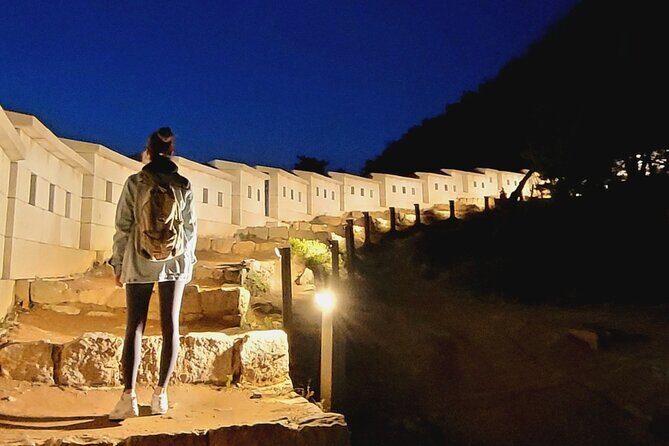
- Stop 2 in Motion: Walking the Seoul City Wall (Hanyangdoseong)
- The Night Views: N Seoul Tower and Lotte Tower After Dark
- Snacks, Photos, and the Human Side of the Tour
- Price and Value: What $69.28 Gets You
- Practical Tips for Comfort (So You Don’t Hate the Climb)
- Who This Tour Fits Best
- Should You Book Honey Trail’s Inwangsan Hike?
- FAQ
- How long is the Inwangsan hike and historical sites tour?
- How many people are in the group?
- Where do we meet, and when does the tour start?
- What stops or sites will we see?
- Is the hike difficult?
- Are snacks included?
- Is the bus ride back included in the price?
- What happens if the weather is poor?
- Can I cancel for a full refund?
Key Highlights You’ll Actually Care About
- Max 15 people for a quieter pace and easier questions
- Certified guide-led hike (Lee is a standout name people mention often)
- Sajik Park first, with Sajikdan and the Tangun shrine before the mountain
- Inwangsan to the peak in under an hour, so you’re not stuck grinding forever
- City Wall walking along Hanyangdoseong, with night views aimed at N Seoul Tower and Lotte Tower
Why an Inwangsan Night Hike Feels Different Than Daytime Seoul
Seoul at night is all neon and towers—great from a bus window, but better when you’re up on the slope looking across the grid. This hike is built around that idea: you get out of the daytime crowd flow and spend your clearer moments with less noise and more sky.
The best part is the mix. You’re not just chasing a view. You’re also moving through layers of Korea’s story, starting with ceremonial sites and then transitioning into the Joseon-era defensive line of the city wall. The result is a walk that feels like Seoul has a “before” and “after,” not just one modern scene.
You can also read our reviews of more historical tours in Seoul

Getting Oriented at Gyeongbokgung Station (and Why the Start Matters)
The tour meets at Gyeongbokgung Station and returns back there at the end. That matters because you’re starting from one of Seoul’s most connected areas, so you can plan around public transport instead of long cross-town transfers.
The schedule lists a 9:00 am start and about 3 hours total. Even if you’re heading toward nightscapes, you’ll still be on foot for a good chunk of the day, so treat it like a real outing: wear comfortable shoes and plan for a steady pace. If you’re the type who hates rushing, you’ll like the guide-led structure and the small group size.
Also note the tour uses a mobile ticket, which is handy for keeping everything in one place.
Stop 1: Sajik Park, Sajikdan, and the Tangun Shrine
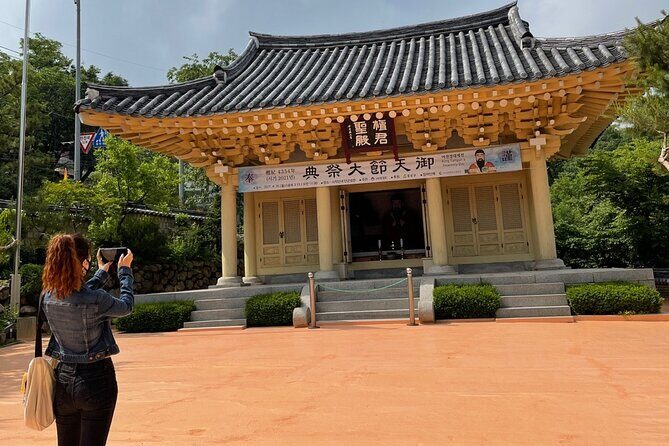
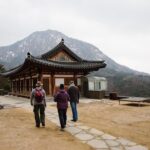
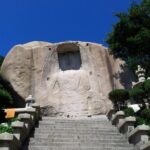
Before you hit the mountain trail, you start at Sajik Park, where you’ll see both Sajikdan and the Tangun shrine. This is one of those stops that changes your eyes while you’re still at street level, because it connects sacred geography to what the city became later.
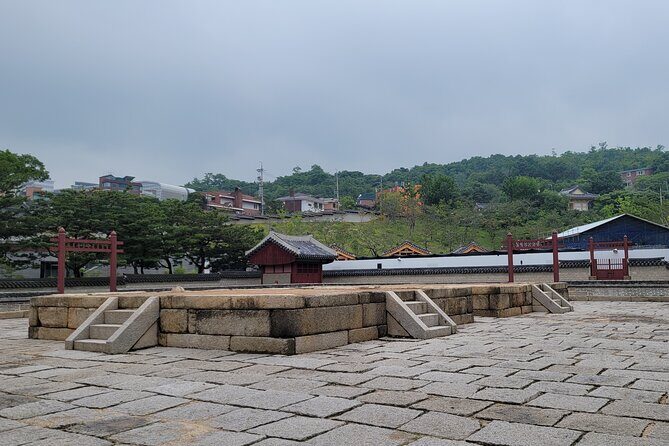
Here’s the key context the guide brings: King Taejo, founder of the Joseon Dynasty, constructed structures associated with the court’s ceremonial system—Jongmyo shrine and Sajikdan are tied to that era and placed east and west of Gyeongbokgung Palace. Sajikdan was used for services to the gods of Earth and Crops, basically the state ritual of prosperity and stability. Then there’s the Tangun shrine, honoring Tangun, the legendary founder of Korea.
If you’ve visited palaces before and felt like the story stopped at gates and buildings, this stop helps you connect the dots. You’re seeing why certain places mattered—not just what they look like.
Inwangsan Mountain: A Hill You Can Actually Enjoy
The mountain section is described as an easy and enjoyable trail, and the climb to the peak takes less than one hour. That’s ideal if you want a real workout but not a wipeout. It also keeps the timing flexible enough to enjoy the quieter moments on the route.
What I think makes the Inwangsan hike work for a lot of people is that the payoff isn’t delayed forever. You get upward progress fast, and once you reach higher points, you can slow down—watching the city and letting the whole view land.
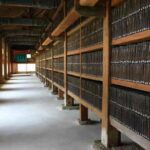
One detail that comes up in guides’ storytelling here: there’s a quiet library/rest spot along the way, mentioned as sitting in the foliage. Even if you’re not a book person, it’s a smart rest stop. You’ll likely appreciate it more once you’ve been walking and need a moment to reset before continuing.
And because this is a small-group hike led by Lee, expect a supportive pace. Reviews repeatedly mention the guide encouraging people during the ascent, including first-timers and families with kids.
Stop 2 in Motion: Walking the Seoul City Wall (Hanyangdoseong)
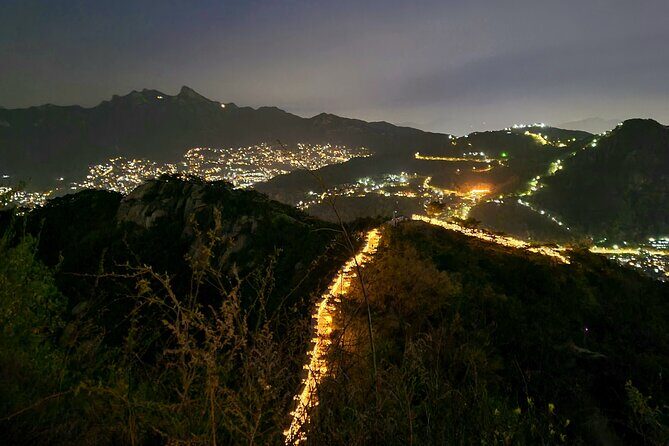
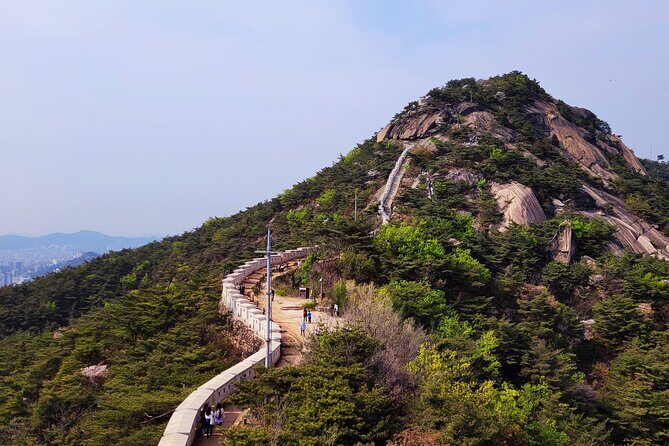
As you move along the mountain route, you walk parts of the Hanyangdoseong Fortress, also known as parts of the Seoul City Wall. This isn’t just a scenic detour—it’s a direct link to why Seoul was built the way it was.
The wall system was constructed in the Joseon period to protect the city from foreign enemies. On the ground, it’s easy to treat a wall like decoration. On a hike like this, it feels more practical, like you can read the city’s logic from the slope itself.
This is also where the night-view angle starts to make more sense. Standing on a wall line on a mountain gives you height and direction. You’re not just looking at scattered towers. You’re looking at Seoul’s layout like it was planned.
You can also read our reviews of more hiking tours in Seoul

The Night Views: N Seoul Tower and Lotte Tower After Dark
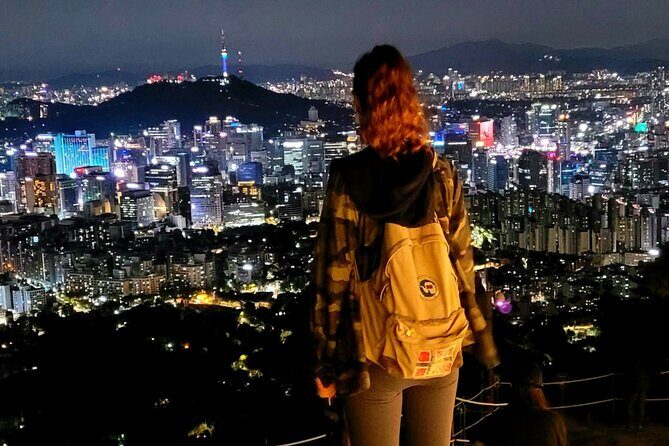
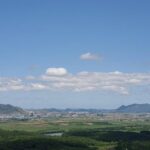
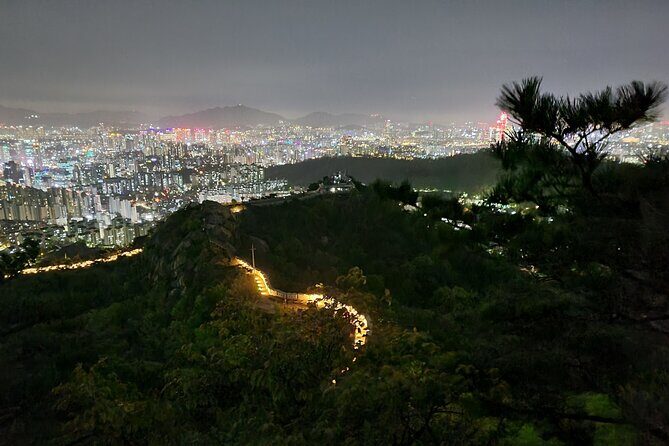
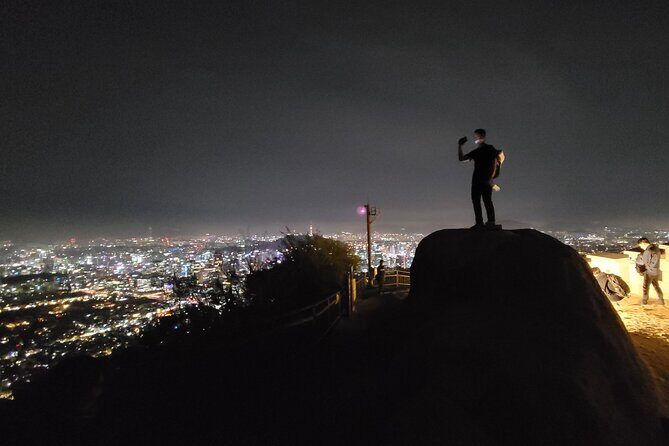
The tour is specifically aimed at night views from Inwangsan, with illuminated landmarks including N Seoul Tower and Lotte Tower. You’ll be up where the skyline feels like a single scene rather than separate spots.
I like this approach because it attacks a common problem: daylight city photos can look flat. From the mountain, the lights create depth. The guide’s timing is part of the value here too—this isn’t a random walk that happens to cross a viewpoint. The route is planned so you spend time at the right moments to see the city glow.
If you’ve got the weather basics covered, this is one of the reasons people keep returning. In reviews, you can see the “this is the best kind of Seoul night view” feeling, especially for someone born and raised in Seoul. That doesn’t mean every night is perfect, but it hints the viewpoint is consistently worth it.
Snacks, Photos, and the Human Side of the Tour
This tour includes traditional Korean treats during the trek. It’s not a huge meal, but small food breaks help on a mountain walk, and they make the whole experience feel more local than a standard sightseeing shuffle.
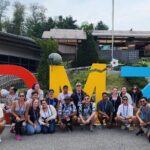
You’ll also likely appreciate the human touches mentioned in feedback: the guide sharing photos taken during the hike, plus the kind of friendly communication that makes questions feel normal. Some reviews mention finishing at dusk with extra lighting, like a flashlight for the final stretch, which is exactly the sort of practical move that makes a late-day hike feel safer.
And yes, there’s mention of a cafe or meal stop at the end on some days. The itinerary info you’re given is clear about the bus ride after the hike, but the end-of-day food element seems to be part of the vibe when timing works out.
Price and Value: What $69.28 Gets You
At $69.28 per person for about 3 hours, the value isn’t just the mountain and views. It’s the combination of three hard-to-get efficiently things:
- a certified guide who connects sites to the story,
- a route that links Sajik Park to the mountain and city wall,
- and the small-group structure (up to 15) so you don’t feel like a ticket number.
If you tried to do this on your own, you’d likely save money on the guide—but you’d also spend extra time figuring out what you’re looking at, and you’d probably miss the flow that gets you to viewpoints at the right time. Here, the guide’s explanations are part of the product, not an add-on.
One caution on costs: the tour notes that after the hike you’ll take a bus to the city, but the bus fee isn’t included. So your real total depends on how you handle that last transfer.
Practical Tips for Comfort (So You Don’t Hate the Climb)
Even though the trail is described as easy, you’re still hiking a mountain. Keep it simple:
- Wear shoes with grip. Mountain paths can be uneven.
- Bring a light layer. Seoul evenings can cool down fast compared with the morning start.
- If you’re sensitive to darkness, ask the guide how they handle the dusk portion. Flashlights show up in at least some experiences.
Also, since you’re starting near public transport, you can travel light. Just keep your daypack minimal and your phone charged for night skyline photos.
Who This Tour Fits Best
This is a great match if you want:
- night skyline views without the daytime crush,
- a walk that includes historic sites, not just a viewpoint,
- a guide-led pace that works for mixed fitness levels.
It also works well for travelers who don’t want a hardcore trek. Reviews include parents hiking with kids and people who called the climb challenging but not difficult. If you’re a history-and-views person, you’ll probably feel the best balance here.
If you’re the kind of traveler who hates walking and wants only indoor, sit-down attractions, this likely won’t be your best use of time.
Should You Book Honey Trail’s Inwangsan Hike?
I’d book it if your priority is Seoul at night plus context. The Sajik Park start gives the trip meaning before you even reach the mountain, and the city wall segment adds a strong sense of place. The small group size, guide support, and snacks make it feel like a real experience rather than a checklist.
I wouldn’t book it if you only want daytime sightseeing, or if you’re dealing with major mobility limits. Also, plan around weather—this one needs decent conditions to work the way it’s intended.
If you can handle a short uphill climb and you want a Seoul view that feels earned, this hike is a smart pick.
FAQ
How long is the Inwangsan hike and historical sites tour?
It’s listed as about 3 hours (approx.).
How many people are in the group?
The tour has a maximum of 15 travelers.
Where do we meet, and when does the tour start?
You meet at Gyeongbokgung Station, and the start time listed is 9:00 am.
What stops or sites will we see?
You’ll visit Sajik Park, Inwangsan Mountain, and the Seoul City Wall (including Hanyangdoseong Fortress).
Is the hike difficult?
The trail in Inwangsan is described as easy and enjoyable, and it takes less than one hour to get to the peak.
Are snacks included?
The tour description says you’ll snack on traditional Korean treats during the trek.
Is the bus ride back included in the price?
No. After the hike, you’ll take a bus to the city, but the bus fee is not included.
What happens if the weather is poor?
The experience requires good weather. If it’s canceled due to poor weather, you’ll be offered a different date or a full refund.
Can I cancel for a full refund?
Yes. Free cancellation is offered, and you can cancel up to 24 hours in advance for a full refund.