REVIEW · SOUTH KOREA
Korean Green Tea Tour – from Boseong to Gangjin (Private)
Book on Viator →Operated by Tasty Trails Korea · Bookable on Viator
A green tea day can feel like a whole lesson. This private tour links two of Korea’s most important tea regions—Boseong and Gangjin—with a tea tasting that covers leaf, powdered, and rice cake tea. I like that it’s built around real tea farms and tradition, not just shopping stops. I also like the included extras, especially the Boseong tea ceremony and the matcha affogato-style treat. One thing to plan for: it’s a long day (about 9–10 hours) and it depends on good weather.
The best part is how the flavors map to place. You’ll move through rolling tea hills, viewpoints, and heritage sites, then tie it all together with museum explanations and tastings in Gangjin.
If you’re expecting an easy, sit-down-only outing, this isn’t that. Bring comfortable shoes and plan for walking and time spent outdoors, especially around the tea fields and viewpoints.
In This Review
- Key highlights I’d circle
- A full day of Korean green tea from Boseong to Gangjin
- Why the tea tasting is the real point of the day
- Boseong tea farms, tea museum, and the matcha affogato moment
- Boseong-eup lunch break: convenient, not included
- Gangjin tea heritage: Dawon farms, Baegun tea stories, and a Joseon-era garden
- How the guide changes the value (Veronica’s role)
- Price and logistics for a private tea day
- Who should book this Korean green tea tour
- Should you book? My practical decision guide
- FAQ
- What is the duration of the Korean Green Tea Tour from Boseong to Gangjin?
- Where does the tour start, and what time does it begin?
- Is pickup included?
- Is this tour private?
- What’s included in the price?
- Is lunch included?
- Is the tour dependent on weather?
- What is the cancellation policy?
Key highlights I’d circle
- Three styles of Korean green tea tasting (leaf, powdered, and rice cake tea) across two tea regions
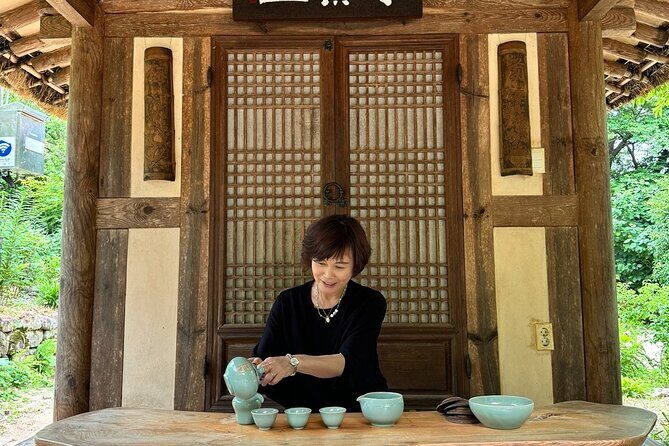
- Korean tea ceremony experience in Boseong, plus matcha affogato included
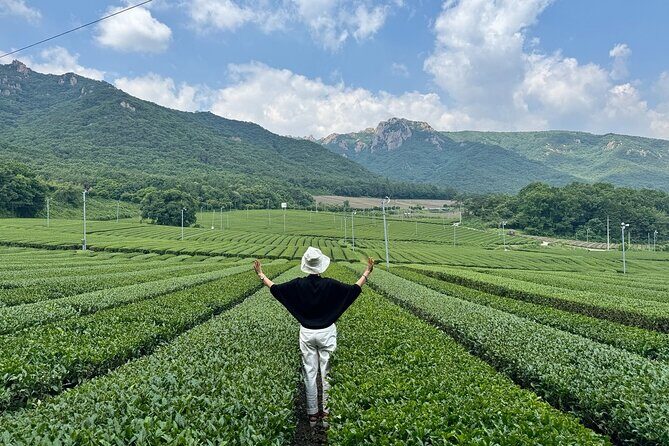
- Nokcha-ro viewpoint at a tea farm terrace for classic rolling-hill views
- Korea Tea Museum explaining the tea plant and six types of tea
- Gangjin tea heritage, including a 17th-century hermitage garden and the story of Baegun Okpan Tea
- Private transportation and a guide who can help beyond the stops
A full day of Korean green tea from Boseong to Gangjin
This is the kind of day that makes you look at a cup of tea differently. You start in the Boseong area, move through tea-related sights and a museum, then finish in Gangjin where the story of Korea’s earliest tea branding and tea-culture revival is part of the visit. It’s a tour for people who like details—how tea is grown, how it’s processed, and why different tea forms taste different.
I like that it’s private. That means the pace is easier to manage, and your guide can respond to what you’re most curious about. It’s also scheduled as a “driving day” with built-in breaks, so you’re not spending your time on public transportation between tea farms.
The tour runs about 9 to 10 hours, and the start time is 9:30 am. Expect real travel time inside the day: roughly 70 minutes from Gwangju to Boseong, about 50 minutes from Boseong to Gangjin, then around 70 minutes back to Gwangju.
You can also read our reviews of more private tours in South Korea

Why the tea tasting is the real point of the day
A lot of tea tours show you pretty fields and call it a day. This one tries to connect visuals to flavor. You get tastings for leaf tea, powdered tea, and rice cake tea, which is a smart mix because it forces you to notice changes in aroma, texture, and how the tea is meant to be enjoyed.
Leaf tea is the straightforward starting point: you’re tasting the tea as it’s traditionally brewed or served to show off the plant’s character. Powdered tea (like matcha-style tea) shifts the experience because you’re working with a different preparation method, and the taste tends to feel thicker and more intense. Rice cake tea adds yet another angle—because it’s not just about the tea anymore, it’s about how tea and food are meant to work together.
I also appreciate that the tour doesn’t treat tea culture as a vague concept. You’ll get context from stops like the tea museum and the Gangjin heritage sites, so the tasting feels earned rather than random.
Boseong tea farms, tea museum, and the matcha affogato moment
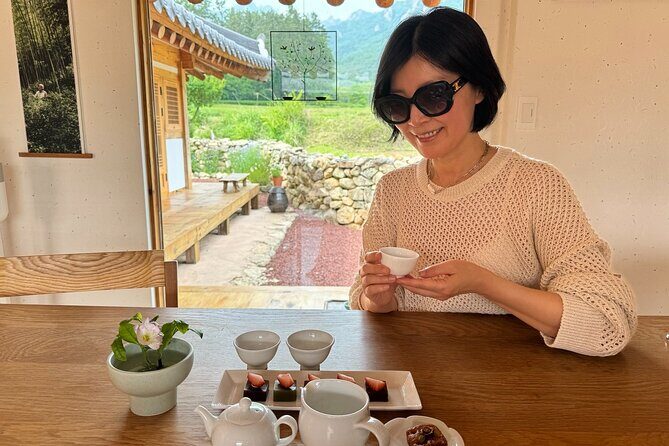
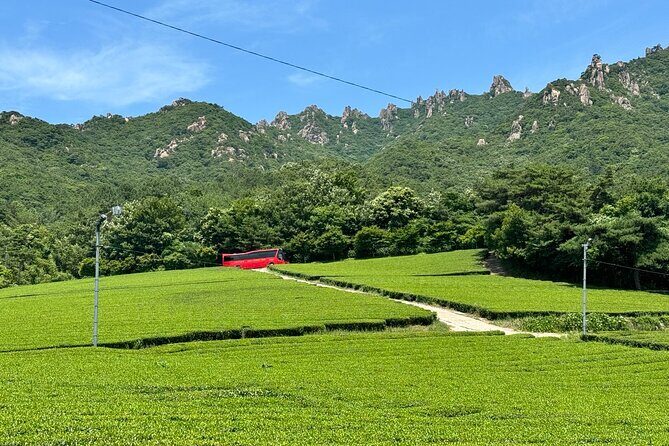
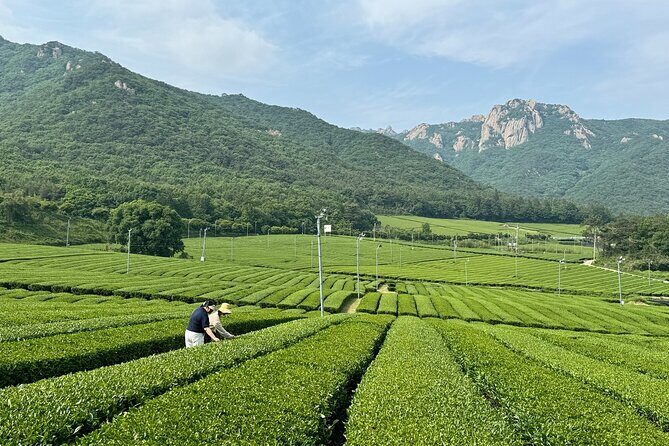
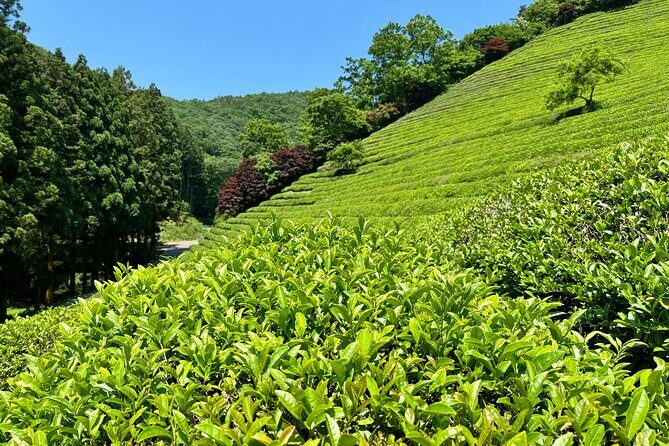
Boseong is where you’ll feel why green tea became a regional identity. Your first major stop is Daehan Dawon, set in Boseong’s tea-growing world. The tour description highlights that tea here is grown organically, and that matters because it frames what you’re seeing: these aren’t just “tea fields,” they’re production landscapes designed for quality.
You’ll also spend time at the Korea Tea Museum, which is one of the best ways to make the day stick. The museum explains the tea plant and how it leads to six types of tea. Even if you don’t plan to memorize categories, it helps you put real names to what you’re tasting later. It’s also where you can ask questions without feeling like you’re interrupting the flow of farm visits.
Then there’s the included treat: matcha affogato (powdered green tea with green tea ice-cream). This isn’t just a sweet break. Powdered tea and ice cream together are a very practical introduction to how matcha-style flavor can read as creamy and robust, not just bitter or grassy. If you’re the type who normally skips “food stops” on tours, this one is worth tasting because it directly connects to the powdered tea theme.
Finally, there’s a farm-viewpoint pause at Nokcha-ro. This is described as an especially beautiful terrace view from Choroknip tea farm under Boseong Jeda, and it’s exactly the kind of moment that makes a long tea day feel worth it. You get time to look out over the rolling hills rather than just taking photos while walking.
Possible drawback in this area: the weather can change fast in outdoor viewpoints. If it’s cloudy or misty, you may lose some of the “rolling hills” clarity—still pretty, but less dramatic.
Boseong-eup lunch break: convenient, not included
You’ll get a lunch window in Boseong-eup. The good news is that the tour doesn’t force a set menu on you. The way it’s set up, you choose from popular local dishes and pay at the restaurant to taste the authentic flavors of the town.
That’s a practical style of lunch planning for two reasons:
- It keeps lunch from turning into a slow, pre-booked group meal.
- It gives you control if you have preferences or dietary concerns.
The downside is simple: lunch isn’t included in the tour price. So you’ll want to budget extra for food and drinks (alcoholic beverages aren’t included either).
If you like to use lunch time to reset, Boseong-eup is a decent place to do it. Just plan for the day to stay active after lunch, since the afternoon shifts to Gangjin.
Gangjin tea heritage: Dawon farms, Baegun tea stories, and a Joseon-era garden
Gangjin is where the tour turns from “tea region” to “tea culture.” The first big stop here is Gangjin Dawon, connected to large-scale tea production history. The description notes cultivation for green tea production since 1980 by Osulloc, a leading tea producer—so you get a modern production angle alongside the older heritage story.
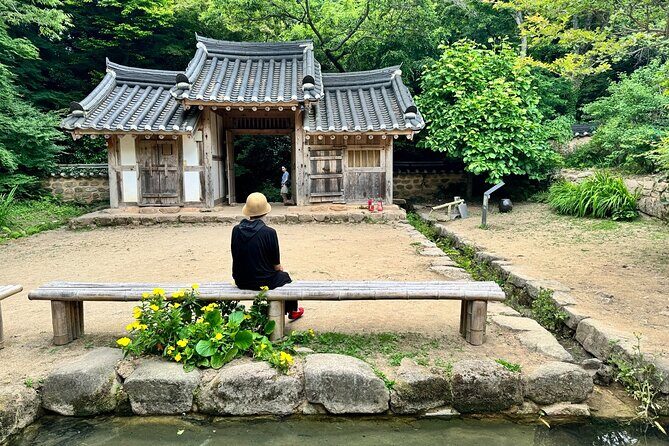
Then you move into the cultural and heritage sites, where the tea theme becomes architectural and historical. The Baegundong Hermitage Garden is described as a private garden from the late 17th century during the Joseon Dynasty. It’s known for being one of the most beautiful private gardens, and it was chosen with care to harmonize with nature. If you like gardens, this is the kind of stop where your eyes slow down: you’re not just seeing tea anymore, you’re seeing how people shaped a quiet space for reflection.
After that, there’s a tea-house style stop tied directly to Korea’s earliest tea branding. Baeg-un Tea House honors the legacy of Baegun Okpan Tea, created in the 1920s by Lee Han-young, described as a descendant of Jeong Yak-yong’s disciple. That genealogical detail isn’t random trivia. It helps explain why tea culture in Gangjin isn’t just agricultural—it’s also connected to people, exile, and craft history.
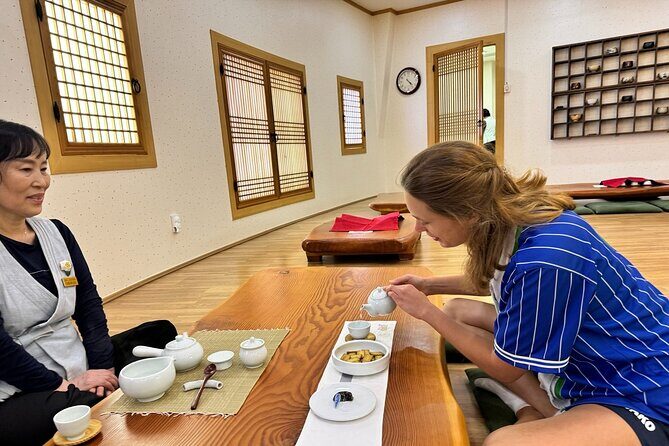
You’ll also have historical rice cake tea as part of the experience here. Pairing that with the Gangjin heritage stops makes the tasting feel like the payoff of the storytelling. Rice cake tea is one of the tastings that helps you understand tea as a social food culture, not only a beverage.
Small consideration: some heritage gardens can mean uneven ground or lots of outdoor shade changes. Wear shoes you trust, especially if you’re visiting on a day when the air feels humid.

How the guide changes the value (Veronica’s role)
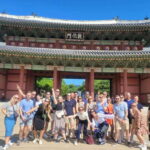
A private tour lives or dies on the guide’s ability to connect dots. The reviews you provided repeatedly highlight Veronica—often described as going beyond expectations, explaining the tea industry and tasting in a way that’s easy to follow, and answering questions without making you feel rushed. One theme that pops up is that she helps with practical problem-solving beyond the scheduled sites, including transportation issues during trips.
That matters for this itinerary because it includes several different settings: tea farms, a museum, a viewpoint terrace, a garden, and tea history stops. A good guide turns that into one coherent story. Without that, it can feel like a list of stops. With it, you walk away with actual understanding—why powdered tea tastes different, why a tea museum visit helps, and why Gangjin feels more “tea-culture” than just “tea fields.”
So if you’re booking solo or as a couple and you want more than scenic photos, this is one of those tours where a skilled guide adds real value.
Price and logistics for a private tea day
At $195 per person, this isn’t a budget half-day add-on. You’re paying for a private format, private transportation, and included tea experiences and admissions. The included items are substantial: tea ceremony experience in Boseong, matcha affogato, historical rice cake tea, plus all fees and taxes.
Lunch is the only obvious large extra cost, since it’s not included. Alcoholic drinks also aren’t included.
Is it good value? It can be, especially if you compare it to the cost of transportation, museum entry, and paying for tastings separately. Also, because the tour is private, the “hidden value” is time saved. Tea regions like Boseong and Gangjin aren’t usually connected by straightforward public routes that make it easy to hit farm viewpoints and heritage gardens in one day.
One more logistics note: the start time is 9:30 am, and it’s a long day. If you want slow mornings and zero pressure, choose a different type of tour. If you like structured days with built-in rhythm, this fits.
Who should book this Korean green tea tour
I think this tour is a great fit if you:
- Love food-and-drink travel where tastings are part of the point
- Want to see both famous and less-familiar tea culture (Boseong is well-known internationally; Gangjin is described as more off the beaten path)
- Prefer private pacing and a guide who can answer questions
- Are okay with a full day that mixes outdoors time with museum and heritage stops
It may be less ideal if you:
- Want only a quick scenic walk with no tea tasting or no learning component
- Have mobility limits that make uneven garden or outdoor terrace time difficult (the tour notes that most travelers can participate, and service animals are allowed, but it doesn’t spell out detailed accessibility accommodations)
- Get cranky after long travel segments—there are three major legs of driving time
Should you book? My practical decision guide
Book it if you want a tea day that actually teaches you something and tastes like a plan. The combination of tea farms in Boseong, a tea museum, a scenic viewpoint stop, and then Gangjin’s heritage with rice cake tea makes it feel like more than a photo outing.
Skip or rethink it if you’re coming for only scenery, or if your schedule needs a shorter day. Also, because the tour requires good weather, don’t schedule it as your only outdoor-friendly plan on the same date where you can’t flex.
If you do book, I’d treat the day like a learning-and-tasting outing. Eat lunch where you’re craving it, wear comfy shoes for outdoors, and come ready to ask questions—this itinerary is designed to reward curiosity.
FAQ
What is the duration of the Korean Green Tea Tour from Boseong to Gangjin?
The tour lasts about 9 to 10 hours.
Where does the tour start, and what time does it begin?
It starts from Gwangju Metropolitan City with a start time of 9:30 am.
Is pickup included?
Yes, pickup is offered.
Is this tour private?
Yes, it’s a private tour, so only your group participates.
What’s included in the price?
The price includes private transportation, matcha affogato, a Korean tea ceremony experience in Boseong, historical rice cake tea in Gangjin, and all fees and taxes.
Is lunch included?
No, lunch isn’t included. You’ll have time in Boseong-eup to choose and pay at a restaurant.
Is the tour dependent on weather?
Yes. It requires good weather. If it’s canceled due to poor weather, you’ll be offered a different date or a full refund.
What is the cancellation policy?
You can cancel for a full refund up to 24 hours before the experience’s start time.