REVIEW · SOUTH KOREA
Gwangju City Tour : Where old meets new (private)
Book on Viator →Operated by Tasty Trails Korea · Bookable on Viator
Gwangju can feel like a shortcut to real South Korea. This private Gwangju City Tour pairs the May 18 Democracy Square story with major art and culture stops, then follows up with tea history, a classic recreation area, and local food you can actually taste. I also love how the day is built around hands-on details, like the tea house connection to Korea’s early commercial matcha production and a final shopping stop where your guide helps you choose what to buy.
What makes it especially practical is that it’s private, with pickup offered and a guide who can adjust when weather or preferences change. In at least some cases, that flexibility shows up through guide Veronica’s choices—she’s known for recommending good dishes and tailoring the pace so the day doesn’t feel rushed.
One consideration: the day runs about 8 to 9 hours, and lunch isn’t included, so you’ll pay for your meal on the spot. Also, it requires good weather, so if conditions are poor you may be moved to a different date.
In This Review
- Key highlights you’ll feel during the day
- Why Gwangju feels like a smarter stop than a day trip
- May 18 Democracy Square: getting the meaning fast
- Asia Culture Center (ACC) built right on history’s footprint
- Dongmyeong-dong Cafe Street: a neighborhood with chapters
- Jisan Recreation Area: where fun rides meet local nostalgia
- Lunch time in Gwangju: order-and-pay like you mean it
- Chasaengwon tea house and Hankook Tea’s matcha roots
- Yangnim-dong History & Culture Village: neighborhood history you can walk
- NH Hanaro Mart or Yangdong Market: shop like a local, not like a tourist
- Price and time: what $135 buys in a private 8–9 hour day
- Who should book this Gwangju private tour
- Should you book it or skip it?
- FAQ
- How long is the Gwangju City Tour?
- What time does the tour start?
- Is pickup available?
- Is this a private tour?
- What is the price per person?
- Is lunch included?
- What’s included in the tour price?
- Do you choose between a supermarket and a traditional market?
- Is the tour dependent on weather?
Key highlights you’ll feel during the day
- May 18 Democracy Square to ACC: start at the civic heart, then move to a major culture center built on the uprising site
- Jisan Recreation Area rides: old amusement-park nostalgia, with lift and monorail included
- Hankook Tea story at Chasaengwon tea house: connect matcha and yellow tea origins to real people and places
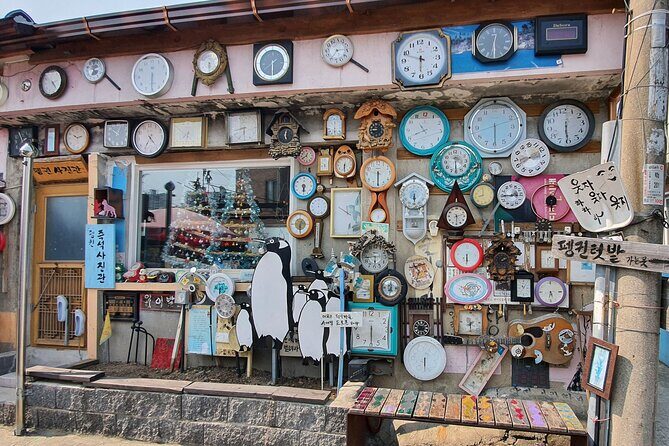
- Yangnim-dong History & Culture Village: architecture and neighborhood history shaped by early 20th-century missionaries
- Food that’s treated like a local skill: lunch is order-and-pay on the spot, not a pre-set tourist meal
- Final stop is your call: NH Nonghyup Hanaro Mart or Yangdong Market, depending on how you feel about shopping
Why Gwangju feels like a smarter stop than a day trip

If you’re basing yourself around Seoul or Busan, it’s tempting to treat Gwangju as a quick detour. Don’t. Gwangju has a different rhythm—mountain-shaped and citizen-driven—and the best way to understand that is to walk through a mix of memory sites, culture buildings, and everyday neighborhoods.
This tour is paced for that. You’re not just checking boxes. You’re moving through Gwangju’s public life, then switching gears to places where you can relax, eat, and buy ingredients or snacks like a resident. That combination is the whole point.
You can also read our reviews of more city tours in South Korea
May 18 Democracy Square: getting the meaning fast
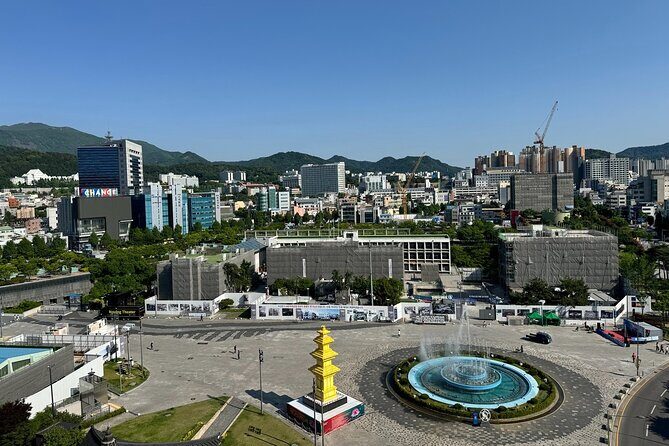
You start at 5.18 Democracy Square, the city’s heart in both daily life and meaning. It’s where the story of May 1980 is anchored, and it works because the tour begins with context, not confusion. You get the why behind the site before you move to museums or culture facilities later.
This matters because May 18 isn’t abstract history. It shows up in how buildings are placed, how public spaces are used, and why certain places in Gwangju feel solemn even when people are going about their day. If you want a first-time orientation that actually sticks, this is a strong start.
The practical win: admission here is free, and the stop is short enough (about 20 minutes) that you can stay focused without getting museum-slow.
Asia Culture Center (ACC) built right on history’s footprint
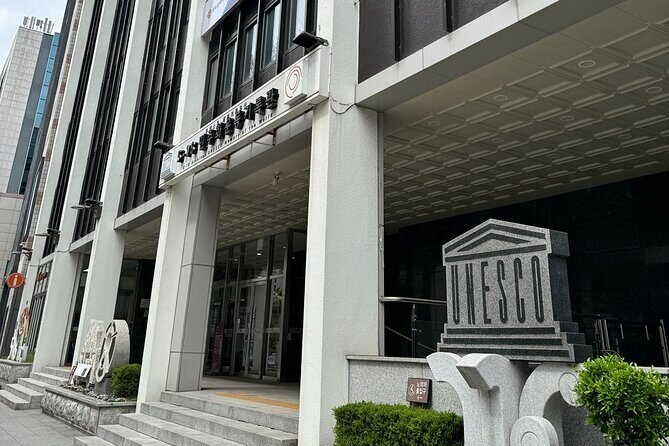
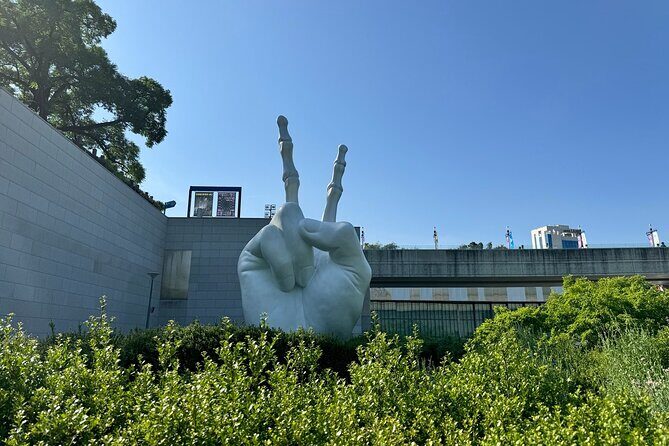
Right next to the square is the Asia Culture Center, or ACC, and it’s a big one—described as one of the largest cultural complexes in Asia. What gives it power is location: it’s built on the site connected to the May 18 Democratic Uprising.
So while you’re seeing a major modern facility, you’re also learning how Gwangju uses culture to face the past instead of hiding it. That’s why this stop works even if you’re not a hardcore museum person. You’re watching history get turned into a living civic conversation.
ACC admission is listed as free, and the time here (about 30 minutes) is long enough to appreciate the scale and to understand the themes your guide points out, without dragging out the day.
Dongmyeong-dong Cafe Street: a neighborhood with chapters
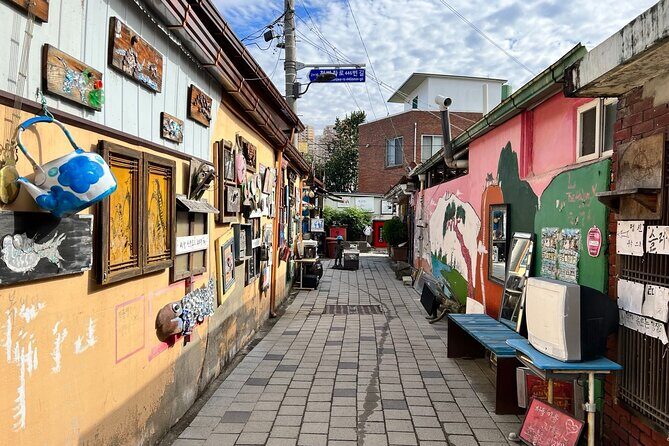
Next comes Dongmyeong-dong Cafe Street, and it’s a good contrast stop. This area was once described as the most prestigious part of Gwangju, then it quieted as people moved into modern apartment complexes. More recently, it’s gained new life with cafe culture.
Even if you don’t plan to snack here, it’s worth looking. The street shows how cities change when lifestyles shift. You’ll see what “quiet” looks like in real neighborhoods, not just in guidebook photos.
Admission is free, and you only spend about 20 minutes here, which keeps the day moving while still giving you a taste of how Gwangju’s older prestige layers interact with newer everyday life.
Jisan Recreation Area: where fun rides meet local nostalgia
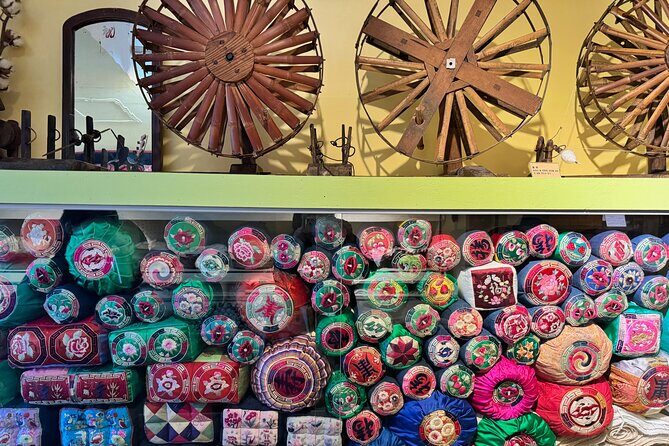
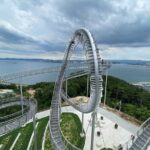
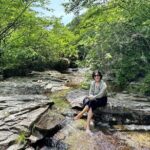
Then you hit Jisan Recreation Area, also tied to old-school leisure. The park opened in 1978, and the tour frames it as once Gwangju’s largest leisure complex where families went to relax and enjoy nature.
The standout is the old lift ride. The listing doesn’t spell out every detail of the views, but it clearly flags the lift itself as a highlight. Add the fact that lift and monorail rides are included in the overall package, and you have an easy win for anyone who likes getting around using something other than just walking.
This stop is long—about 2 hours 30 minutes—so plan to treat it as your decompression break. It’s also the kind of place that can change your mood fast: one minute it’s history and city context, the next you’re on an old ride system thinking, okay, this is what local fun looks like.
You can also read our reviews of more private tours in South Korea
Lunch time in Gwangju: order-and-pay like you mean it
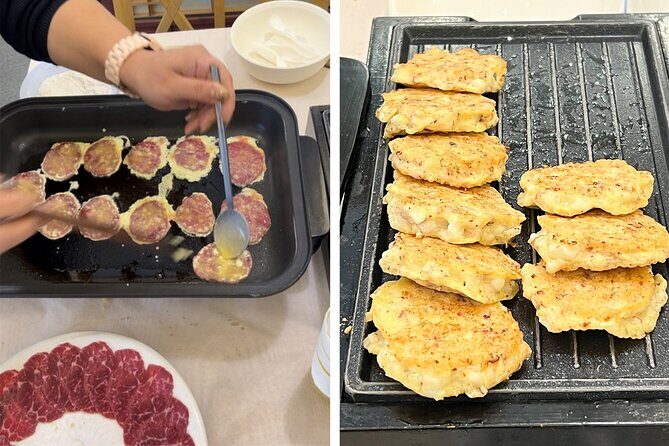
Lunch is built into the day with a very specific approach: you’re guided to Gwangju’s famous food, and you choose what you want and pay on the spot. Lunch itself is not included, even though the tour includes the time for it (about 1 hour 10 minutes).
That choice-based setup is good value if you like flexibility. Instead of being locked into a preselected menu, you can pick what fits your appetite. The tradeoff is simple: you’ll need cash or a working card for your meal, and it’s not the kind of lunch where everything is already decided for you.
Chasaengwon tea house and Hankook Tea’s matcha roots
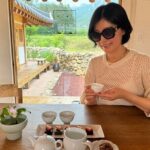
Next is Chasaengwon tea house, linked to Hankook Tea Co., established in 1951. This stop is surprisingly meaningful if you care about food culture beyond what you taste in restaurants.
The tour notes Hankook Tea as Korea’s first commercial tea company, and it highlights that they were the first to produce matcha (powdered tea) and yellow tea. Even if you’ve had matcha before, connecting it to early commercial production in Korea gives it a cleaner origin story.
You also get coffee or tea included somewhere in the day, and this stop is a natural place for that. Spend the time asking your guide what they recommend ordering or tasting, because tea houses are where the guide’s context tends to pay off.
Yangnim-dong History & Culture Village: neighborhood history you can walk
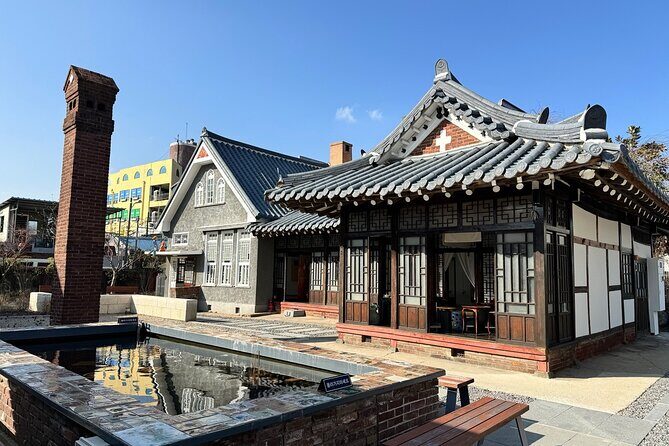
Yangnim-dong History & Culture Village blends history, art, and architecture. The tour explains that in the early 20th century, missionaries from the Southern Presbyterian Church in the USA settled there to spread Christianity.
This is one of those stops where a short visit works because the neighborhood itself does part of the storytelling. Streets and building styles communicate the past more clearly than a lecture can. If you’re the kind of traveler who likes noticing how cities carry foreign-influenced chapters in everyday form, this area will click.
The time is about 1 hour, and admission is free, so it’s a low-risk, high-reward walk through Gwangju’s layered past.
NH Hanaro Mart or Yangdong Market: shop like a local, not like a tourist
You finish at NH Nonghyup Hanaro Mart, a large local food supermarket, and this is where the tour shifts from sightseeing to everyday life. Your guide helps you pick authentic Korean ingredients, plus snacks, coffee, tea, and even cosmetics.
The tour also offers a clear alternative: if you’d rather not focus on shopping in a supermarket, you can choose Yangdong Market instead. Yangdong Market is described as the largest traditional market in Gwangju and Jeollanam-do, and it’s where locals do their shopping. That’s a different vibe than a supermarket aisle—more noise, more browsing, and more chances to see what locals actually grab.
Either way, your guide support is the value here. This isn’t just being dropped into a market and told good luck. You get help choosing items that match what you want to take home and what you might cook or drink later.
Price and time: what $135 buys in a private 8–9 hour day
At $135 per person, this isn’t a cheap add-on. But for a private tour, the math can work—especially when you’re looking at what’s included.
Here’s what’s bundled:
- Private transportation
- All fees and taxes
- Coffee or tea
- Lift and monorail rides
- Free admission at the listed stops
The places you visit are time-consuming on your own, and you’d likely spend on transport trying to connect all the sites across town. The private setup also gives your guide room to adjust the day. From the guide’s described flexibility, it sounds like a big part of the experience is that the route and food choices can shift around weather or what you prefer that day.
Two things to plan for:
- Lunch isn’t included, so budget extra.
- The tour requires good weather, so have a little patience if plans shift.
One small planning note: this tour tends to sell at a decent pace, with bookings averaging about 71 days in advance. If Gwangju is a must-do for your trip, booking sooner is smart.
Who should book this Gwangju private tour
This works best if you want more than photos. You’ll get the most out of it if you care about how cities shape identity through public places, and if you like seeing art and culture in the same day as food and neighborhood life.
It’s also a good match for:
- Anyone who wants a break from the Seoul and Busan loop
- Travelers who like guided context at sites like May 18 Democracy Square and ACC
- People who appreciate practical “what to eat, what to buy” help at the end of the day
- Groups who want to move together, since it’s private
Service animals are allowed, and it’s near public transportation, though pickup is offered—so it’s designed to be workable for different travel styles.
Should you book it or skip it?
I’d book this tour if you’re interested in Gwangju’s meaning, not just its sights. Starting at May 18 Democracy Square and then moving to the ACC site makes the day coherent. Add the tea history at Chasaengwon and the included lift/monorail rides, and you get both serious and fun in one long block.
Skip it only if you hate switching gears between memorial/culture stops and food/shopping time, or if you’re strict about keeping your day short. With 8–9 hours on the clock and lunch paid separately, it’s a real commitment.
If you do book, do two simple things: bring some flexible cash for lunch and think about whether you’d rather end at NH Hanaro Mart or Yangdong Market. That choice controls the final hour’s vibe, and it can make the whole day feel more like your kind of travel.
FAQ
How long is the Gwangju City Tour?
It runs about 8 to 9 hours.
What time does the tour start?
The start time is 9:30 am.
Is pickup available?
Yes, pickup is offered.
Is this a private tour?
Yes. It’s a private tour/activity, and only your group participates.
What is the price per person?
The price is $135.00 per person.
Is lunch included?
No. Lunch is not included. You choose food during lunch time and pay on the spot.
What’s included in the tour price?
Included items are private transportation, all fees and taxes, coffee or tea in a cafe, and lift and monorail rides.
Do you choose between a supermarket and a traditional market?
Yes. You can either visit NH Nonghyup Hanaro Mart at the end or, if you prefer, visit Yangdong Market instead.
Is the tour dependent on weather?
Yes, it requires good weather. If it’s canceled due to poor weather, you’ll be offered a different date or a full refund.