REVIEW · SOUTH KOREA
Seoul: DMZ, 3rd Tunnel and Optional Suspension Bridge Tour
Book on GetYourGuide →Operated by PLK Travel Inc. · Bookable on GetYourGuide
The DMZ makes Seoul feel like a different country. In one long day, you get the 3rd Infiltration Tunnel walk, the Dora Observatory viewpoints, and the Unification Village stops—plus storytelling from guides such as Dennis or Julie that turns headlines into something you can feel in your body. I love how the tour makes history practical, not abstract, and I also like the optional suspension bridge add-on for calmer scenery afterward. The trade-off: this is a time-and-steps day, and the DMZ is a military zone that can affect timing.
What really makes this tour work is the pacing. You’re moved by group bus between sites, you get guided explanations at each major stop, and you’re not left figuring out where to stand or what you’re looking at. If you choose the full version (DMZ plus a bridge), you’ll likely come away with both the heavy war context and at least one fresh, scenic viewpoint to balance it out.
One more consideration: you must bring a valid passport, and you’ll be asked to avoid luggage or large bags. Wear shoes you’d happily walk a lot in, because you’re getting out, walking, and standing for viewpoints on and off the bus.
In This Review
- Key highlights to look for
- Why the DMZ hits harder than a normal day trip
- Your day on the ground: the route that keeps it organized
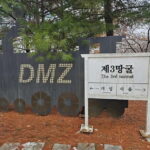
- Walking the 3rd Infiltration Tunnel: the moment that sticks
- Dora Observatory and Unification Village: seeing the divide with context
- Dora Observatory
- Unification Village
- Imjingak Park: the South-side symbols you shouldn’t rush
- Bridge of Freedom
- Mangbaedan
- Steam locomotive
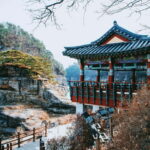
- Optional suspension bridge: choose your scenery after the heavy stuff
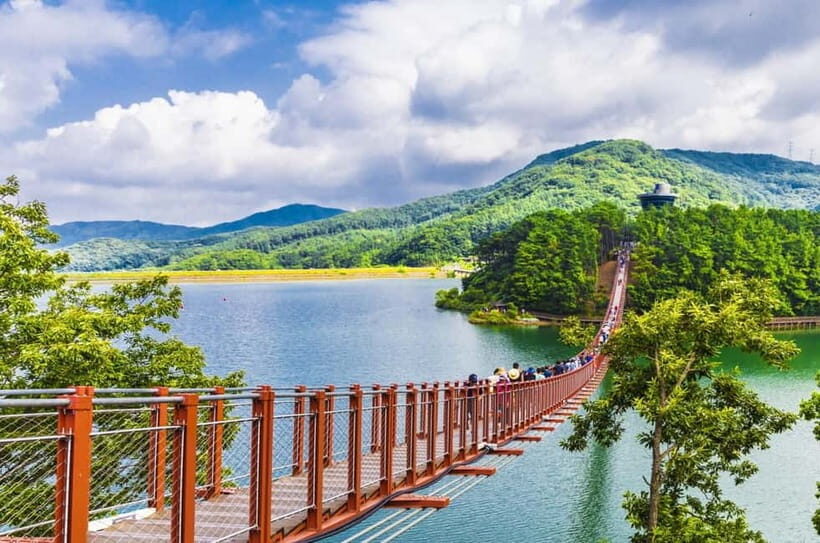
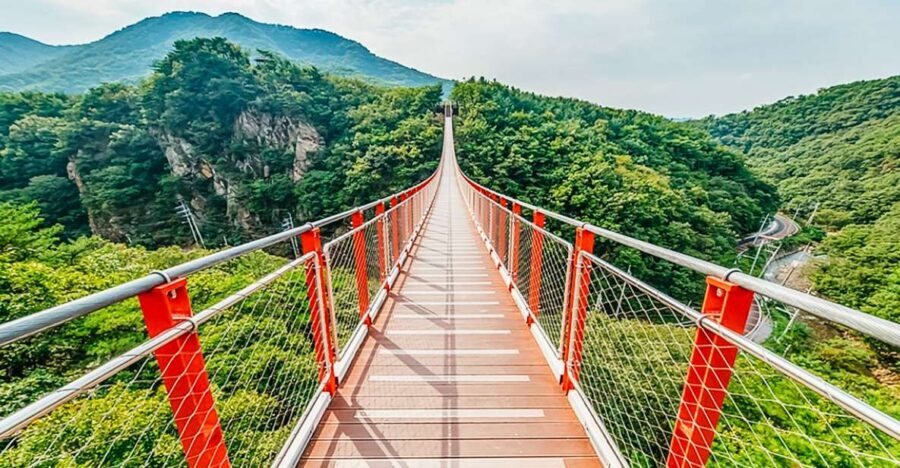
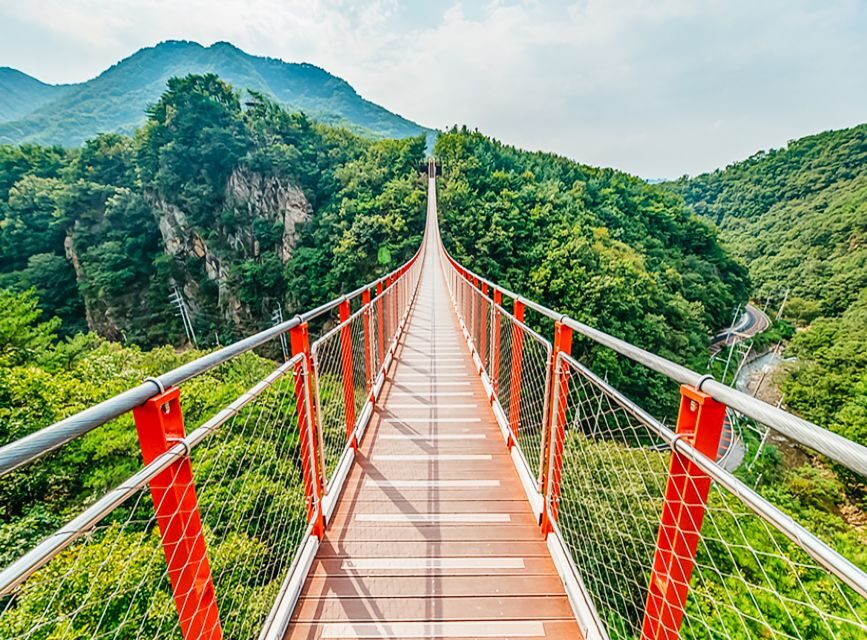
- Gamaksan Suspension Bridge option
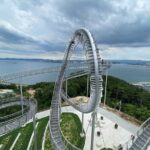
- Lake Majang Suspension Bridge option
- Price and value: what $39 buys you in real terms
- Logistics that can make or break your comfort
- What to bring
- What not to bring
- When timing matters
- Who should avoid it (or consider a different option)
- Who this DMZ tour suits best
- Should you book this Seoul DMZ, 3rd Tunnel, and suspension bridge tour?
- FAQ
- Do I need a passport for this tour?
- How long is the tour?
- What does the tour include besides the DMZ sites?
- Is lunch provided during the tour?
- Are there options to add a suspension bridge?
- Does this tour include the JSA?
- Can I bring luggage?
Key highlights to look for
- 3rd Infiltration Tunnel walking route that feels more vivid than the other commonly visited tunnels
- Dora Observatory stop designed for seeing the divide and understanding why those vantage points matter
- Unification Village visit to see what life near the border area looks like in practice
- Imjingak Park cluster with the Mangbaedan altar, Bridge of Freedom, and an old steam locomotive
- Optional suspension bridge (Gamaksan mountain option includes a short hike) for rewarding views after the heavy sites
- Small group, English-guided approach that keeps the day organized without feeling rushed
Why the DMZ hits harder than a normal day trip
Most day trips are about saving time—see a set of sites, take photos, get back before dinner. This one is different. The DMZ is not just a topic; it’s a set of rules, gates, and controlled access. That changes your mindset within minutes of entering the area.
The tour’s value is that it doesn’t treat the DMZ like a museum exhibit. You get a structured flow—bus to the secure zone, guided segments at the key sights, and clear transitions back out—so you spend less time guessing and more time absorbing. Even better, the tunnel walk gives you a physical reference point. It’s one thing to hear about an invasion plan on a screen. It’s another to walk through a space built with an intent to reach the South.
For the guide, this route rewards good storytelling. People tend to remember the moments when the guide explains why something was built, how it was used, and what the people living nearby experienced. The tour has a track record of guides who keep energy high and questions moving. You’ll see this in how the day is run: lots of narration, frequent context, and time allocated so you’re not left staring at signs.
The other reason the DMZ experience lands is that it forces contrast. You’ll see observatories and memorial-linked spots on the “south side” of the boundary, then you’ll move through border-area locations that point you toward the same central reality: two Koreas, one painful division.
You can also read our reviews of more tours and experiences in South Korea.
Your day on the ground: the route that keeps it organized
The full tour is typically a 7 to 9 hour day, depending on the option and the day’s timing. A common pattern is:
- You start in Seoul at your pickup or meeting point.
- You ride a group bus (with the tour guide coordinating).
- You enter the DMZ on a scheduled group access window.
- You hit the tunnel and the main border viewpoints.
- Then you return toward Seoul through the Imjingak area and finish with an optional suspension bridge, depending on the package you choose.
That bus-and-stops rhythm matters. DMZ access is regulated, and military permission and weather can shift timing. This tour can’t control those factors. What it can do is keep you from turning a complicated logistics day into a chaotic one.
Also note the “not JSA” detail. This tour is specifically a DMZ tour, not the Joint Security Area. If you’re hoping for that exact setting, you’ll want to double-check what your booked option includes before you go.
Walking the 3rd Infiltration Tunnel: the moment that sticks
If you only care about one stop, make it the 3rd Infiltration Tunnel.
This is a guided visit with a walking component inside the tunnel area. The big takeaway is not just the idea of a tunnel—it’s the engineering choices and the intent behind them. You’re walking through a space that was planned with a goal in mind, which helps you understand why the South took border readiness so seriously.
The tour emphasizes this particular tunnel because it tends to feel more vivid than other commonly visited options. In practical terms, that means the walk and guide narration are designed so you can picture what attackers expected to happen and how those plans shaped the security posture on the South side.
What to do mentally: don’t treat it like a stroll. Use the guide’s cues. If the guide points out key sections or explains how the tunnel relates to the wider DMZ layout, that’s where your understanding clicks. You’ll leave remembering more than a single photo.
Practical tip: bring a calm, patient mindset. Confined spaces can feel intense even when the walk is not overly long. Comfortable shoes matter because you’re still walking around the broader site before and after the tunnel segment.
Dora Observatory and Unification Village: seeing the divide with context
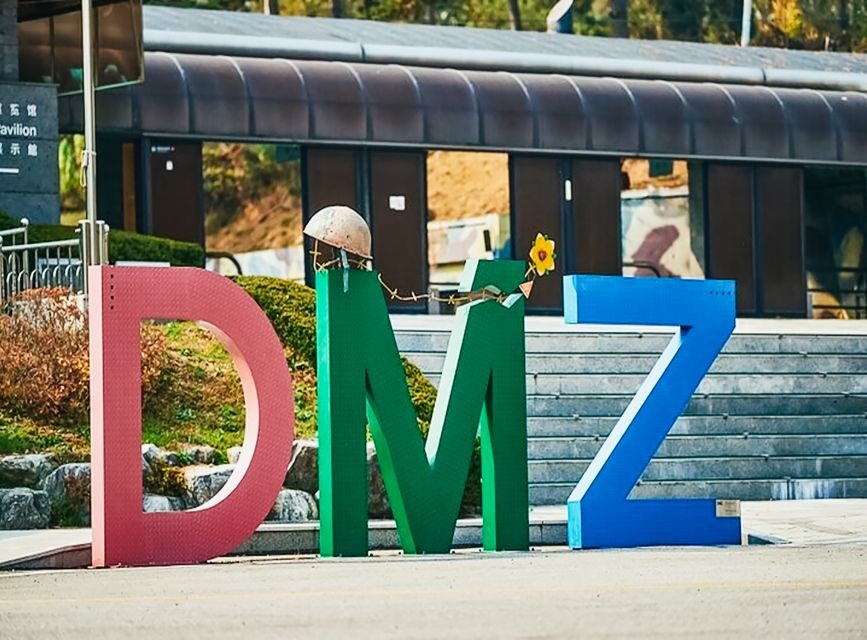
After the tunnel, the tour moves toward the viewpoint-focused part of the experience.
Dora Observatory
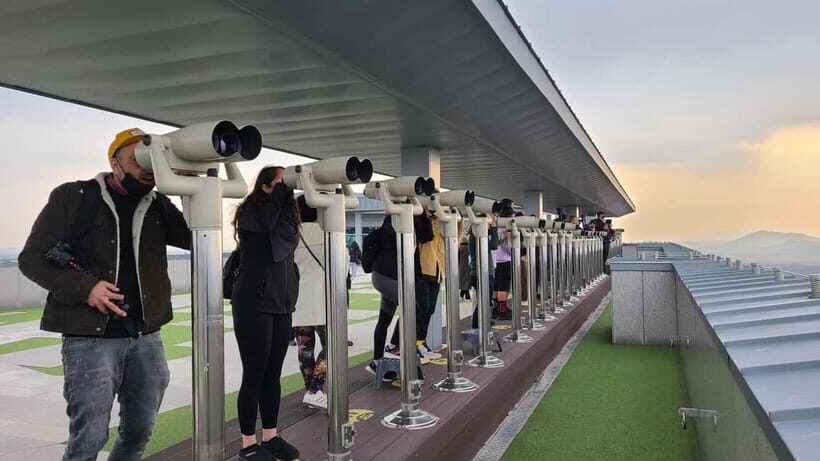
At Dora Observatory, the point is to connect the geography to the real political reality. A military observatory isn’t just a pretty photo stop—it’s a place built around watching and measuring the other side’s presence. The guide’s narration helps you interpret what you’re seeing and why those positions were valuable.
There’s also a “time machine” feeling to this stop. Even when your photos look like a distance view, the explanation ties that distance to surveillance, fear, and strategy. This is the part of the tour where you start to see the DMZ as a lived system rather than a line on a map.

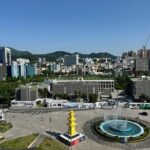
Unification Village
Next comes Unification Village, a stop that adds human texture. The name alone is an obvious prompt, but the guided visit is where the meaning gets clarified—what “unification” meant to people, and what it means to attempt normal life near a border that is anything but normal.
This stop is usually shorter than the tunnel and observatory segments, but it’s valuable because it shifts you away from pure military infrastructure. You see how the border area affects life patterns and local expectations.
Imjingak Park: the South-side symbols you shouldn’t rush
After exiting the DMZ, the tour often brings you to Imjingak Park, a cluster of sites that act like emotional signposts.
You’ll typically visit key elements within this area:
- Mangbaedan altar
- Bridge of Freedom
- An old steam locomotive display
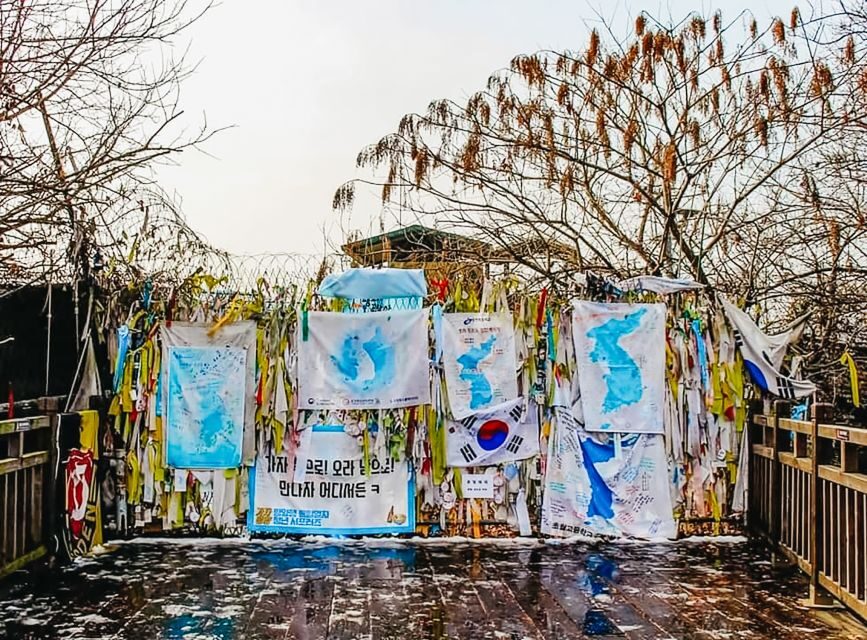
This cluster matters because it balances what you just learned. In the DMZ you’re confronting the mechanics of conflict and separation. At Imjingak, the focus becomes remembrance, endurance, and the way South Korean memory culture speaks about reunification.
Bridge of Freedom
The Bridge of Freedom stop is especially meaningful if you’ve been thinking about division all day. It’s a place that encourages reflection, but it’s also practical for photos and getting your bearings after hours of bus travel and secured-zone walking.
Mangbaedan
The Mangbaedan element adds a more ceremonial tone. Even if you’re not a ceremony person, it’s helpful to have the guide explain the symbolism so you understand why this stop exists beyond a photo opportunity.
Steam locomotive
The steam locomotive sounds like a random add-on until you see how it fits the story. It helps ground the area in the tangible movement of people and goods through history. The guide’s framing is what turns it from a “hey, there’s a train” moment into a meaningful stop.
Optional suspension bridge: choose your scenery after the heavy stuff
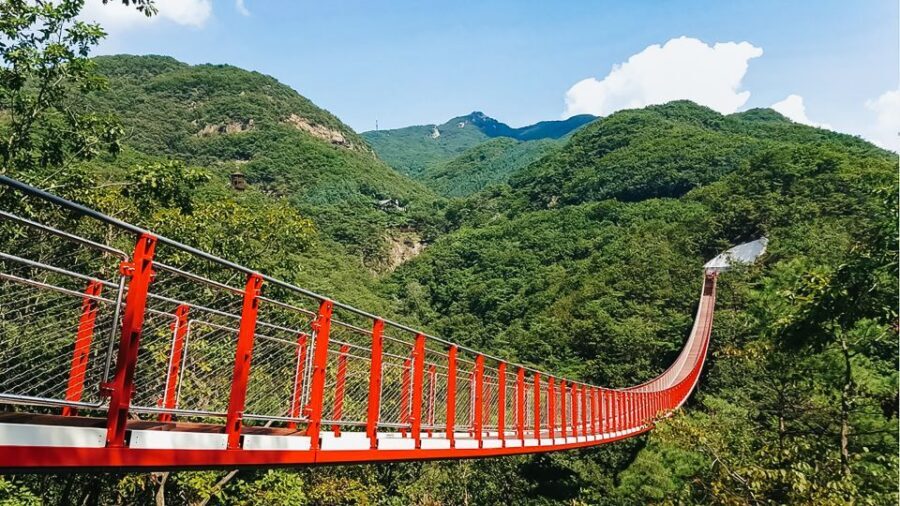
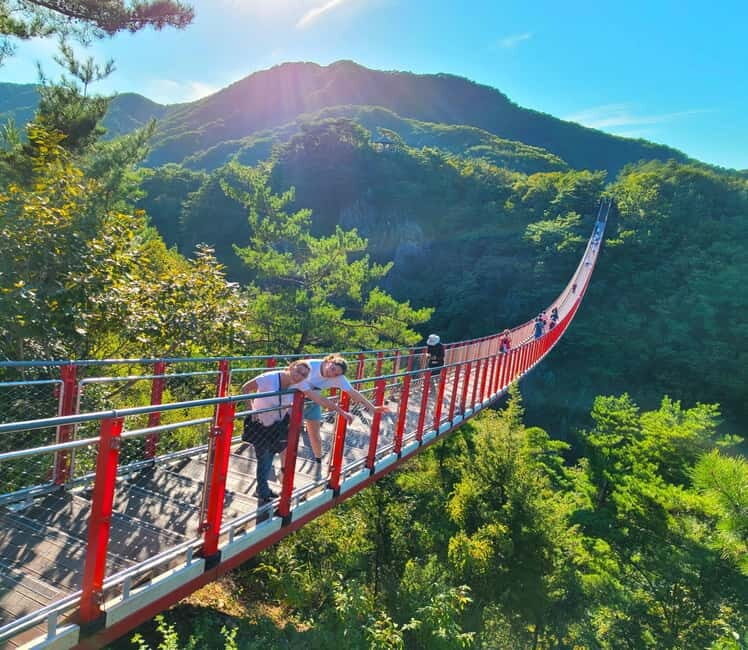
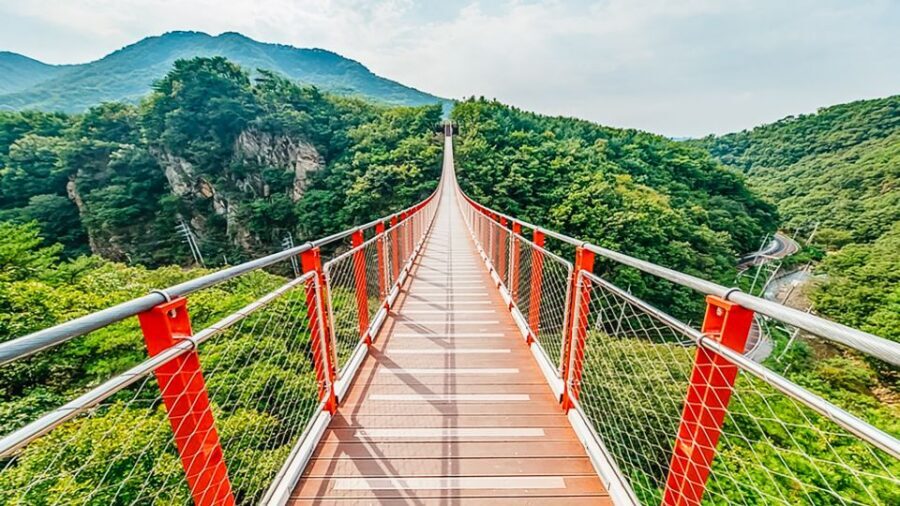
Here’s the smartest part of this tour design: you can add a suspension bridge stop to counterbalance the DMZ’s intensity with open-air views.
You’ll typically choose between two options:
Gamaksan Suspension Bridge option
This version includes a short hike. Expect about a 15-minute walk to reach the suspension bridge, plus time for sightseeing once you’re there.
Why it’s worth it: the mountain setting tends to give you a feeling of space after a day spent in controlled, enclosed, or tightly bounded areas. It also creates a more relaxing pace, which can help if you’re tired from the DMZ walking and standing.
Lake Majang Suspension Bridge option
This option shifts the vibe toward water views. While your itinerary time at the bridge site is similar in duration to the other bridge choice, the key difference is the scenery feel: more open and scenic, less steep-hike energy.
My advice: pick based on your energy level and the type of views you prefer. If you like short climbs and viewpoints, choose Gamaksan. If you want a calmer route with scenic water atmosphere, choose Lake Majang.
Either way, the bridge segment is usually one of the best “breathing moments” of the day.
Price and value: what $39 buys you in real terms
At about $39 per person, this tour can feel like a bargain once you itemize what’s happening: a licensed English guide, roundtrip transfer from Seoul, DMZ admission, and guided access through the main DMZ points.
The best value isn’t the price number—it’s that you’re paying for the structure. DMZ access is complicated. Local navigation is tricky. And the meaning of the sights depends heavily on explanations you won’t get on your own.
What you should plan to add yourself:
- Lunch is not included.
- Traveler’s insurance is not included (and you’ll want to use your own coverage).
If you’re already in Seoul with a limited time window, this is one of the more cost-effective ways to get the DMZ’s core sights in a single managed day.
Logistics that can make or break your comfort
This tour runs smoothly when you come prepared for a controlled-access day.
What to bring
- Passport (required for DMZ access)
- Comfortable shoes (moderate walking)
- Light, easy-to-handle items, because DMZ rules affect what you can bring
What not to bring
- Luggage or large bags are not allowed
When timing matters
Your exact drop-off time can shift due to traffic, weather, and military permission schedules. That’s normal for this kind of tour. The good news: the tour includes enough guidance and scheduling buffer that you shouldn’t feel stranded.
Who should avoid it (or consider a different option)
The tour isn’t suitable for people with mobility impairments based on what’s described. If you have limitations with stairs, standing time, or longer walking segments, you’ll want to look for a different format.
Who this DMZ tour suits best
This is the best fit if you:
- Want a guided DMZ day without needing to solve access logistics yourself
- Care about the tunnel and observatory points, not just quick photo stops
- Prefer a small-group feel and an English-speaking guide (the tour supports this)
- Like the idea of adding a scenic bridge afterward, so the day doesn’t end on a heavy note
It’s also a strong choice for first-timers to Seoul who want one standout, unforgettable day trip. If you’re the type who enjoys asking questions and getting clear explanations, you’ll likely have a better day than if you just want minimal talking.
Should you book this Seoul DMZ, 3rd Tunnel, and suspension bridge tour?
Yes—if you want the DMZ’s most important stops in one organized day. The 3rd Infiltration Tunnel and Dora Observatory pair well, and the Imjingak area gives you emotional context you might miss if you only focus on the military side. The optional suspension bridge is a smart design move: it adds relief and scenery so you don’t leave worn out without a payoff.
Book it with these expectations in mind: bring your passport, wear comfortable shoes, plan for a long day, and accept that military-area timing can shift. If that fits your style, this is a high-value way to experience a place that’s hard to understand from a distance.
FAQ
Do I need a passport for this tour?
Yes. A valid passport is required for access to the DMZ.
How long is the tour?
The duration is typically 7 to 9 hours, depending on the selected option and the day’s start time availability.
What does the tour include besides the DMZ sites?
It includes a licensed professional English guide, roundtrip transfer from Seoul, DMZ admission fees, and a walking tour in the 3rd Infiltration Tunnel. Lunch is not included.
Is lunch provided during the tour?
No. Lunch is not included, so you’ll want to plan for food on your own.
Are there options to add a suspension bridge?
Yes. You can choose a DMZ tour with an optional suspension bridge, with options including Mt. Gamaksan or Lake Majang.
Does this tour include the JSA?
No. This is a DMZ tour, not a JSA tour.
Can I bring luggage?
No. Luggage or large bags are not allowed.