REVIEW · SEOUL
Buam dong Walking Tour Art, History and Parasite in Seoul
Book on Viator →Operated by ZenKimchi Experiences · Bookable on Viator
Quiet hills, big stories. This 2.5-hour Buam-dong walk strings together Hanok culture and Seoul City Wall history with mountain views and even a movie-related stop. I also like how it includes specific art and memory sites like the Choi Gyu-sik Memorial Statue. The main catch: this is still a walking tour, so you’ll want a moderate fitness level and comfortable shoes.
I like that the group stays small, with a maximum of 15 travelers, which makes the stories easier to follow on the move. One guide you might meet, Jon, is described as super nice and funny, and that matters when you’re bouncing between history, literature, and views. You start at 2:00 pm at 시민약국 (106-3 Jeokseon-dong, Jongno District), ride about 10 minutes into Buam-dong, and then finish back at the same meeting point.
In This Review
- Key highlights you’ll care about
- Why Buam-dong feels different from central Seoul
- Price and value: what $38.50 buys you
- Getting there: the 2:00 pm meeting point and how the walk starts
- Buam-dong first: statue, Cold War stories, and the tone of the neighborhood
- Cheongun Literature Library: Seoul’s first Hanok library break
- Seoul City Wall and Changuimun Gate (Jahamun Gate) for defense and heritage
- Poet Yoon Dong-ju hill views plus Bugaksan, Inwangsan, and Bukhansan
- Spotting Parasite: a movie location you’ll see in real streets
- Mugyewon finish: ending in a Hanok cultural space tied to Grand Prince Anpyeong
- Who this tour suits best (and who might want a different plan)
- Should you book Buam-dong Walking Tour Art, History and Parasite?
- FAQ
- How long is the Buam-dong walking tour?
- What does the tour cost?
- How big is the group, and what fitness level do I need?
- Where do I meet the guide, and does the tour end there too?
- What are the main places you visit?
- Can I cancel for a full refund?
Key highlights you’ll care about
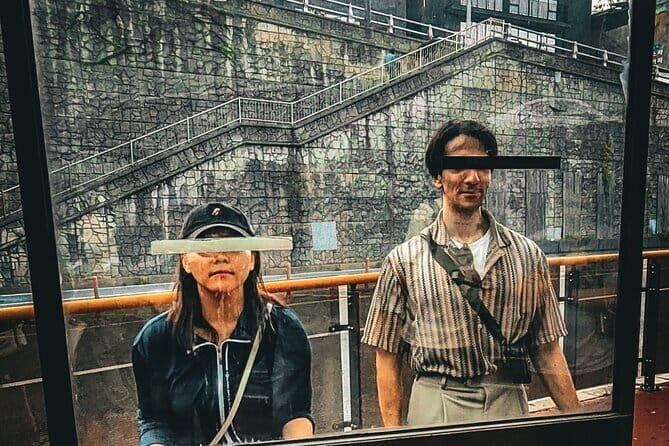
- Buam-dong hillside setting: a calmer Seoul neighborhood with viewpoints over Bugaksan, Inwangsan, and Bukhansan
- Cheongun Literature Library: Seoul’s first Hanok library, made for slow, quiet moments
- Seoul City Wall + Changuimun Gate (Jahamun Gate): you’ll learn how these defenses shaped the city’s heritage
- Poetry and memory stops: the Hill of Poet Yoon Dong-ju plus the Choi Gyu-sik Memorial Statue
- A Parasite filming location: a pop-culture waypoint tied to the real streets and buildings
- Mugyewon to close: a Hanok cultural space connected to Grand Prince Anpyeong’s villa
Why Buam-dong feels different from central Seoul
Buam-dong is the kind of Seoul area that makes you slow down without trying. You get a neighborhood feel rather than constant landmark-hopping, and the hillside walking helps you understand why the city grew the way it did around natural borders.
This tour leans into that. The focus isn’t just famous sights. You also get a mix of art, literature, and Cold War history, plus the chance to look out toward multiple mountains in one walk. It’s a good way to see Seoul as a place with layers, not just a list of photos.
You’ll also see how cultural spaces fit into everyday geography. That’s why places like the Cheongun Literature Library and Mugyewon work so well here: they sit inside the same hillside neighborhood logic you’re walking through.
You can also read our reviews of more walking tours in Seoul



Price and value: what $38.50 buys you
At $38.50 per person for about 2 hours 30 minutes, you’re paying for a guided route through a compact area—plus interpretation. The value part is that multiple stops show as admission ticket free in the tour details, so you’re not constantly paying extra once you arrive.
Also, the group size cap of 15 travelers matters. For a neighborhood walk with viewpoints and story-heavy stops, that’s the difference between hearing your guide clearly and getting stuck behind shoulder-to-shoulder sightseeing traffic.
You also get a mobile ticket and group discounts, which helps if you’re traveling with friends. If you’re the type who wants “what am I looking at, and why does it matter?” this price sits in a fair zone for Seoul walking experiences.
Getting there: the 2:00 pm meeting point and how the walk starts
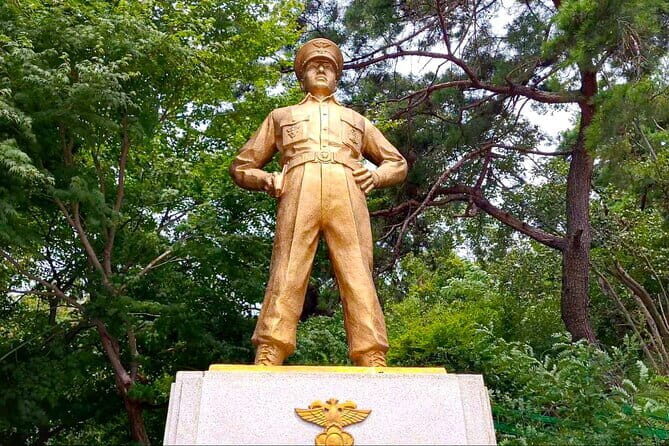
The start point is set at 시민약국, located at 106-3 Jeokseon-dong in Jongno District. The tour starts at 2:00 pm and ends back at the meeting point, which is handy when you’re planning dinner or your next stop.
A big practical detail: you take a 10-minute bus ride to Buam-dong at the start. That’s nice because it saves your legs for the actual walking portion, and it also gives your guide time to set context before you hit the neighborhood lanes.
There’s no requirement to be an athlete, but the tour lists a moderate physical fitness level. Expect steady walking on terrain that’s part of the hillside setting. If you’re coming straight from a long day of transit and stairs, build in some rest beforehand.
And for animal-friendly travel: service animals are allowed.
Buam-dong first: statue, Cold War stories, and the tone of the neighborhood

When the bus drops you into Buam-dong, the tour sets its “why this place” tone right away. You’ll get guide-led background on the area and why it’s special within Seoul.
Two named points help anchor that context:
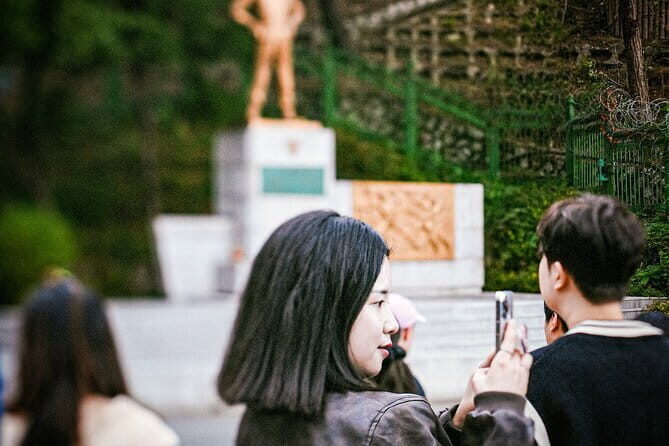
- You’ll visit the Choi Gyu-sik Memorial Statue
- You’ll also learn about Cold War history tied to what you’re seeing around you
Even if you don’t know the details beforehand, this works because the guide connects the stories to real terrain and real structures. A statue and a neighborhood street might sound unrelated on paper, but a guided explanation turns it into a map you can actually carry in your head.
This is also where the tour’s pacing feels right. You’re not rushing immediately into the heaviest walking. Instead, you build curiosity first, then you start noticing the city’s shapes—walls, slopes, sightlines—later.
Cheongun Literature Library: Seoul’s first Hanok library break
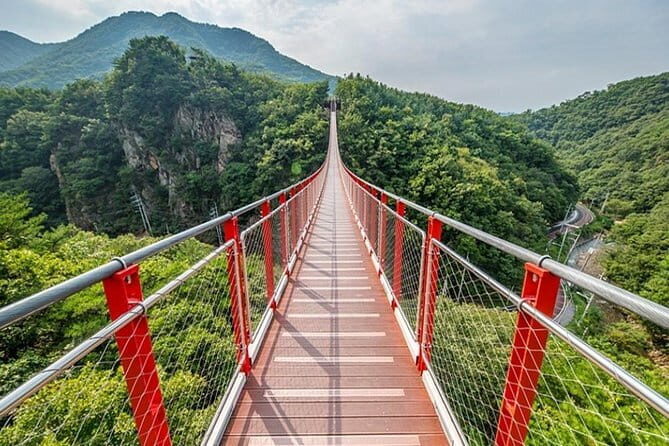
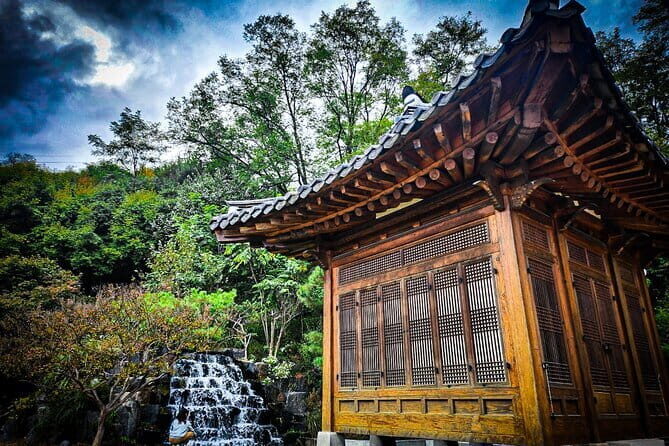
Next comes a calmer kind of stop: the Cheongun Literature Library. This is described as Seoul’s first Hanok library, and it’s exactly the sort of place that benefits from having someone explain what you’re looking at.
A Hanok library isn’t just a pretty building. It’s a quieter, older mode of space—wood, courtyards, and an atmosphere that makes it easier to think. The tour encourages you to take a moment to absorb that “artistic Seoul” feeling rather than treat it like a quick photo stop.
Practical tip: if you like libraries, you’ll enjoy this even more than you expect. It’s one of those locations where slowing down actually improves the experience. If you’re the type who hates pauses on tours, this is still worth it because it resets you before the more exposed viewpoints and walls.
Also, since admission tickets are listed as free here, you’re not forced into a rushed donation-or-entry mindset. It feels more like a cultural pause than a transaction.
You can also read our reviews of more historical tours in Seoul




Seoul City Wall and Changuimun Gate (Jahamun Gate) for defense and heritage

Then you shift from quiet architecture to the city’s defensive structure: the Seoul City Wall and Changuimun Gate (Jahamun Gate).
These aren’t filler stops. The tour’s framing focuses on why these landmarks mattered for defense—and how that heritage still shapes what you notice today. That approach helps you see the wall not as an old backdrop, but as infrastructure with purpose.
What you’ll like here is the “read the city” feeling. Walls and gates are built to control movement. When you walk near them with your guide’s context, you start spotting the logic in placement and structure. It also helps the tour connect the neighborhood story back to broader Seoul.
The drawback to keep in mind: gates and walls often mean uneven walking and open-air sections. If it’s a hot afternoon, plan for water and take your time. It’s not an all-day trek, but it’s still outdoors.
Poet Yoon Dong-ju hill views plus Bugaksan, Inwangsan, and Bukhansan
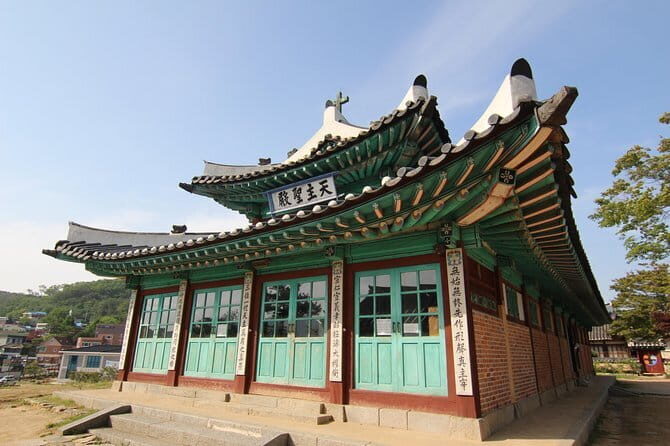
Some of the best moments in this tour are the ones that sound simple: viewpoints and named cultural connections.
You’ll explore the Hill of Poet Yoon Dong-ju, and you’ll also enjoy views toward Bugaksan, Inwangsan, and Bukhansan. Seeing multiple mountains referenced in one walk is useful because it helps you map Seoul’s geography as a whole system, not separate tourist bubbles.
This section is also where the tour’s “art + nature” balance shows. Even if you’re not a poetry person, the hill stop helps you feel how literature and landscape often go together in Seoul’s storytelling. You get the location, then you get the reason.
If you care about photos, this is where you’ll want to slow down even more than usual. If you care about the bigger picture, it’s where the walking tour becomes a perspective tour: you start to understand why these areas remained important.
Spotting Parasite: a movie location you’ll see in real streets
One standout promise here is that you’ll see a Parasite filming location. That’s a big draw if the film helped you fall for Seoul’s mood and architecture in the first place.
The smart way to use this stop is to treat it as a “street-reading” exercise. Instead of only chasing the exact frame, pay attention to the immediate surroundings your guide points out—building shapes, stairs, sightlines, the way the neighborhood flows. That’s what makes it feel grounded rather than gimmicky.
Also, because this tour isn’t only about the movie, the Parasite stop fits into a wider story of neighborhood history and architecture. You’re not just ticking a pop-culture checkbox. You’re learning how filming locations depend on the real city’s structure.
Mugyewon finish: ending in a Hanok cultural space tied to Grand Prince Anpyeong
You end at Mugyewon, a traditional Korean house that once served as the villa of Grand Prince Anpyeong. It’s also described as a Hanok cultural space, so it’s not just a pretty end point—it’s an idea of how old Seoul domestic life connects to later culture.
Finishing here works because the tour has already given you the “why” behind architecture. You’ve seen the Hanok library earlier. You’ve seen the city defense story with walls and gates. Now you land on a residential cultural setting that makes the whole route feel more human.
The timing is set so you still have enough energy at the end for your own wandering if you want it. And since the tour ends back at the meeting point, you’re not stranded halfway across a neighborhood with your legs unhappy.
Who this tour suits best (and who might want a different plan)
This is a strong choice if you want:
- history and art woven into actual neighborhoods, not just quick “look at that” stops
- a short Seoul outing that still feels like more than a transit transfer
- mountain views and a calmer pace compared with central sightseeing crowds
You’ll also probably enjoy it if you’re a fan of cultural spaces like libraries and Hanok houses. The Cheongun Literature Library and Mugyewon are central to the feel of the walk.
On the other hand, if your idea of a walking tour is mostly flat and fast, this may feel like too much hillside movement. The tour calls for moderate fitness, and the setting is built around the hillside geography of Buam-dong.
Should you book Buam-dong Walking Tour Art, History and Parasite?
I’d book it if you want Seoul that feels local: quiet lanes, Hanok spaces, city defenses, and a film connection that makes sense in real life. The small group size, the 2.5-hour length, and the mix of named cultural stops make it a solid value at $38.50—especially with free admission listed for key parts of the route.
I’d skip or look for another option if you’re sensitive to walking on uneven terrain or you need a strictly short outing with minimal outdoor exposure. This tour is manageable, but it’s still a walk with outdoors built in.
One last planning note: it’s commonly booked about 19 days in advance, so if your dates are fixed, don’t wait until the last minute.
FAQ
How long is the Buam-dong walking tour?
It runs for about 2 hours 30 minutes.
What does the tour cost?
The price is $38.50 per person.
How big is the group, and what fitness level do I need?
The tour has a maximum of 15 travelers and lists a moderate physical fitness level.
Where do I meet the guide, and does the tour end there too?
You meet at 시민약국 (106-3 Jeokseon-dong, Jongno District). The tour starts at 2:00 pm and ends back at the meeting point.
What are the main places you visit?
You’ll go through Buam-dong, visit the Cheongun Literature Library, see the Seoul City Wall and Changuimun Gate (Jahamun Gate), and finish at Mugyewon. The route also includes a Parasite filming location, plus stops such as the Choi Gyu-sik Memorial Statue and the Hill of Poet Yoon Dong-ju.
Can I cancel for a full refund?
Yes. Free cancellation is available up to 24 hours in advance for a full refund.