REVIEW · SEOUL
3D Private Seoul Highlight tours with DMZ & Korean Folk Village
Book on Viator →Operated by Here Korea Travel · Bookable on Viator
Seoul in 3 days can feel like a sprint. This private highlight tour turns it into a smart route: royal palaces, street food, a skyline view, then the DMZ, plus Korean culture stops outside the city.
I especially like the private, flexible setup, so you can adjust what matters most, instead of racing through a fixed group schedule. And I really value that it combines “Seoul now” moments with “Korea then” sites in one smooth flow.
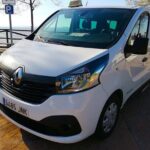
What makes this tour feel worth the cost is the mix of major sights plus practical inclusions. You get hotel pickup, an air-conditioned vehicle, English speaking guidance, and entrance fees for the planned stops, plus meals and 2 nights of accommodation in Seoul.
The one possible drawback is simple: it’s a lot packed into roughly three days. If you prefer slow museum-time and long wander breaks, you’ll want to plan on asking for small pacing changes early.
In This Review
- Key things I’d focus on before you book
- How a 3-day private route actually helps you
- Day 1: Gyeongbokgung, Bukchon, and Seoul’s classic photo circuit
- Gyeongbokgung Palace and optional hanbok time
- Insadong for craft browsing and classic Seoul streets
- Bukchon Hanok Village’s tight-lane reality
- N Seoul Tower for the big skyline moment
- Jogyesa Temple for calm in the middle of it all
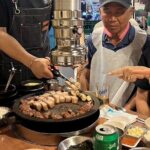
- Gwangjang Market for real-deal street food
- Day 2: Korean Folk Village, UNESCO Hwaseong, and a modern twist
- Korean Folk Village for late Joseon culture in action
- Hwaseong Fortress for the UNESCO reason
- Starfield Library for a modern break
- Day 3: DMZ sights with Dorasan, Dora, and the Third Tunnel
- The DMZ experience: a visit built around real-world context
- Dorasan Station: the northernmost rail story
- Dora Observatory for the look across
- The Third Infiltration Tunnel: the border under your feet
- Hongdae for youth energy after the weight of the DMZ
- Gamaksan Chulleong Bridge for a scenic walking break
- Price and value: what you’re really paying for
- Guides, pacing, and the real difference between a good and great tour
- Who should book this 3-day Seoul + DMZ experience
- Quick booking checklist (so the first day feels easy)
- Should you book it?
- FAQ
- What’s the start time and how does pickup work?
- Is this a private tour?
- Are entrance fees included?
- What meals are included?
- Is accommodation included?
- Can I rent hanbok during the tour?
- Is the itinerary flexible if I want different priorities?
- Do I get help with food choices like vegetarian meals?
- What does the DMZ portion include?
Key things I’d focus on before you book
- Private pacing and customization: you can discuss and adjust the original plan to fit your interests
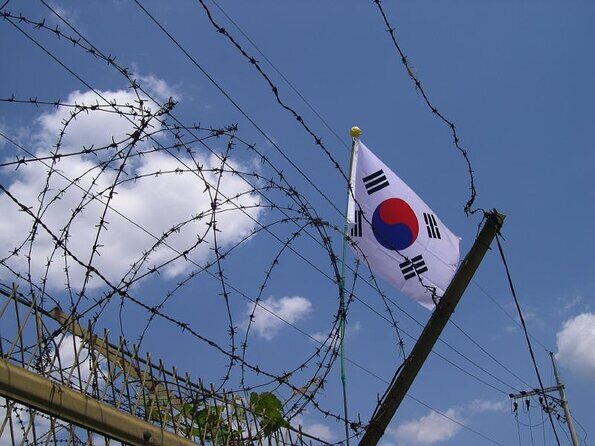
- DMZ access with multiple stops: Dorasan Station, Dora Observatory, and the Third Tunnel are all on the route
- UNESCO Hwaseong Fortress: paired with Korean Folk Village for a culture-heavy day
- Food stops built in: Gwangjang Market is included for street food and classic eats
- City views at N Seoul Tower: a 360-degree Seoul panorama at the top
- No forced big shopping detours: the tour emphasizes sights and meals over compulsory malls
How a 3-day private route actually helps you
This tour is built for people who want the headline sights without losing half the day to transit delays or “turn here and follow the crowd” chaos. With a private setup, you’re not waiting for a late busmate, and you can keep your time efficient when you hit a line, a photo moment, or a neighborhood detour.
The day structure is also practical. You typically start around 9:00 am with pickup in Seoul, then you move through clustered areas before heading outward for day trips (like the DMZ and the Suwon region). That matters because Seoul traffic can turn a “short drive” into a long one. Here, the route is designed so you’re not zigzagging randomly across the city.
And because it’s private, you can steer priorities. If you care more about palaces and old neighborhoods, you can spend extra time in places like Bukchon and Insadong. If you’re more into modern Seoul energy, you can put more weight on N Seoul Tower and Hongdae.
You can also read our reviews of more private tours in Seoul
Day 1: Gyeongbokgung, Bukchon, and Seoul’s classic photo circuit
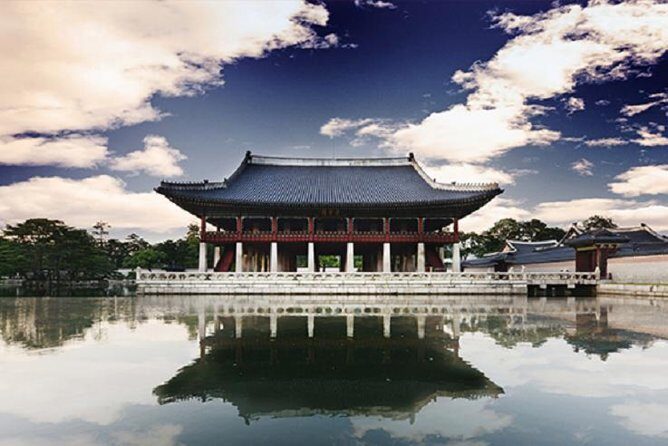
Your first day reads like a greatest-hits walk through old Seoul, with just enough modern flavor to keep things lively.
Gyeongbokgung Palace and optional hanbok time
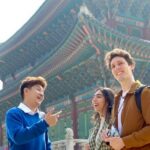
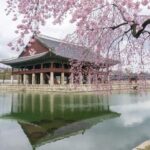
You start at Gyeongbokgung Palace, one of the Joseon Dynasty’s most famous royal sites. The tour includes entrance, and you also have an optional hanbok rental stop first—so you can stroll inside the palace in traditional dress.
That’s a smart add-on because hanbok isn’t only about photos. It changes how you move through palace space and gives context for the setting. If you do it, I’d treat it like a short costume session: get your timing right before you enter, then enjoy the palace grounds without rushing the moment.
Insadong for craft browsing and classic Seoul streets
After the palace, you head to Insadong, known for long-running antique and traditional craft shops. This isn’t a “one shop and done” stop; it’s a district that’s made for wandering—ceramics, calligraphy, theater masks, embroidery, and other traditional arts.
What I like about including Insadong here is pacing. You go from palace grandeur into a neighborhood vibe where you can slow down a bit and choose what you actually want to look at.
Bukchon Hanok Village’s tight-lane reality
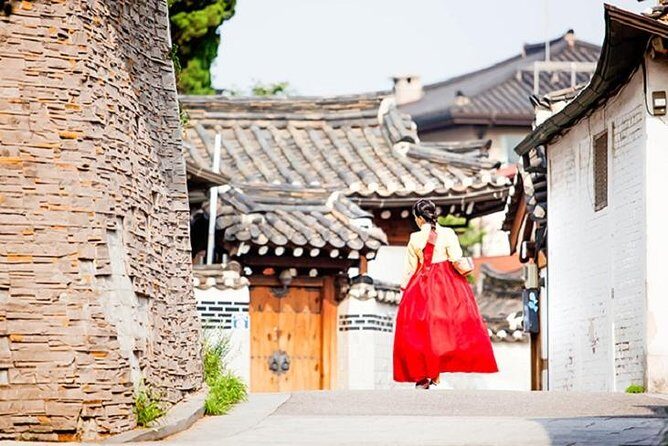
Next up is Bukchon Hanok Village, the area of hundreds of traditional hanok houses. This is where the city’s old architecture feels physically close: you walk through a maze of narrow streets with houses packed together, sometimes sharing walls.
The catch? Those lanes can feel tight and busy, and you’ll likely want to keep moving to avoid getting stuck behind slower groups. If you’re sensitive to crowds, ask your guide to time your most crowded walkway sections and give you a slightly different route through the village lanes.
N Seoul Tower for the big skyline moment
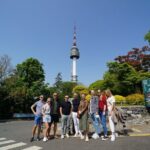
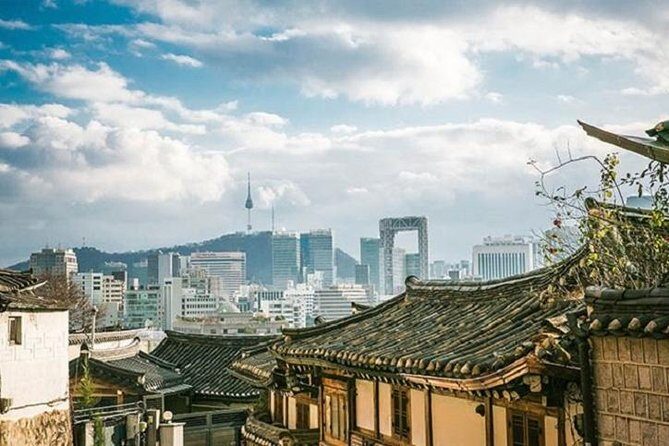
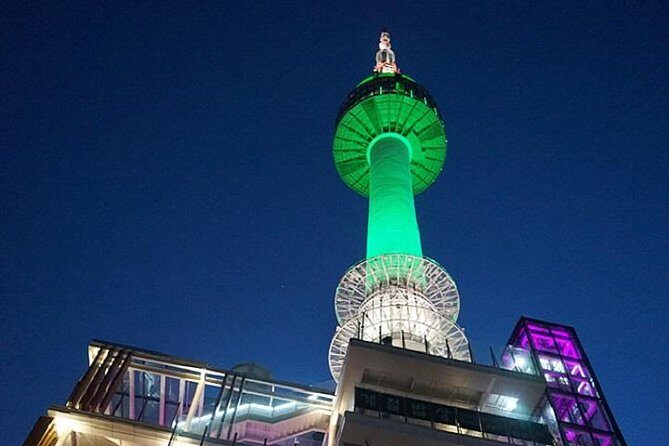
Then comes the payoff: N Seoul Tower for a 360-degree Seoul view. The tower sits on Namsan Mountain, and the viewing height is described as almost 480 meters above sea level. Expect the Seoul grid to stretch out behind you, plus layered city views depending on weather.
This is a great moment to ask your guide for a timing tip. The tour includes admission for the tower, so you’re not deciding on the fly—just make it count while you’re there.
Jogyesa Temple for calm in the middle of it all
If your day needs a breather, Jogyesa Temple fits the role. It’s free to enter and the stop is about 30 minutes, with the added bonus that it’s central to Seoul and used for festivals.
Even if you aren’t chasing a religious experience, temple stops are useful here. They help you reset your pace before you hit the bigger sensory hit: food markets.
Gwangjang Market for real-deal street food
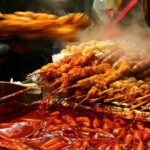
To end the day, you go to Gwangjang Market, a food market famous for street food and traditional Korean dishes. It’s also listed as a filming location for the Netflix series Street Food.
This stop is free on the plan, which is great because markets are where your taste buds get to decide your budget. You’ll want to arrive hungry and ready to browse. If you’re vegetarian, the tour says you can request a vegetarian option in advance—still, in a market, it’s smart to check what you’re ordering rather than assume every dish is meat-free.
Day 2: Korean Folk Village, UNESCO Hwaseong, and a modern twist
Day 2 shifts from Seoul center to cultural and historical sites outside the city, with a surprisingly good mix of old and new.
Korean Folk Village for late Joseon culture in action
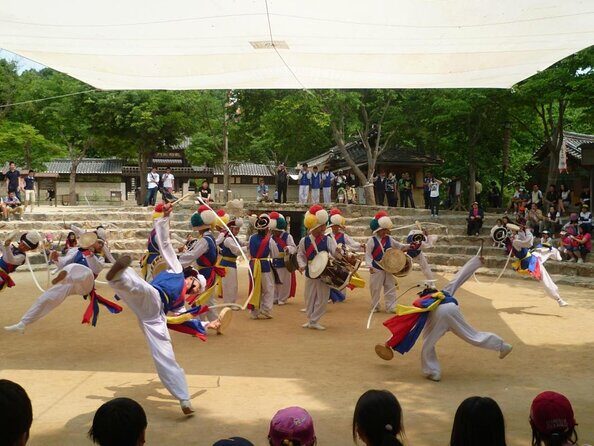
You start with Korean Folk Village in Yongin. The focus is traditional culture from the late Joseon period, including cultural classes and demonstrations. Entrance is included, and the time on site is about 2 hours.
The value here is that you aren’t only reading about history in a museum. You get structured cultural context in a setting designed for visitors, and classes/demonstrations help you understand daily life elements beyond the palace look.
This is also one of the best “buy-in” stops if you’re traveling with kids or anyone who gets restless on long historical stretches. It tends to feel more hands-on than a monument-only day.
Hwaseong Fortress for the UNESCO reason
Next is Hwaseong Fortress in Suwon, a UNESCO site. Construction is described as happening from 1794 to 1796 under King Jeongjo, and the fortress is tied to the Suwon regional story.
The stop is about 1 hour on the plan. With that time, I’d treat it like a “choose your viewpoints” experience: pick a few key areas to photograph and understand the layout rather than trying to cover every stone and wall detail.
Starfield Library for a modern break
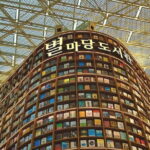
After the fortress, the tour includes Starfield Library, described as a new mall and a place to stop by. It’s about 1 hour and the stop is free on the plan.
This is a good reset between heavier history and the next big day. Even if you aren’t into shopping, it helps you stretch your legs and take photos in a more contemporary setting.
Day 3: DMZ sights with Dorasan, Dora, and the Third Tunnel
Day 3 is the political and emotional high point. You head from Seoul toward Paju for DMZ access with multiple major viewing stops.
The DMZ experience: a visit built around real-world context
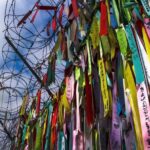
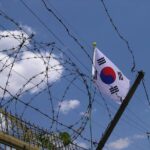
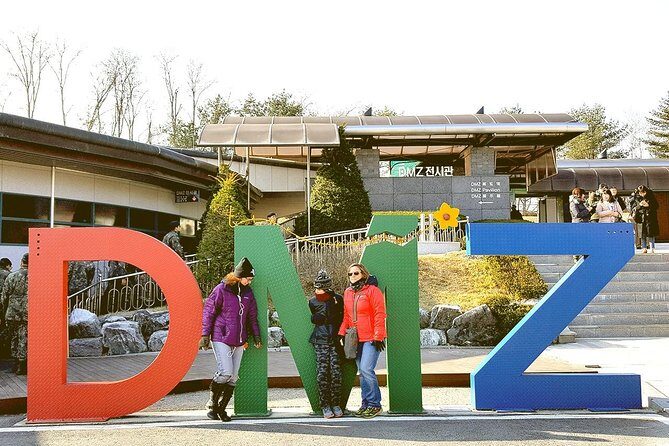
The DMZ is described as a weapons-free buffer zone established in 1953. On this tour, you get about 2 hours for DMZ touring with entrance included.
This is one of those days where your guide’s interpretation matters as much as the physical sights. I’d go in ready for the fact that this isn’t a casual sightseeing day—it’s site-based learning and careful observation.
Dorasan Station: the northernmost rail story
Then comes Dorasan Station, described as the northernmost railway station in South Korea. It once connected to North Korea and allowed temporary use for industrial supplies.
Even if you already know the basics of rail hopes and breakage, this stop is powerful because it turns headlines into a place you can stand in and see.
Dora Observatory for the look across
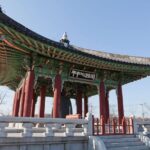
Next is Dora Observatory, where visitors can overlook North Korea. The tour description notes you can view structures and areas such as Gaeseong, Songaksan, and references like the Kim Il-Sung Statue and the Coo… (the remaining details aren’t specified in your info, so I’d stick to what’s listed).
This stop is roughly 1 hour. If you’re a “thinker,” spend time asking your guide what you’re seeing and what the limits are from this vantage point. If you’re a “photographer,” bring patience—visibility and lighting are always part of the story with observational sites.
The Third Infiltration Tunnel: the border under your feet
The Third Tunnel stop is about 1 hour and includes entrance. It’s described as one of four known infiltration tunnels under the border, discovered in 1978 and described as about 1 mile long, penetrating 435 meters south from the military demarcation line.
This is usually the most physically intense stop because you’re not looking outward—you’re looking inward, into the idea of threat and strategy turned into a visitor experience.
Hongdae for youth energy after the weight of the DMZ
After DMZ sites, the tour shifts again into modern Seoul: Hongdae, described as a trendy neighborhood with young Koreans, underground culture, and freedom of self-expression. This stop has no time listed in the info, but it’s clearly part of the day.
This contrast works well. It gives you emotional space after the DMZ, and it’s a chance to see how Seoul feels right now, not only what history says.
Gamaksan Chulleong Bridge for a scenic walking break
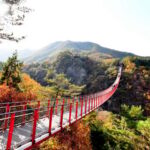
To wrap up, you visit Gamaksan Chulleong Bridge, a suspension bridge at Mt. Gamaksan. It’s free and the stop is about 50 minutes, with the historical note that it was a fierce battlefield during the Korean War but now offers beautiful scenery.
Because it’s a bridge, you can actually move at your own pace while taking in views. If the rest of the day has felt heavy, this is a nice way to end with something your body can enjoy.
Price and value: what you’re really paying for
At $1,250 per person for about 3 days, the big question is whether you’re buying convenience, access, and time saved—or just paying a premium for transportation.
For this package, the value case is strong because several high-cost elements are bundled in:
- Entrance fees are included for the planned stops
- You get hotel accommodation for 2 nights in Seoul
- Meals are included: breakfast (2) and lunch (3)
- You have pickup and an air-conditioned vehicle
- You get an English-speaking driving tour guide
On top of that, the most expensive-looking day (the DMZ day) includes multiple DMZ stops: Dorasan Station, Dora Observatory, and the Third Tunnel. DMZ tours often require tight scheduling, and the private structure is a practical advantage when you’re coordinating entry and timing.
If you’re traveling with a group, private pricing can be easier to swallow, and the tour also notes group discounts. If you’re solo, you’ll want to decide fast: do you want “the fastest way to cover the highlights with less mental load”? If yes, this setup is aimed directly at that.
Guides, pacing, and the real difference between a good and great tour
One detail I’d trust is that the tour’s success seems to hinge on the guide. In the provided feedback, English-speaking guides like Hammin, Joo-Ee, and Wookie are specifically mentioned as exceptional, helpful, knowledgeable, and friendly—and that time management and flexibility made the experience feel smooth.
In practice, that means this tour isn’t only about driving you to landmarks. A good guide helps you:
- adjust timing when weather or crowds shift
- choose what to prioritize at crowded spots like Bukchon
- connect DMZ sights to what you’re seeing rather than treating it like a checklist
This is especially important on a schedule-heavy tour. If you feel the day moving too fast, speak up early. The tour info says the itinerary is flexible for a private group, so your best chance to shape the day is at the start, not after you’ve already walked yourself tired.
Who should book this 3-day Seoul + DMZ experience
This is a great fit if you:
- want to see the major Seoul highlights plus DMZ without planning every ticket and transport detail
- like a mix of palace/temple culture, food markets, and modern neighborhoods
- value having someone manage timing, especially on the DMZ day
- prefer a tour that avoids compulsory big shopping centers
It may be less ideal if you:
- want a slow vacation rhythm with lots of unstructured time
- dislike packed itineraries (even though private flexibility helps, the plan is still full)
- want zero outside-city travel—because Korean Folk Village, Hwaseong Fortress, and DMZ all add driving days
Quick booking checklist (so the first day feels easy)
- If you want hanbok photos, plan to use the optional hanbok rental early in Day 1 timing.
- If you have diet needs, request vegetarian option at booking.
- If you care about DMZ pacing or any site priority, tell your guide upfront so adjustments can happen before the schedule tightens.
Should you book it?
I’d book this tour if you want a guided “best of Seoul” plan that also tackles the DMZ and UNESCO Hwaseong Fortress in the same trip, with meals and accommodation included. The private flexibility, plus strong guide performance names like Hammin, Joo-Ee, and Wookie, suggests you won’t just be transported—you’ll be guided.
I’d think twice if you’re the type who needs lots of downtime or hates a schedule. This tour can feel full, but it’s full in a purposeful way: each day changes pace so you’re not stuck in one mood all day.
If you’re ready for a well-managed, high-coverage Seoul experience with real access beyond the city center, this one is a solid choice.
FAQ
What’s the start time and how does pickup work?
The tour starts at 9:00 am, with hotel pickup in Seoul listed for the days shown in the itinerary.
Is this a private tour?
Yes. It’s described as a private tour/activity, and only your group participates.
Are entrance fees included?
Yes. Entrance Fee on the plan is included.
What meals are included?
The package includes breakfast (2) and lunch (3). Dinner is not listed as included.
Is accommodation included?
Yes. It includes 2N accommodation in Seoul.
Can I rent hanbok during the tour?
Yes. Hanbok rental is optional on Day 1 before visiting Gyeongbokgung Palace.
Is the itinerary flexible if I want different priorities?
Yes. The tour info says the itinerary is flexible and you can customize destinations during the private tour.
Do I get help with food choices like vegetarian meals?
Yes. A vegetarian option is available if you advise during booking.
What does the DMZ portion include?
The DMZ day includes stops at DMZ, Dorasan Station, Dora Observatory, and the Third Tunnel, with entrance fees included on the plan.