REVIEW · SEOUL
Yun Korean Cooking Class in Seoul
Book on Viator →Operated by Yun's K-food Lab · Bookable on Viator
Cooking is personal. And this one feels like it.
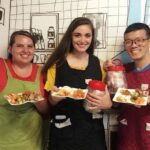
This Korean cooking class in Seoul is built around hands-on instruction from Chef Yun at Yun’s K-food Lab, plus the fun, very photo-friendly add-on of dressing in Hanbok. You also get a meal at the end that’s based on what you cooked, with extra food served so you can taste more than just your own plates.
Two things I’d circle right away: the recipes are kept simple enough for real home cooking, and the format is genuinely hands-on—so you’re not just watching while someone else does the work. One thing to think about: the class runs only in the early evening window (4:30 PM–7:00 PM), so if your trip rhythm is super early or super late, you’ll want to plan your day around it.
In This Review
- Key Highlights You’ll Actually Care About
- Where This Korean Cooking Class Happens in Seoul
- Your 2.5 Hours: From Welcome to the Final Meal
- The Chef’s Role: Real Instruction, Not Just Entertainment
- Hanbok Time: A Cultural Add-On That’s More Than Costume Photos
- What You’ll Cook and How You’ll Eat It
- Price and Value: Is $86 Reasonable for Seoul?
- Timing and Getting There Without Stress
- Who This Cooking Class Suits Best (and Who Might Skip It)
- Tips to Make Your Evening Easier
- Booking Logic: Should You Book This Korean Cooking Class?
- FAQ
- How long is Yun Korean Cooking Class in Seoul?
- What is the meeting point for the class?
- Is pickup offered?
- Do I need a printed ticket?
- Is this class private?
- What time does the class run?
- Is Hanbok included?
- Can I bring a service animal?
- Is free cancellation available?
Key Highlights You’ll Actually Care About
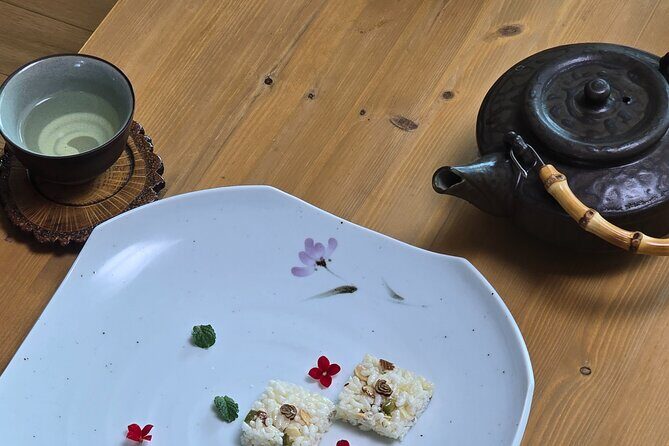
- Private group class: only your group participates, so you’ll get more direct attention.
- Step-by-step coaching: Chef Yun guides you through authentic dishes while sharing kitchen tips.
- Hanbok included: traditional Korean clothing is part of the experience and creates great photo moments.
- You eat what you make: you prepare dishes, then you sit down and enjoy them.
- Extra dishes to try: you don’t just get one small tasting—there’s more food to sample.
- Simple, doable recipes: the goal is that you can recreate this at home, not just survive the class.
Where This Korean Cooking Class Happens in Seoul
Yun Korean Cooking Class takes place in Seoul, South Korea, with the meeting point listed at 771-3 Magok-dong, Gangseo-gu, Seoul. The class also ends back at the meeting point, so you’re not dealing with a confusing multi-location maze at the end of a food-focused evening.
This matters because you can plan your day without guessing how you’ll get back. Also, because the activity is near public transportation, you’re not trapped into using only the included pickup option. (Pickup is offered, but not required—so you can choose what fits your schedule.)
The class runs on Tuesday through Sunday, 4:30 PM to 7:00 PM, which lines up nicely with the stated approximate duration of 2 hours 30 minutes. In plain terms: you’ll get a full cooking session and still have time afterward for dessert, a stroll, or a relaxed dinner plan.
You can also read our reviews of more cooking classes in Seoul

Your 2.5 Hours: From Welcome to the Final Meal
The experience is designed as a structured, guided flow. You start at the meeting point and (if you choose pickup) you’re collected and brought in to begin. Then the session moves into what the host describes as step-by-step cooking with cultural context, health benefits, and small practical tips.
Here’s what that typically feels like in a class like this—and what you should expect to get out of it:
First, you’ll be taught how to approach Korean cooking in a way that makes sense, not just memorization. Chef Yun’s focus is on authentic dishes, built with instruction that’s meant to translate into your kitchen later. That’s a big deal for value: if your recipes are too complicated, you’ll never repeat them back home.
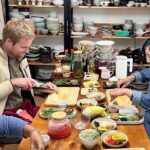
Next comes the main work: cooking. Since the experience is described as hands-on, you’re doing the prep and cooking steps yourself, not hovering nearby. And because it’s a private activity, the attention from the chef and kitchen team stays with your group rather than being diluted across a larger crowd.
Finally, you eat. The format includes not only the dishes you cooked, but also additional food prepared by the hosts so you can sample more of what Korean cuisine offers. The takeaway is that you leave full—and also with a clearer idea of flavor balance, texture, and how dishes fit together as a meal.
The Chef’s Role: Real Instruction, Not Just Entertainment
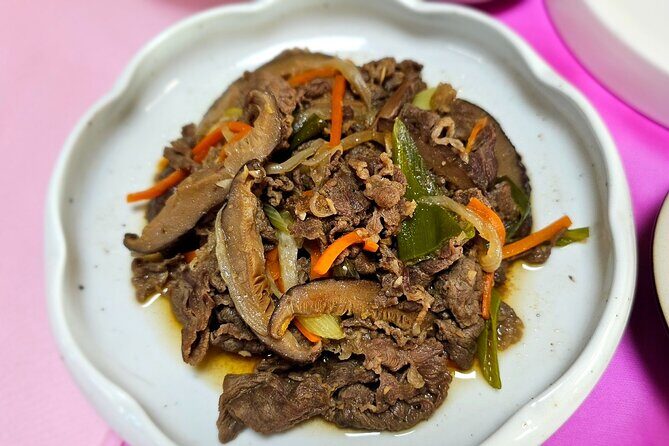
Chef Yun’s K-food Lab is positioned as a place where the chef shares flavors, stories, and health benefits alongside cooking technique. The big promise here is authentic dishes, taught “step-by-step.”
In practice, that usually means the chef doesn’t just say what to do. The coaching tends to focus on decision points: why an ingredient matters, how to adjust during cooking, and what makes a Korean dish taste like it should. Even if you don’t consider yourself a confident cook, this kind of guidance is exactly what turns a class into something you can replicate.
Also, the review-style notes connected to this class emphasize a home-like atmosphere. That matters because the best cooking classes reduce intimidation. When the setting feels welcoming and the instructions feel doable, you actually learn. You don’t just take photos and hope.
Hanbok Time: A Cultural Add-On That’s More Than Costume Photos
One of the most memorable parts of this experience is the chance to wear Hanbok, Korea’s traditional clothing. The description frames it as a “beautiful, photogenic journey,” which is true—but it’s also more than a quick costume stop.
Hanbok changes how you move and how you pose. That shifts the experience from purely food-focused into something tied to Korean culture. It also gives you a visual story you can share later: not just plates of food, but a sense of what it felt like to be part of the culture for an evening.
There’s also a practical upside. When you’re in a calm, guided setting—rather than rushing through a busy tourist schedule—your photos come out better and you enjoy the moment more. If you’re traveling with someone who likes photos but doesn’t always love cooking classes, this Hanbok piece gives them a reason to relax and enjoy.
What You’ll Cook and How You’ll Eat It
The class is built around making traditional Korean dishes, guided step-by-step. The key detail is that you don’t just taste what’s already done—you cook, then you eat your own creations.
That self-made part is what I think you should pay attention to when judging value. If you’re spending money on a cooking experience, you should come away feeling like you participated. Here, the structure is designed so you end up with a meal you made yourself.
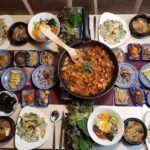
A second important value point: you also get lots of other dishes to try. In other words, your plate isn’t limited to only what you personally cooked. That gives you more range in flavors and textures. It also helps you understand Korean cuisine as a system—how one dish complements another, and how a meal doesn’t rely on one bold item to do all the work.
You’ll also get recipes at the end, based on the class promise that you’ll leave with tasty recipes and happy memories. The recipes are described as simple enough to try at home, which is the real test of whether you got your money’s worth.
A few more Seoul tours and experiences worth a look


Price and Value: Is $86 Reasonable for Seoul?
At $86.00 per person, this isn’t the cheapest cooking class in Seoul—but it also doesn’t look wildly priced for what’s included. You’re getting:
- A guided, hands-on cooking session for about 2.5 hours
- Instruction tied to authentic Korean cuisine
- A private format (only your group participates)
- Hanbok included
- A meal you made, plus additional dishes to sample
- Recipes to take home
The private part matters. With private classes, you’re paying partly for the attention and the smaller group setting. That tends to improve your learning and reduces the common cooking-class problem of standing around while others take turns.
If you’re a solo traveler, the price can still be worth it if you value direct instruction and don’t want to deal with a larger group. If you’re traveling with a friend or partner, it often feels like better value because you get two people learning and eating your way through Korea’s flavors in one session.
One small note: the experience averages are booked about 37 days in advance, so if you have a specific date in mind, don’t wait until the last minute.
Timing and Getting There Without Stress
This is scheduled Tuesday through Sunday from 4:30 PM to 7:00 PM, with the class ending back at the meeting point. That timing is ideal if you’re sightseeing earlier in the day and want dinner to be part of your plan.
You also have flexibility because:
- Pickup is offered
- The meeting point is near public transportation
- The activity provides a mobile ticket
So even if you don’t want pickup, you can still get there easily. And because it’s not a full-day tour, the time commitment is manageable. You’re not sacrificing your whole evening to one activity—you’re using it well.
The meeting point address in Gangseo-gu also helps if you like planning routes in advance. Just plug it into your map app and you’ll be set.
Who This Cooking Class Suits Best (and Who Might Skip It)
This experience is a good match if you want Korean food in a format that helps you learn, not just eat. You’ll probably enjoy it most if you:
- Like hands-on cooking
- Want recipes you can actually make again at home
- Enjoy culture add-ons like Hanbok
- Prefer a smaller, private group setting
It might be less ideal if you only want to watch cooking rather than do it yourself. Since this class is described as step-by-step with you making dishes, it’s built for participation.
Also, if you hate late-day schedules, the fixed 4:30 PM start could be a dealbreaker. But for most people, it’s a sweet spot: warm food, relaxed pace, and you’re done in time for nighttime plans.
Tips to Make Your Evening Easier
You’ll get the most from a class like this if you treat it as a learning session and a meal, not just a show.
A few practical ideas:
- Arrive a bit early so you can focus instead of checking your phone.
- Wear comfortable clothes for cooking and Hanbok time (you’ll be moving around).
- If you’re sensitive to smells or heat, tell the host early so they can guide you through the steps comfortably.
- Pay attention to the “little tips” mentioned in the class description—those are usually the parts that make home cooking succeed.
And if you’re coming with shopping bags from earlier in the day, consider storing them before you start cooking (if the host provides a place). Clean hands and clutter-free space means you’ll cook better.
Booking Logic: Should You Book This Korean Cooking Class?
Yes—if your goal is Korean food you can reproduce, plus a cultural moment that isn’t generic. This class stands on two pillars: simple, repeatable recipes and a meal built around what you actually made. Add Hanbok and you get a whole experience, not just a cooking demo.
I’d book it when:
- You can make the 4:30 PM time slot
- You want a smaller, private group setting
- You care about taking home recipes, not just eating once
I’d hesitate if:
- You strongly prefer sightseeing over cooking
- You’re allergic or sensitive to kitchen activity and don’t want to participate
- Your schedule can’t fit the early evening window
FAQ
How long is Yun Korean Cooking Class in Seoul?
The class lasts about 2 hours 30 minutes.
What is the meeting point for the class?
The meeting point is listed as 771-3 Magok-dong, Gangseo-gu, Seoul, South Korea, and the tour ends back at the same location.
Is pickup offered?
Yes, pickup is offered.
Do I need a printed ticket?
No. A mobile ticket is included.
Is this class private?
Yes. It’s described as a private tour/activity, so only your group participates.
What time does the class run?
It runs Tuesday through Sunday from 4:30 PM to 7:00 PM.
Is Hanbok included?
Yes. You’ll have the chance to wear Hanbok during the experience.
Can I bring a service animal?
Yes. Service animals are allowed.
Is free cancellation available?
Yes. Free cancellation is available up to 24 hours in advance for a full refund.