REVIEW · SEOUL
You’re Invited to Our Home in Seoul: The Only Cooking Class!
Book on GetYourGuide →Operated by Discover Seoul: Local Vibes · Bookable on GetYourGuide
Cooking in a real Seoul home beats a tour.
This is a small-group Korean home cooking class with Han River views, where you get taught how to make jeon and other everyday dishes the way families do, then sit down to eat what you made.
I love the hands-on focus on handmade jeon and the fact you leave with recipes you can actually repeat. I also like the small group setup, which means you can ask plenty of questions without rushing. One thing to consider: this takes place in a real home, and it is not set up for wheelchair users.
In This Review
- Key takeaways
- The Real Deal: Cooking in David and Hanna’s Seoul Home
- What You’ll Cook: Jeon, Stew, Tea, and Two Desserts
- The jeon lineup you can expect
- The stew and the hot drink moments
- Desserts you actually remember
- The Jeon Lesson: Flipping With a Purpose
- Eating Like a Local: Banchan, Full-Course Meal, and Tea Breaks
- Dietary Needs: Vegan, Vegetarian, Spice Control, and Allergy Safety
- The View and the Seoul Walk: Han River Time After You Eat
- Price and Value: Paying $110 for More Than a Meal
- Logistics That Matter: Small Group, No Transit Included, Bring Your Camera
- Who Should Book This Seoul Cooking Class?
- Should you book this Seoul home-cooking invite?
- FAQ
- What do you cook during the class?
- What food and drinks are included?
- Is it a large tour?
- How long is the cooking class?
- Can the menu be adjusted for dietary restrictions?
- Is there an option after the meal?
- Are ingredients and equipment provided?
- What should I bring with me?
- What is not allowed during the experience?
- Is there a cancellation option and pay later?
Key takeaways
- Real home setting in Seoul: you cook and dine where locals live, not a commercial studio
- Assorted jeon practice: multiple pancake styles, made from scratch and tasted with tea
- Dietary adjustments possible: vegan/vegetarian and spice-level tweaks are supported if you tell the host
- Full meal included: 3 main dishes plus seasonal banchan, and Korean desserts
- Han River walk after eating: optional free 1-hour stroll with skyline views
- David and Hanna’s approach: friendly, family-style guidance and practical Seoul food tips
The Real Deal: Cooking in David and Hanna’s Seoul Home
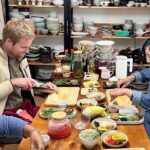
If you like the idea of food as a window into daily life, this Seoul class does that in the most straightforward way possible: you’re invited into a real Korean home to cook, eat, and ask questions at the source. The hosts, David and Hanna, keep the vibe warm and relaxed, and the setting gives you that rare mix of kitchen time plus a gorgeous view of the Han River and Seoul downtown.
The biggest value for me is that you’re not just watching. You’re flipping, seasoning, pacing yourself, and learning what makes Korean pancake batter work. And because you’re only limited to 4 participants, you get enough attention to troubleshoot your technique instead of getting lost in a crowd.
The other key piece is that the class isn’t trying to turn Korean food into a performance. You’ll work with familiar ingredients and everyday dishes, then sit down to a meal that looks like something you’d see on a Korean holiday table: main dishes, banchan (side dishes), tea, and dessert.
You can also read our reviews of more cooking classes in Seoul

What You’ll Cook: Jeon, Stew, Tea, and Two Desserts
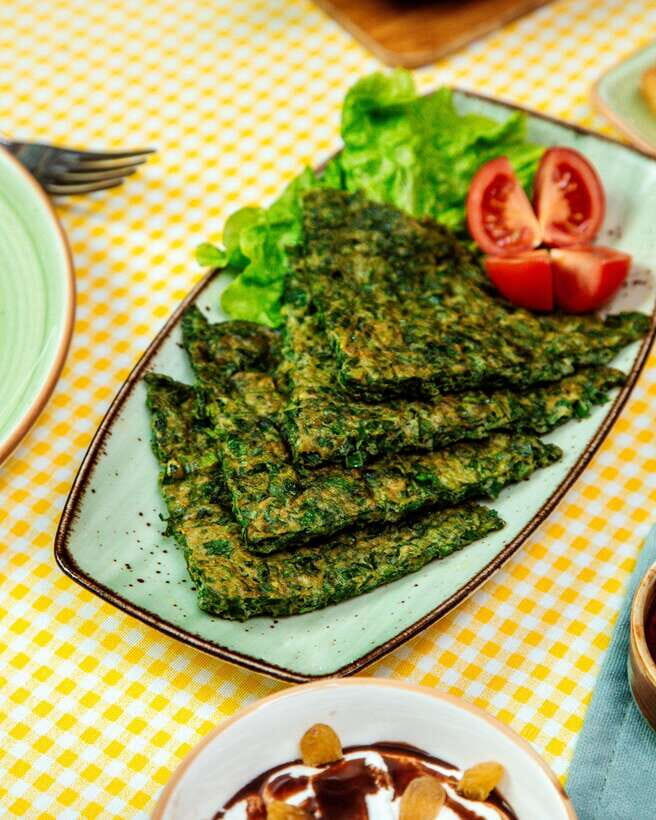
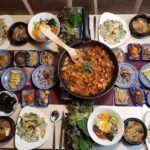
This is a “hands-on Korean food” class built around pancakes plus a comforting stew. The exact pancake lineup can change based on what ingredients are available that day, but the class centers on Assorted Jeon made from scratch and eaten hot.
The jeon lineup you can expect
You’ll learn to make a mix of jeon types, including options like:
- Donggeurangttaeng (meatball pancake)
- Pajeon (scallion pancake)
- Hobakjeon (zucchini pancake)
- Beoseotjeon (mushroom pancake)
- Dubujeon (tofu pancake)
- Yukjeon (beef pancake)
- Kkochi-jeon (skewered pancake)
- Haemuljeon (seafood pancake)
For you, this variety matters. Korean jeon isn’t one trick. Different fillings behave differently on the pan, so you’ll learn more than one texture lesson: how batter clings, how to manage heat, and how to judge doneness. Even if you’re a beginner, that variety helps you build a mental checklist you can reuse later.
The stew and the hot drink moments
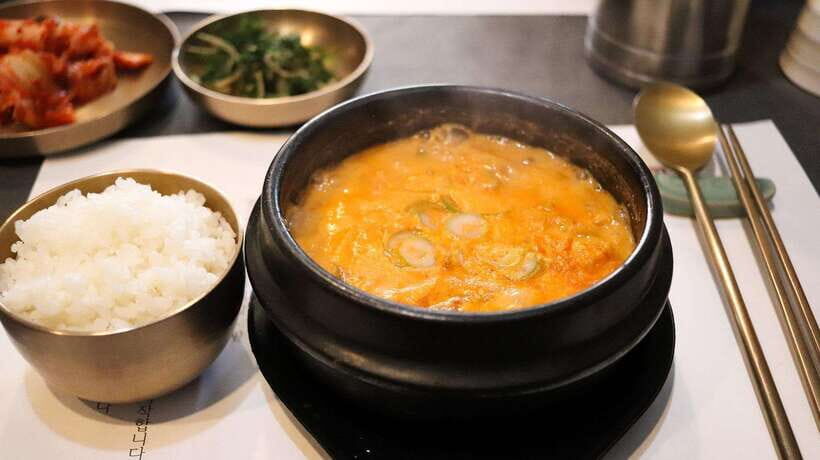
On top of the jeon, you’ll also make Doenjang-jjigae, a soybean paste stew that brings that deep, savory comfort Korean meals are famous for. You’ll pair everything with traditional Korean tea, and the class includes additional tea and snacks throughout.
Desserts you actually remember
Two desserts are included:
- Sikhye (sweet rice punch)
- Hotteok (sweet Korean pancake)
I like that the dessert isn’t an afterthought. You’ll get sweet flavors that fit the meal rather than standing apart from it.
A few more Seoul tours and experiences worth a look


The Jeon Lesson: Flipping With a Purpose
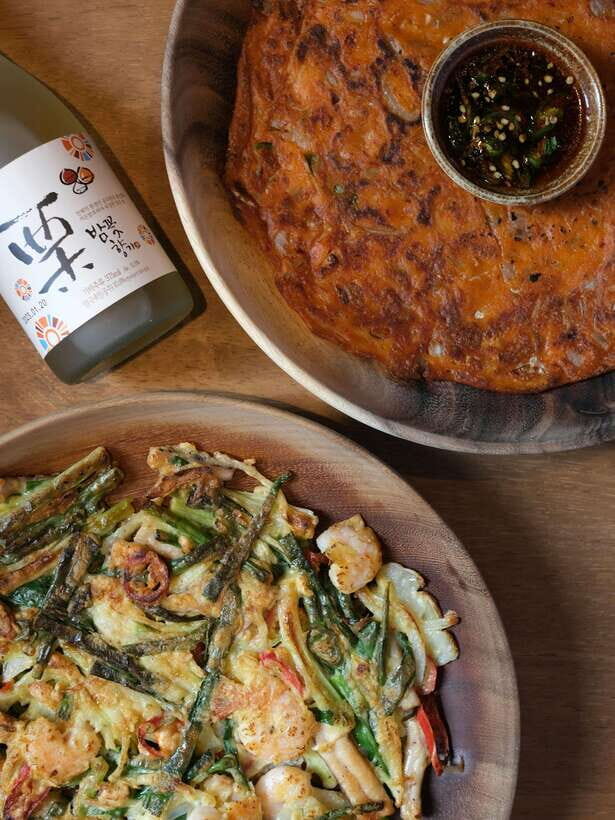
Jeon looks simple, but it has rules. This class is built to teach you those rules in a way that sticks, especially if you care about learning more than just a recipe.
Here’s what you’ll be working on during the jeon portion:
- Understanding the batter consistency you need before the pan
- Pan-frying technique, including timing and heat control
- How fillings change the cooking behavior
- How to build a nice mix of crisp edges and tender centers
The jeon theme is also culturally interesting. Jeon has long been tied to celebrations and family gatherings, so in the class it’s treated like more than food. You’ll hear the meaning behind the dish and why it shows up at important moments. That context helps you cook more thoughtfully, instead of just rushing through steps.
If you’ve ever tried to make Korean pancakes at home and ended up with batter that didn’t behave, pay attention here. This is the part of the experience that gives you the practical repeatability you want from a cooking class.
Eating Like a Local: Banchan, Full-Course Meal, and Tea Breaks
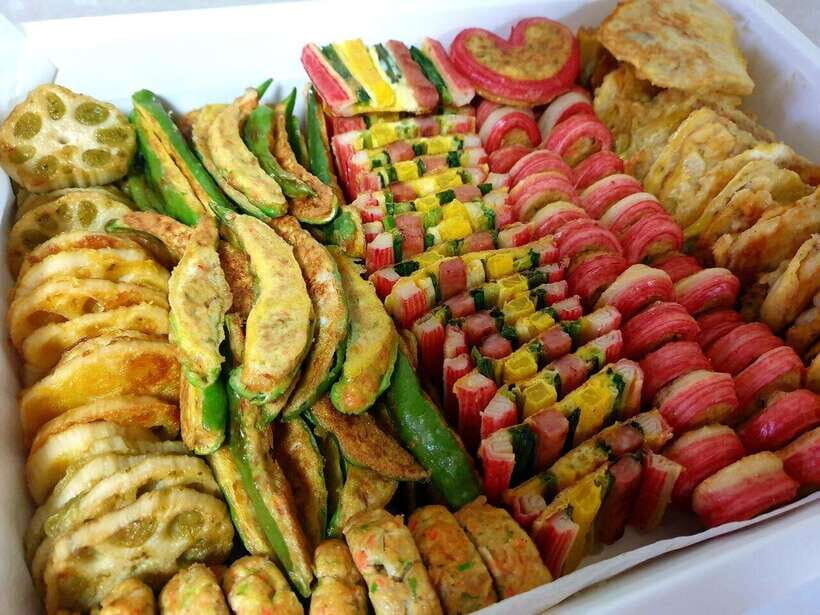
The meal is included as a full course: 3 main dishes plus seasonal banchan (side dishes). That matters more than it sounds. If all you got were a single plate of pancakes, you’d leave knowing how to cook one item. With the banchan included, you get the wider flavor world that Koreans balance on the table.
Seasonal banchan also changes your experience from day to day. You might notice you’re eating with a rhythm: savory jeon, warming stew, fresh or pickled sides, then tea, then dessert. That flow is part of how Korean meals work, and it’s the reason a home cooking class can teach more than a cookbook.
And yes, you get tea with the class, plus snacks along the way. You’ll be able to taste and reset without feeling rushed.
Dietary Needs: Vegan, Vegetarian, Spice Control, and Allergy Safety

This class is designed to be adjustable. The menu can be adapted for dietary needs, including vegan or vegetarian requests, and they can modify spice levels. If spicy food is a problem for you, tell them in advance so they can adjust the plan.
Allergies are also something you should take seriously. One participant with a shellfish allergy shared that the experience worked out well, which is a strong sign that the hosts take dietary restrictions seriously. Still, don’t assume anything. Send your requirements clearly ahead of time, especially if you have a severe allergy, and confirm what is and isn’t used.
If your goal is to eat Korean food without fear, this kind of flexibility is a major selling point. You get both authenticity and control.
The View and the Seoul Walk: Han River Time After You Eat
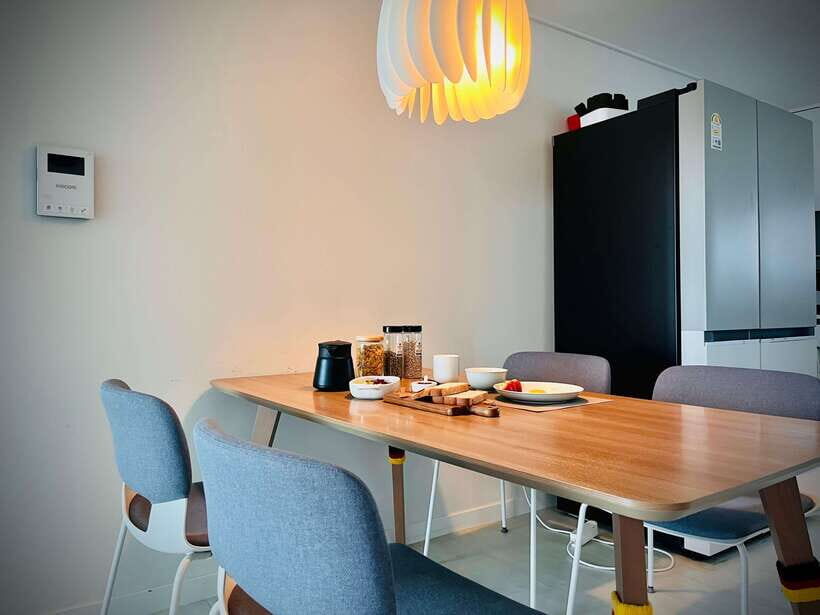
The class doesn’t end at the table. You can join an optional free 1-hour walk by the Han River after your meal. It can include a local area component too, and the whole idea is simple: use the momentum you have from the meal to see the city around you.
Why I think this is valuable: you go from cooking Korean flavors to seeing Korean life outside the kitchen. You’re also more likely to understand what you’re seeing because you just learned about everyday food habits and culture cues.
The Han River view is a big part of why people book this experience. The setting is already beautiful from inside the home, and then the walk gives you more time to take it in without turning it into a long tour marathon.
Price and Value: Paying $110 for More Than a Meal
At $110 per person for 2 hours, this isn’t a budget “just try a Korean dish” activity. But it does cover the big costs that many cheaper food experiences skip:
- All ingredients and equipment are provided
- Utensils and an apron are included
- A full meal is included with banchan, desserts, tea, and snacks
- Recipes are provided so you can cook at home
- A DSLR photography session is included, with photos delivered afterward
When you add it up, you’re paying for instruction, food, and a real host experience in a home setting. If your travel style is hands-on and you want skills you can repeat, that’s where the value lands.
If you just want a full meal and nothing else, you could eat for less. But if you want the technique and the context behind jeon and soybean paste stew, this price is easier to justify.
Logistics That Matter: Small Group, No Transit Included, Bring Your Camera
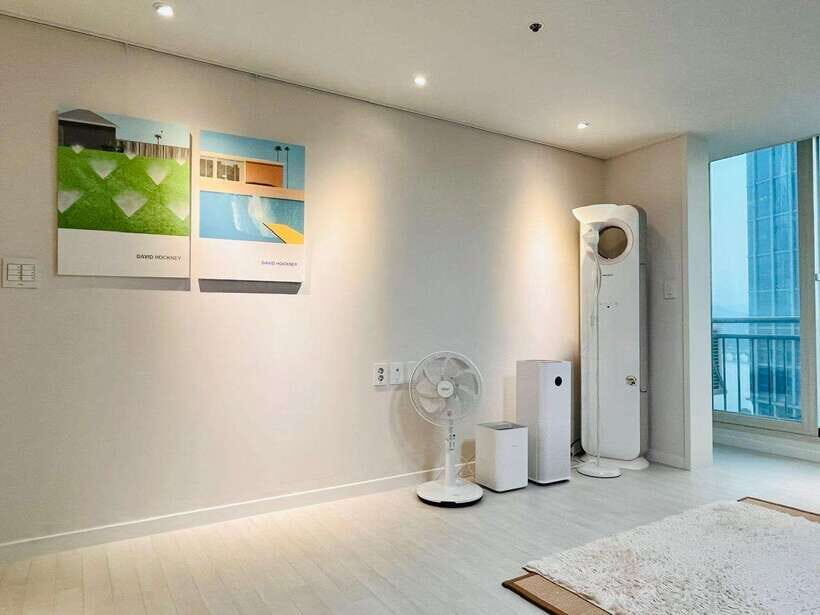
A few practical points to plan around:
- Duration is 2 hours, and the class runs in small groups limited to 4 participants
- English and Korean are supported
- Transportation to and from the home isn’t included, so you’ll want to plan your own route
- You’ll be cooking in a real home, so wear comfortable shoes
- Bring a camera if photos matter to you; they also do a DSLR photography session during the class
- Pets aren’t allowed, and smoking isn’t allowed
Also, this experience is not suitable for wheelchair users. If mobility is an issue, plan for stairs or tight indoor spaces that can come with a real neighborhood home.
Who Should Book This Seoul Cooking Class?
This class fits best if you:
- Want to learn Korean home cooking, not just sample it
- Love the idea of mastering jeon technique across multiple styles
- Appreciate a small-group format where you can ask questions
- Have dietary needs and want menu adjustments
- Want a fun connection between food and a Han River city view after dinner
It might not fit as well if:
- You want a huge group, big stage energy, or a fast “see-and-go” tour
- You require wheelchair access
- You’re only interested in one dish, because the experience is designed as a full meal with multiple components
Should you book this Seoul home-cooking invite?

Yes, if your travel goal is to come home with real skills and a clearer picture of everyday Korean life. The combination of hands-on jeon, a full meal with banchan, and the option for a Han River walk is a strong, practical package.
Before you book, send your dietary needs early and be specific about spice level and allergies. Also, plan your transit yourself since pickup or drop-off isn’t included.
If you want a cooking class that feels like an invitation rather than a ticket, this is the kind of experience that sticks.
FAQ
What do you cook during the class?
You’ll make Assorted Jeon (Korean pancakes) from scratch plus Doenjang-jjigae (soybean paste stew). The pancake types can vary based on ingredient availability.
What food and drinks are included?
A welcome drink of Korean traditional tea is included, along with a full meal of 3 main dishes and seasonal banchan. Dessert includes Sikhye and Hotteok, and complimentary tea and snacks are available throughout the class.
Is it a large tour?
No. It’s a small group experience limited to 4 participants.
How long is the cooking class?
The class runs for 2 hours.
Can the menu be adjusted for dietary restrictions?
Yes. The menu can be adjusted for vegan, vegetarian, and specific dietary needs. Spice levels can also be modified if needed, as long as you inform the host in advance.
Is there an option after the meal?
Yes. You can join an optional free 1-hour Han River walk after your meal, and it may include a local area tour as well.
Are ingredients and equipment provided?
Yes. All ingredients and equipment are provided, and you’ll also use utensils and an apron provided for the class.
What should I bring with me?
Bring comfortable shoes and a camera. The activity also lists snacks and water as helpful to bring.
What is not allowed during the experience?
Pets are not allowed, and smoking is not allowed.
Is there a cancellation option and pay later?
Yes. You can cancel up to 24 hours in advance for a full refund, and you can reserve now and pay later.
![[ Full Day ] Nami Island & Petit France From Seoul - Nami Island: cherry and ginkgo trees plus 6 hours to wander](https://8.koreaadventures.com/wp-content/uploads/full-day-nami-island-petit-france-from-seoul.jpg)