REVIEW · SEOUL
(Seoul) Korean Cooking Class with a Professional Chef
Book on GetYourGuide →Operated by Ricely Cooking Studio · Bookable on GetYourGuide
Cooking Korean comfort is surprisingly doable. This 2.5-hour class in Gyeonggi Province has you cooking at your own station with Da-ye and a professional chef, kept intimate with a max of 3 people. The goal is simple: learn Korean home-cook techniques, not just how to follow steps.
I love the clear day-by-day menu options, so you can choose the vibe you want, from home-cooked stews to street-food favorites. I also like that you leave with recipe cards plus photos and videos to help you recreate the dishes later.
One thing to plan for: no spectators are allowed during class time. If you’re bringing friends for the experience but not participating, they won’t have a waiting area inside.
In This Review
- Key highlights to look for
- Da-ye and Ricely Cooking Studio: why this feels personal
- The 2.5-hour flow: welcome drink, cooking, then you eat
- Choose your weekday menu: home-cooked, street food, or vegan Korea
- Mon & Tue: Korean home-cooked meal with 3 mains
- Wed: Korean street food, bunsik-style
- Thur: Korean home-cooked meal, another 3-dish set
- Fri: Vegan Korean home-cooked meal with 3 dishes
- What you’ll learn that actually transfers to your kitchen
- The meal part: rice, kimchi, drinks, and a full belly
- Price and value: what $105 buys for 2.5 hours
- Who this class is best for (and who should skip)
- Before you go: timing, location, and the one rule to remember
- Should you book this Korean cooking class?
- FAQ
- What’s the duration of the cooking class?
- How many people are in the class at once?
- What language is the instruction in?
- Do I get to choose what I cook?
- What dishes are included on the different days?
- Is food and drink included?
- Can friends or family watch the class?
Key highlights to look for

- Max 3 people at a time means real hands-on guidance, not shared chaos
- Da-ye’s cooking background blends Korean culinary training with years teaching in English-speaking settings
- Your own cooking station keeps the pace comfortable and question-friendly
- Complimentary rice, kimchi, and drinks turn the class into a real meal, not just tasting
- Recipes, photos, and videos after class make it easier to cook again at home
Da-ye and Ricely Cooking Studio: why this feels personal
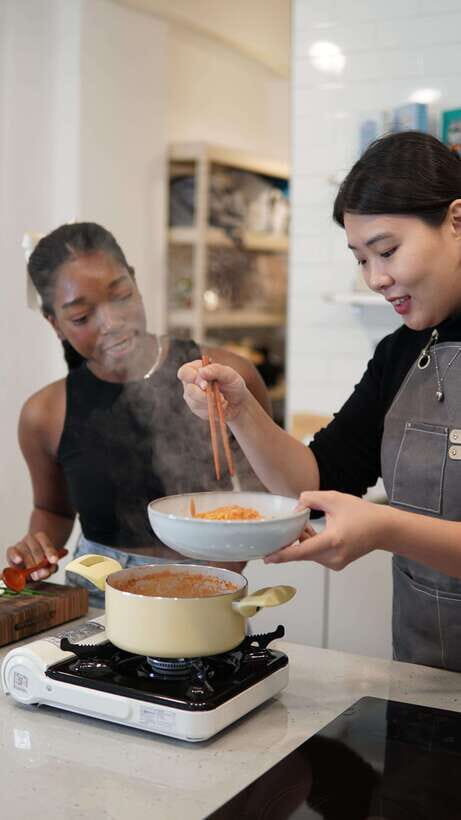
This class is run through Ricely Cooking Studio, with Da-ye teaching in English. She’s the owner of Nosh, a British brunch cafe in Seoul, and she also creates content about food. That matters because her teaching style is built for visitors who want practical results, not a lecture.
Da-ye majored in hotel culinary arts in South Korea, then moved to the UK in her 20s to explore other cuisines. For years, she’s also done menu consulting for restaurants interested in Korean food and vegan or vegetarian recipes. After roughly 12 years of teaching Korean cuisine to people of different ages and backgrounds, she’s comfortable explaining Korean food in ways that click for people with very different food experiences.
The small group format is the big payoff. When the class is capped at 3, you’re more likely to get personal coaching while you cook. And because the instructor’s English is part of the design, you’re not left guessing when a technique changes mid-recipe.
You can also read our reviews of more cooking classes in Seoul

The 2.5-hour flow: welcome drink, cooking, then you eat
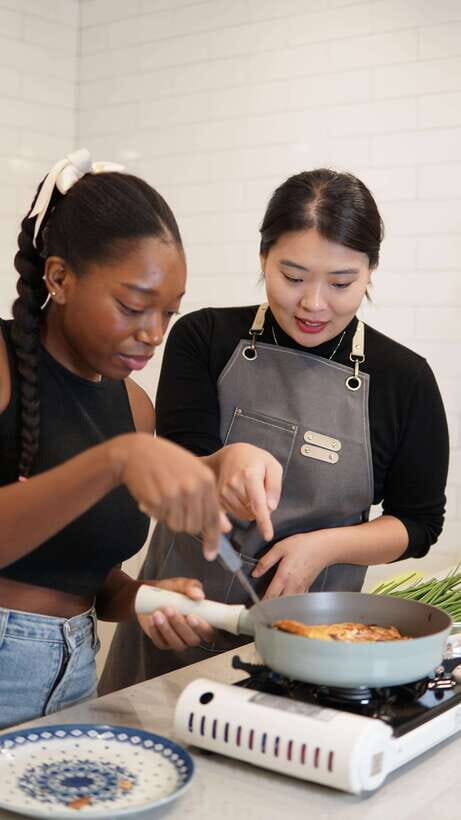
The lesson lasts 2.5 hours, and that includes both cooking and the time to eat what you made. In other words, don’t plan on rushing out right after the last step. You’ll get a slower, more satisfying rhythm.
Here’s how the experience is set up, at a practical level:
1) Welcome and drinks
You start with a welcome drink (coffee or another drink). It’s a small thing, but it helps you settle in, especially if you’re coming in hungry and a little travel-tired.
2) Prep and cook at your own station
You cook your chosen dish at your own station while a professional chef guides you. The class is described as relaxed, which usually means the pace is meant for learning. And because it’s small, you can ask real questions while you’re doing the work.
3) Eat with complimentary basics
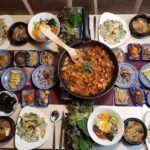
After cooking, you sit down and take time to enjoy the meal. Rice and kimchi are included, along with complimentary drinks. This is where Korean home-cook meals make sense: the side basics aren’t an afterthought. They’re part of how the flavors land.
4) Wrap-up: get your take-home materials
After class, you receive recipe cards plus photos and videos. That’s one of the strongest value points, because it turns the class into a lasting reference, not a one-off memory.
Also worth knowing: there’s a separate entrance so you can skip the line. If you dislike waiting around before food starts, this is a nice touch.
Choose your weekday menu: home-cooked, street food, or vegan Korea
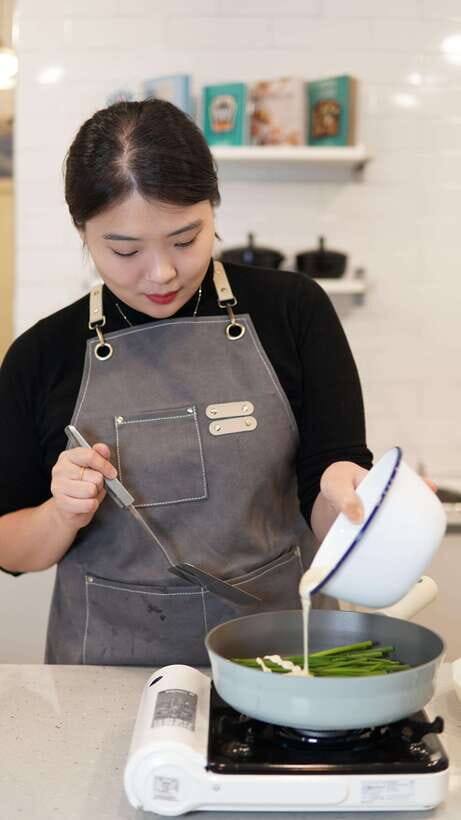
The class runs on different days with different menus. That’s great because Korean food isn’t one style—it’s soups, pancakes, noodles, rice bowls, and snacky street classics. Here’s what you can expect by day:
Mon & Tue: Korean home-cooked meal with 3 mains
You cook:
- beef bulgogi
- seafood pa-jeon (seafood spring onion pancake)
- pork kimchi jjigae (kimchi stew)
This combo is classic Korean comfort. Bulgolgi gives you savory-sweet meat flavor, pa-jeon adds crisp, batter-fried texture, and kimchi jjigae brings deep, warming heat from fermented kimchi.
Wed: Korean street food, bunsik-style
You cook:
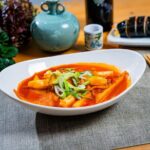
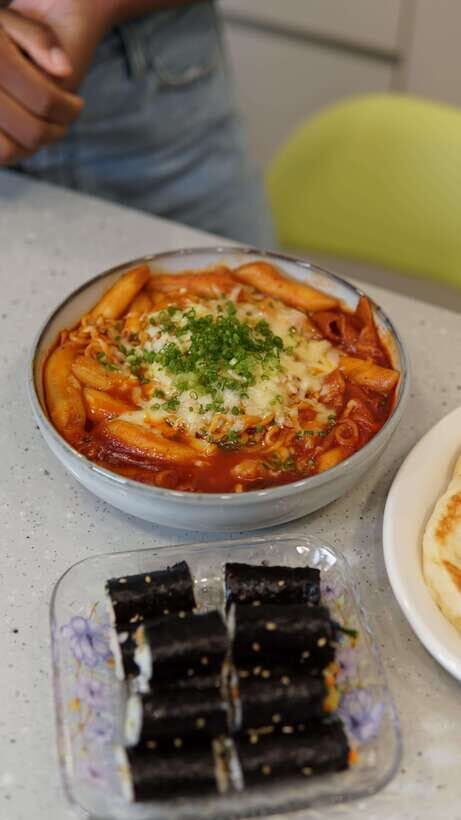
- tteok-bokki
- Korean fried chicken (dakgangjeong)
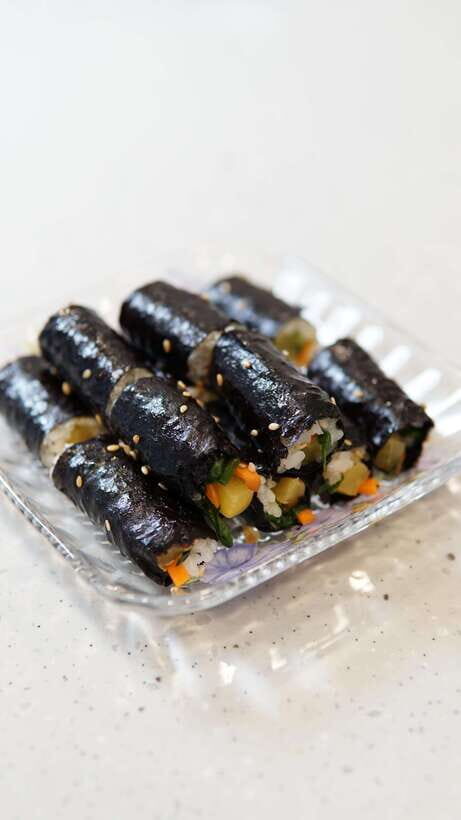
- mini kimbap
If you want more of that snack-to-sharing-food vibe, this is the day. Tteok-bokki gives you the chewy bite and sauce coating, dakgangjeong adds sticky crunch, and mini kimbap makes the whole meal feel balanced and easy to eat.
A few more Seoul tours and experiences worth a look


Thur: Korean home-cooked meal, another 3-dish set
You cook:
- dakgalbi (spicy stir-fried chicken)
- kimchi jeon (kimchi pancake)
- doenjang jjigae (soy bean paste stew)
This menu leans into savory fermentation and bold flavors. Doenjang jjigae is the kind of dish that makes you understand why Korean stews taste “round,” not sharp. And kimchi jeon is a great bridge between kimchi flavor and pancake comfort.
Fri: Vegan Korean home-cooked meal with 3 dishes
You cook:
- bibimbap
- japchae
- doenjang jjigae
For vegan diners, this is a strong option because you still get variety: a mixed rice bowl (bibimbap), glassy noodles (japchae), and a hearty stew (doenjang jjigae). Even if you’re not vegan, it’s a smart choice if you want to learn how Korean cooking translates without meat.
Picking the day is also a simple way to match your mood. If you’re craving something cozy and warm, go for the home-cooked menus. If you want fun, hand-food energy, pick street food day.
What you’ll learn that actually transfers to your kitchen
This class focuses on cooking at home style, with tips and tricks used by Koreans when cooking. That phrase is the real promise, because it means you’re not only copying a recipe—you’re picking up the kind of judgment calls that make dishes taste right when you cook later.
In practice, you’ll be working on dishes that rely on a few core Korean ideas:
- fermented flavors show up in both stews and pancakes (kimchi, doenjang)
- balance matters: salty, sweet, spicy, and savory need to work together
- texture is part of the dish, not just taste (pancakes should crisp, noodles should feel right)
- cooking steps are time-sensitive, so timing and heat control matter
Because the class is hands-on at your station, you’ll feel those points rather than just read about them. The professional chef and Da-ye’s teaching experience help you connect the technique to the result, which is what makes the recipe cards after class more useful.
And since Da-ye has taught people with a wide range of dietary needs and backgrounds, you can expect explanations that don’t assume everyone already eats Korean food regularly. That’s the kind of clarity that saves you from trial-and-error at home.
The meal part: rice, kimchi, drinks, and a full belly
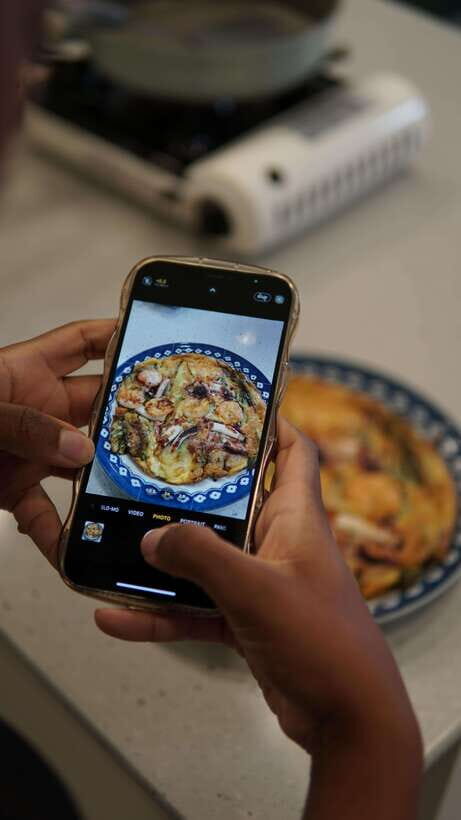
The class doesn’t treat eating as a rushed reward. You take time to enjoy what you cook, and rice and kimchi are part of the included meal. That’s exactly how Korean food feels in real life: your main dish is important, but the side basics keep everything tied together.
One practical detail that makes this class a smart use of time: you’re not just sampling bites. The experience is designed so you leave having eaten well. People taking the class have specifically noted leaving with a decent amount of food for later, which tells you portions and pacing are built with take-home in mind.
Also, the welcome drink and complimentary drinks keep things relaxed. It’s not a hard-core workshop where you barely stop moving. It’s more like a guided cooking session with a real meal at the end.
Price and value: what $105 buys for 2.5 hours
$105 per person is not a bargain-basement price, but for what you’re getting, it adds up. Here’s what’s included, and why it matters for value:
- Small group limit (max 3): you’re paying for attention and hands-on time
- Professional chef instruction: not just one person watching over you
- Your meal is built in: rice, kimchi, and drinks are included while you eat
- Recipe cards + photos/videos after class: you’re taking home more than a memory
If you compare it to big, crowded classes where everyone shares tools and watches more than cooks, this setup is the point. You’re not paying only for food. You’re paying for a structured learning session with materials you can use later.
This price also makes the most sense if you’re cooking as a group of up to three, or if you’re solo and want the class to feel personal rather than performative. It’s less ideal if you want to bring kids or want friends to spectate. The studio only allows paid guests actively taking part in the cookery lesson to be inside, and there’s no waiting area provided.
Who this class is best for (and who should skip)

This is a great fit if you:
- want a Korean cooking experience focused on home-cooked style
- prefer small groups where you can ask questions while cooking
- want English instruction and a clear, teachable structure
- like the idea of stews and pancakes as much as noodle dishes and rice bowls
- want a vegan Korean menu option on Fridays
It’s not suitable for children under 18, and it isn’t designed for spectators. If your travel group includes non-cooking companions, plan an activity for them outside the studio.
Before you go: timing, location, and the one rule to remember
The class is in Gyeonggi Province, South Korea. That’s close to Seoul for many visitors, but you still want to plan your transit so you arrive ready to cook. The duration is 2.5 hours, and it includes eating, so build your schedule around that time block.
Also, because start times vary by availability across the weekday menu slots, make sure you choose the day that matches the dishes you actually want to learn. If you care about bulgogi and jjigae, don’t pick the street-food day by accident.
And repeat it to yourself once: only paid participants actively cooking can be in the studio during class progress. No spectators, no waiting inside.
Should you book this Korean cooking class?

If you want Korean food skills you can use again, this is worth booking. The combination of a small group, a professional chef, and take-home recipe cards plus photos/videos is a practical package. Add in rice, kimchi, and drinks included during your meal, and you get a learning experience that still feels like a proper dinner.
Book it if you’re the type who likes to cook rather than just eat, and you want to understand the Korean home-cook approach. Pass if you’re hoping to bring non-participating friends, or if you need a family-friendly schedule for kids under 18.
FAQ
What’s the duration of the cooking class?
The class is 2.5 hours, and that includes both the teaching time and the time taken to enjoy eating what you made.
How many people are in the class at once?
It’s a small group with a maximum of 3 participants at a time.
What language is the instruction in?
The class is taught in English.
Do I get to choose what I cook?
Yes. The menu changes by weekday, with different sets of dishes offered on Mon & Tue, Wednesday, Thursday, and Friday (including a vegan menu on Friday).
What dishes are included on the different days?
Mon & Tue include beef bulgogi, seafood pa-jeon, and pork kimchi jjigae. Wednesday includes tteok-bokki, dakgangjeong, and mini kimbap. Thursday includes dakgalbi, kimchi jeon, and doenjang jjigae. Friday includes bibimbap, japchae, and doenjang jjigae.
Is food and drink included?
Yes. You get a welcome coffee or drink, plus complimentary rice and kimchi and complimentary drinks during the meal.
Can friends or family watch the class?
No. Only paid guests who are actively participating in the cookery lesson are permitted to be at the cooking studio while classes are in progress.
If you’d like, tell me which weekday you’re considering and whether you eat meat, and I’ll help you pick the menu that fits your tastes.