REVIEW · SEOUL
Seoul: DMZ Tour & North Korean Defector Meet Up (As Add-on)
Book on GetYourGuide →Operated by Seoul City Tour · Bookable on GetYourGuide
DMZ days hit different, fast. This trip takes you from Seoul to the strip of land that froze a war and keeps it alive, with stops like Imjingak Park and the Third Infiltration Tunnel that turn headlines into real-world geography. I especially like the way the route mixes big landmarks with the in-between stories, so you understand not just what happened, but how the border shapes daily life on both sides.
I also like the optional add-on that adds a human layer: a North Korean Defector Meet-up and the newly opened North Korea Experience Hall at Imjingak Park (opened April 22, 2025). One consideration: this is a passport-required, military-controlled area, so timing and access can shift, and you’ll need patience for the day’s rules.
In This Review
- Key things to know before you go
- Why a DMZ day trip feels heavier than Seoul sightseeing
- From Seoul to the DMZ: the bus ride sets the tone
- Imjingak Park: monuments, the Freedom Bridge, and the Experience Hall add-on
- Optional add-on: meeting a defector at the North Korea Experience Hall
- Mangbaedan stop: why this in-between viewpoint matters
- The Third Infiltration Tunnel: stepping into a plan for the South
- Dora Observatory: seeing into North Korea without needing a passport stamp
- Unification Village break: a breather with a purpose
- Dorasan Station: the symbol you might not be allowed to reach
- Suspension Bridge option: when earlier timing matters
- Guide quality makes or breaks the day
- Price and value: what $36 buys you (and what you’ll need to add)
- Practical tips that keep the day smooth
- Who this DMZ tour suits best (and who might rethink it)
- Should you book this DMZ Tour & Defector meet-up add-on?
- FAQ
- How long is the DMZ tour from Seoul?
- What language are the guides?
- Do I need a passport for this tour?
- Is the suspension bridge visit included?
- What does the add-on include at Imjingak Park?
- Is hotel pickup available?
- Where does the tour end?
- What happens if the tour is cancelled due to military issues?
Key things to know before you go
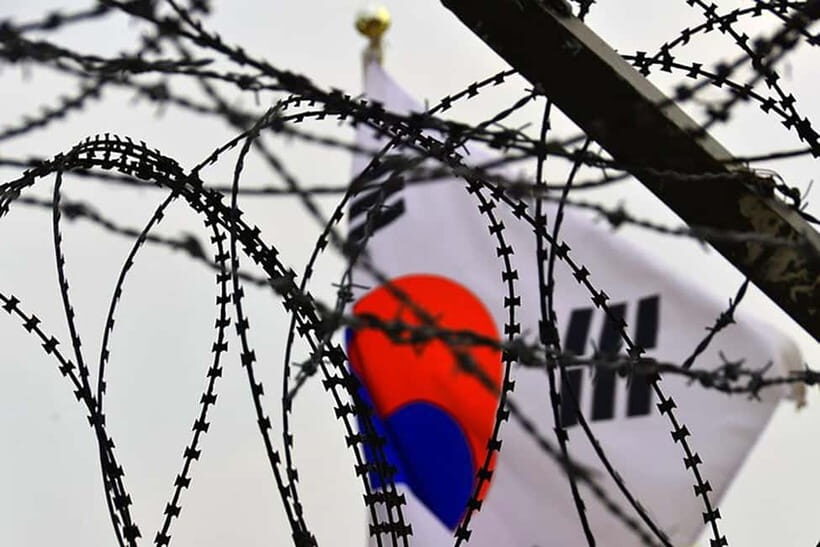
- Imjingak Park is the prequel: you start here, close to the demarcation line, with observatory views, monuments, and the Freedom Bridge.
- Freedom Bridge has a specific story: it was used to transport 13,000 prisoners home after the war.
- You can enter the Third Infiltration Tunnel: it’s the one dug by North Korea into the South, discovered in 1978.
- Dora Observatory lets you see into North Korea: it’s a controlled viewpoint, and it lands emotionally.
- Dorasan Station is a wildcard: it’s symbolically important but temporarily closed by the military.
- Suspension bridge is optional: if you want it, only the earlier-time tour is available.
Why a DMZ day trip feels heavier than Seoul sightseeing
A Seoul skyline photo is nice. A border day is something else. You leave the city and move into a place where the Cold War is not a museum topic. It’s still a living system of fences, rules, and controlled access.
What makes this experience especially compelling is the pacing. You don’t just visit one spot. You move through multiple sites that each explain a different angle: war aftermath, infiltration attempts, and the way North Korea is viewed from the South.
You can also read our reviews of more tours and experiences in Seoul.
From Seoul to the DMZ: the bus ride sets the tone
You’ll start in Seoul (pickup is available if you book the private option), then ride in an air-conditioned coach toward the DMZ area. Expect about an hour on the bus before you get into the guided portion of the DMZ visit.
That drive matters. It’s not long, but it gives your brain time to switch gears—from restaurants and subway lines to border logistics, military geography, and why people built structures like tunnels and bridges in the first place.
Imjingak Park: monuments, the Freedom Bridge, and the Experience Hall add-on
Imjingak Park is where the day gains context. It sits about 7 km from the demarcation line, so it’s close enough that you feel the proximity even before you’re at the most restricted sites.
At Imjingak, you’ll see an observatory area, monuments, and the Freedom Bridge. This bridge has a clear post-war human story: it was used to transport 13,000 prisoners home after the war. You’re not just looking at concrete. You’re looking at repatriation—the kind of word that sounds abstract until you see the place.
Optional add-on: meeting a defector at the North Korea Experience Hall
If you choose the add-on, this is where the experience becomes personal. Recently, the North Korea Experience Hall opened at Imjingak Park (April 22, 2025). With this exclusive option (only available with Seoul City Tour), you can meet a real North Korean defector and learn more about North Korea from firsthand perspective.
The value here is that it changes the emotional temperature of the day. The DMZ can make history feel distant. A real testimony makes it feel immediate—especially when your guide supports questions and helps you frame what you’re hearing.
Mangbaedan stop: why this in-between viewpoint matters
After the initial DMZ time and the Imjingak Park portion, your route includes Mangbaedan. The focus here is guided, and it fits the rhythm of the day: you’re collecting small pieces that connect.
This stop works best for you if you like understanding the “why” behind what you’re seeing. Instead of treating the border like a single photo op, it reinforces the idea that there are many positions, many viewpoints, and many ways the conflict shaped the landscape.

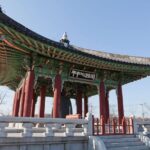


The Third Infiltration Tunnel: stepping into a plan for the South
Next comes the standout site for many people: the Third Infiltration Tunnel of aggression. This tunnel was discovered in 1978 and was dug by North Korea into the South—an incomplete tunnel that the UN denounced.
Entering the tunnel is one of those moments where your body understands the history. The idea of infiltration is usually described in broad terms. Inside a tunnel, it becomes physical. You’re dealing with scale, tightness, and the sheer effort behind the plan.
A practical note: if you don’t love enclosed spaces, consider that the tunnel is part of the experience. Still, the tour includes guided explanations, and the route is structured so you’re not left alone with questions.
Dora Observatory: seeing into North Korea without needing a passport stamp
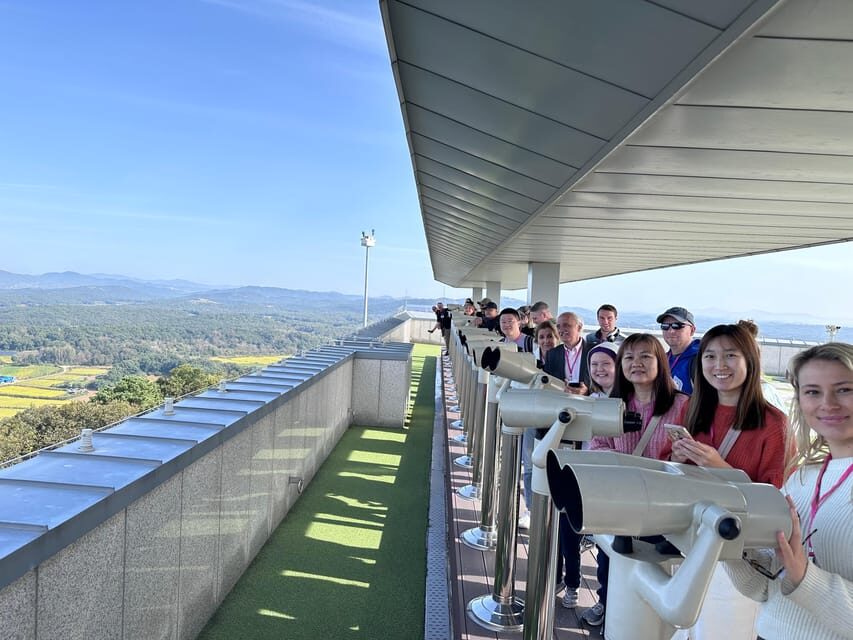
Dora Observatory is where the day turns into a strict, controlled viewing experience. You’ll spend about an hour here with a guided visit.
Why it’s powerful: you can see into North Korea from this point. It’s not a movie set. It’s a real location built for the act of looking across a border that remains tense.
Your guide’s job here is crucial. In a place like this, facts help you avoid the mental fog that often hits. You’ll get framing for what you’re seeing and what it means in the context of the Korean War and the decades since.
Unification Village break: a breather with a purpose
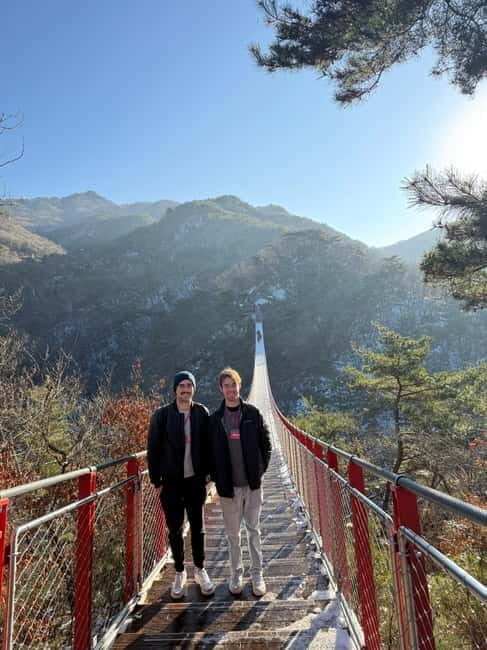
After the observatory, you’ll head toward Unification Village for a short break. Plan on about 15 minutes here.
This isn’t a long lunch stop. It’s a reset. You’ll likely use the time to grab water, regroup, and let your brain absorb what you just saw. The fact that it’s short also keeps the day focused. You’re still in “DMZ mode,” just with a pause.
Dorasan Station: the symbol you might not be allowed to reach
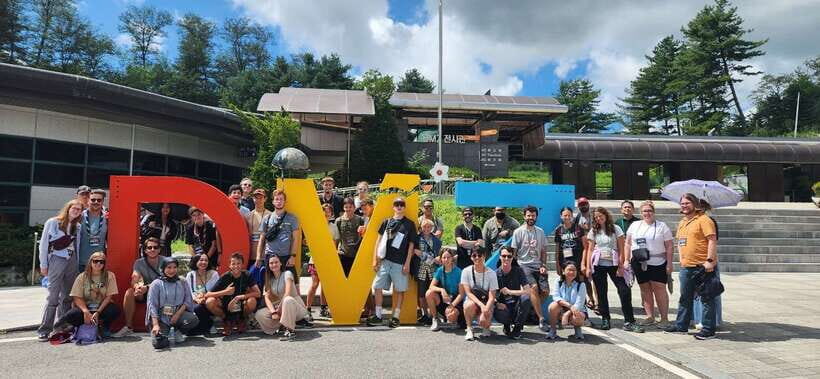
Your route includes Dorasan Station as the last station before the DMZ. Symbolically, it’s tied to hope for reunification. Practically, it’s temporarily closed by the military.
So go in with flexibility. Even when something is named on the itinerary, the DMZ is not a normal sightseeing circuit. When access is restricted, the day still moves forward with a planned alternative course related to DMZ if military issues cause cancellation.
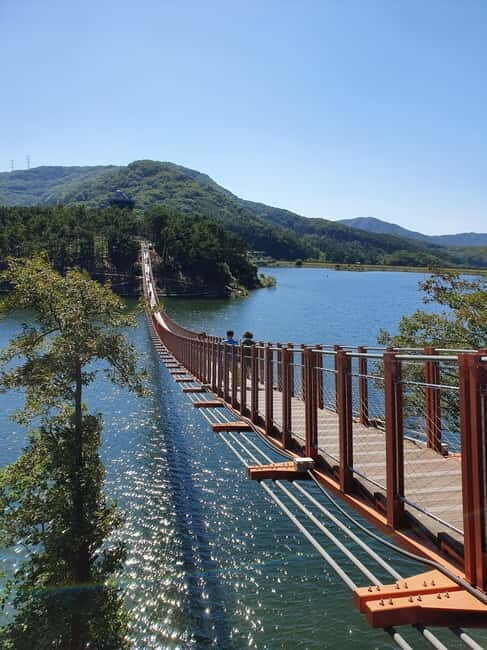
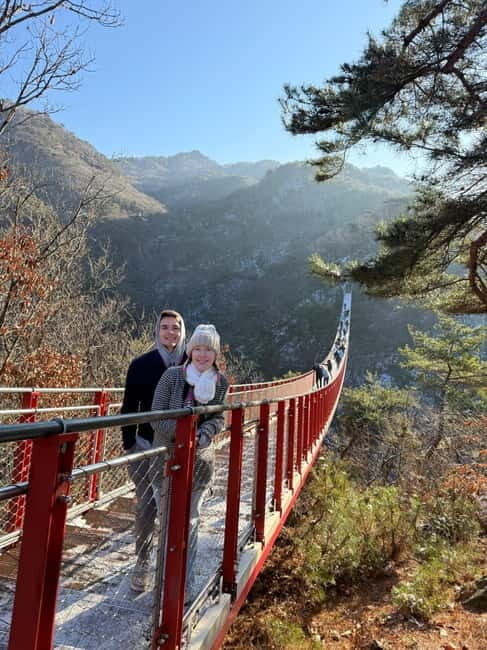
Suspension Bridge option: when earlier timing matters
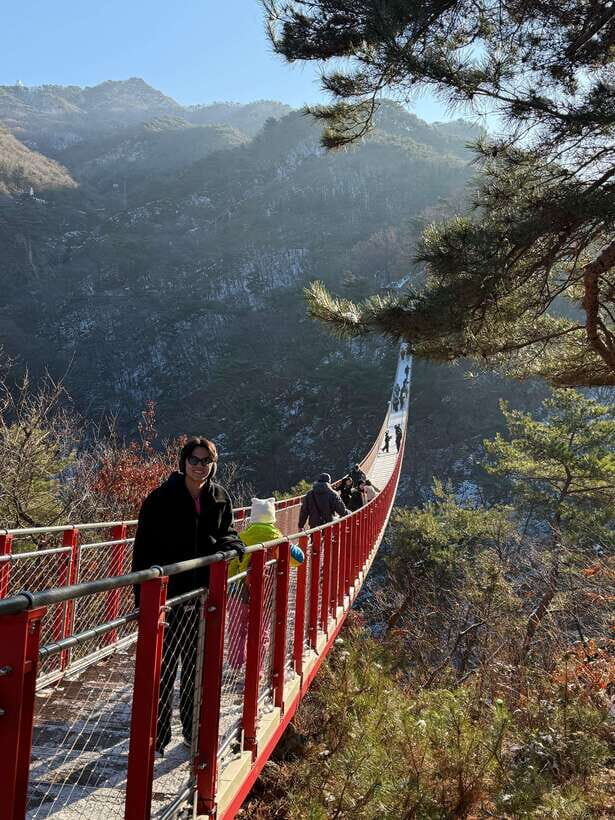
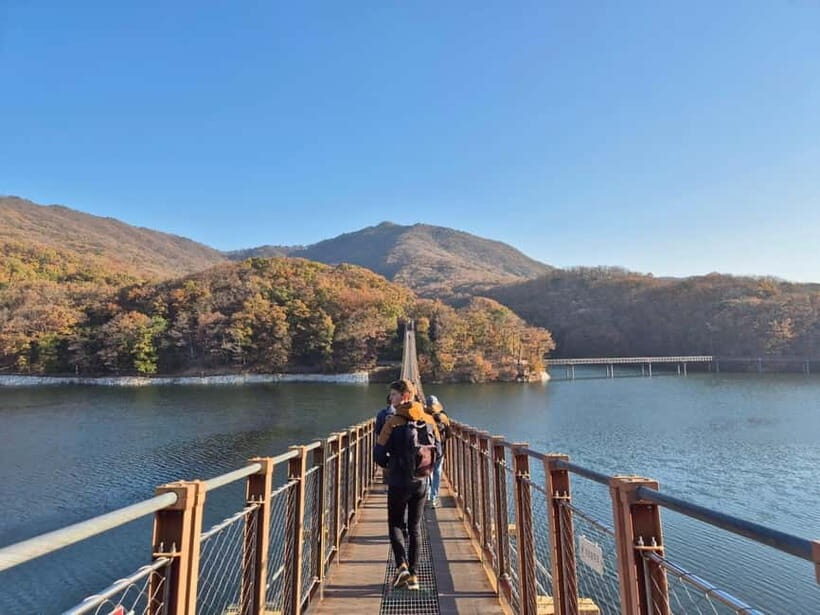
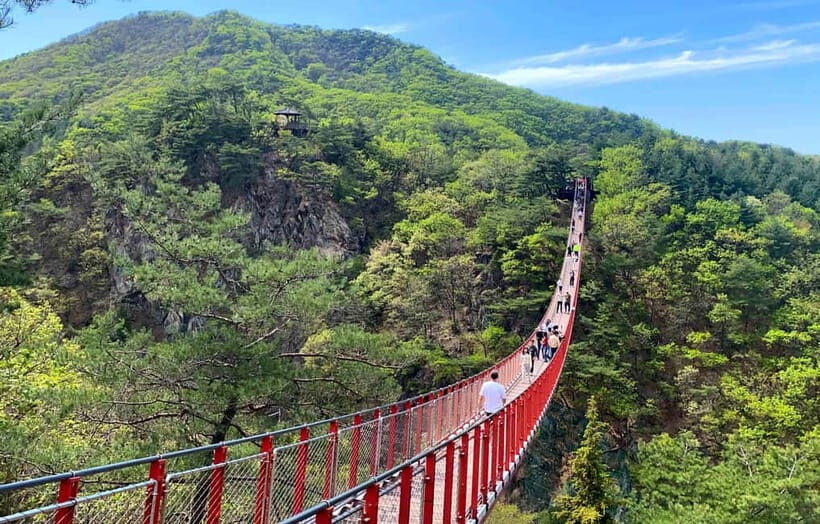
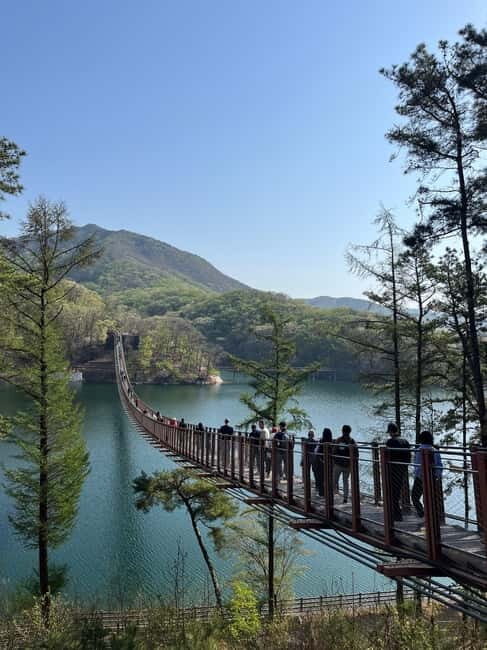
You have the option to add a suspension bridge visit. If you want it, you must book the earlier-time tour—this option is only available on that earlier schedule.
In practical terms: don’t leave it as a last-minute maybe if you care about this view. If the earlier slot doesn’t work for your trip, you can still do the core DMZ route, and you won’t lose the main themes of the day.
Guide quality makes or breaks the day
For a topic as serious as the DMZ, you want a guide who can keep the facts clear and the group moving safely. This tour’s best reviews repeatedly highlight the same traits: patient pacing, strong communication in English/Chinese/Japanese, and explanations that help you connect the dots between stops.
You may encounter guides like Yoon, Yeoni Jin, Grace, Daria, Dora, Sadie, Spring Kim, Erica, Charles, Chloe, Miel, and others. The common thread in those comments is that the guides balance seriousness with warmth—answering questions, managing the group, and making sure you actually understand what you’re seeing.
One extra detail worth knowing: some guides are praised for practical help like taking photos for solo travelers. That’s the kind of small service that makes a big difference when you’re standing in controlled areas with limited time.
Price and value: what $36 buys you (and what you’ll need to add)
At $36 per person, this is strong value for a full-day border experience from Seoul. That price covers guided time and admission fees for the DMZ portion, plus transportation in an air-conditioned coach and a live guide.
What’s not included is also important. You’ll need to handle your own food and drinks. You should also plan around hotel drop-off not being included, based on the tour notes you receive when booking.
Here’s how I think about value for this kind of day:
- You’re paying for access and guidance, not just seats on a bus.
- You’re saving time and mental energy—DMZ logistics are not the kind of thing you want to figure out solo.
- You’re buying context. Without a guide, a tunnel and a viewpoint can feel like “cool stops.” With a guide, they become an explained narrative.
Practical tips that keep the day smooth
Bring your passport. All guests must bring it; a military ID or ARC is fine as well, according to the tour rules you’ll be given.
Dress like you’re going to be outside near a border area, and keep your plan simple. You’ll be moving between stops with guided time, plus transit and a short break. Comfortable shoes help because you’ll be standing and walking more than you might expect for a day that sounds like “just watching.”
Also, choose your priorities now. If you’re excited about the defector meet-up and the Experience Hall, that add-on changes the emotional focus of the day. If you’re more interested in the tunnel and the views, you might be happy staying with the core DMZ route.
Who this DMZ tour suits best (and who might rethink it)
This tour is a good fit if you want a structured, guided DMZ day that covers the big landmarks: Imjingak Park, the Third Infiltration Tunnel, and Dora Observatory. It’s also a good fit if you like asking questions and learning in a step-by-step way, because the route is designed to build context.
You might think twice if you get overwhelmed by heavy topics or you strongly dislike enclosed spaces. The tunnel and the border symbolism aren’t light themes, and the day is long enough that your emotions might run high.
Should you book this DMZ Tour & Defector meet-up add-on?
If your goal is to understand the Korean border as more than a headline, I’d book it. The core sites give you a clear route through war aftermath, infiltration attempts, and a real viewing line into North Korea.
If you want the day to include a human voice—someone who lived the reality—then the add-on is worth serious consideration. The North Korea Experience Hall at Imjingak Park opened April 22, 2025, and the defector meet-up is the rare chance to hear firsthand, not just view structures.
Just go in prepared: bring your passport, plan for the day to be controlled by military rules, and keep your schedule flexible. If you can do that, you’ll come away with a sharper understanding of why this border still matters.
FAQ
How long is the DMZ tour from Seoul?
The tour runs about 7 to 8.5 hours, depending on the selected option and timing.
What language are the guides?
Guides are available in English, Chinese, and Japanese.
Do I need a passport for this tour?
Yes. All guests must bring their passport. A military ID or ARC is also accepted.
Is the suspension bridge visit included?
The suspension bridge is optional. If you want it, only the earlier time tour offers this option.
What does the add-on include at Imjingak Park?
The add-on includes the North Korean Defector Meet-up and access to the North Korea Experience Hall at Imjingak Park, which opened on April 22, 2025.
Is hotel pickup available?
Hotel pickup is available if you select the private option. The tour also mentions pickup options based on what you choose when booking.
Where does the tour end?
The activity ends back at the meeting point, and the tour notes also list drop-off locations in Seoul, including Seoul City Hall.
What happens if the tour is cancelled due to military issues?
If the tour is cancelled due to military issues or unexpected problems, the provider will offer an alternative course related to the DMZ, and there is no refund.