REVIEW · SEOUL
Seoul: Bukchon Hanok Village Walking Tour
Book on GetYourGuide →Operated by Korea Guide Tour · Bookable on GetYourGuide
A street full of old roofs says a lot. This Bukchon Hanok Village walking tour uses an English live guide to connect traditional Korean architecture to daily life, from hanok design to the culture around it. I especially like the small-group size (10 max), which keeps questions flowing, and the pace calm enough to actually look at details.
I also like how the tour blends architecture with everyday culture, including the meaning of OraeGage and what life was like for Korean nobles. One thing to consider: reservations aren’t confirmed on weekends and holidays, and the tour can be canceled if fewer than 4 people sign up.
In This Review
- Key highlights
- Bukchon Hanok Village: why 600-year-old streets feel different on foot
- Your 2-hour route from Anguk Station Exit 3, back again
- OraeGage explained: the “old store” idea behind Seoul’s continuity
- Seeing hanok across eras: what changes, what stays
- Korean noble life, etiquette, and art you can connect to real spaces
- The tea and coffee stop: a slower way to end a walking tour
- Price and value: is $55 for a 2-hour Bukchon walk worth it?
- Who should book this walking tour
- Should you book the Seoul Bukchon Hanok Village walking tour?
- FAQ
- How much does the Bukchon Hanok Village walking tour cost?
- How long is the tour?
- Where do I meet the guide?
- Is the tour available in English?
- What group size is it?
- What’s included in the ticket price?
- What should I bring?
- Can I cancel for a full refund?
- Is the tour confirmed on weekends and holidays?
Key highlights
- Small group, 10 max for real conversation and time to ask questions
- English live guide with storytelling that brings Bukchon’s 600-year urban past into focus
- OraeGage context for understanding Seoul’s “old stores you want to last” tradition
- Hanok houses across eras so you can spot changes in features and layout over time
- Coffee or tea included, with at least one tea-house stop and sweets offered in some cases
- About 2 hours walking with an easy starting/ending point at Anguk Station
Bukchon Hanok Village: why 600-year-old streets feel different on foot
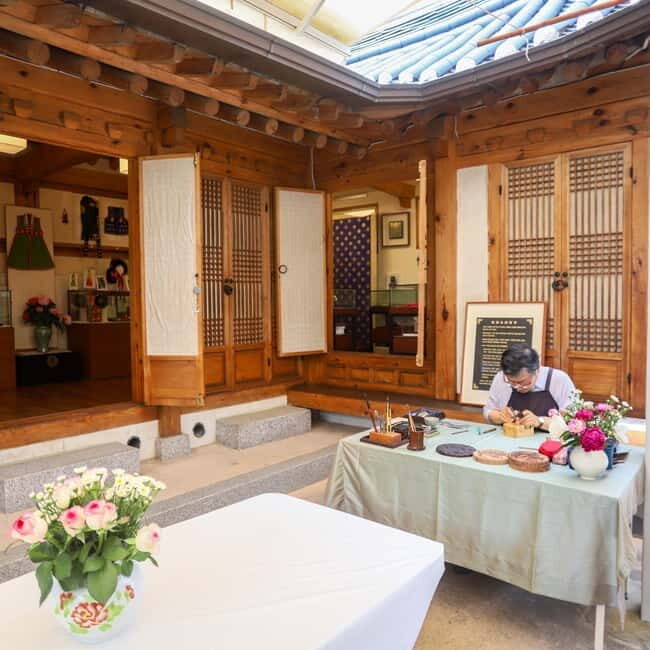
Bukchon is the classic Seoul neighborhood for hanok—traditional Korean houses—but it’s more than a pretty backdrop. It’s located north of the Cheonggyecheon Stream and Jongno, and it carries a 600-year-old urban history. When you walk through it, you’re seeing how traditional spaces stayed part of the city instead of being shipped off to a museum.
The main draw is the preservation. The hanok here are described as well-kept and not distorted by other cultures, which matters because it changes what you can learn. If you’re used to “historic-looking” recreations, Bukchon is different: you’re reading an environment that still follows older design logic—courtyard life, rooflines, and the way homes sit in relation to the street.
On this tour, your guide helps you connect those shapes to meaning. You’re not just taking photos of tiled roofs. You’re trying to understand why hanok looks the way it does and how that style persisted through changing eras.
You can also read our reviews of more walking tours in Seoul



Your 2-hour route from Anguk Station Exit 3, back again
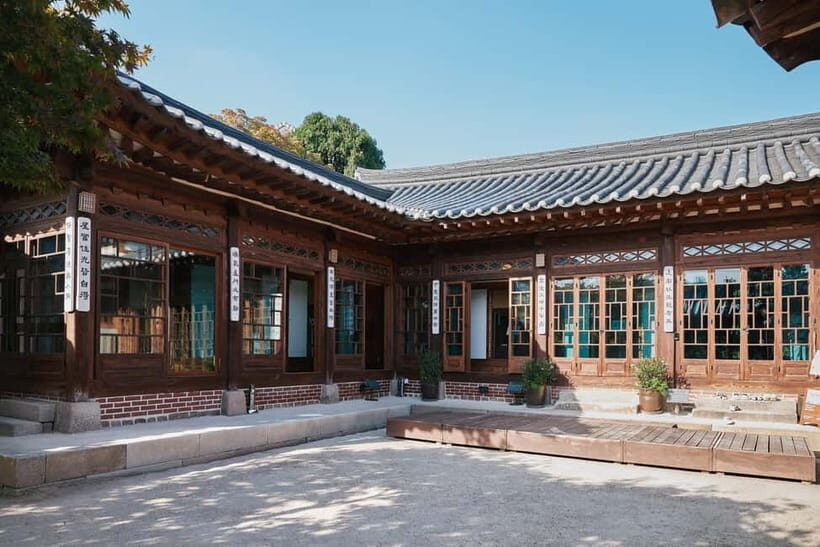
The walk starts at Anguk Station Exit 3 (Subway Line 3) and returns there at the end. That’s practical. You can plan your other sightseeing around a familiar metro hub without hunting for a new pickup point.
The timing is tight in a good way. It’s about 2 hours, so the tour doesn’t try to cover all of Seoul. Instead, it concentrates on Bukchon’s core value: a guided walk where you stop often enough to learn what you’re seeing.
What to expect in terms of movement: you’ll want comfortable shoes. Bukchon is a neighborhood you feel in your legs, and you’re better off arriving with good footing rather than hoping flip-flops will be fine.
One more planning detail that affects your day: you need to check availability for starting times. And reservations can’t be confirmed on weekends and holidays, so if your trip is tight, book as early as you can.
OraeGage explained: the “old store” idea behind Seoul’s continuity
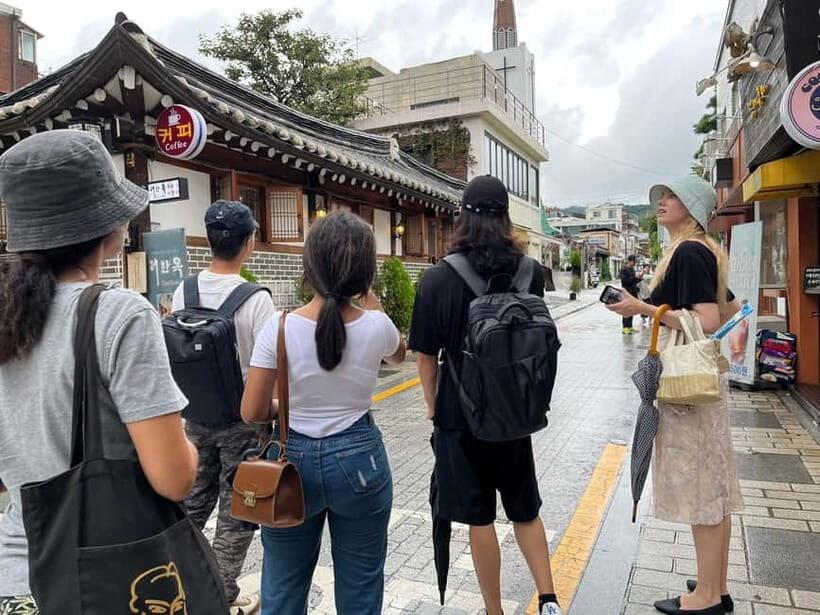
A smart part of this experience is that it doesn’t treat tradition as only architectural. It also explains OraeGage.
OraeGage refers to a store that has carried Seoul’s tradition and values for a long time—an old shop people want to keep going even longer. The tour notes that Seoul has been identifying and designating OraeGage stores for five years starting in 2017, with the goal of spotlighting stories behind Seoul’s attractions for both locals and visitors.
Why this matters for you: it’s easy to think of “old things” as static. OraeGage reframes it as living culture. A hanok can keep its form, but a neighborhood also needs the small institutions—stores, daily rituals, the kind of commerce that keeps local habits alive. When the guide explains this, Bukchon becomes less like a photo stop and more like a place with ongoing identity.
Seeing hanok across eras: what changes, what stays
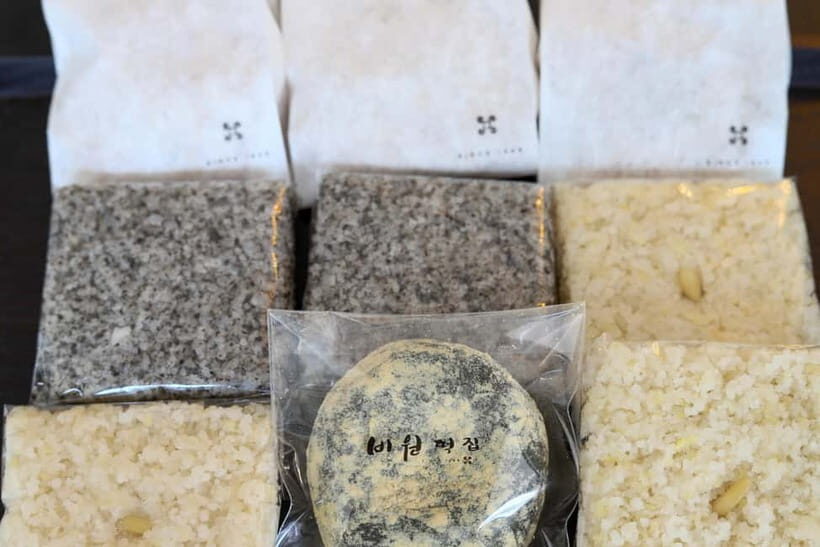
Hanok didn’t appear once and stop evolving. The tour highlights that hanok is a traditional architectural style that evolved and persisted through different eras, and it still carries historical value today. That’s exactly what you want explained on a walking tour, because from the street you might only notice the roof.
During the visit, you’ll be guided to Hanok houses from various periods, where you learn about their distinct features and transformations. The point isn’t to memorize architectural terms. It’s to notice patterns.
Here’s what I’d watch for as you go:
- How the house layout relates to the street (how open or closed it feels)
- How materials and details look different across periods
- How courtyards and entrances shape daily movement
- What seems consistent, because hanok design also had rules, not just decoration
The tour also emphasizes the contrast between traditional buildings and the modern city around them. That blend is part of Bukchon’s appeal: it shows that history doesn’t have to be sealed off to survive.
Korean noble life, etiquette, and art you can connect to real spaces
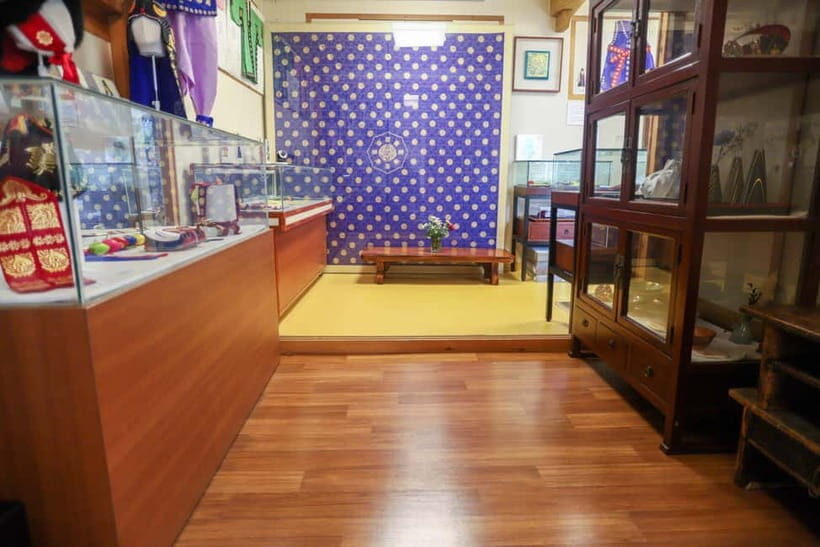
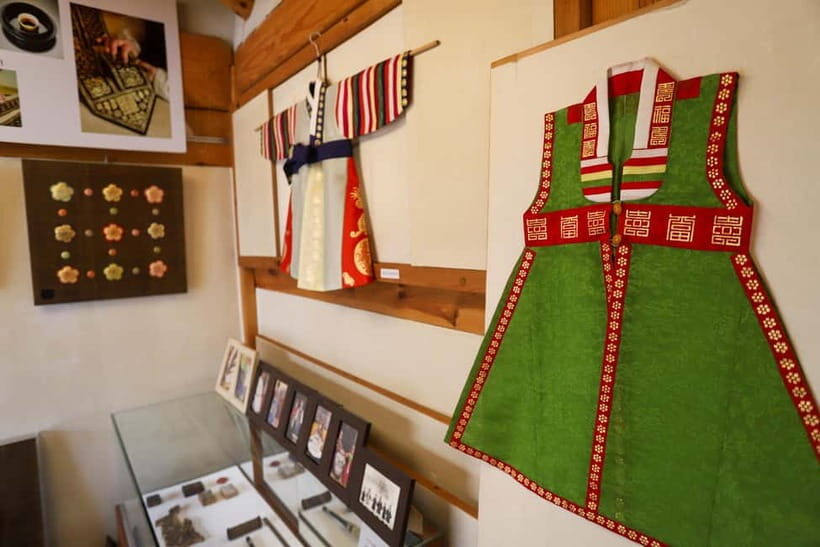
This tour takes a cultural approach to history. You’re not only learning building facts. You’ll hear about the food and culture enjoyed by Korean nobles, along with etiquette and art.
Even if you don’t come with a background in court culture, the benefit is practical. It gives context for what you see inside traditional spaces. Many travelers can describe hanok roofs. Fewer can explain why certain rooms and customs mattered.
What you should expect conceptually:
- The guide ties social values to how people used space
- You get a framework for understanding traditional Korean etiquette
- You learn how culture shows up in everyday rules, not just formal events
One of the best parts of learning this way is that it makes the experience feel less like a lecture. It becomes a story you can walk alongside—especially when the guide points out how design supports daily life.




The tea and coffee stop: a slower way to end a walking tour
Included with the tour is coffee or tea. That’s a small line item, but it’s one of the reasons I think this format works. A 2-hour walk is quick. A drink stop helps your brain settle, and it gives you a moment to ask final questions without rushing.
One review specifically mentions a tea house where the guide offered tea and sweets. Your exact experience may vary, but the key idea is consistent: the tour isn’t only about walking past houses. There’s time to pause in a traditional setting and absorb the atmosphere.
Also, this kind of stop helps with pacing. The tour’s tone is described as not rushing, which means you can actually look at the details of hanok interiors and courtyard flow instead of sprinting from photo spot to photo spot.
Price and value: is $55 for a 2-hour Bukchon walk worth it?
At $55 per person for about 2 hours, this is priced like a guided cultural experience, not a budget sightseeing stroll. So the right question isn’t only whether it’s “cheap” or “expensive.” It’s what you’re buying.
You’re paying for:
- A local guide who can explain hanok features and cultural meaning
- An English live guide
- Small-group attention (10 participants max)
- Coffee or tea included
- Access to a guided look at hanok houses from different periods
If you go solo, you can walk Bukchon on your own. But solo wandering usually turns into guesswork: you see a gate, but you may not know what rule it signals. You notice a courtyard, but you may not understand how it fits daily life or noble culture.
This tour helps you turn Bukchon into something you understand, not just something you pass through. For many visitors, that’s where the value shows up.
Who should book this walking tour
This one fits best if you want:
- A guided, small-group look at Bukchon’s hanok environment
- A cultural explanation that includes OraeGage and noble-era lifestyle topics
- A short activity that fits cleanly into a day with other sightseeing
It’s also a good choice if you like history explained through places rather than through books. The guide approach is the difference: you’ll hear stories and interpretations tied to what you’re standing in front of.
If you want a long, self-paced deep exploration of every alley, you might find 2 hours a bit short. But if you want the highlights with context, this is a strong format.
Should you book the Seoul Bukchon Hanok Village walking tour?

I’d book it if you’re curious about hanok beyond photos and you’d like an English-speaking guide to connect architecture to real cultural habits. The small-group size, included coffee or tea, and the specific focus on OraeGage + hanok across eras make it more than a typical street walk.
Skip it (or at least be flexible) if your trip includes weekends/holidays and you need guaranteed confirmation, because reservations can’t be confirmed on those days. Also, if your plans are so tight that even a short cancellation would break your schedule, plan an alternate activity nearby.
If you want a clear, guided way to understand Bukchon’s “why,” this tour is a smart use of time.
FAQ
How much does the Bukchon Hanok Village walking tour cost?
The price is $55 per person.
How long is the tour?
The tour duration is 2 hours.
Where do I meet the guide?
Meet at Anguk Station Exit 3 (Subway Line 3).
Is the tour available in English?
Yes, the live tour guide is English.
What group size is it?
The tour is a small group limited to 10 participants.
What’s included in the ticket price?
It includes a local tour guide and coffee or tea.
What should I bring?
Bring comfortable shoes, since it’s a walking tour.
Can I cancel for a full refund?
You can cancel up to 24 hours in advance for a full refund.
Is the tour confirmed on weekends and holidays?
Reservations cannot be confirmed on weekends and holidays, so it’s best to check availability and confirmation timing.