Korea’s DMZ hits differently. This private day trades big-bus crowds for a focused route through the sites that explain division and the human cost. You also tack on a walk over the Gamaksan Suspension Bridge, which helps balance the heavier parts of the morning with big mountain views.
I like how the schedule gives you time at Imjingak Pyeonghoa-Nuri Park (and the reunion memories around Mangbaedan) rather than treating it like a quick photo stop. I also appreciate the way the day builds momentum, from the Third Tunnel to the observatory viewpoints in the DMZ.
One consideration: the DMZ portion can feel intense and emotionally heavy, so it helps to come with a little mental padding and plan for a long day, not a quick sightseeing lap.
In This Review
- Key highlights to know before you go
- A private DMZ day from Seoul that actually feels personal
- Price and what your $410 per group really covers
- Kevin Lee’s style: clear explanations, safe driving, and smart routing
- Imjingak Pyeonghoa-Nuri Park and Mangbaedan: the reunion side of the DMZ story
- The Third Tunnel: the engineering that makes the war feel real
- Dora Observatory: a viewpoint across the DMZ with real-world limits
- Tongilchon-gil (Unification Village): civilian control line, founded in 1973
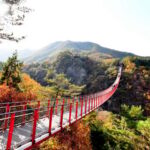
- Gamaksan Suspension Bridge: a 45-meter walk to reset your senses
- War Memorial of Korea option: add context without making the day longer than it needs to be
- Timing, transit, and meals: how to make the day feel smooth
- Who should book this DMZ + suspension bridge tour
- Should you book this private DMZ + suspension bridge tour?
- FAQ
- How long is the private DMZ tour?
- What is the group size for this private tour?
- Is hotel pickup and drop-off included?
- Is there a guide included?
- Do I need to pay an entrance fee?
- Are meals included?
- What’s the schedule for when the tour runs?
- Do I need to bring a paper ticket?
- Does the tour include insurance?
- What is the cancellation policy?
Key highlights to know before you go
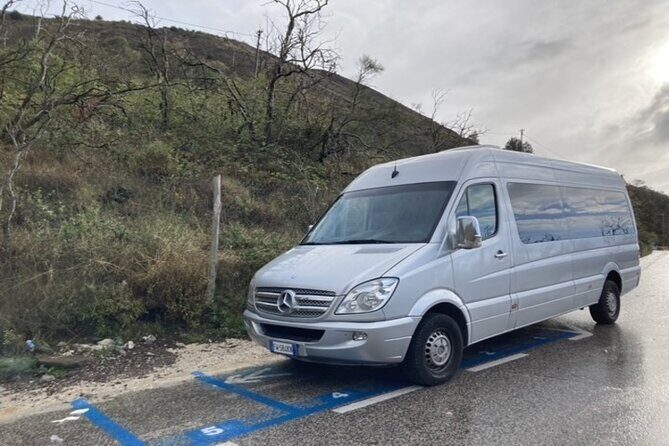
- Private van + small group (up to 7) so you can ask questions without shouting.
- Kevin Lee as your guide, known for clear explanations and careful, safe driving.
- Third Tunnel is close enough to Seoul to feel unreal, yet built for war-scale plans.
- Dora Observatory viewpoint gives you an in-close look across the divide.
- Gamaksan Suspension Bridge adds a scenic, physical stretch after the DMZ.
- Optional War Memorial of Korea stop if you want extra context at the end of the day.
A private DMZ day from Seoul that actually feels personal
A DMZ tour from Seoul can easily turn into a factory line of matching hats and hurried captions. This one stays private: your group rides together in a private vehicle and keeps the pace with your guide. For many people, that matters as much as the sights, because the DMZ is best understood at human speed, not bus-departure speed.
The route also uses repetition on purpose. You’ll start at Imjingak Pyeonghoa-Nuri Park, then return later for more time to connect the themes of division and reunion. That rhythm helps your brain link facts with stories instead of treating everything as separate checkpoints.
You’ll be on the move for about 9 hours, and the tour durations for each site don’t include driving time. Translation: leave room in your body clock for transit, lines, and the extra quiet you might want to take after the more serious stops.
You can also read our reviews of more guided tours in Seoul

Price and what your $410 per group really covers
The total price is $410 per group (up to 7 people). That’s not cheap, but it’s also not paying per head for a shared van with strangers. When you split the cost inside a small group, the value tends to make more sense, especially if you want a guide who can tailor pacing and questions.
Included in the price: the guiding fee, private transportation, and hotel pickup and drop-off. You also get a mobile ticket, which makes it easier to show up without juggling paper.
Budget extra for the entrance fee of $7 per person, which isn’t included in the tour price. Meals aren’t included either, so you’ll either eat on your own or follow your guide’s restaurant suggestions if they’re part of the day plan.
Kevin Lee’s style: clear explanations, safe driving, and smart routing
The biggest quality upgrade here is your guide. Kevin Lee is the name on this tour, and the recurring theme from past guests is that he is both friendly and very good at making the history make sense. You’ll hear more than facts and dates; you’ll get the story behind why each site exists and what it’s trying to communicate.
Safety matters on a day like this, and the feedback is that Kevin drives carefully. That sounds basic, but when you’re heading out of Seoul and back, you’ll appreciate a guide who keeps the ride steady so you can focus on the day rather than white-knuckle stress.
You’ll also benefit from practical problem-solving. One guest noted Kevin helped the group avoid heavy crowding at the Third Tunnel area. Another mentioned he worked around traffic tied to political protest activity, which is the kind of real-world issue that can ruin your timing if you’re on your own.
Imjingak Pyeonghoa-Nuri Park and Mangbaedan: the reunion side of the DMZ story
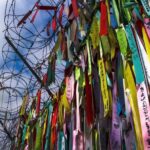
This day starts with Imjingak Pyeonghoa-Nuri Park, a major peace-focused complex built soon after the 1972 joint statement. It’s the kind of place where you quickly feel that this isn’t just military geography—it’s family memory, loss, and waiting.
Spend time here and you’ll understand why this area is emotionally central. One standout detail is Mangbaedan, where dispersed family members who were born in North Korea (or whose hometowns are there) come during Chuseok (Korean Thanksgiving) and Lunar New Year’s Day. Even if you visit on a different date, the site anchors the idea that separation isn’t abstract. It’s calendar-bound, ritual-bound, and ongoing.
You’ll return to the park later as well, which is useful. A first walk helps you orient yourself, but the second visit can let you slow down and absorb context without feeling rushed. For anyone traveling with teens or family members who are still processing what the DMZ means, this pacing works.
A possible drawback: this park is not a light, funny stop. If your group prefers purely visual sightseeing, you might need a moment to reset your expectations and switch into listening mode.
The Third Tunnel: the engineering that makes the war feel real
The Third Tunnel is one of the DMZ stops that turns history into something physical. It was discovered in 1978 at a location about 52 km (32 miles) from Seoul, which is close enough to make your stomach do that small, uneasy drop. You’re not just learning about a border; you’re learning about a specific underground plan.
Key facts to picture before you go: the tunnel goes 73 m (240 feet) underground, runs 1,635 m (about 1 mile), and is around 2 m wide. Those numbers matter because they show scale. Even without getting lost in engineering details, you can feel how serious the intent behind the tunnel was.
This stop typically takes about 1 hour 30 minutes in the day plan, which feels right. The tunnel area often encourages a low-voice, careful walk—so you don’t want to be rushing through it like a museum hallway.
If you’re the type who worries about crowds, remember this is one of the places where timing and route planning can help. With Kevin’s approach, the goal is to keep you moving and reduce time standing still.
You can also read our reviews of more private tours in Seoul

Dora Observatory: a viewpoint across the DMZ with real-world limits
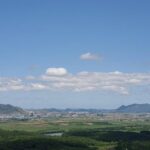
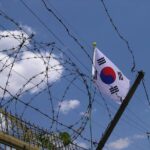
Next comes Dora Observatory, set on Dora Mountain within the DMZ. It’s described as the northernmost observatory in the South, designed for an up-close view of North Korea. Even if you’ve seen DMZ photos before, this is where the visuals start to feel more grounded and less like a news thumbnail.
This is also a place where the guide’s explanation makes the difference. You’re not just looking; you’re learning what you’re allowed to see, what the view represents, and how the observatory fits into the broader idea of a divided nation.
Plan for about 1 hour 10 minutes here. That’s enough time to look carefully, ask questions, and not feel like you’re sprinting from one viewpoint to the next.
Consideration: the DMZ is controlled and rules can affect how the day feels. If your group gets impatient or wants lots of free roaming, you may feel the structure more here than at a park or bridge.
Tongilchon-gil (Unification Village): civilian control line, founded in 1973
Tongilchon-gil, also known as Unification Village, is located within the Civilian Control Line. It was founded in 1973 and began with 40 veteran households and 40 native households—a detail that gives the place a human origin story, not just a political label.
This stop is short—about 30 minutes—which is good because it keeps the day focused. Instead of stretching it into a vague information dump, you get a clear sense of where the village sits in relation to the border framework and why it exists.
The value here is perspective. After the tunnel and observatory, Tongilchon-gil shifts the story from military planning to life on the boundary of control. It helps you see division as something that touches ordinary routines, not only maps.
Gamaksan Suspension Bridge: a 45-meter walk to reset your senses
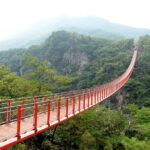
By the time you reach Gamaksan Suspension Bridge, you may feel emotionally spent from the DMZ. That’s exactly why this stop works. You switch from border facts to a physical walk over a deep valley, with the chance to breathe and look around.
Here are the bridge numbers to keep in mind: it spans about 150 m and sits roughly 45 m high. For many people, it’s the first moment of the day where you can measure your own courage in your steps, not in history terms.
You’ll spend about 1 hour here. That’s a realistic window for crossing, taking photos, and getting a short decompression moment before you decide what comes next.
If your group is sensitive about heights, tell your guide early. The tour is private, so you can adjust pacing and take extra time on safer-feeling portions of the bridge area.
War Memorial of Korea option: add context without making the day longer than it needs to be
There’s an option in the day plan to visit the War Memorial of Korea. In the itinerary description, it’s linked as an add-on tied to the Gamaksan portion, giving you a chance to keep building context after the observatory and bridge.
This is the part of the tour that fits best if you want a deeper understanding of the Korean War’s impact and how the country frames its war memory. If your group already feels saturated, you can treat it as optional and prioritize rest.
The time set aside is about 1 hour. That’s a manageable add-on, but on a 9-hour day, it still counts—so I’d weigh your group’s energy level before choosing the extra stop.
Timing, transit, and meals: how to make the day feel smooth
A 9-hour private DMZ day is the right length to avoid rushing, but you still need to plan like you’re going on a mini expedition. The tour description notes that the total duration includes travel time, so don’t assume you’ll spend only the listed attraction durations on-site.
In practice, a private guide helps here. Kevin’s approach is described as accommodating, and one guest even mentioned that he guided them to a restaurant for Army Stew. If your day includes a meal stop, you’ll likely want to go with his suggestion because he understands what’s convenient after the route.
Meals aren’t included, so decide ahead of time what you want from food:
- something filling and warm to sustain you through the drive,
- or something simple you can grab quickly.
If you’re traveling with teens, consider having snacks in your bag so nobody gets cranky during transfers. A little practical backup makes the whole day nicer.
Who should book this DMZ + suspension bridge tour
I’d put this tour at the top of the list if you want a private, guided DMZ experience that also includes a physical, scenic reward at the end. The DMZ sites are structured and serious, and the bridge is a clear tonal shift. That combination makes the day feel complete.
This tour also makes sense for:
- couples who want a guide to explain the context clearly,
- families with older kids who can handle history but don’t want a long shared-vehicle slog,
- anyone staying in Seoul who doesn’t want to wrestle logistics for multiple controlled sites.
Who might pass: if your group wants only light, quick photos with minimal listening, the DMZ portion may feel like more of a guided lesson than a casual outing.
Should you book this private DMZ + suspension bridge tour?
If you’re choosing between a generic group DMZ bus day and a private experience, I’d lean private here. Kevin Lee seems to deliver exactly what you want on a high-emotion topic: calm, careful driving, clear explanations, and real help with timing and crowds.
Add the Gamaksan Suspension Bridge and you get a day that isn’t only heavy. You come away informed, but you also come away with a memorable physical moment and mountain air.
Book it if you can handle a full day and you value thoughtful guidance. Skip it if you want a relaxed half-day with minimal structure. Otherwise, this is one of the smarter ways to see the DMZ from Seoul without feeling rushed or overwhelmed.
FAQ
How long is the private DMZ tour?
The tour is listed at about 9 hours.
What is the group size for this private tour?
It is a private tour, and the group size is up to 7 people.
Is hotel pickup and drop-off included?
Yes. Hotel pickup and drop-off are included.
Is there a guide included?
Yes. The tour includes a guided experience, and the provider listed is Kevin Lee.
Do I need to pay an entrance fee?
Yes. An entrance fee of $7.00 per person is not included in the price.
Are meals included?
No. Meals are not included.
What’s the schedule for when the tour runs?
The opening hours are Tuesday through Sunday, from 8:00 AM to 5:00 PM.
Do I need to bring a paper ticket?
No. A mobile ticket is offered.
Does the tour include insurance?
Traveler’s insurance is not included.
What is the cancellation policy?
Free cancellation is available. You can cancel up to 24 hours in advance for a full refund. If you cancel less than 24 hours before the start time, the amount paid is not refunded.