REVIEW · SEOUL
Korean Grandma Cooking Class l Gimbap & Kimchi Pancake l Seoul
Book on Viator →Operated by Local Contents Lab · Bookable on Viator
Cooking with a Seoul Grandma feels personal. This Korean Grandma Cooking Class turns a simple meal lesson into a warm look at how Seoul families actually live, starting with welcome tea and ending with the dishes you made together.
I love the personal stories and family-recipe vibe, led by Grandma Sharon, with patient teaching that keeps things clear even when you’re trying new steps. I also like that you get real hands-on time to make gimbap and a kimchi pancake yourself. One consideration: the class focuses on just these two dishes, so if you want a wide variety of Korean foods in one session, this might feel a bit narrow.
In This Review
- Key Takeaways Before You Go
- Why This Seoul Grandma Cooking Class Feels Different
- Meeting Point in Gangbuk-gu: Easy to Find, Just Be On Time
- Visiting Grandma’s House: The Part People Often Don’t Expect
- Welcome Tea and Getting Oriented With the Group
- The Home Tour + Grandma’s Teaching Style: What to Watch For
- Cooking Gimbap: Roll It Like a Korean Family Would
- Kimchi Pancake: Learn the Flavor Logic, Not Just the Mixing Bowl
- Shared Stories and the Table Meal: The Best Part Is Usually the People
- What You Get for $52: Value Comes From Access, Not Quantity
- Who This Class Suits Best
- Should You Book This Korean Grandma Cooking Class?
- FAQ
- Where does the cooking class start?
- What time does the class begin?
- How long is the experience?
- What dishes will I learn to make?
- Is this a private tour?
- Do I need a printed ticket?
- How close is it to public transportation?
- When will I receive confirmation after booking?
- Can I cancel for a full refund?
- What if the minimum number of travelers isn’t met?
Key Takeaways Before You Go
- Private, home-based feel with just your group, not a large factory-style class
- Grandma Sharon’s clear English and steady pacing, great for families
- A real home tour first, so you learn the setting before you cook
- Hands-on gimbap making plus kimchi pancake prep, both led from start to finish
- Welcome tea, photo time, and shared stories, then a table meal from what you made
Why This Seoul Grandma Cooking Class Feels Different
There’s cooking, and then there’s learning how someone’s family cooks. This experience leans hard into the second kind, where the food is the main event but the home and the stories are part of the recipe.
You’ll spend about 2 hours 30 minutes in Grandma’s house in Seoul, and the format keeps you busy the whole time. Expect practical steps, not just watching someone else work. You’ll also leave with a couple of skills you can use at home right away, especially if you already like Korean food and want to make it yourself.
You can also read our reviews of more cooking classes in Seoul

Meeting Point in Gangbuk-gu: Easy to Find, Just Be On Time
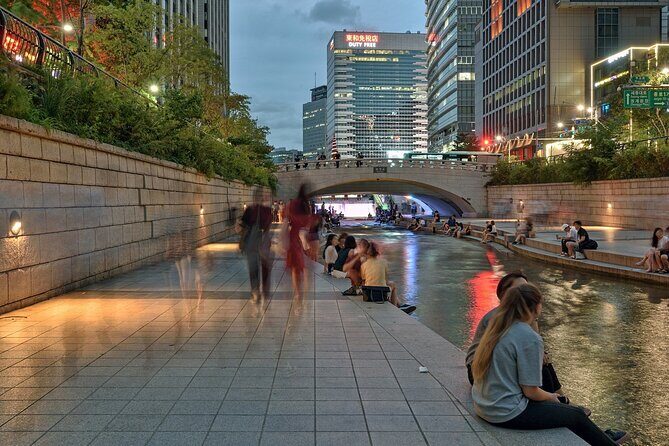
The class starts at 11:00 am at 메리츠화재연수원92 Ui-dong, Gangbuk-gu, Seoul, South Korea. Since it’s a home-based experience, being late can throw off the flow, so I’d treat the start time as strict.
The good news: it’s listed as near public transportation, so you shouldn’t be stuck guessing your way through Seoul’s side streets for too long. Also, you’ll have a mobile ticket, which makes last-minute confirmation and day-of entry simpler.
Visiting Grandma’s House: The Part People Often Don’t Expect
You start with a visit to Grandma’s house, and it’s more than a backdrop. This is where you get a feel for Seoul living style and daily life, not just a kitchen where tourists come and go.
Before the cooking begins, Grandma guides you through the home. That short tour is your clue that this isn’t a commercial cooking-school setup. You’ll learn about traditional kitchen setups and how Korean households organize their cooking space, which helps the cooking steps make more sense when you switch from watching to doing.
If you like cultural experiences that go beyond food, this is a strong start. And if you’re traveling with kids, the home tour and welcome tea help break the session into friendly chunks.
Welcome Tea and Getting Oriented With the Group
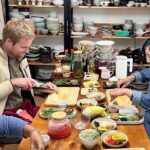
Right after you settle in, you’ll get welcome tea. It sounds small, but it changes the tone. Instead of rushing straight into instructions, you get a gentle moment to meet your group and calm the nerves.
It also makes the shared meal portion feel more natural. When people have already talked a bit, the table becomes less like a classroom and more like a family-style gathering.
The Home Tour + Grandma’s Teaching Style: What to Watch For
Grandma’s teaching is built around what families do, not just what chefs do on camera. The experience includes a home walk-through where you can pick up details about kitchen routines and how Korean cooking is set up day to day.
In particular, Grandma Sharon has been praised for being patient and skilled, and her English is described as good. That matters because hands-on cooking can be frustrating when instructions are unclear. Here, the pace and communication make it easier to keep up, even if your Korean cooking experience is limited.
A small but practical tip: during the tour, pay attention to how ingredients and tools are arranged. When you start making gimbap, that mental map helps you work faster.
A few more Seoul tours and experiences worth a look

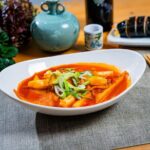
Cooking Gimbap: Roll It Like a Korean Family Would

Gimbap is one of those foods that looks simple until you try it. In this class, you’ll make your own gimbap with guidance that focuses on how Koreans prepare it.
Hands-on means you’re not just assembling a final plate. You’ll follow step-by-step instruction while learning the basics that matter most for roll success. The main goal is confidence: you should understand what you’re doing enough to repeat it later, not just copy one perfect outcome.
Here’s what I’d focus on during your gimbap time:
- Keep your workflow steady. Roll work goes smoother when you’re organized.
- Listen for small adjustments in technique. With gimbap, tiny changes can affect how tightly it holds.
- Don’t rush the earlier stages. The first minutes set up the final roll.
And because this is a home-based class, the vibe is less about speed and more about doing it right. That’s a big reason it feels welcoming for groups, including families.
Kimchi Pancake: Learn the Flavor Logic, Not Just the Mixing Bowl
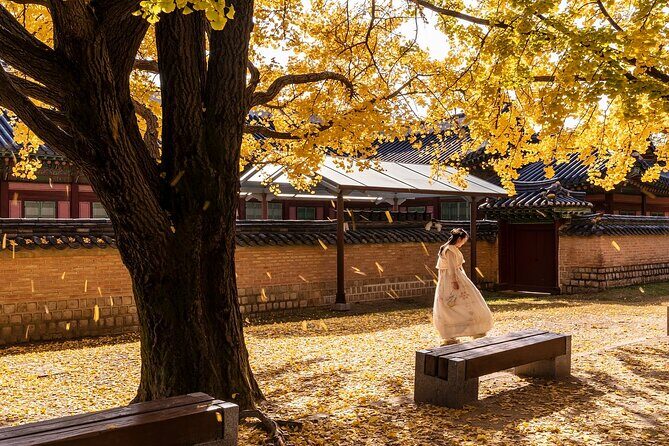
After gimbap, you’ll move into Grandma’s kimchi pancake experience. You’ll taste Korean Grandma’s kimchi first, then you’ll make a pancake using it.
This part is valuable because it links ingredient to outcome. If you only mix batter without tasting the kimchi base, you miss one of the best ways to understand Korean cooking. Taste first, then cook, and you’ll start connecting flavor to technique.
When making kimchi pancake, expect the session to focus on getting the right pancake result using kimchi you’re already familiar with. It’s a solid choice for beginners because it’s hands-on but still manageable within the 2 hours 30 minutes time window.
If you’re the kind of traveler who likes learning what makes a dish taste the way it does, this is the moment. You’ll leave knowing that kimchi isn’t just an ingredient. It’s the flavor engine.
Shared Stories and the Table Meal: The Best Part Is Usually the People
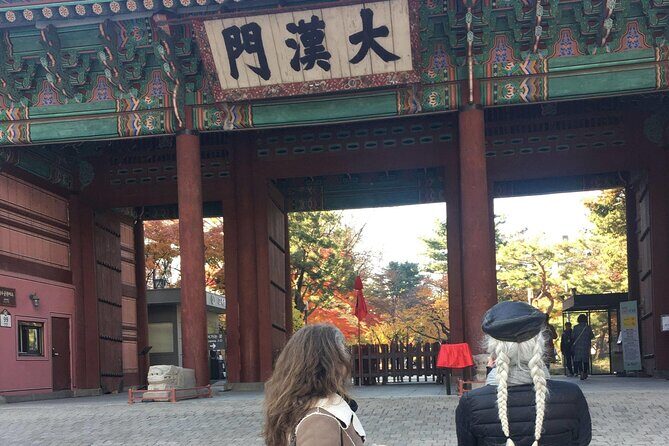
Once cooking is done, you gather around the table and share what you prepared. This is where the experience stops being just a cooking lesson and becomes an actual social moment.
There’s also a built-in chance to take a picture with Grandma and share stories. That isn’t fluff. In a home setting, those little interactions are what make the food feel earned.
If you’re traveling solo, the welcome tea + group sharing helps you avoid the awkward feeling of being the only one who doesn’t know anyone. If you’re traveling with a couple or friends, it becomes a fun shared memory instead of another meal you eat and forget.
What You Get for $52: Value Comes From Access, Not Quantity
At $52.00 per person for roughly 2.5 hours, this isn’t the cheapest thing you can book in Seoul. But it’s also not trying to be a low-cost, high-volume class.
You’re paying for three main value drivers:
- Access to a real home kitchen environment, not a generic cooking studio
- Instruction from Grandma, including stories and personal method
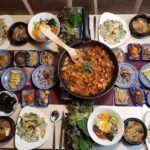
- Two complete dishes you can realistically replicate later: gimbap and kimchi pancake
Also, it’s listed as a private tour/activity, meaning only your group participates. Even without a stated group size, private access usually makes it easier to ask questions and move at a comfortable pace. And if you’re traveling with kids, that matters more than most people expect.
So if your goal is hands-on food skills plus an authentic cultural setting, this price can make sense. If your goal is a long multi-dish buffet of Korean cooking, you may decide you’d rather spend your time elsewhere.
Who This Class Suits Best
This is a great fit if you want:
- Hands-on Korean home cooking skills you can repeat
- A warm, story-based experience led by Grandma Sharon
- Something family-friendly and calm, especially if you’re traveling with kids
It may be less ideal if you:
- Want a huge menu with lots of dishes
- Prefer a strictly restaurant-style, highly formal class structure
- Expect a lecture-heavy history lesson instead of cooking-focused time
Most travelers can participate, so you likely won’t need special preparation beyond a willingness to roll up your sleeves.
Should You Book This Korean Grandma Cooking Class?
If you like authentic, human-scale travel, I’d book it. The combination of a home tour, welcome tea, patient teaching, and hands-on cooking for two core dishes makes it a smart use of time in Seoul.
You should also consider booking if you’re traveling with family or friends and want a shared activity that feels different from standard sightseeing. The private format helps, and the session length is long enough to learn something real without eating your whole day.
If you’re the type who always wants a wide variety of dishes in one class, think carefully. This one is focused, and that focus is part of the charm. You leave knowing two techniques well, not a dozen dishes at random.
FAQ
Where does the cooking class start?
It starts at 메리츠화재연수원92 Ui-dong, Gangbuk-gu, Seoul, South Korea.
What time does the class begin?
The start time is 11:00 am.
How long is the experience?
It lasts about 2 hours 30 minutes.
What dishes will I learn to make?
You’ll make gimbap and kimchi pancake.
Is this a private tour?
Yes. It’s listed as a private tour/activity, so only your group will participate.
Do I need a printed ticket?
No. It uses a mobile ticket.
How close is it to public transportation?
The experience is listed as near public transportation.
When will I receive confirmation after booking?
Confirmation is received within 48 hours of booking, subject to availability.
Can I cancel for a full refund?
Yes. Free cancellation is available, and you can cancel up to 24 hours in advance for a full refund.
What if the minimum number of travelers isn’t met?
If it’s canceled because the minimum isn’t met, you’ll be offered a different date/experience or a full refund.
![[SEOUL] K-Beauty Tour : Hair, Makeup, Photo shoot - Finding the studio near Dosan Park (no, you don’t want to guess)](https://8.koreaadventures.com/wp-content/uploads/seoul-k-beauty-tour-hair-makeup-photo-shoot.jpg)