REVIEW · SEOUL
Gwanaksan Hike & Old Buddhist Temple Visit (Lunch inclusive)
Book on Viator →Operated by Honey Trail · Bookable on Viator
A mountain day outside Seoul feels like a reset button. This Gwanaksan hike pairs a serious summit push with quiet temple stops, plus Korean trail snacks and lunch. I like how the schedule stays human—enough time for views, rest breaks, and temple calm, not a rushed cram session.
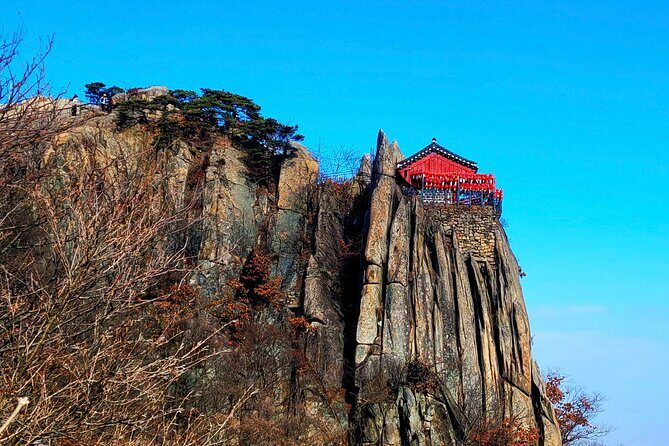
Two things I like a lot: first, the focus on walking with purpose to Yeonjudae (about 629 m), the 4th tallest summit in Seoul. Second, the temple portion is the good kind of special—traditional architecture, a cliff temple with dramatic views, and a visit that includes tasting Korean instant noodles on-site.
One consideration: this is a real hike on sloped, rocky paths, and on a hot day you’ll want water and good shoes and a relaxed pace. If you’re expecting an easy stroll, you’ll be happier setting your expectations lower and letting the day unfold.
In This Review
- Key Points You Should Know
- Why This Gwanaksan Hike Feels Like a Seoul Side Trip
- Meeting at Sillim-dong, Gwanak-gu and the Value of a Timed Start
- Gwanaksan Mountain to Yeonjudae: The 629 m Summit Plan
- The trail food: gimbab that actually belongs on a mountain day
- Seoul National University (Gwanak Campus) Stop: A Smart Way to Reduce Time
- Yeonjudae Lookout and Two Temples: Cliff Views and 1,000 Buddha Statues
- Instant noodles at the temple: small ritual, good travel memory
- The temple roots: Shilla to Joseon, without the museum lecture
- The Role of the Guide: Why Lee’s Style Matters
- What You’ll Actually Do From Start to Finish (and What to Watch For)
- Your packing list, simplified
- How Much Is It Worth at $90?
- Who This Tour Fits Best
- Quick Practical Notes: Weather, Pace, and Getting Back
- Should You Book This Gwanaksan Hike & Old Buddhist Temple Visit?
- FAQ
- What’s the duration of the Gwanaksan Hike & Old Buddhist Temple Visit?
- How much does the tour cost?
- Where does the tour start and when?
- Is lunch included?
- What food do you get during the day?
- How many people are in the group?
- Is the hike and temple visit dependent on weather?
Key Points You Should Know
- Small group size (max 10) helps you move at a comfortable pace and get attention on steeper sections
- Yeonjudae summit viewpoint gives you big, wide Seoul-and-Gyeonggi-do scenery without needing extreme climbing
- Temple time feels personal—you’ll slow down for peaceful viewing and traditional Buddhist architecture
- Korean hiking food breaks up the effort with gimbab on the trail and instant noodles at the temple
- Seoul National University bus transfer reduces wasted time before you reach the trail head
- Mobile ticket makes day-of logistics straightforward
Why This Gwanaksan Hike Feels Like a Seoul Side Trip
Gwanaksan is one of those mountains that makes Seoul feel bigger, then kinder. From the city’s intensity, you step into forested paths and mountain air, and the city fades into the background. You’re not just doing a walk with views—you’re mixing nature and old religious sites in a way that’s actually restorative.
The day is built around a clear rhythm: hike up, then land softly in the temple atmosphere. I also appreciate the way the experience encourages an honest approach to effort. You’re not pushed to “conquer” anything. The goal is reaching the summit while still enjoying the path and the calm stops in between.
And yes, you get the classic Korean hiking-energy rhythm: snack first, pause often, and keep going. That matters more than people expect on a 5.5-hour day.
A few more Seoul tours and experiences worth a look

Meeting at Sillim-dong, Gwanak-gu and the Value of a Timed Start
The tour starts at 9:30 am at Sillim-dong, Gwanak-gu, Seoul and ends back at the meeting point. That matters because a mountain day can become a transportation puzzle if your timing is off. A scheduled start keeps the hike from turning into an all-day shuffle.
This experience uses a mobile ticket, which is handy when you’re trying to keep your phone charged and your plans simple. There’s also a group cap of 10 people, so it’s not a giant crowd situation on the trail or inside the temple areas.
In plain terms: you’ll likely spend more of your day walking and looking, and less of it waiting.
Gwanaksan Mountain to Yeonjudae: The 629 m Summit Plan
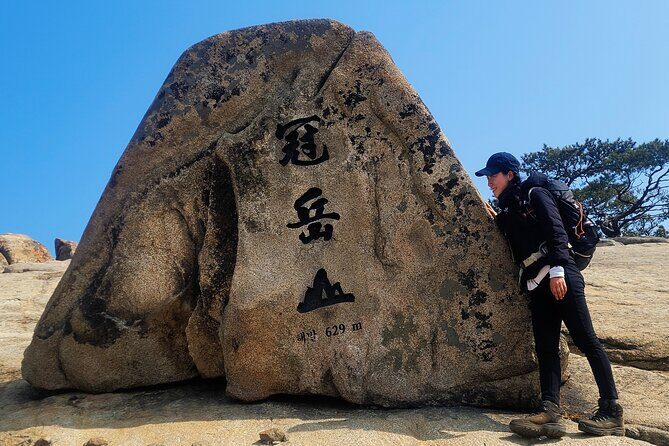
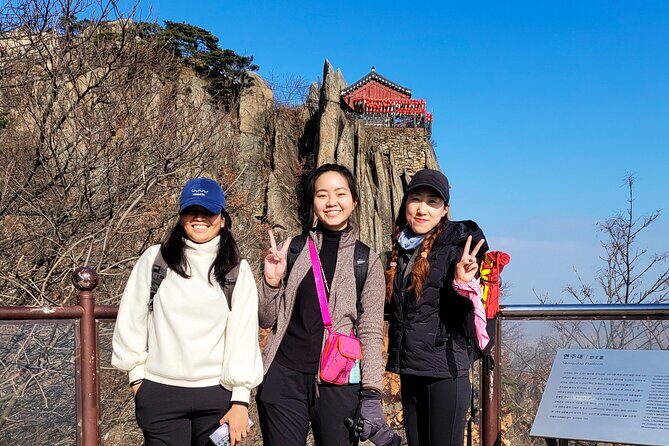
The main event is the hike to Yeonjudae, about 629 m, the 4th tallest summit in Seoul. This is the kind of summit that rewards steady effort. You’re aiming for a viewpoint that shows Seoul and Gyeonggi-do stretching out below.
What I like here is the balance between “see something” and “don’t suffer for it.” The pacing is built around taking breaks, and the guide keeps an eye on people when the trail gets rocky. From the experience style, you can expect a more watchful, practical approach—helpful for anyone who doesn’t hike often.
The trail itself is described as rocky and sloped, so wear shoes with real grip. You’ll also want to bring water and any snacks you like, even though the day includes lunch and you’ll have Korean trail food. Hot weather is a real factor, so slow down early rather than trying to make up time later.
The trail food: gimbab that actually belongs on a mountain day
During the hike, you get Korean gimbab (seaweed roll) as part of the day’s food experience. It’s not just a token snack. It’s the kind of food that’s portable, filling, and easy to eat while you’re moving.
If you’re the type who gets cranky when you’re hungry, having a planned bite helps keep your energy steady for the summit push.
Seoul National University (Gwanak Campus) Stop: A Smart Way to Reduce Time
After the morning meeting, the schedule includes a stop at Seoul National University (SNU), Gwanak Campus, for about 30 minutes. This is more than a photo break. The tour uses this timing to take a bus from SNU to the trail head, which shortens how long you spend getting to the mountain.
I find that kind of planning makes a huge difference. If you’ve ever spent a day lost in transit, you know the frustration. Here, the university stop acts like a bridge: city-to-mountain without wasting half the day.
You’ll also get a chance to see the campus briefly, and you’ll end up getting your bearings for the rest of the hike. It’s a nice reset before the slope starts asking for attention.
You can also read our reviews of more hiking tours in Seoul

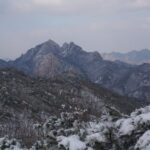
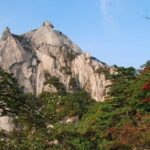
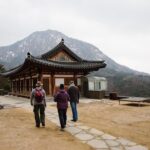
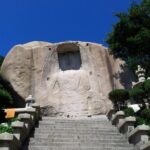
Yeonjudae Lookout and Two Temples: Cliff Views and 1,000 Buddha Statues
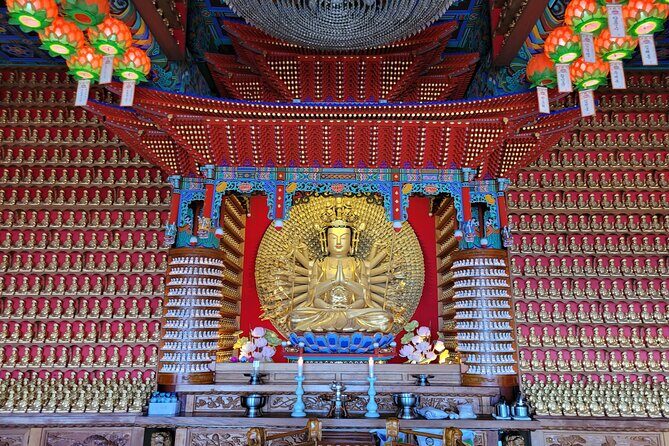
The final segment centers on Yeonjudae Lookout and visits to two Buddhist temples, taking about 1 hour for the temple/looker part. The big highlight is that one temple is located on a cliff, with a dramatic feel that makes the mountain feel even more real.
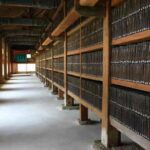
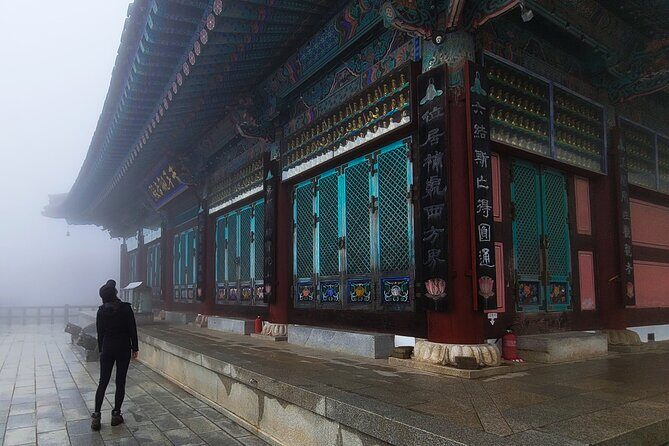
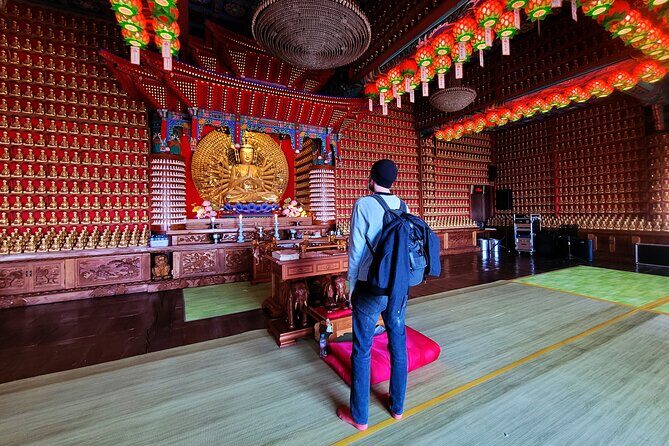
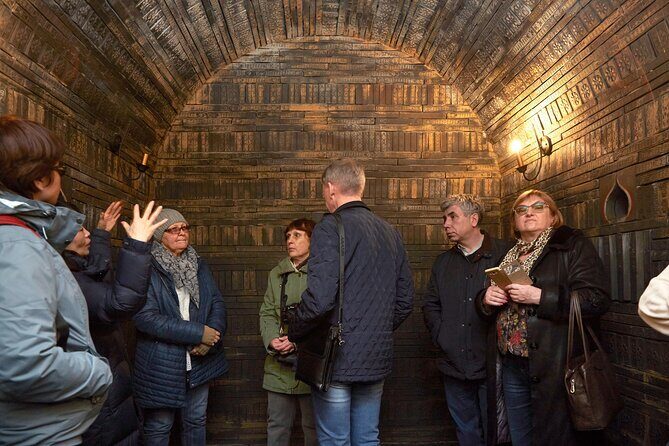
This is the part of the day that changes your mood. When you’re hiking, you’re working. In the temple areas, you shift into looking, listening, and slowing down. You’ll see Korean traditional architecture and the tour experience includes 1,000 Buddha statues. Even if you don’t know the details of every symbol, the scale creates a strong impression.
Instant noodles at the temple: small ritual, good travel memory
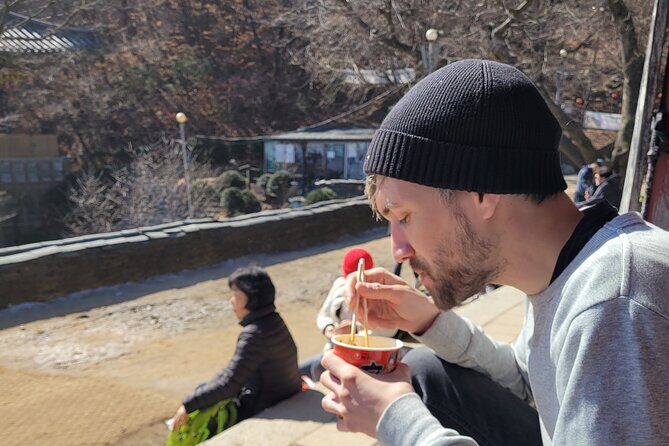
A fun detail that’s actually practical: you can try Korean instant noodles in the temple area as you wish. Food at the end of a hike isn’t just about eating. It turns the finish into a moment, not a rushed stop.
If you’re wondering whether this will feel touristy or forced, the way it’s described suggests something closer to a local rhythm: simple, warm, and connected to the setting. And yes, you should still bring water for the hike portion, since noodles won’t replace hydration on the way up.
The temple roots: Shilla to Joseon, without the museum lecture
This area ties back to two time periods mentioned in the tour information. The temple is said to have been founded in 667 during the Shilla kingdom by the monk Euisang, then extended in 1392 in the Joseon dynasty. You might not get a full lecture during your walk through, but knowing the dates helps you feel like you’re standing in places with long continuity, not just a modern attraction.
And because the cliff location matters visually, you’ll likely remember the view longer than a standard temple stop.
The Role of the Guide: Why Lee’s Style Matters
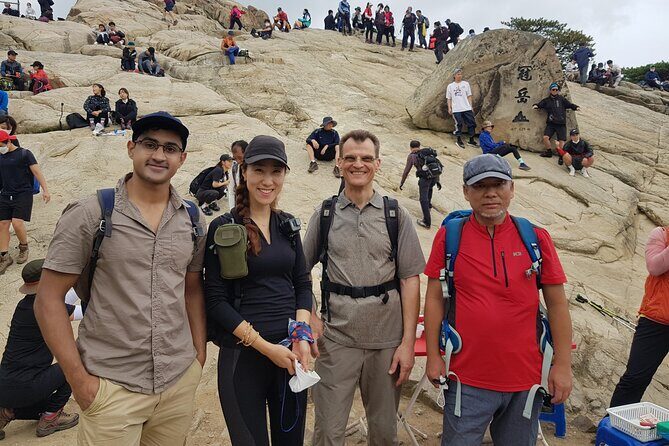
The experience is guided by Lee, based on the guide name included in the provided guest feedback. What stands out from Lee’s approach is how she supports people on a trail that can be demanding.
On hotter days, the guide is described as making sure you get breaks when needed. That’s a big deal because the hardest part of many hikes isn’t the height—it’s the pace you set too early. Having a guide who can read the group and adjust helps keep the day enjoyable for more than just the fittest person.
The reviews also point to a steady, close check-in on people when the ground is rocky and sloped. In other words: you’re not left to fend for yourself. You’re hiking with a leader who keeps eyes on footing and comfort, not just a person who talks and walks ahead.
So if you’re coming from a city sightseeing rhythm, this guide style can keep you confident on the mountain.
What You’ll Actually Do From Start to Finish (and What to Watch For)
Here’s the practical flow you should expect, in normal human terms.
First stretch: hike up to Yeonjudae. You’re moving for about 4 hours, working toward views over Seoul and out toward Gyeonggi-do. You’ll have gimbab during this time and you’ll also want your own water and snacks ready for the steeper moments.
Second stretch: short university stop at SNU Gwanak Campus. This is about 30 minutes, and it supports the plan to reach the trail head efficiently. It also gives you a moment to reset before temple time and the lookout.
Third stretch: lookout and temples. This is about 1 hour, focused on traditional temple viewing, including the cliff temple, the 1,000 Buddha statues, and the option to try instant noodles.
Overall, the day clocks in around 5 hours 30 minutes. That’s long enough to feel like you truly left the city behind, but not so long you’ll regret it at dinner.
Your packing list, simplified
Bring:
- Water
- Snack(s) you like
- Comfortable shoes with grip
The tour info also encourages you to not try to conquer the summit. That advice is less about discouragement and more about enjoyment. Hiking feels better when it’s a steady walk with pauses, not a fight with the mountain.
How Much Is It Worth at $90?
At $90 for roughly 5.5 hours, the value comes from more than just transportation. You’re paying for:
- A structured mountain hike with a guide who manages pace and breaks
- A planned route that includes the university bus connection
- Temple time with a cultural focus (including the 1,000 Buddha statues experience)
- Lunch included and trail/temple food elements like gimbab and instant noodles as you wish
- Simple day-of access with a mobile ticket
The admissions at the main stops are also listed as free, which helps keep the cost grounded.
If you were to DIY this day, you’d still spend money and time on transit to the mountain, figuring out the right temple sites, and trying to match a tight schedule without losing daylight. Here, the day is packaged so you spend your energy moving through the mountain and temples instead of managing details.
Who This Tour Fits Best
This hike-and-temple mix is best for you if you:
- Want a Seoul day that feels like a true break into nature
- Like cultural stops that are quiet and scenic, not just checkboxes
- Prefer small groups (up to 10 people) and a guide who keeps a steady pace
- Enjoy Korean trail food and temple-area snacks
It’s also a strong option for someone who’s not an expert hiker but wants to try. The descriptions of the rocky, sloped trail are real, yet the guide support and break-taking make it more approachable than many “hard summit” tours.
If you’re used to flat-city walking only, plan for a slower pace and bring good shoes. You’ll likely still have a rewarding day—just don’t treat it like a treadmill.
Quick Practical Notes: Weather, Pace, and Getting Back
This experience requires good weather. If conditions are poor, you’ll be offered a different date or a full refund. That’s sensible with a mountain hike and cliff temple stops.
Because the trail is uneven, pace matters. You’ll feel better if you start steady and let the guide help you adjust. The goal is reaching the summit while still enjoying the path and the temple calm afterward.
And because the tour returns to the meeting point, you’re not left trying to figure out your exit plan from the mountain.
Should You Book This Gwanaksan Hike & Old Buddhist Temple Visit?
Book it if you want a Seoul experience that includes both effort and peace in the same day. The combination of Yeonjudae summit views, two temple stops (including a cliff temple), and the 1,000 Buddha statues scene makes it more than a simple hike. Add lunch, gimbab, and the option for instant noodles, and you get a day that feels complete.
Skip it or choose a different option if you’re seeking an easy walking tour with minimal uneven ground. The rocky, sloped trail is part of the deal, and you’ll get more out of it by showing up prepared—water, snack, and the right shoes.
FAQ
What’s the duration of the Gwanaksan Hike & Old Buddhist Temple Visit?
It runs for about 5 hours 30 minutes.
How much does the tour cost?
The price is $90.
Where does the tour start and when?
It starts at Sillim-dong, Gwanak-gu, Seoul, South Korea at 9:30 am, and it ends back at the same meeting point.
Is lunch included?
Yes. Lunch is included, though you should still bring water and snacks for the hiking.
What food do you get during the day?
You’ll have Korean gimbab during the hike, and you can try Korean instant noodles in the temple area as you wish.
How many people are in the group?
The tour has a maximum of 10 travelers.
Is the hike and temple visit dependent on weather?
Yes, the experience requires good weather. If it’s canceled due to poor weather, you’ll be offered a different date or a full refund.
You Might Also Enjoy
 Exclusive Private DMZ Tour & War Memorial Hall or Suspension Bridge(No Shopping)
 Seoul Private Tours by Locals: 100% Personalized, See the City Unscripted
 Gyeongju UNESCO World Heritage Sites and History Full-Day Tour with Lunch
 5-Day Korea Golden route by K-shuttle Tour from Seoul Including Busan, Yeosu