REVIEW · SEOUL
5-Day Korea Golden route by K-shuttle Tour from Seoul Including Busan, Yeosu
Book on Viator →Operated by US Travel Korea · Bookable on Viator
A good Korea sampler starts with motion, not stillness. This 5-day route is a fast, guided sweep from Seoul to Busan and Yeosu territory, with UNESCO temples and hanok culture built in. I like that you get transport handled end-to-end plus a professional English-speaking guide so you can focus on the places instead of the logistics. I also like the balance of history sites and real scenery stops, so the trip feels like more than museum hours.
One thing to know before you book: the schedule is packed. You’ll do a moderate amount of walking, and some areas are paired with travel time, so you may wish you had more hours in a couple of highlights.
In This Review
- Key Things I’d Put on Your Radar First
- Price and What You’re Really Buying for $999
- Day 1: Gwanghwamun Start, Baekje Power, and Jeonju Hanok Charm
- Songsan-ri Tombs and the Royal Tomb of King Muryeong (Baekje era)
- Gongju Gongsanseong Fortress: walking for the river views
- Jeonju Hanok Village: where architecture does the talking
- Day 2: Democracy Memory, Suncheon Bay’s Garden Science, and Admiral Yi’s Legacy
- May 18th National Cemetery: a sobering start
- Suncheon Bay Garden: more than pretty flowers
- Statue of Admiral Yi Sun-Sin: history tied to a real strategy site
- Day 3: Busan Market Time, Jagalchi Seafood, and Haeundae’s APEC Landmark
- Jinjuseong Fortress: a layered name across eras
- Jagalchi Market: seafood on the ground level
- Haeundae Beach and Nurimaru APEC House area
- Day 4: Bulguksa + Seokguram UNESCO Stone Temples
- Seokguram: built with Bulguksa in mind
- Bulguksa Temple: UNESCO and the story of stone relics
- Day 4 Late: Andong Hahoe Folk Village for River Scenery and Old-Village Calm
- Day 5: Pyeongchang Ski Jump Venue to Seoraksan National Park
- Alpensia Ski Jump Lounge: Olympic legacy without the crowds
- Seoraksan National Park: Sinheungsa and Mt. Seorak viewpoints
- Dongwha Duty Free: the closing convenience
- Hotels, Pace, and the Real Comfort Question
- Meals: What’s Included, What’s on You, and How to Save Time
- Who This Tour Fits Best (and Who Might Want to Skip It)
- Should You Book This K-shuttle Golden Route?
- FAQ
- What time does the tour start, and where do I meet?
- How many nights of accommodation and breakfasts are included?
- Is transportation between all stops included?
- Are entrance fees included for each stop?
- Do I need to plan meals during the tour?
- What kind of walking should I expect?
- What’s the luggage limit and ticket format?
Key Things I’d Put on Your Radar First
- English-speaking guidance with standout leaders like Justin Choi and Mina, who focus on story and context, not just directions
- UNESCO day pairing Bulguksa Temple with Seokguram, a stone-temple combo that’s hard to recreate on your own
- Jeonju Hanok Village roofline culture—a small detail that makes the whole place feel different from the rest of Korea
- Suncheon Bay Garden biology focus (hundreds of tree and flower species) instead of only scenic photo stops
- Busan food-market energy at Jagalchi paired with classic seaside time at Haeundae
- Seokguram and Seoraksan are not fully equal on costs since some paid add-ons are listed as optional or not included
Price and What You’re Really Buying for $999
At $999 per person, this tour looks like a “pricey bus tour” until you add up what’s included. You’re paying for four big things: round-trip transportation between multiple regions, a professional English-speaking guide, and 4 nights of accommodation with breakfast. That combination matters in Korea because moving between cities can be time-consuming and confusing on your own—especially when you’re hopping between temples, fortresses, and coastal areas.
What’s not included is also part of the math: lunch and dinner (plus snacks/drinks unless stated), and some optional paid entries that can pop up in this style of route. So you’ll want to budget for meals daily and keep a little flexibility for paid add-ons if you want them.
If you like structure and hate planning, this price starts to feel fair. If you’d rather control your own pacing and pick restaurants freely, you might feel the schedule tightening at a few stops.
A few more Seoul tours and experiences worth a look
Day 1: Gwanghwamun Start, Baekje Power, and Jeonju Hanok Charm
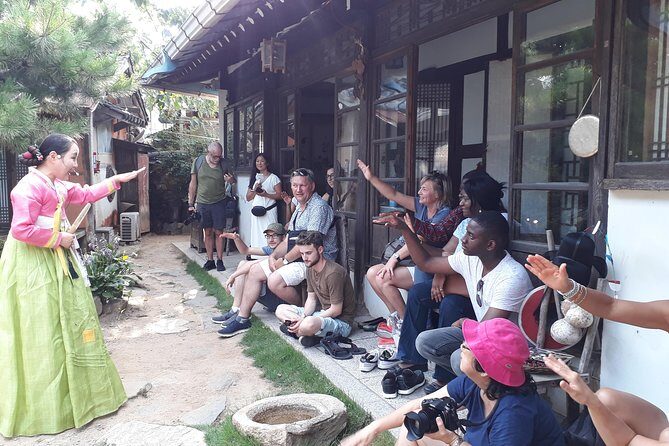
You kick off early at the Gwanghwamun area (meeting near Donghwa duty free), which is the smart move on a short 5-day trip. From there, the day leans hard into Korea’s ancient layers.
Songsan-ri Tombs and the Royal Tomb of King Muryeong (Baekje era)
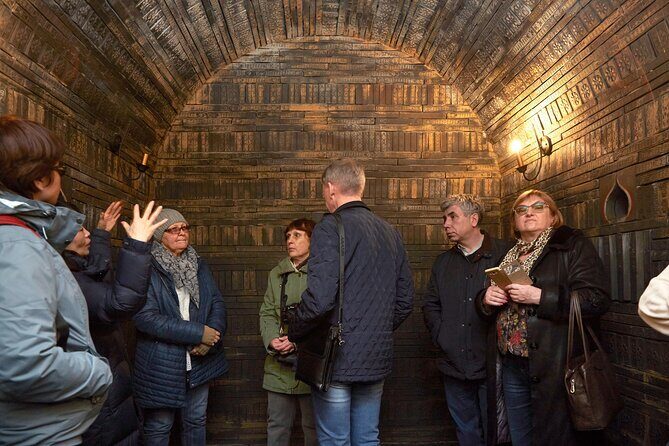
This is one of those sites where context is everything. The setting preserves representative artifacts from the Baekje period, and you get the specific link to King Muryeong’s reign. I like this kind of stop because it gives you a “why” behind the stone and relics—so the experience doesn’t feel like looking at carved rock without a storyline.
The only drawback: because tomb sites are not “active sightseeing,” you’ll probably want the guide’s explanations to land fully. If you like history, you’re in good shape here.
Gongju Gongsanseong Fortress: walking for the river views
Next comes a mountain fortress built during Baekje—plus that Geumgang riverside view you’re meant to earn by walking a bit. Fortress sites tend to work best when you slow down for photos and let the guide connect the geography to the era.
This stop includes admission, which helps reduce cost surprises.
Jeonju Hanok Village: where architecture does the talking
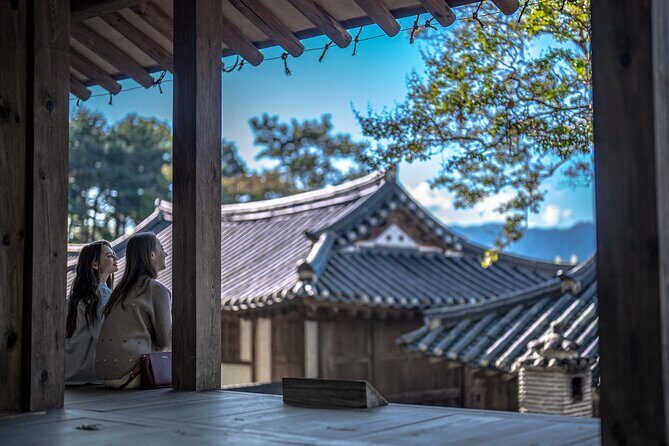
By late day, you reach Jeonju Hanok Village, where the city’s modern life and the older house style coexist in a visible way. The detail that’s worth your attention: the hanok roof edges that rise slightly toward the sky. That’s not just design trivia—it’s what makes the village look like it belongs to a different Korea.
Free time here is valuable. Even with a guide, this is the kind of place where you can wander and feel the atmosphere shift.
Day 2: Democracy Memory, Suncheon Bay’s Garden Science, and Admiral Yi’s Legacy
Day 2 mixes emotion, nature, and one of Korea’s best-known historical figures.
May 18th National Cemetery: a sobering start
The May 18th National Cemetery is the grave of victims from the May 1980 struggle for democracy. It’s located in front of Mudeungsan Mountain, so the setting combines reflection with a clear sense of purpose.
This is not a “fun” stop, but it’s an important one. If you want your Korea trip to cover more than temples and seafood, this day does that job.
Suncheon Bay Garden: more than pretty flowers
Then you move to Suncheon Bay Garden, created by turning natural habitat into a conservation area. The numbers are impressive: 505 species of trees and 113 species of flowers. This is where the tour goes beyond scenic stops and gives you a conservation story with real scale.
If you enjoy botany or you just like places where nature feels cared for, this is a strong pick.
Statue of Admiral Yi Sun-Sin: history tied to a real strategy site
The statue stop connects to Admiral Yi Sun-shin and his headquarters during the Japanese invasion (Imjin Waeran). It’s not just a statue moment—it’s a spot that’s tied to decisions and wartime strategy.
Admission is listed as free, which keeps the day feeling affordable on top of the included tour structure.
Day 3: Busan Market Time, Jagalchi Seafood, and Haeundae’s APEC Landmark
Busan is where the route shifts from inland history to coastal life.
Jinjuseong Fortress: a layered name across eras
Jinjuseong is linked to the 1592 invasion and also reflects how places change names over time. The tour’s focus here is the historical through-line, including older names from earlier periods. Fortress sites like this reward people who enjoy connecting dates and names.
This stop is free entry and doesn’t demand too much time, which is useful in a day that includes big energy stops later.
Jagalchi Market: seafood on the ground level
Next is Jagalchi Market, described as Korea’s largest seafood market, with live and dried fish. This is one of those places where you learn quickly how Korea eats by watching what’s for sale and how vendors work.
A practical tip: plan to spend your appetite money here. Lunch on a market day is often the best value because you’re paying for convenience and variety.
Haeundae Beach and Nurimaru APEC House area
You finish with Haeundae Beach and nearby APEC-related buildings (including Nurimaru APEC). It’s a classic coastal break: modern urban shoreline with a landmark tone.
If you want a wind-down before the UNESCO day ahead, this is a good landing spot.
Day 4: Bulguksa + Seokguram UNESCO Stone Temples
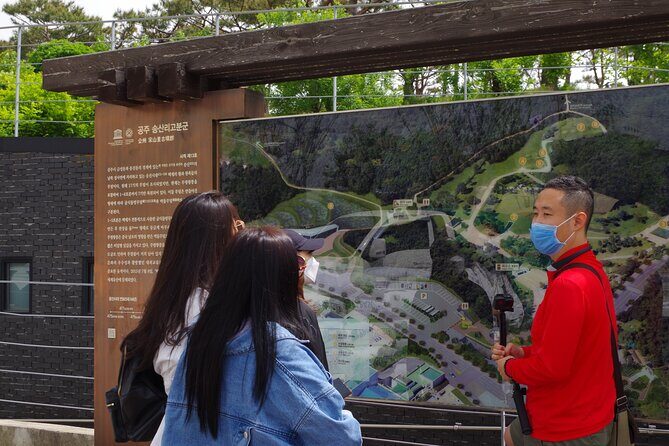
This is the day I’d mark as the emotional high point of the whole trip—if you care about architecture and sacred design.
Seokguram: built with Bulguksa in mind
Seokguram is described as built with Bulguksa Temple and designated as a UNESCO World Cultural Heritage site (1995). It’s an artificial stone temple made of granite. The message you’ll get from the guide is that this isn’t random stonework—it’s intentional engineering shaped into sacred space.
Seokguram is listed as free on the itinerary, but some paid add-ons related to temple areas can appear depending on the day and what’s available. I’d keep a little cash or card flexibility for anything you’re offered that isn’t marked included.
Bulguksa Temple: UNESCO and the story of stone relics
Right after that comes Bulguksa Temple, also UNESCO-listed (1995). Bulguksa is called the representative relic of Gyeongju, and the focus is the beauty of the temple itself and the artistic touch of the stone relics.
This pairing works because you get two sacred expressions in one region, letting you compare the feel of the spaces. It’s the kind of day where the guide’s explanations can turn a photo stop into an understanding stop.
Day 4 Late: Andong Hahoe Folk Village for River Scenery and Old-Village Calm
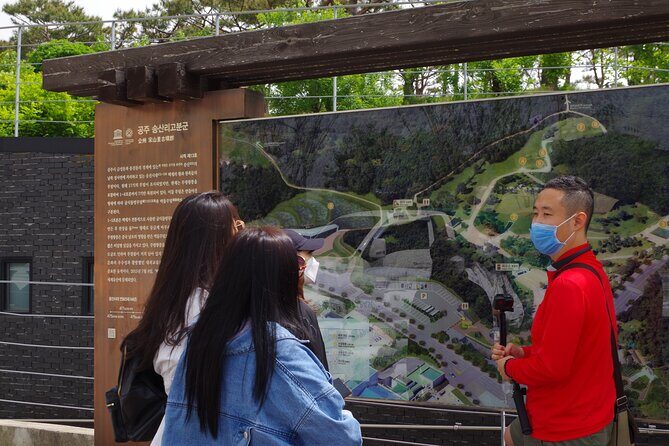
The tour continues to Andong Hahoe Folk Village, known for scenic views with the Nakdong River wrapping around the village. The tour also highlights Buyongdae Cliff, sandy beaches, and ancient pine trees.
This is a strong counterbalance to the temple-heavy day. Temples are about architecture and devotion; Hahoe is about place—how the village sits in a broader natural setting. If you like traditional living patterns, the setting will likely feel like the Korea you imagined.
Admission is listed as included for this stop, so you won’t feel nickel-and-dimed while trying to enjoy the scenery.
Day 5: Pyeongchang Ski Jump Venue to Seoraksan National Park
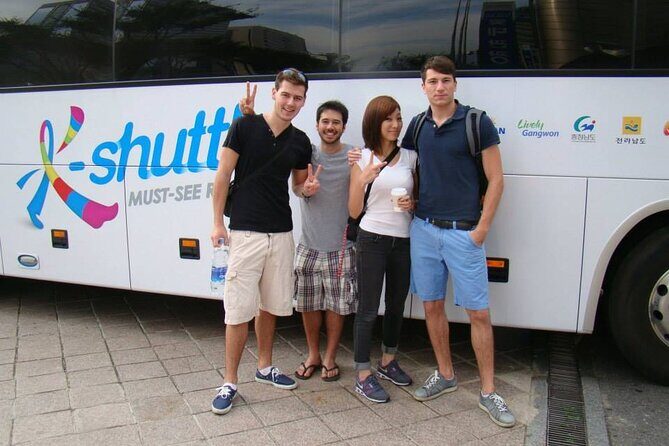
Your last day keeps momentum, but the vibe changes again—sports venue, then real mountains.
Alpensia Ski Jump Lounge: Olympic legacy without the crowds
The stop is the Alpensia Ski Jump Lounge, tied to the 2018 Winter Olympics ski jumping venue. It’s not the tower; it’s the lounge/venue focus. Even if you aren’t a winter sports fan, you’ll get a sense of how South Korea invested in winter-event infrastructure.
Admission is free on the itinerary, which helps keep your final-day costs predictable.
Seoraksan National Park: Sinheungsa and Mt. Seorak viewpoints
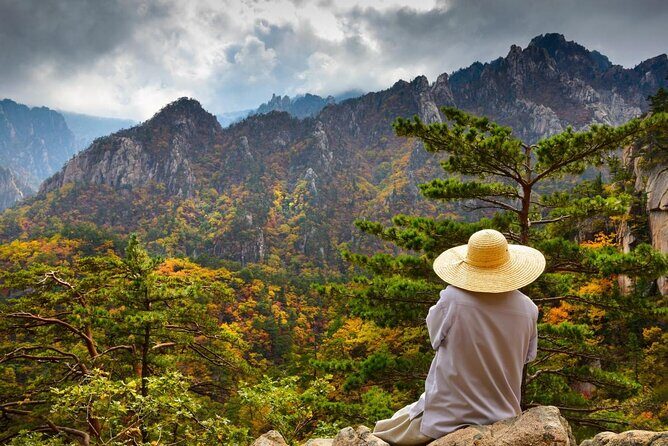
Then you’re sent into Seoraksan National Park with stops for Sinheungsa and Seorak Mountain. The description emphasizes peaks pushing above clouds and valleys with jade-like water. That’s the kind of imagery that tells you you’re not just going for a single look—you’re going for a feeling of scale.
One cost note: Seoraksan is listed as not included, so you should plan on an entry fee. If you’re traveling in colder months, warm layers help because the park can feel harsher with wind and elevation.
Dongwha Duty Free: the closing convenience
The tour ends around 18:00 at Dongwha duty free. This is practical for anyone who wants the final stop to also be shopping and transport convenience.
Hotels, Pace, and the Real Comfort Question
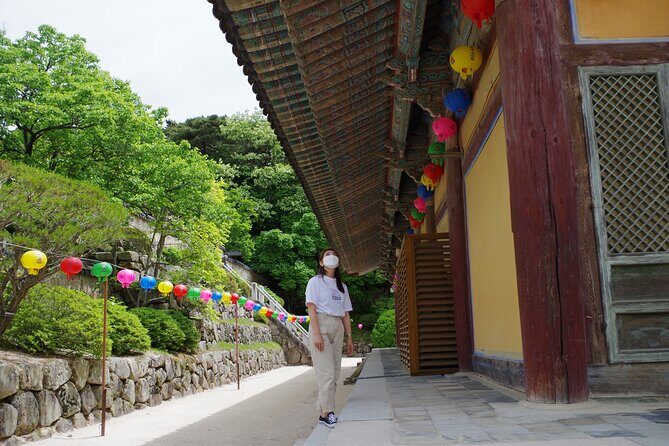
This kind of route lives and dies by the hotel pairing and the daily pacing.
You get 4 nights of accommodation with breakfast, which is a big plus because mornings start smoother and you avoid hunting for breakfast on day one, two, three, and four. The rooms can vary, though. Some stays are described as older or less ideal in cleanliness and comfort, while others are called good. So I’d treat this as a value trip with quality that can depend on the exact property assigned.
On the comfort side, the bus experience seems to vary too. Some people like the clean vehicle and working A/C; one note suggests fewer noise issues would improve the ride. If you’re sensitive to sound, pack something simple like earplugs.
And yes, you should expect moderate walking and a lot of seated time between stops. Bring good walking shoes and keep a small layer for temple and mountain weather shifts.
Meals: What’s Included, What’s on You, and How to Save Time
Only breakfast is included. Lunch and dinner are on you unless a stop lists something specific (most don’t). That can sound like a hassle, but it’s also your chance to eat like a local instead of relying on packaged tour meals.
Here’s how I’d approach it:
- Use market and city stops like Jagalchi to plan one real meal where variety is easiest.
- Keep snacks small and practical, especially on days heavy with walking (you’ll waste less time when hunger hits).
- Don’t overschedule dinner expectations on days when you arrive back later. The final stop ends around 18:00, which can limit restaurant options depending on where your hotel is.
Who This Tour Fits Best (and Who Might Want to Skip It)
This route is a good fit if you want:
- A guided overview of South Korea without dealing with intercity transit or language barriers
- UNESCO sites and traditional architecture, not just one type of sightseeing
- A structured plan that still includes real nature stops (Suncheon Bay Garden and Seoraksan)
You might think twice if you:
- Hate fast pacing and want long, slow stays in fewer places
- Are very sensitive to hotel quality variation from stop to stop
- Want lots of free time in Seoul (this route doesn’t give you a full Seoul day, since it starts with an early meeting)
Should You Book This K-shuttle Golden Route?
I’d book it if you want maximum variety in 5 days and you like the idea of strong, English-speaking guidance. The combo of Baekje sites, democracy memory, Busan market/coast, and the Bulguksa–Seokguram UNESCO pairing is a smart use of limited time. Plus, breakfast and transportation being handled reduces the trip-stress factor.
I’d hesitate if you’re planning around a strict budget for meals and add-ons, or if you need a hotel environment you’d describe as consistently modern and spotless. In that case, you may still enjoy the sightseeing, but your overall satisfaction may hinge on which specific hotel you’re assigned and how much you can flex on the pace.
If you can do that, this tour is a solid way to get your bearings fast—and leave with a Korea that makes sense, not just a list of photos.
FAQ
What time does the tour start, and where do I meet?
It starts at 8:00 am. The meeting point is near Donghwa Duty Free Shop at Gwanghwamun Intersection, around the exit area at Gwanghwamun Subway Station.
How many nights of accommodation and breakfasts are included?
You get 4 nights of accommodation, and breakfast is included each morning (4 breakfasts total).
Is transportation between all stops included?
Yes. Transportation to all places on the itinerary is included (the vehicle size depends on your group size).
Are entrance fees included for each stop?
Some stops are listed as free or included, but not everything is covered. Meals and many optional add-on fees are not included, and Seoraksan National Park is listed as not included.
Do I need to plan meals during the tour?
Lunch and dinner are not included, so you’ll be planning your own meals most days. Breakfast is covered.
What kind of walking should I expect?
The tour involves a moderate amount of walking, so good walking shoes are a smart idea.
What’s the luggage limit and ticket format?
You’re allowed one carry-on bag measuring about 24″ x 16″ x 11″, and you’ll use a mobile ticket.
![Temple Tour : Byeongpungam Seokbulsa Temple [Hiking+Cable car] - Geumjeongsanseong Fortress Gate Walk: Where the View Turns Into History](https://8.koreaadventures.com/wp-content/uploads/temple-tour-byeongpungam-seokbulsa-temple-hikingcable-car.jpg)