REVIEW · SEOUL
From Seoul: 5-Day Tour of Korea with UNESCO Sites
Book on GetYourGuide →Operated by US TRAVEL KR · Bookable on GetYourGuide
This route hits Korea fast, with UNESCO sites stacked day after day. I especially like the Gongju–Gyeongju–Andong history arc and the hands-on detours like Jagalchi seafood market and seaside time in Busan. One possible drawback: the schedule is tight, and in some months the plan can shift if an attraction like Seoraksan gets restricted.
I also like how the tour is built around real priorities, not just checkboxes. You get an English-speaking guide, air-conditioned transport, hotel breakfasts, and entry tickets for selected stops, so you’re not stuck figuring out transfers all day.
The main thing you should consider is comfort with walking and day-length. Seoraksan can involve a long walk if bus access is limited in October, and you’ll want good shoes for multiple heritage sites.
In This Review
- Key takeaways
- Route at a glance: UNESCO sites plus coast and mountains
- Price and value: what you’re really paying for
- Who this tour fits best (and who should think twice)
- Day 1: Seoul to Gongju’s Muryeong tomb and fortress views, then Jeonju hanok area
- Day 2: Gwangju memorial seriousness, Suncheon Bay Garden, then Yeosu’s Admiral Yi path
- Day 3: Jagalchi Fish Market energy, Haeundae Beach views, and a Gyeongju hotel night
- Day 4: Seokguram and Bulguksa UNESCO heritage, then Andong Hahoe’s Joseon living village
- Day 5: Mt. Seorak National Park UNESCO Biosphere District and the cable car option
- Hotels, comfort, and what to watch for in room categories
- Guide impact: why names matter on this route
- Logistics and planning tips so you don’t lose time
- Should you book this Korea UNESCO plus coast tour?
- FAQ
- Where does the tour start in Seoul?
- What’s included in the $999 price?
- What’s not included?
- Are pickup and drop-off from Seoul included?
- What language is the guide available in?
- Do I need to bring anything specific?
- Will Mt. Seorak be visited in October?
- Is the cable car optional?
Key takeaways
- UNESCO in three different regions: Gongju, Jeonju-area hanok stay, and Gyeongju plus Andong Hahoe Village
- Democracy history in Gwangju: May 18th National Cemetery as a core stop
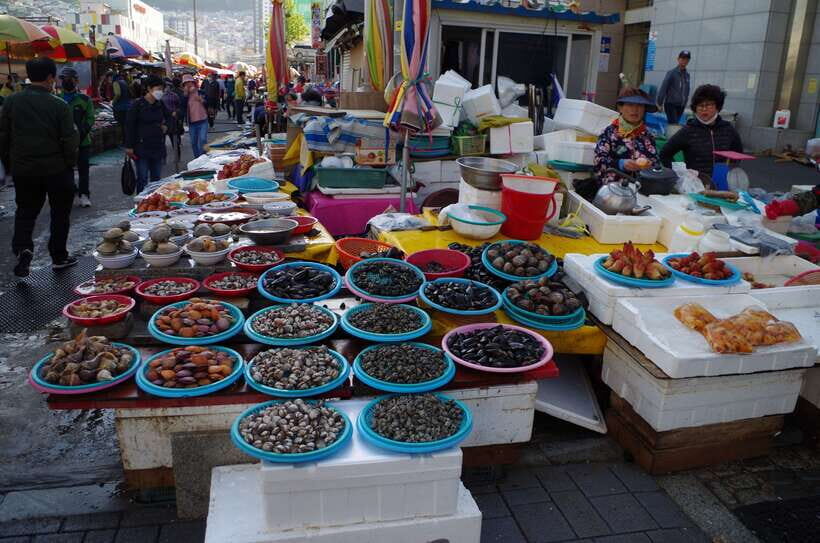
- Food-and-view day in Busan: Jagalchi Fish Market plus Haeundae Beach and Dongbaek Park
- Joseon Dynasty architecture in Andong Hahoe: a living village format, including the Queen Elizabeth II connection noted in the tour info
- Mt. Seorak as the finale: UNESCO Biosphere Preservation District with a cable car option
Route at a glance: UNESCO sites plus coast and mountains
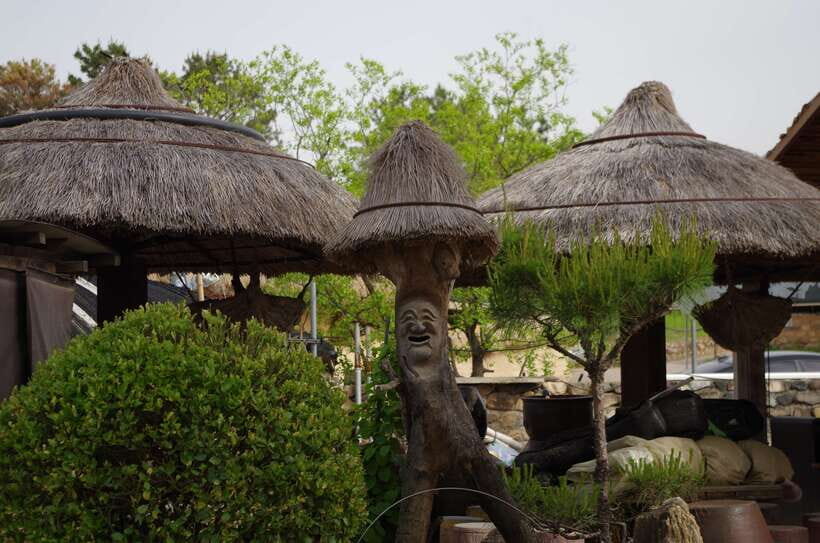
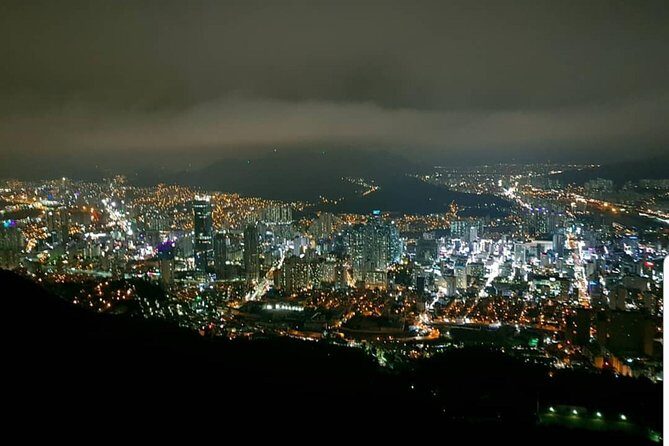
This is a 5-day, Seoul-start tour that strings together UNESCO World Heritage moments, modern Korean history, big-market food time, and a mountain finish. The backbone is a south-and-east sweep: Gongju and Jeonju, then Gwangju and Yeosu, across to Busan and Gyeongju, out to Andong Hahoe, and finally into Mt. Seorak before returning to Seoul.
What makes it work is pacing by contrast. You’re not only switching cities. You’re switching modes: tombs and fortress walls, hanok area evenings, memorial space, seafood market energy, temple-and-grotto heritage, and then mountain air. It’s a lot, but it’s not random.
If you like guided structure that still leaves breathing room for photos and short walks, this kind of itinerary can feel satisfying. If you hate crowds, hate early starts, or prefer slow travel, you’ll feel the pressure.
A few more Seoul tours and experiences worth a look
Price and value: what you’re really paying for
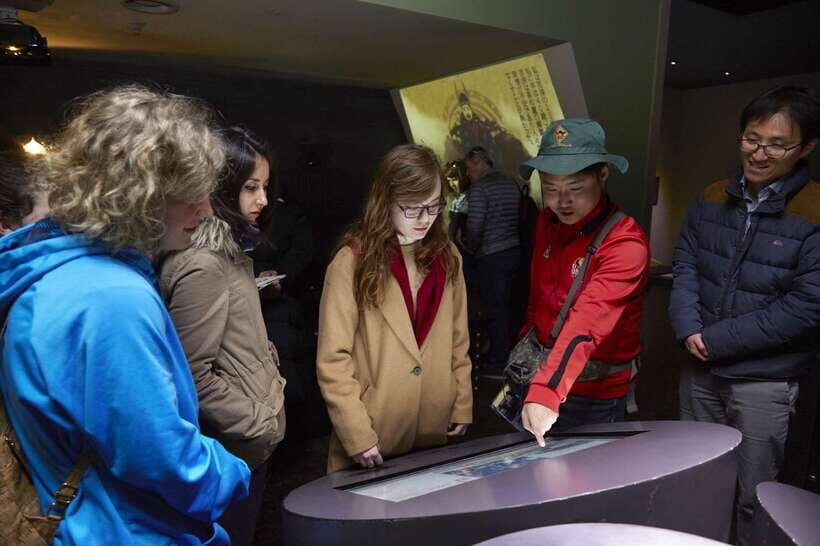
At $999 per person for 5 days, the headline question is whether you’re paying for planning or paying for actual access. Here, you’re getting more than a driver and directions.
Your package includes:
- 4 nights hotel accommodation (twin or triple sharing)
- Hotel breakfast
- An English-speaking guide
- Entry tickets for selected attractions
- Air-conditioned transportation
And you should plan on paying extra for:
- Lunch and dinner
- Travel insurance
So where’s the value? You’re paying to reduce the time-cost of moving between distant regions and to get guided context at major sites. Also, many of the stops are ticketed or require more involved routing than a simple day trip. You’re not paying to sit in a van all day; you’re paying to link multiple high-demand landmarks with a group.
That said, tight routing means the “best value” depends on how much time you personally need at each place. If you want long stays, this price can start to feel expensive because the schedule compresses your time per stop.
Who this tour fits best (and who should think twice)
This tour fits you if:
- You want a guided route that hits multiple UNESCO sites without spreadsheet planning
- You like a mix of history, food, city views, and nature
- You can comfortably walk through temples, fortress areas, and market streets
- You travel in a way that accepts schedule shifts
You might think twice if:
- You want a relaxed pace with lots of free time
- You’re sensitive to room location and noise (more on this below)
- You’re traveling in October and especially want Mt. Seorak without detours, since the tour info flags possible restrictions
Day 1: Seoul to Gongju’s Muryeong tomb and fortress views, then Jeonju hanok area
The day starts at Gwanghwamun, meeting your guide at the Donghwa Duty Free Shop Building near Gwanghwamun Intersection (with the K-shuttle sign board). From there, you head to Gongju for two UNESCO-listed stops tied to royal and defensive history.
You visit:
- The Tomb of King Muryeong (UNESCO)
- Gongsanseong Fortress (UNESCO)
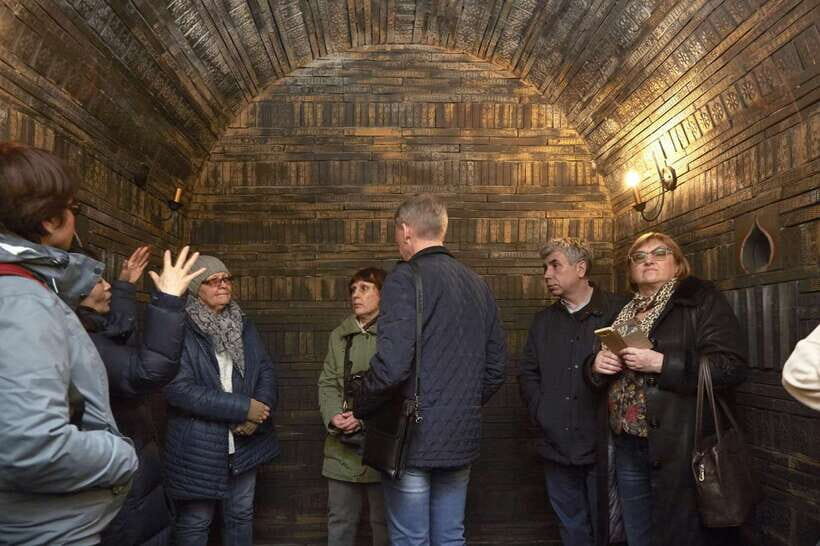
These are the kinds of places where the guide’s framing matters. Even if you’ve read about the dynasty era, a live explanation helps you connect what you’re seeing—tombs, walls, and fortifications—to why they were built where they were.
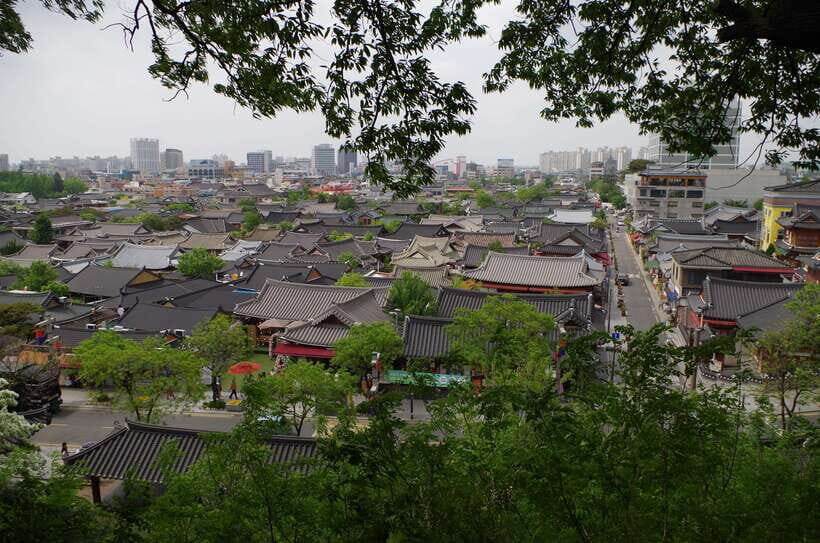
Next you move to Jeonju and check into a hotel close to Jeonju Hanok Village. That location choice matters because it lets you keep the evening simple. Instead of a long commute for dinner or a nighttime stroll, you’re already positioned for the hanok area atmosphere.
Practical note: Day 1 includes multiple driving legs and heritage walks, so start the trip with comfortable shoes and an early mindset.
Day 2: Gwangju memorial seriousness, Suncheon Bay Garden, then Yeosu’s Admiral Yi path
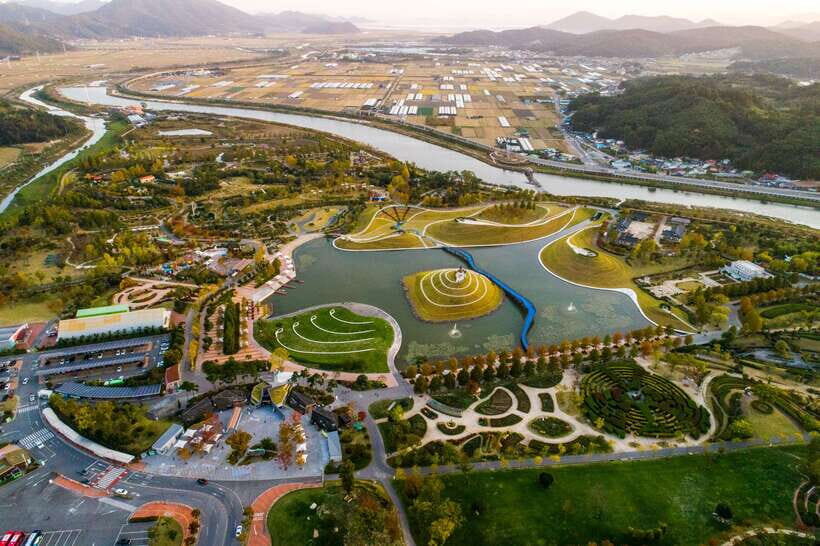
Day 2 is where the tour turns from ancient heritage to modern Korean identity. You transfer to Gwangju, described as the birthplace of Korea’s modern democratic movement, and then you pay respects at the May 18th National Cemetery.
This is one of the most emotionally weighted parts of the route. It’s not a “photo and move on” stop, so build yourself a bit of quiet time into your own schedule. If you’re traveling with family or in a group mood that’s more party than reflection, this day can feel slower, in the best way.
After the memorial, the plan includes:
- Suncheon Bay Garden
- Yeosu and the Historic Site of Admiral Yi Sun-sin’s Path
- Hotel check-in in Yeosu
One important heads-up from the tour feedback patterns: there can be a monthly closure for the Suncheon gardens, and it may not be flagged in advance clearly. If Suncheon Bay Garden is a must for you, I’d treat it like a bonus rather than a guarantee on every date.
By the end of the day, you’re in Yeosu, walking a historic path associated with Admiral Yi Sun-sin. It’s a fitting shift: you move from remembrance to a more narrative historical walk.

Day 3: Jagalchi Fish Market energy, Haeundae Beach views, and a Gyeongju hotel night
Busan arrives on Day 3, and it brings the kind of sensory sightseeing that tours can do well when they plan smartly. Your first major stop is Jagalchi Fish Market, described as Busan’s largest seafood market.
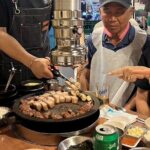
If you like food culture, this is where the trip earns its keep. Market time isn’t just about eating. It’s about seeing daily life and understanding why seafood matters here.
After the market, you get scenic downtime with:
- Haeundae Beach
- Dongbaek Park
This pair is useful because it balances the day. You’ve already done a heavy concentration of history and memorial space. Now you’re reset with sea air and viewpoints, plus walking paths where you can breathe.
Then you move to Gyeongju and check into a hotel. Gyeongju is the next heritage anchor, so having a night there is a smart logistics move: you’re not traveling again immediately after dinner.
Day 4: Seokguram and Bulguksa UNESCO heritage, then Andong Hahoe’s Joseon living village
Day 4 is a UNESCO day with a clear theme: sacred heritage and living architecture.
You start in Gyeongju:
- Seokguram Grotto (UNESCO)
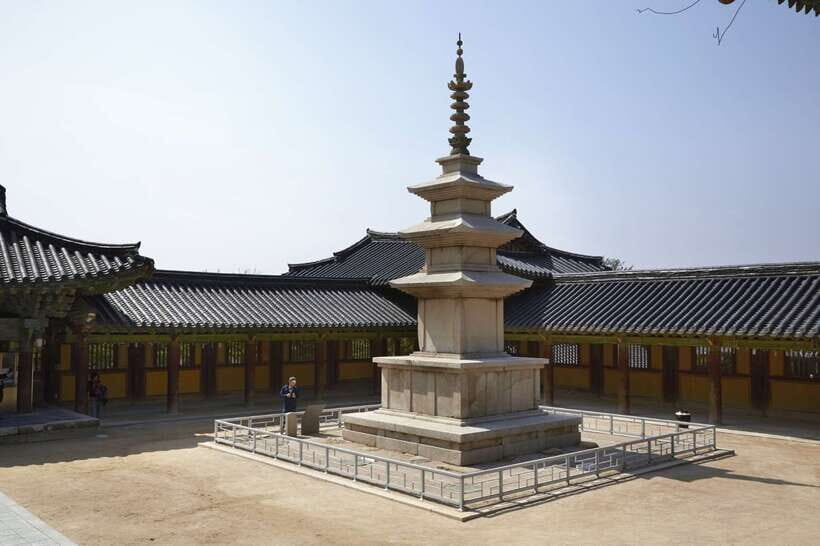
- Bulguksa Temple (UNESCO)
The tour info calls Seokguram a beautiful grotto and Bulguksa a temple heritage stop. Even without extra detail, the structure here matters. You’re visiting both a dramatic stone space and a temple setting, so you see how different religious-era architecture feels in person.
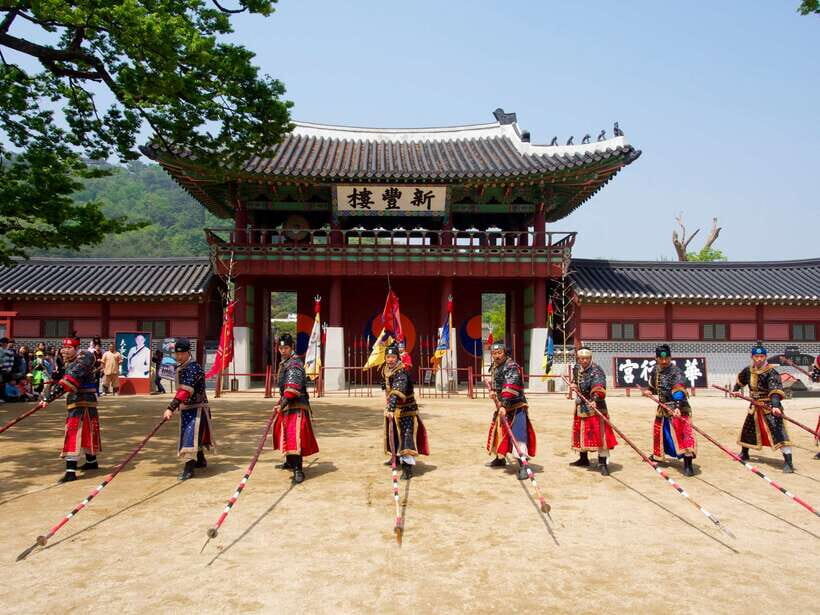
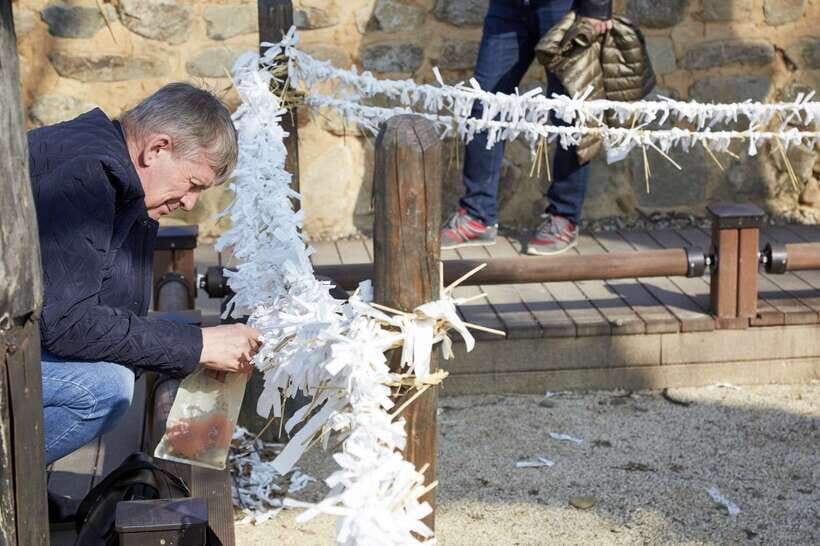
Then you head to Andong Hahoe Folk Village (UNESCO), described as preserved Joseon Dynasty ancient housing and a living museum of Joseon Dynasty architecture and culture. The itinerary notes a connection to Queen Elizabeth II’s visit, which is the kind of detail that signals international recognition of the site’s preservation quality.
This is the kind of stop where you can slow down a little, even inside a group schedule. Living village-style heritage often feels more human than a standalone monument, because the setting suggests how people actually lived.
The day ends in Pyeongchang with hotel check-in. That final move sets you up for the Mt. Seorak visit the next day without backtracking.
Day 5: Mt. Seorak National Park UNESCO Biosphere District and the cable car option
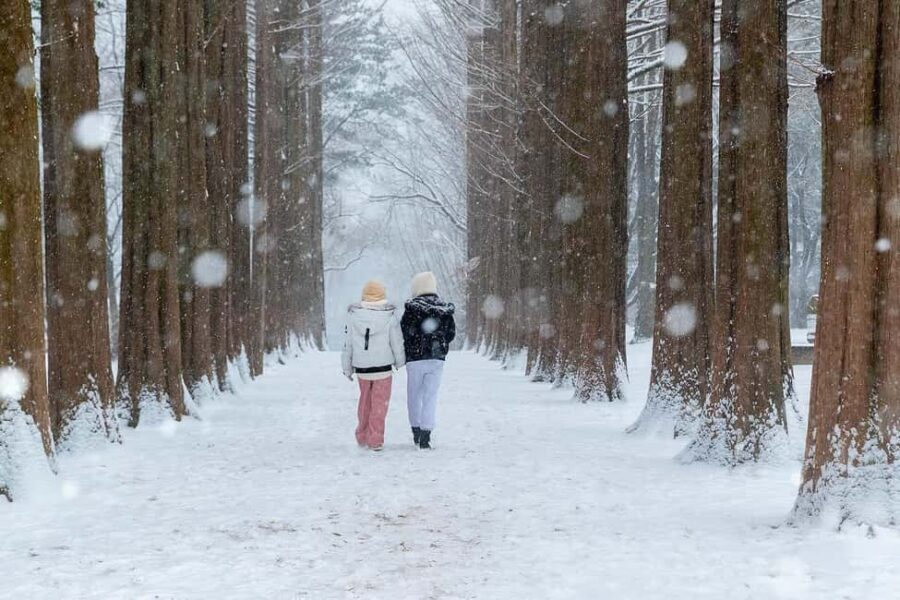
The finale is Mt. Seorak National Park, labeled as Korea’s most famous national park in the tour info and a UNESCO Biosphere Preservation District. The description highlights the visual drama of jade-like water in valleys and peaks breaking through clouds.
If you’re the kind of traveler who saves your big views for the end, this works. It’s a natural closer because you’re leaving behind cities and monuments and entering a high-elevation feel.
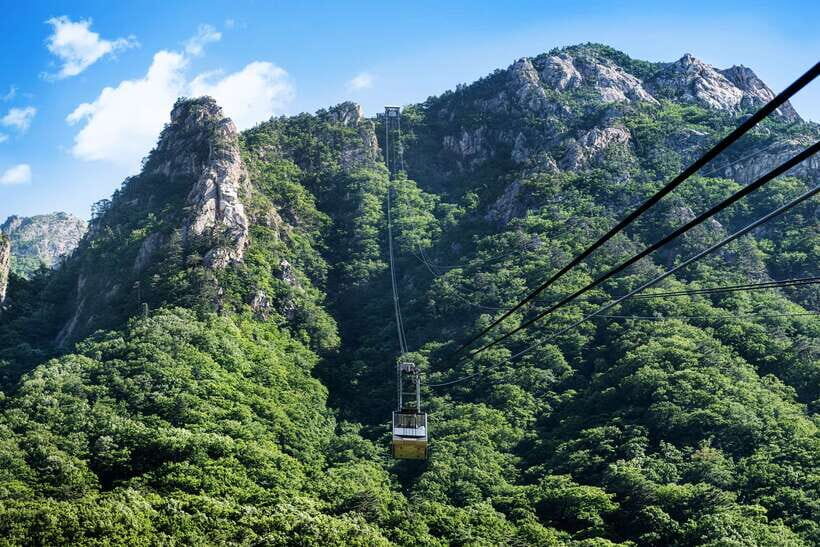
The tour also includes an optional cable car to Gwongeumseong Fortress. The itinerary notes this can pair with a Shinheungsa temple visit in the broader context, but the cable car itself is the key add-on you should consider if the weather is decent.
Important logistics note tied to the tour info: visiting Seoraksan could be restricted in October, and the tour may need to skip it. It also flags that buses can be restricted for entry, requiring a 3.6 km walk from the parking lot. If you’re traveling in October, plan physically for that possibility, and mentally for the possibility of a route change.
The day finishes with a transfer back to Seoul, with the end time listed as 17:00.
Hotels, comfort, and what to watch for in room categories
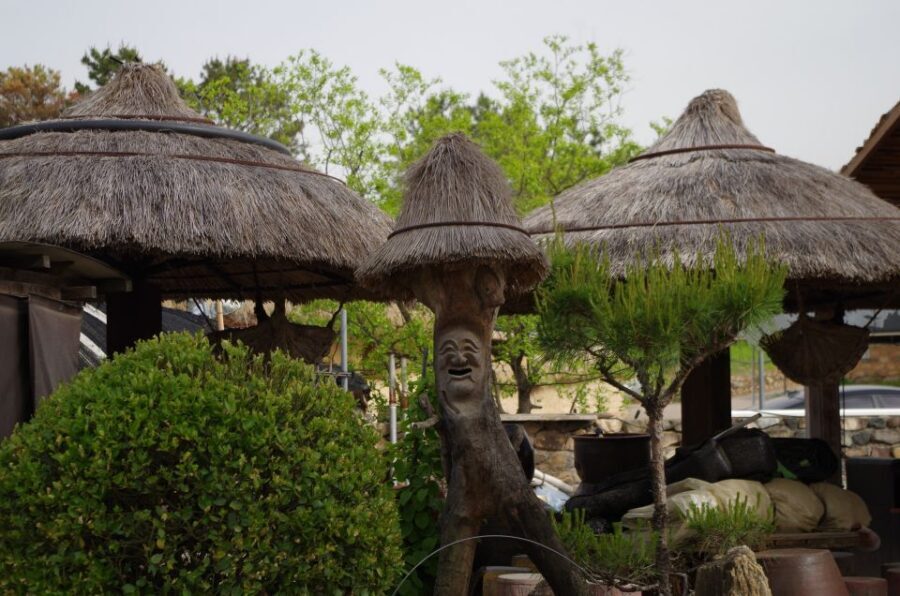
You get 4 nights in hotels: Jeonju, Yeosu, Gyeongju, and Pyeongchang, each listed with a named option or similar. Your included meals cover breakfast only.
What’s good here is that the tour doesn’t just promise a bed. The feedback emphasis points to the hotels being solid and breakfast buffets being a highlight. That matters because when your days are packed, you want breakfast to be genuinely useful, not just coffee and bread.
What to watch for: there can be differences in room category quality. One piece of feedback called out that rooms in the lowest category can end up on an exposed side near a route or parking area, which can affect comfort and sleep. If you’re booking specifically for a calmer room, consider paying attention to room category details when you can.
Also, remember this is twin or triple sharing. That’s usually fine, but it affects how much you can spread out after long travel days.
Guide impact: why names matter on this route
This kind of route lives or dies by the guide. The tour includes an English-speaking guide (and also notes Korean), and the feedback spotlighted two names: Justin and Mr. Kim.
Why that matters for you: on an itinerary with UNESCO stops, memorial sites, market time, and optional cable cars, you need someone who can keep the group moving without turning it into a sprint. When schedules get tight, a good guide also helps you prioritize what to see and how to experience each place with context.
If you want to learn while walking, this is where that guide layer pays off.
Logistics and planning tips so you don’t lose time
A few practical details from the tour info can save you stress:
- Meeting point: Donghwa Duty Free Shop Building at Gwanghwamun Intersection; guide holds a K-shuttle sign. Exit 6 of Metro Gwanghwamun Station.
- Payment readiness: prepare enough KRW before departure because exchanging currency during the trip may be hard.
- Transportation size varies: the vehicle size can change depending on how many customers join.
- Shoes matter: you’re doing repeated walking at heritage sites and likely some longer stretches if Seoraksan entry involves a walk.
Finally, because the schedule is packed, I recommend you bring a small day bag with water and sun protection, then let lunch and dinner be flexible rather than scheduled like a train platform.
Should you book this Korea UNESCO plus coast tour?
Book it if you want a guided, high-value route that balances UNESCO heritage with modern history, food culture, seaside views, and a mountain finish. The mix of stops across Gongju, Jeonju-area, Gwangju, Yeosu, Busan, Gyeongju, Andong, and Mt. Seorak is exactly the kind of itinerary that saves you planning time while still giving you distinct experiences.
Skip or carefully reconsider if you need lots of free time per place, hate walking, or travel in October when Seoraksan may be restricted or skipped. Also consider this: one extra day would help many people slow down and enjoy the best parts without racing.
If you’re the type who likes a structured plan and you can handle a full week of cultural stops, this one’s a strong fit for your first or second visit to Korea.
FAQ
Where does the tour start in Seoul?
You meet your guide at the Donghwa Duty Free Shop Building at Gwanghwamun Intersection. The guide will be holding a K-shuttle sign board, and you can use Exit 6 of Metro Gwanghwamun Station.
What’s included in the $999 price?
The tour includes 4 nights of hotel accommodation (twin or triple sharing), hotel breakfast, an English-speaking guide, entry tickets for selected attractions, and air-conditioned transportation.
What’s not included?
Lunch and dinner are not included, and travel insurance is also not included.
Are pickup and drop-off from Seoul included?
No. Hotel pickup and drop-off from Seoul are not included. The tour includes transfer back to Seoul at the end.
What language is the guide available in?
The guide provides live support in English and Korean.
Do I need to bring anything specific?
You should bring comfortable shoes. The tour info also advises preparing enough KRW before departure.
Will Mt. Seorak be visited in October?
The tour info says Seoraksan could be restricted and may be skipped in October due to bus entry limits. It also notes you may need to walk about 3.6 km from the parking lot if access is restricted.
Is the cable car optional?
Yes. Cable car access to Gwongeumseong Fortress is listed as optional.