REVIEW · SEOUL
Seoul: The War Museum, Jogyesa, and Tapgol Park Tour
Book on GetYourGuide →Operated by I LOVE SEOUL TOUR Co., Ltd. · Bookable on GetYourGuide
Seoul history hits fast, then stays with you. This tour strings together the War Memorial of Korea, a museum of modern Korean history, Jogyesa Temple, and Tapgol Park—an area where real independence history overlaps with a famous TV-game scene.
I especially like two things: the War Memorial’s on-the-ground displays (think tanks and flight-themed exhibits) and the way the stop order keeps you oriented as the stories move from war to daily life, faith, and nation-building. The professional guides often get praised by name too—people mention guides like Dragon, Connie, and Leo for sharing stories that make the facts easier to hold onto.
One consideration: expect a moderate walking itinerary, and it is not set up for wheelchair users. Also, hanbok is not part of this tour, so don’t plan on dressing up for photos.
In This Review
- Key highlights you will feel right away
- War Memorial of Korea: where machines meet meaning
- National Museum of Korean Contemporary History: a timeline you can feel
- Jogyesa Temple: calm, rules, and a chance to reset
- Tapgol Park: the March 1 independence story and Squid Game echoes
- The included lottery: why it feels more than a gimmick
- Afternoon tour vs full-day option: choosing your pace
- Getting value for about $42: what you pay for (and what you don’t)
- Practical tips that make the day easier
- Should you book this War Museum, Jogyesa, and Tapgol Park tour?
- FAQ
- How long is the tour?
- What is included in the price?
- Are meals included?
- Where do I meet for the tour?
- Where does the tour end?
- Is hanbok available during the tour?
- Does the tour run in rain?
- What language is the guide?
- Is this tour suitable for wheelchair users?
Key highlights you will feel right away
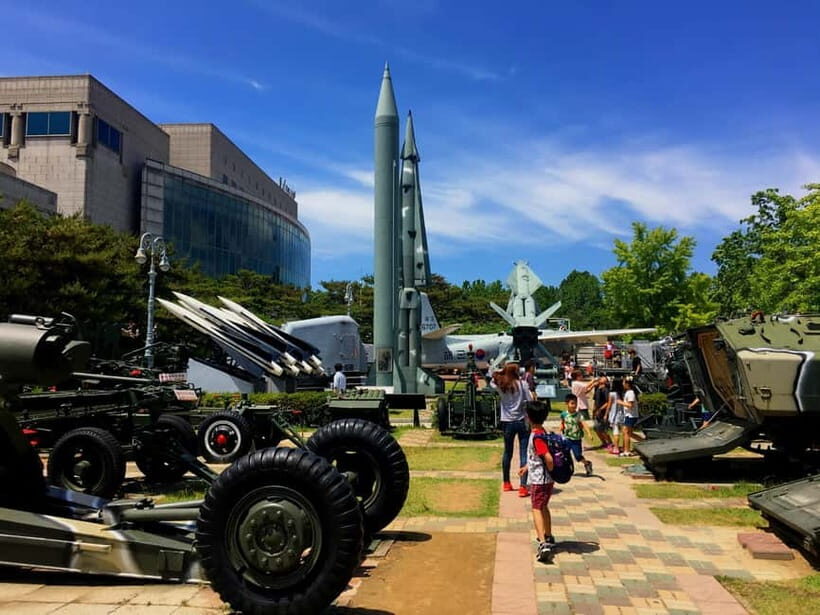
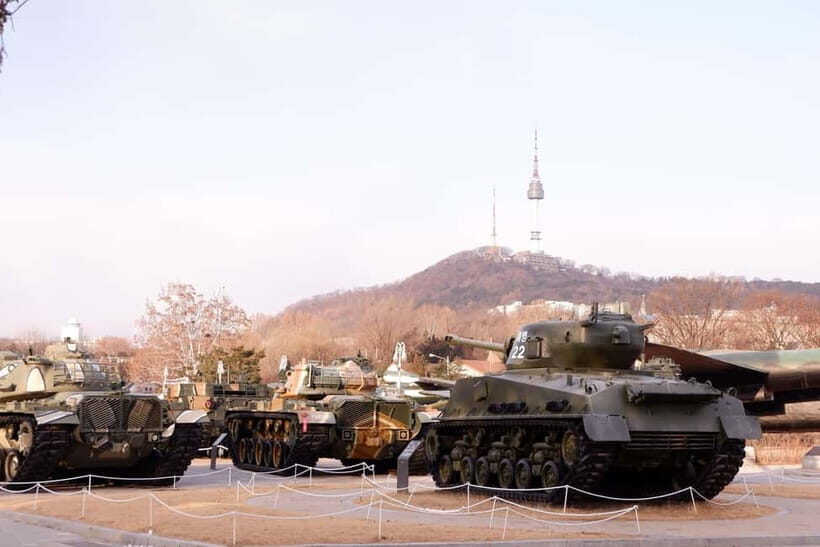
- War Memorial tanks and aircraft-style displays that make history look tangible
- 3rd-floor United Nations Memorial Cemetery views that hit differently than a classroom tour
- Jogyesa Temple as a living Buddhist site, not a museum set
- Tapgol Park’s 1919 independence connection—and the Squid Game lottery moment nearby
- A guided lottery activity that ties pop culture to the place
- Air-conditioned minivan transport to reduce city-stress between stops
War Memorial of Korea: where machines meet meaning
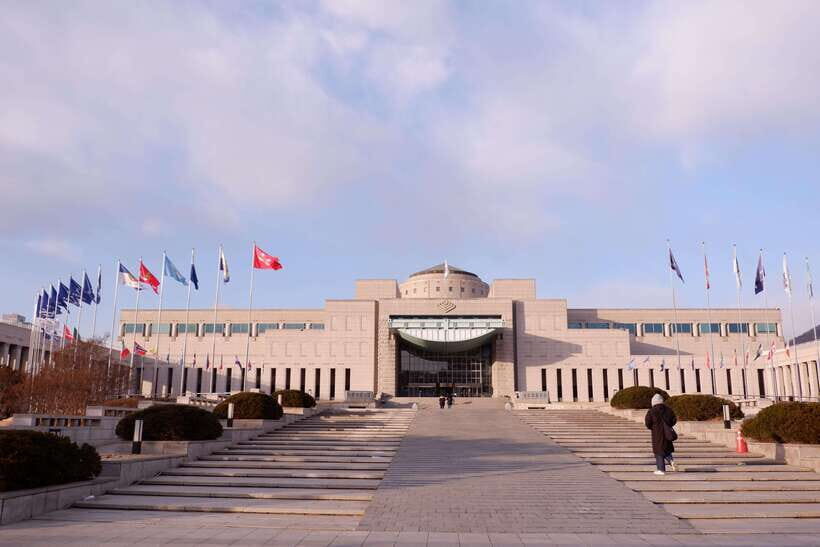
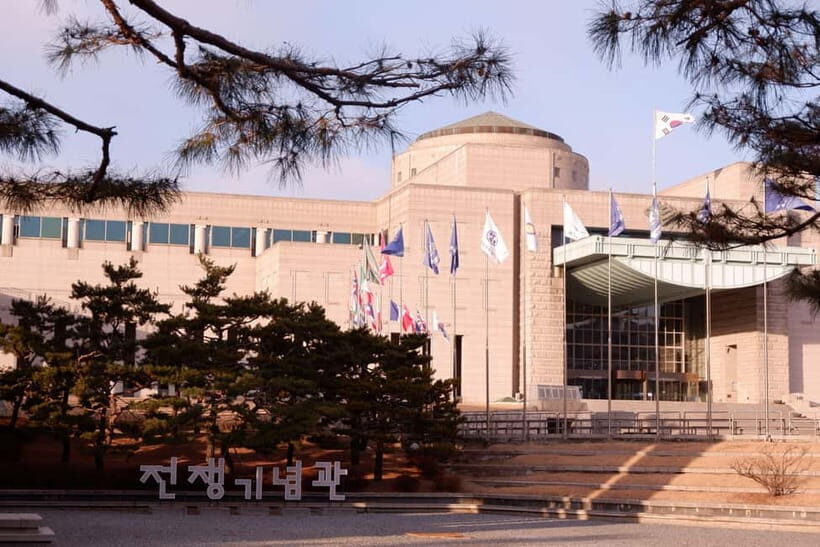
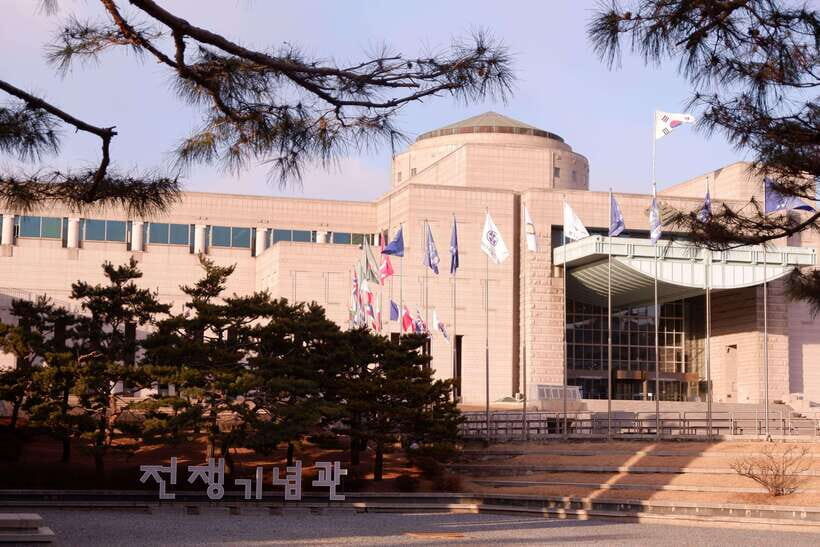
The War Memorial of Korea isn’t built like a single exhibit room. It spreads its story across floors, and for this tour you get a meaningful anchor point on the 3rd floor. That’s where you’ll spend time at the United Nations Memorial Cemetery, designed to keep the human cost of conflict front and center.
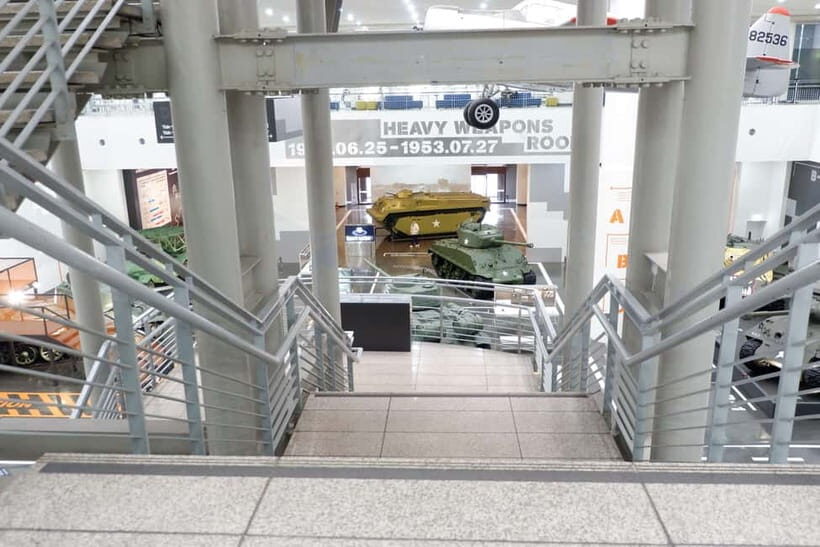
You’ll also see the kind of displays that most history sites just can’t recreate indoors. The standout here is the mix of big-topic visuals—tanks and flight-themed exhibits—so you’re not only reading about war. You’re seeing it, then thinking about what that actually means for peace.
The museum was established in 1994, and the tone is intentional: learn the lessons of the Korean War, and keep the hope for reunification in view. That combination matters for you even if you think you already know the headlines. It turns your visit into a focused walk through consequences, not just dates.
One practical note: this is a museum stop that can feel emotionally heavy. Plan your energy accordingly, and wear shoes that won’t punish you by hour three.
You can also read our reviews of more museum experiences in Seoul
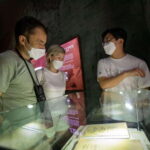

National Museum of Korean Contemporary History: a timeline you can feel
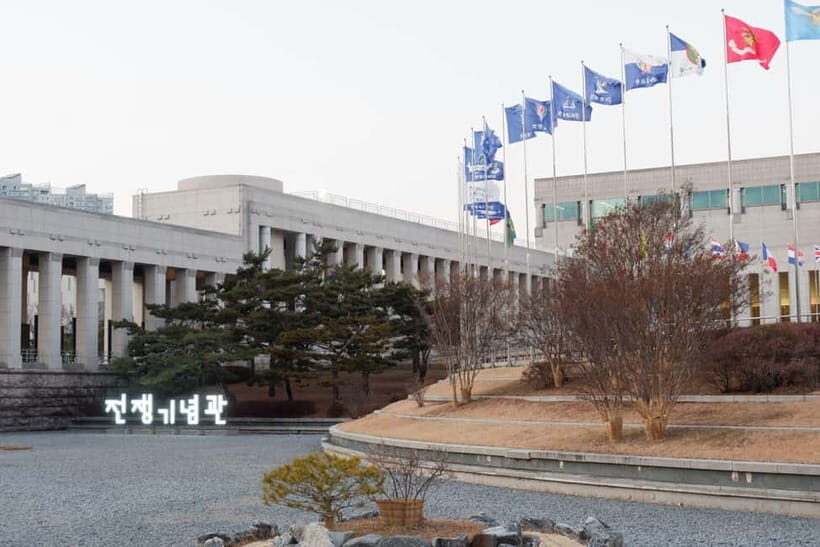
Right after the War Memorial, the tour shifts into modern Korea through the National Museum of Korean Contemporary History. This museum opened on December 26, 2012, and it’s structured around four permanent exhibition halls.
That hall-based layout is helpful when you’re short on time. Instead of getting lost in one long corridor of information, you can follow the arc—from the late 19th century to South Korea’s present. It’s the kind of progression that helps you stop asking, Wait, where does this fit?
For many people, this is the missing puzzle piece. The war-focused exhibits explain one chapter. This museum helps you understand how the rest of Korea’s modern path formed around it—politics, society, and change over time.
The practical upside: this stop gives you context for everything you’ll see later in the tour, including the temple and the independence story tied to Tapgol Park. Even if you’re not a museum person, the structure makes it easier to keep up.
Jogyesa Temple: calm, rules, and a chance to reset
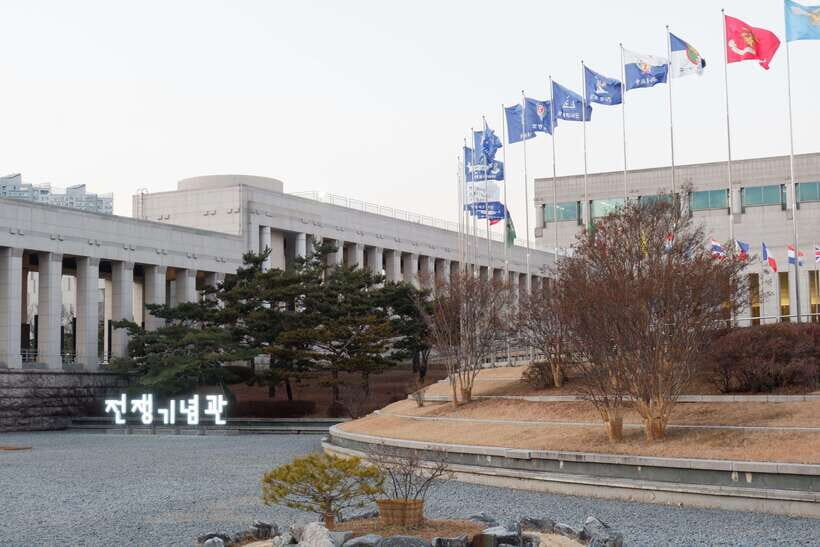
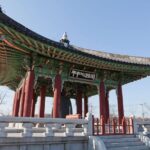
After museums, you get a different kind of Seoul. Jogyesa Temple is the chief temple of the Jogye order, which represents Korean Buddhism. In plain terms, it’s not just a pretty photo stop. It’s a functioning, historic place where Buddhist life and modern history overlap.
You’ll hear how Jogyesa promotes the idea of living together in society and carries a Bodhisattva spirit. That framing helps you watch the atmosphere differently. You stop treating the temple like scenery and start treating it like a social and spiritual space shaped by generations.
One more reason this stop works well on an afternoon schedule: the tour often moves from heavy topics to something quiet and human-paced. Jogyesa has lived through turbulent modern Korean history, so you get perspective without lectures. The contrast is one of the best benefits of this itinerary.
Bring your patience for cultural pacing. Temple time isn’t fast-food sightseeing. It’s meant for observing, reflecting, and letting the city slow down for a bit.
Tapgol Park: the March 1 independence story and Squid Game echoes
Tapgol Park is at the center of Seoul near Insadong, and the history here is specific. In 1919, the March 1 Korean Independence Movement began in this area. That matters because the park isn’t just “old”—it’s tied to a real starting point for organized resistance under Japanese rule.
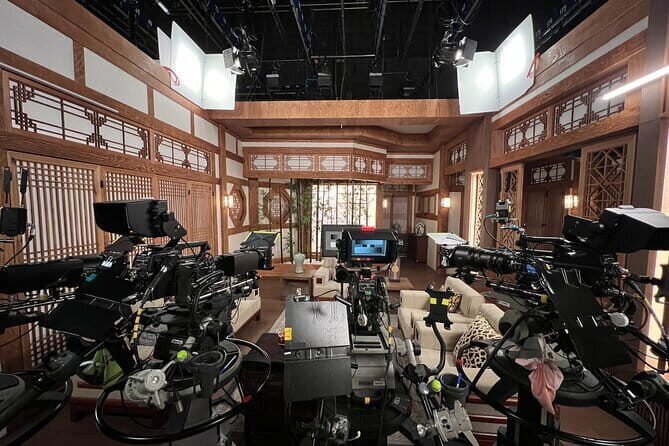
Now add the pop-culture layer. Tapgol Park shows up briefly in Squid Game Season 2, episode 1 in the scene connected to Bread and Lottery. This tour leans into that connection with a lottery activity included in the experience.
Here’s the useful way to think about it: the show references a concept, but the park provides the ground truth of why independence movements mattered. When you do the lottery-style moment, it’s not only about reenacting a TV scene. It’s a prompt to notice how desperation and power show up in real life—and how people respond.
If you’re a fan of the series, you’ll enjoy recognizing the link. If you’re not, you’ll still like Tapgol Park because it’s an accessible place to end the day with meaning, not just movement.
The included lottery: why it feels more than a gimmick
This tour includes a lottery component, and the highlight explicitly connects it to the Squid Game vibe. That’s the hook. But the value is how the tour uses that hook to get you closer to the place.
A lottery moment can turn into a gimmick on some tours—repeatable, forgettable, and disconnected. Here, the setting and the surrounding stops do the heavy lifting. You’ve just visited war and contemporary history, then you’ve arrived at a park tied to the independence movement.
That sequence is smart. It makes the lottery activity act like a bridge, not an isolated game. You’re guided through a playful format while the context is already in your head.
Also, the guides are the difference-maker. Multiple people mention guides being kind, attentive, and good at storytelling and pacing, with examples like Connie’s friendliness and Leo’s helpful photo tips. When the guide keeps the energy respectful and informative, the lottery feels like part of the learning, not the entire product.


Afternoon tour vs full-day option: choosing your pace
This experience can run as a half-day afternoon tour or a longer full-day format, depending on what you select.
Afternoon tour (core highlights): You start at the lobby of the Koreana Hotel office building. Then you visit the War Memorial of Korea (with time on the 3rd floor United Nations Memorial Cemetery), the National Museum of Korean Contemporary History, Jogyesa Temple, and Tapgol Park. You finish with a drop-off at Myeongdong Cathedral.
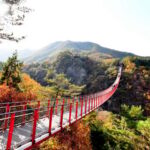
Full-day tour (bigger day): The longer option starts at Myeongdong Station Exit #10, in front of Sejong Hotel. It adds Gyeongbokgung Palace with the Royal Guard Changing Ceremony, then Bukchon Hanok Village. There’s a schedule note: on Sundays, it uses Namsangol Hanok Village instead. After that come Bugak Skyway, a Ginseng Museum stop, and Gwangjang Market for lunch on your own. Then you continue into the same War Memorial, modern history museum, Jogyesa Temple, and Tapgol Park, ending again at Myeongdong Cathedral.
So how should you choose? If you want a focused history-and-calm mix without committing the whole day, pick the afternoon route. If you want more classic Seoul sightseeing baked in (palace and markets), the full-day version gives you that extra structure. Either way, the final stop at Tapgol Park gives the day a thematic payoff.
Getting value for about $42: what you pay for (and what you don’t)
At $42 per person, the big value is that the tour covers entrance fees, a professional English-speaking guide, and transport by air-conditioned minivan. Those three items can quietly add up in Seoul, especially once you start combining major sites in one day.
You’re also getting the included lottery component, which gives the tour one distinctive element beyond a standard “museum + temple + park” loop. If you like tours that do more than point and walk, that included activity helps.
What you should budget separately: food and drinks are not included. For the full-day option, lunch is at Gwangjang Market on your own. On the shorter afternoon option, you’ll still be responsible for your own meals unless your timing lines up with a meal you already planned.
Also, hotel pickup and drop-off are not included. You’ll go from the designated meeting points, then finish with the drop-off at Myeongdong Cathedral. That’s fine, just plan your morning or evening around it.
Practical tips that make the day easier
This tour runs rain or shine, so pack for weather. You can’t count on a free rewrite of your plans if the sky changes.
The walking is moderate. That means you should wear shoes that can handle uneven indoor/outdoor transitions and museum floors without slowing you down.
A couple of items to remember:
- Hanbok is not available, so don’t plan a costume moment.
- Children must be accompanied by an adult, and unaccompanied minors are not allowed.
- The guide is English-speaking, but bring curiosity rather than expecting the tour to answer every question instantly.
If you care about photos, ask the guide to help you with angles while you’re at the spots. Several people mention guides having a strong sense for taking good pictures.
Finally, keep your expectations realistic: four big stops plus a lottery activity is an active itinerary. You’ll get meaning, but you won’t get endless time in every room.
Should you book this War Museum, Jogyesa, and Tapgol Park tour?
I’d book it if you want a Seoul afternoon that connects the dots. This tour does that well. It pairs war history and contemporary Korea context with a temple reset, then ends with Tapgol Park’s independence origin story and the Squid Game lottery link.
It’s also a strong choice if you like guided structure. The stops are meaningful, the route avoids random hopping, and the minivan helps you spend less time commuting. Guides such as Dragon, Connie, and Leo show up in strong feedback, and people highlight patient explanations and good pacing.
Skip it if you need a fully accessible route. It’s not suitable for wheelchair users, and you’ll be doing moderate walking. Also, if you’re hoping for hanbok or costume photos, you’ll leave disappointed.
If you’re ready for history with emotional weight—and you still want a calm, human-feeling finish—this one is a smart use of your time in Seoul.
FAQ
How long is the tour?
The duration can be 4 to 9 hours, depending on the option you book and the starting time available.
What is included in the price?
Entrance fees, a professional guide, transport by air-conditioned minivan, and the lottery activity are included.
Are meals included?
No. Food and drinks are not included. On the full-day option, lunch is at Gwangjang Market and is your own expense.
Where do I meet for the tour?
Meeting point depends on the option. The afternoon tour starts at the lobby of the Koreana Hotel office building. The full-day tour starts at Myeongdong Station Exit #10, in front of Sejong Hotel.
Where does the tour end?
The tour drops you off at Myeongdong Cathedral.
Is hanbok available during the tour?
No. Hanbok is not available.
Does the tour run in rain?
Yes. The tour takes place rain or shine.
What language is the guide?
The live tour guide speaks English.
Is this tour suitable for wheelchair users?
No. It is not suitable for wheelchair users.