REVIEW · SEOUL
Seoul: Royal Palace Morning Tour including Cheongwadae
Book on GetYourGuide →Operated by I LOVE SEOUL TOUR Co., Ltd. · Bookable on GetYourGuide
Blue House mornings feel like a movie set. This morning tour gives you smart access to Cheongwadae and then shifts to the order and beauty of Gyeongbokgung Palace, with the rare bonus of the royal guard changing ceremony. I love how the guide helps you see what matters (not just where to stand), especially for photos. You also get a practical break in the day with a ginseng visit before you’re dropped near Myeongdong or Namdaemun.
One thing to plan for: it’s rain or shine, with moderate walking and time outdoors around the ceremony. If you want crisp photos, bring a camera and expect to adjust your spot with the crowd as the guards move.
In This Review
- Key highlights at a glance
- Meeting point and the morning rhythm (Lotte Hotel Seoul start)
- Cheongwadae (Blue House): what you’ll actually see and why it matters
- Royal guard changing ceremony: how to set up for the best photos
- Gyeongbokgung Palace: Joseon’s main stage, built for sovereignty
- Tuesday swap: Gyeongbokgung replaced with Deoksugung
- Cheongha Korea Ginseng: a tradition stop with a modern science angle
- Transport, timing, and what you should bring
- Price and value: is $175 per person worth it?
- Who this tour is for (and who should pass)
- Should you book this Cheongwadae and Royal Palace morning tour?
- FAQ
- How long is the tour?
- Where do I meet the guide?
- What sights are included in the tour?
- Does the itinerary change on Tuesdays?
- What should I bring?
- Is pickup and drop-off included?
Key highlights at a glance
- Cheongwadae photo moment: souvenir shots in front of the Blue House complex
- Actual Blue House area: see parts of the executive office and official residence grounds
- Royal guard changing ceremony: a rare, ceremonial stop with photo tips
- Joseon power center: Gyeongbokgung Palace, the largest of the five grand Joseon palaces
- Tuesday swap: Gyeongbokgung replaced with Deoksugung on Tuesdays
- Cheongha Korea Ginseng: a focused stop tied to Korean ginseng traditions
Meeting point and the morning rhythm (Lotte Hotel Seoul start)
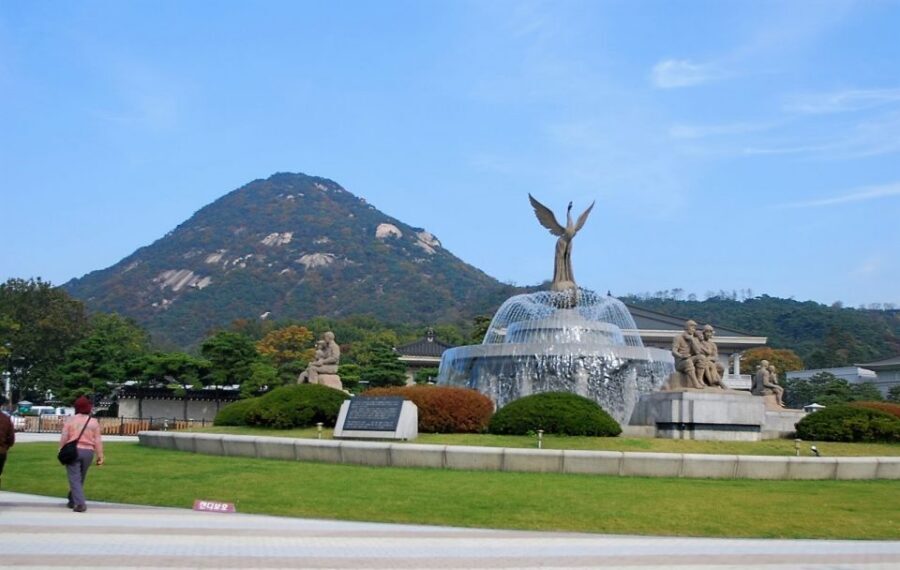
This is a short, concentrated 3.5-hour tour, designed for a clean morning flow. You’ll meet your guide at the Lotte Hotel Seoul area, and you’ll end around noon with drop-off at Myeongdong Lotte Hotel or Namdaemun market. That timing matters in Seoul: if you do this early, you still have plenty of daylight for markets, cafés, and palace-side wandering later.
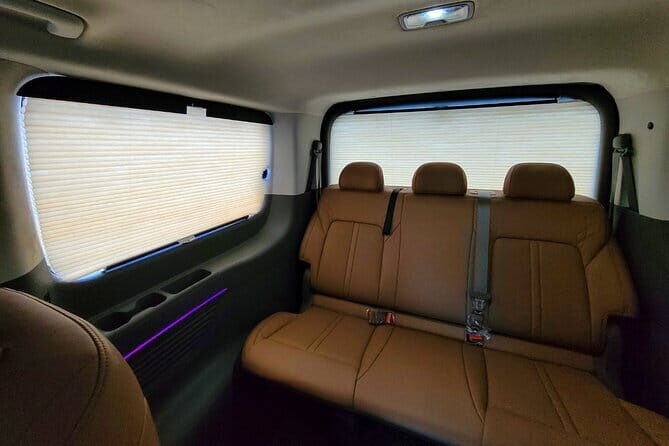
You’ll ride in an air-conditioned minivan. The small-group setup keeps things smoother at entrances, and it also helps with pacing—especially around the guard ceremony, where you want to hear the guide’s instructions and not just follow random foot traffic. If you’ve ever been on a tour where everyone is sprinting and nobody knows why, you’ll appreciate how this one is set up to keep you moving with purpose.
The tour includes a professional guide and a local guide, both in English. That’s a big deal for this kind of day. Palaces and state buildings can look impressive but confusing—names, functions, and historical context help your eyes catch what your brain otherwise would miss.
A few more Seoul tours and experiences worth a look
Cheongwadae (Blue House): what you’ll actually see and why it matters
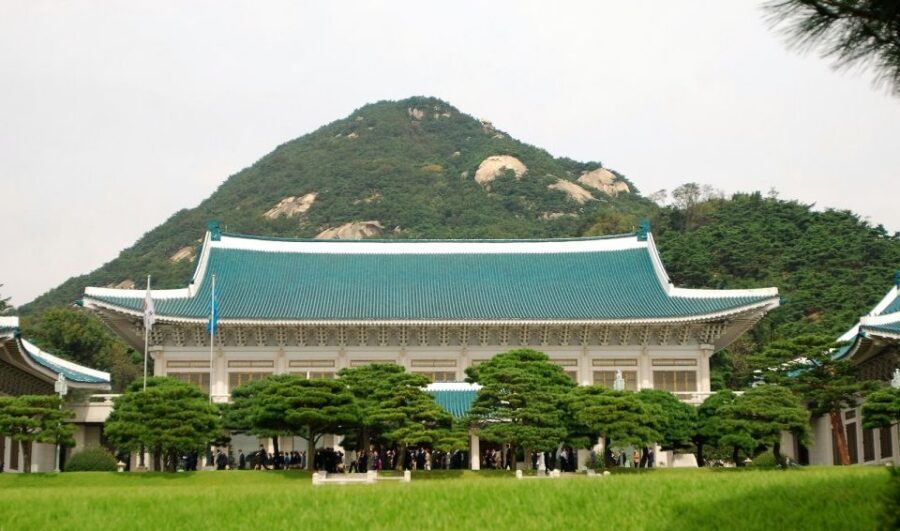
The morning’s first big draw is Cheongwadae, the Blue House. In day-to-day terms, it’s the executive office and official residence of South Korea’s President. In design terms, it’s also a complex of buildings, built mostly in traditional Korean architecture with some modern elements layered in.
I like that the tour doesn’t treat Cheongwadae like a generic photo stop. You’ll do two useful things:
- See parts of the Blue House grounds and buildings (the tour description highlights the executive office and official residence areas)
- Take a souvenir photo in front of the Blue House complex, so you get a real memory shot without turning the whole morning into a line-standing contest
Why this is valuable: you’re not just looking at a famous landmark. You’re seeing how modern state power sits alongside traditional form. That contrast is part of what makes Seoul feel like Seoul.
Practical note: bring your passport. This kind of site visit is one of those places where paperwork matters, and you don’t want your day to stall because you forgot the one document that usually solves everything.
Royal guard changing ceremony: how to set up for the best photos
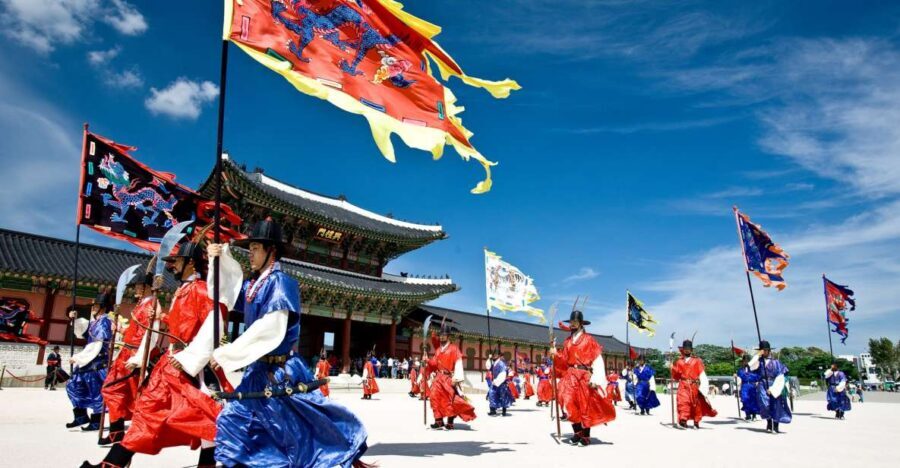
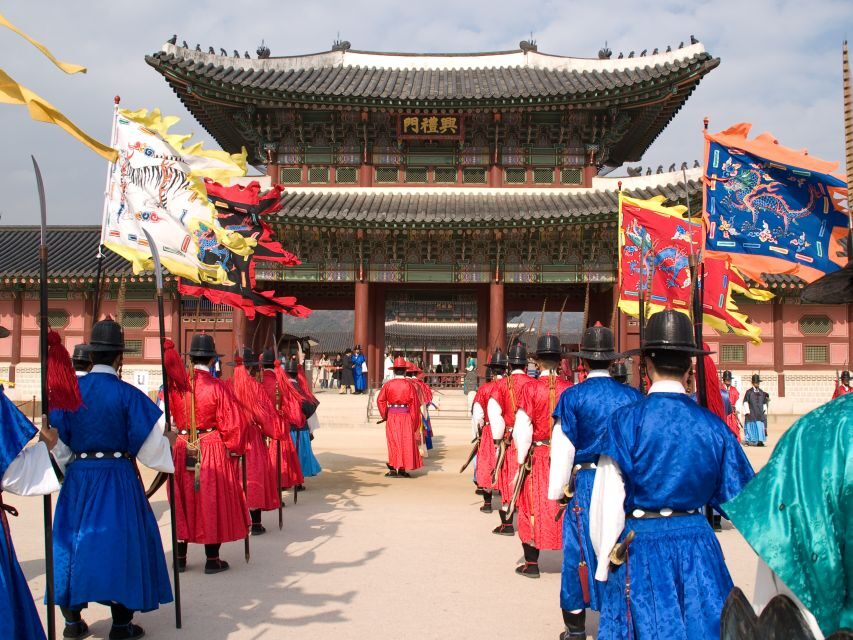
Next comes one of the most “wait, that’s really happening” moments in the city: the royal guard changing ceremony. You’ll watch a rare traditional scene, and yes—bring your camera. The guide’s help here is the difference between okay photos and shots you’ll actually want to keep.
Here’s what you should think about before you arrive:
- The ceremony is short, so you want to be ready before it starts
- The guards move with purpose, so you’ll need quick adjustments, not slow sightseeing posing
- Weather affects comfort, and your patience will decide how much you enjoy the waiting
What I really like is that the guide is there specifically to help with photo timing. The tour description and past guest feedback point to photo tips for the guards, including where to position yourself so you can capture the moment without blocking other people or missing the main action.
One more thing: this ceremony happens at Gyeongbokgung Palace, but the palace swap rule kicks in on Tuesdays (more on that next). If you’re planning around a specific weekday, check it early so you don’t arrive expecting the wrong palace gates.
Gyeongbokgung Palace: Joseon’s main stage, built for sovereignty
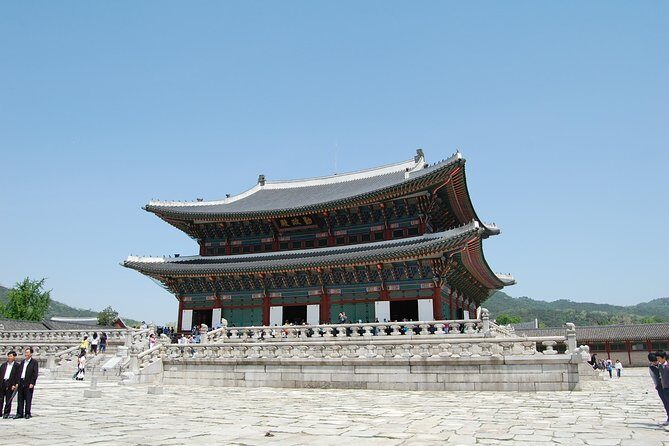
After the ceremony, you move into Gyeongbokgung Palace, the largest of the five grand palaces built by the Joseon dynasty. This palace wasn’t just a scenic backdrop—it was the heart of the capital city’s government ministry district and a physical statement of Joseon sovereignty.
I like how the tour sets you up to see architecture as more than decoration. The palace’s main buildings follow old principles where the design of royal space communicates order and authority. The description also notes that architectural principles from ancient China were harmoniously incorporated into Joseon tradition. That blend shows up in the way the complex is structured and how the buildings relate to one another.
What to expect on-site: you’ll have time to observe key palace areas and take in the scale. There’s moderate walking during the tour overall, so comfortable shoes really pay off. This isn’t a hop-on, hop-off situation. If you’re coming from a humid morning, you’ll want shoes that won’t punish you by noon.
A quick reality check: palace sites are outdoors and open to the elements. If the weather turns, you’ll still have the chance to see the palace, but your comfort will depend on your layers and footwear.
Tuesday swap: Gyeongbokgung replaced with Deoksugung
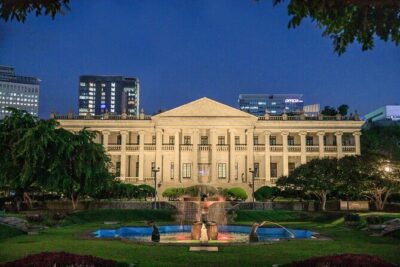
One of the most important details is the weekly schedule. Gyeongbokgung Palace is closed on Tuesday, so on Tuesdays the ceremony and palace visit switch to Deoksugung Palace.
If you’re the type who plans by calendar, this matters more than it sounds. Deoksugung is still a royal palace experience, but it changes the whole setting—what you see, where you take photos, and how the morning feels. The tour is transparent about this substitution, so you can plan your expectations around the day you book.
If your ideal trip is Gyeongbokgung specifically, try to pick a non-Tuesday departure. If you’re flexible, the swap keeps the tour meaningful—there’s still a palace visit and the ceremony component still happens, just in a different location.
Cheongha Korea Ginseng: a tradition stop with a modern science angle
Before you head to your afternoon plans, the tour includes a stop at Cheongha Korea Ginseng. This is not presented as a random shopping detour; it’s framed as a knowledge stop. Korean ginseng is described as a plant with long historical mention in East Asian texts, including its early mention in the Han dynasty China era in a work called Ji Jiu Zhang.
What you might take away from this visit is the bridge between tradition and modern study. The information provided points to adaptogenic properties in research on Korean ginseng—basically, the idea that it helps the body handle stressors more effectively.
How to approach this stop:
- Treat it as a short cultural and science primer
- Expect it to be more informative than leisurely
- If you’re sensitive to strong smells or want to move quickly, don’t linger too long—this stop is meant to fit into the morning schedule
It’s also a useful reset. Palaces can be visually intense. A ginseng stop is calmer and more focused on products and explanations, so it’s a good transition before you’re dropped near Namdaemun or Myeongdong.
Transport, timing, and what you should bring
The tour runs about 3.5 hours. Drop-off is at 12:00 at either Myeongdong Lotte Hotel or Namdaemun market. That early finish is great if you want to keep your afternoon open for neighborhoods, street food, or another museum.
Transport is included by air-conditioned minivan, and the whole day is designed to reduce the Seoul navigation stress. You won’t be solving subway transfers mid-morning.
What to bring from a practical standpoint:
- Passport (required per the tour guidance)
- Comfortable walking shoes (there’s moderate walking)
- A camera (you’ll want it for the guard ceremony and Cheongwadae photo moment)
- A light layer for rain or sudden temperature shifts, because the tour runs rain or shine
Also note a small rule: smoking isn’t allowed in the vehicle. Not a big deal, but it’s worth knowing so nobody gets surprised.
If you have a hotel that’s not centrally located, pickup details change. The tour says hotel pick-up is available only for centrally-located Seoul hotels; otherwise, the guide meets you at the nearest central hotel or subway station. So check where your lodging sits on the map before assuming you’ll be picked up at your exact address.
Price and value: is $175 per person worth it?
At $175 per person, this tour sits in the mid-to-higher category for Seoul morning experiences. Here’s why the price can make sense.
You’re paying for:
- Admission tickets
- A professional guide plus a local guide
- Air-conditioned minivan transport
- A structured visit that bundles Cheongwadae access, a major palace, the changing ceremony, and a ginseng stop
What you’re avoiding with that price: time wasted figuring out routes, entrance timing, and the best place to stand during the ceremony. In Seoul, those small frictions stack up quickly. When a guide helps with photo positioning for the guards, that’s not a luxury—it saves you from missing the moment you came for.
The cost also reflects the specific draw of Cheongwadae. Not every tour gets you that combination of state-building access plus palace focus in a tight timeframe.
The one cost caveat: food and drinks aren’t included. So if you’re hungry right after the tour, plan a quick meal stop nearby (Myeongdong is perfect for that). Also, because you end around noon, you’ll likely want lunch on your own anyway.
If you’re a solo traveler without a strong plan for guard ceremony logistics, this kind of guided morning can be good value. If you’re on a strict budget, you can still build a similar day using transit—but you’ll trade convenience and guidance for money saved.
Who this tour is for (and who should pass)
This tour is a great match if you want an organized morning that covers three big buckets:
- Cheongwadae and its formal state identity
- The royal guard changing ceremony
- A major Joseon palace setting with Gyeongbokgung (or Deoksugung on Tuesday)
You’ll likely enjoy it most if you:
- Want English guidance and context, not just sightseeing
- Care about photo results at the guard ceremony
- Prefer a small-group pace through high-demand sites
I’d think twice if you:
- Hate moderate walking
- Need fully accessible routes for a wheelchair (the tour is not suitable for wheelchair users)
- Are hoping for a long, leisurely palace day (this is a focused morning run)
Should you book this Cheongwadae and Royal Palace morning tour?
If you want a smart, time-efficient way to see Cheongwadae, catch the guard changing ceremony, and visit a major Joseon palace, I’d book it—especially if you’re planning your trip around weekdays and want the guide to handle the hard parts like photo positioning and site flow.
Book with a clear expectation: it’s a short morning, not an all-day palace festival. Bring your passport, wear comfortable shoes, and plan to grab lunch after you’re dropped near Myeongdong or Namdaemun. If that fits your style, this is the kind of Seoul morning you’ll remember long after the photos fade.
FAQ
How long is the tour?
The tour lasts about 3.5 hours.
Where do I meet the guide?
You meet your guide at the Lotte Hotel Seoul area. If your hotel is not centrally located, the guide meets you at the nearest central hotel or subway station.
What sights are included in the tour?
You’ll visit Cheongwadae (Blue House), then the royal guard changing ceremony at the palace (Gyeongbokgung, or Deoksugung on Tuesdays), and then Gyeongbokgung Palace (or Deoksugung Palace on Tuesdays). The tour also includes a stop at Cheongha Korea Ginseng.
Does the itinerary change on Tuesdays?
Yes. Gyeongbokgung Palace is closed on Tuesdays, so the tour replaces it with Deoksugung Palace (including the guard changing ceremony there).
What should I bring?
Bring your passport and a camera for the guard ceremony. Comfortable walking shoes are also recommended.
Is pickup and drop-off included?
Pickup is included only for centrally-located Seoul hotels; otherwise, you meet at a nearby central hotel or subway station. The tour ends with drop-off at Myeongdong Lotte Hotel or Namdaemun market.