REVIEW · SEOUL
Seoul: Gwangjang Market Netflix Food Tour
Book on GetYourGuide →Operated by S.A. Seoul · Bookable on GetYourGuide
Street food meets Seoul history fast. I like the way this walk strings together Insadong art alleys and the Gwangjang Market food tastings in about three hours. You get more than snacks—you get a clear sense of how old Seoul spaces shape what you eat today.
The best part for me is the human touch. Guides such as Sam, Charlie, Peter Park, Alan, and Sally are repeatedly praised for mixing live guidance with smart, practical food decisions in English or Korean. They keep the pace friendly, and even when weather turns sour, the tour energy stays steady.
One thing to plan for: this is not a full meal plan. The tour gives several tastings, but the biggest portions tend to show up near the end, so I don’t recommend skipping lunch or dinner beforehand—come with some room in your stomach.
In This Review
- Key points to know before you go
- Why this Gwangjang Market walk feels like more than food
- Anguk Station to Insadong Culture Avenue: easy to find, easy to start
- Insa-dong: where the guide turns streets into stories
- Ikseon-dong hanok lanes: old Seoul ambiance with modern comforts
- Gwangjang Market: where tastings start to feel like a finale
- What you actually taste (and why the order matters)
- Price and value: $64 for guide time plus real tastings
- Group size, guide style, and how the tour stays fun
- Practical tips so you enjoy the walk (not just survive it)
- Who this tour suits best
- Should you book this Seoul street food tour?
- FAQ
- What is the duration of the Gwangjang Market Netflix Food Tour in Seoul?
- Where does the tour start and where does it end?
- How much does the tour cost?
- What is included in the tour price?
- Does the tour include a full meal?
- What languages are available for the live guide?
- Can I cancel for a refund if plans change?
Key points to know before you go
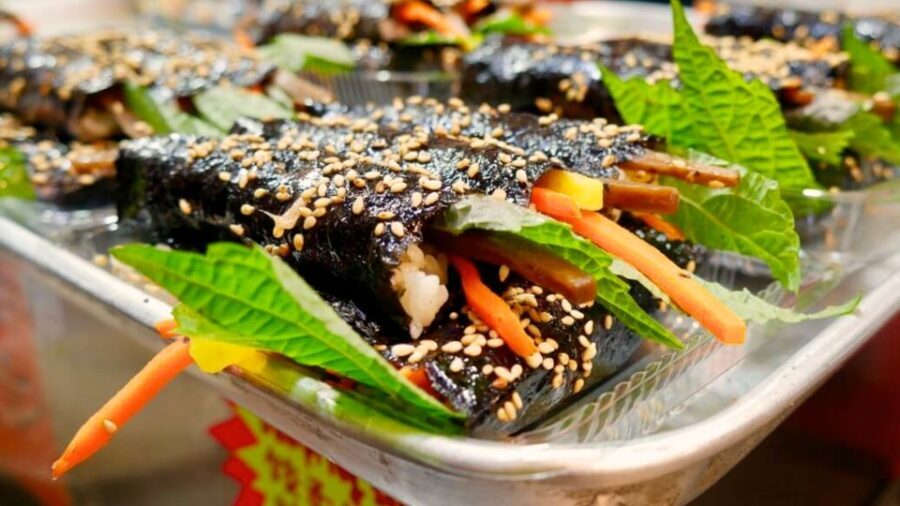
- 3–5 street food tastings included, depending on the option you book
- Starts at Anguk Station (Exit 6, Line 3) and ends at Gwangjang Market
- Insadong + Ikseon-dong are built into the walk, so you see more than just the market
- Hanok streets in Ikseon-dong help you feel the old Seoul atmosphere between food stops
- Guides like Sam, Charlie, Peter Park, Alan, and Sally are known for pairing history with good food judgment
- Heavier food portions come later, so eat something light before the tour
Why this Gwangjang Market walk feels like more than food
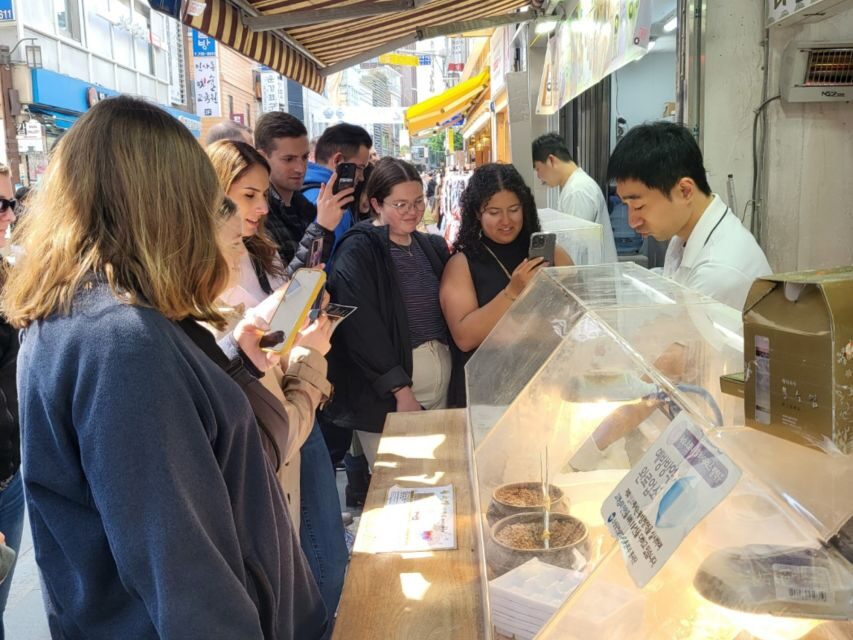
A Seoul street food tour can go two ways: you sample stuff, or you understand it. This one aims for understanding. You walk through old-school neighborhoods where craft shops, hanok homes, and market culture sit side by side with modern life. That context matters because Korean street food isn’t just about taste—it’s tied to where people gather and how everyday meals are built.
I also like the timing. Three hours is long enough to get into a rhythm, but short enough that you don’t feel trapped in one long shopping-and-snacking loop. Start in one historic area, cross into a quieter hanok lane, and finish at the market where the food pressure is highest. It’s a good flow if it’s your first day in central Seoul or you want a focused “see-and-eat” hit.
You can also read our reviews of more food & drink experiences in Seoul
Anguk Station to Insadong Culture Avenue: easy to find, easy to start
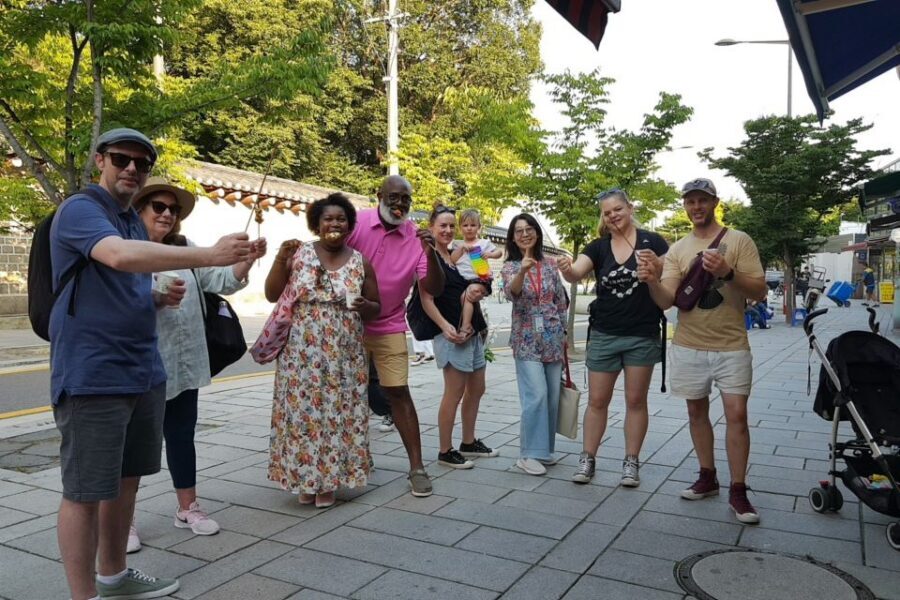
Your meeting point is in front of Exit 6 of Anguk Station on Subway Line 3. That’s a big deal. Seoul’s metro web can be confusing when you’re tired, but landing at a clearly marked exit keeps stress low.
From there, you’ll move into Insa-dong Culture Avenue, which is known for traditional arts and craft culture. Expect streets with art galleries, antique shops, and artisanal boutiques. The tour guide’s job here is to help you read the neighborhood. You’re not just wandering—you’re learning what this area became over time, including how it shifted from a historical arts hub into a more modern shopping-and-strolling district where old and new live together.
What I’d do in your shoes: keep an eye on signage and storefront displays as you walk. Your guide will connect what you see to the cultural meaning behind the area. Even if you don’t shop, you’ll start to recognize the types of goods that fit the neighborhood.
Insa-dong: where the guide turns streets into stories
Insa-dong can feel like a simple stroll at first. Then the guide explains what to notice, and it clicks. You’ll hear how the district evolved—how it developed a reputation for arts and antiques, and how today’s vibe still reflects older patterns of Korean cultural life.
This part of the tour works well for two reasons:
- You build context before you eat. Once you’re in the market later, the food feels less random.
- You get a slower pace. It’s not constant “walk fast, eat fast.” It’s more like: look around, understand, then move.
There’s also a practical benefit. If you’re brand-new to Seoul, Insa-dong is a strong orientation point. You’ll see traditional-looking streetscapes and modern storefronts side by side, which helps you calibrate what different neighborhoods feel like.
Ikseon-dong hanok lanes: old Seoul ambiance with modern comforts
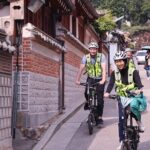
Next comes Ikseon-dong village, where you’ll find historic hanok buildings and the kind of narrow alleyways that make Seoul feel like a layered city instead of just a skyline. The tour route is designed to give you that in-between feeling: traditional architecture is right there, but trendy cafes and everyday modern life are also woven into the streets.
This stop is worth it even if you’re not a “photo every second” person. Why? Because it changes the texture of the tour. After the art and antiques vibe of Insa-dong, the hanok lanes slow your steps. You move through narrower passages lined with traditional houses and then pop back out into small pockets of contemporary activity.
A useful way to experience this part: walk quietly for a few minutes. Let the space do the work. You’ll get a stronger sense of what preserved architecture looks like at street level, not just from a postcard viewpoint.
Gwangjang Market: where tastings start to feel like a finale
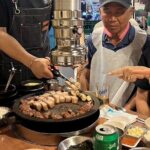
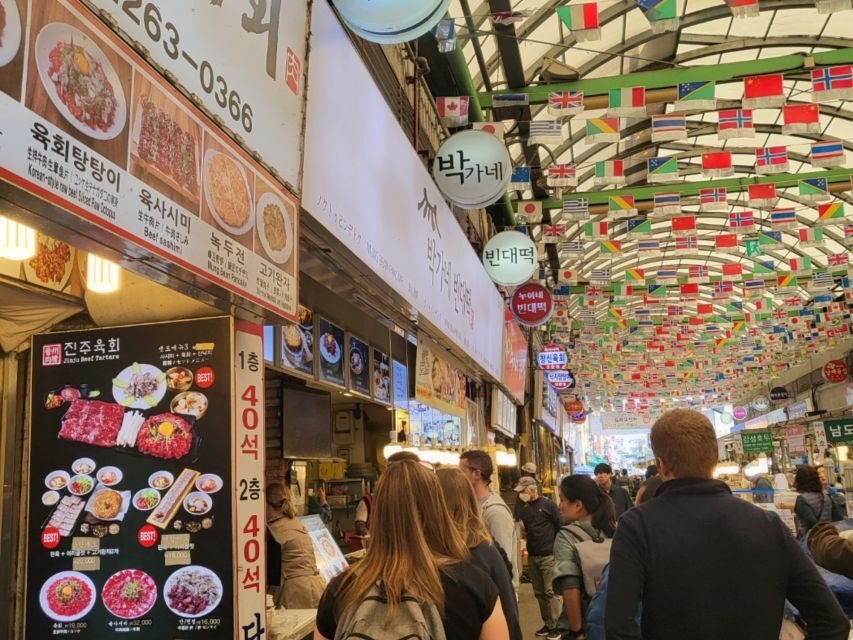
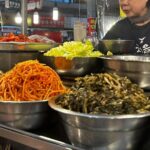
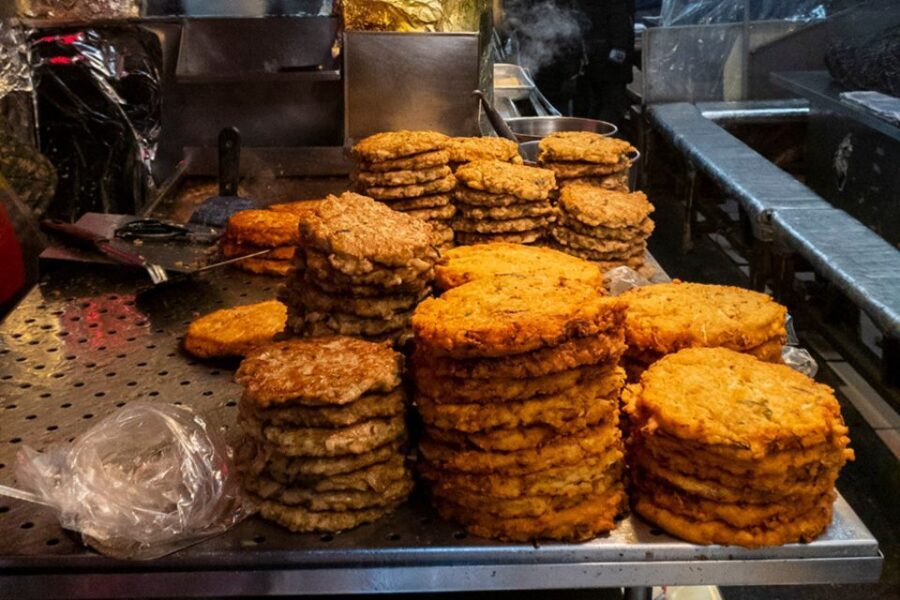
The finish line is Gwangjang Market, and it’s where the tour turns into full-on food focus. This marketplace has history stretching back to the early 1900s, and it shows. You’ll see lots of local specialties, plus market goods like textiles and handmade items—so it’s not only about eating.
When you reach the stalls, the “culture” part of the tour becomes practical. Instead of vague food talk, the guide helps you understand what you’re eating and how to make smart choices. That’s a common praise point from past tour-goers: guides are careful not to steer you wrong on what to pick.
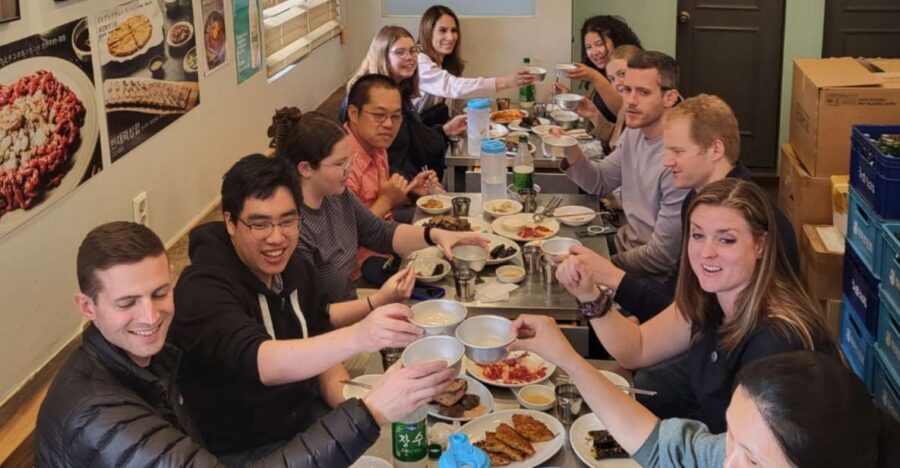
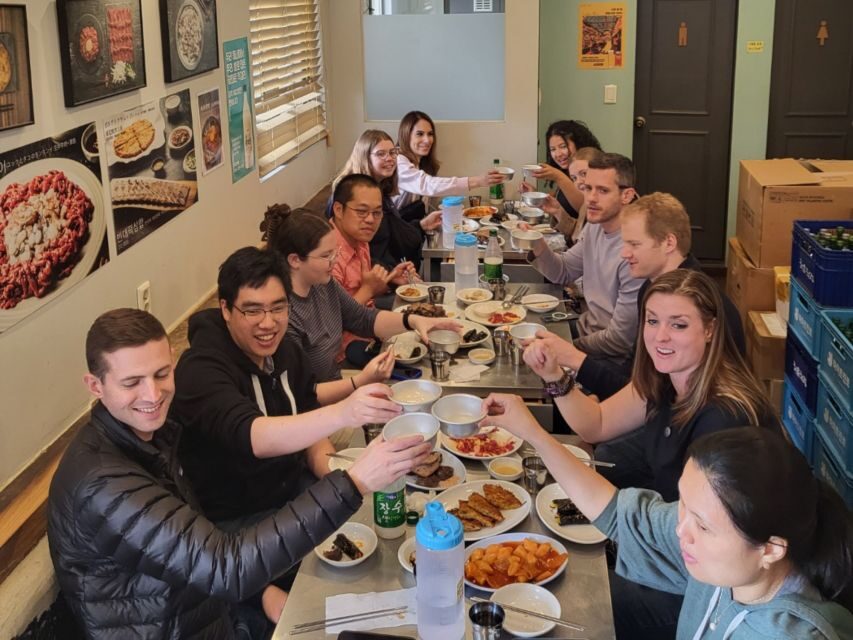
Also pay attention to the tour’s pacing here. The tour does not pretend to be a full meal. You’ll get multiple tastings, but the biggest portions tend to arrive later in the experience. One reason I like that design: you get to sample widely without feeling like you have to commit to one huge dish early.
A few more Seoul tours and experiences worth a look
What you actually taste (and why the order matters)
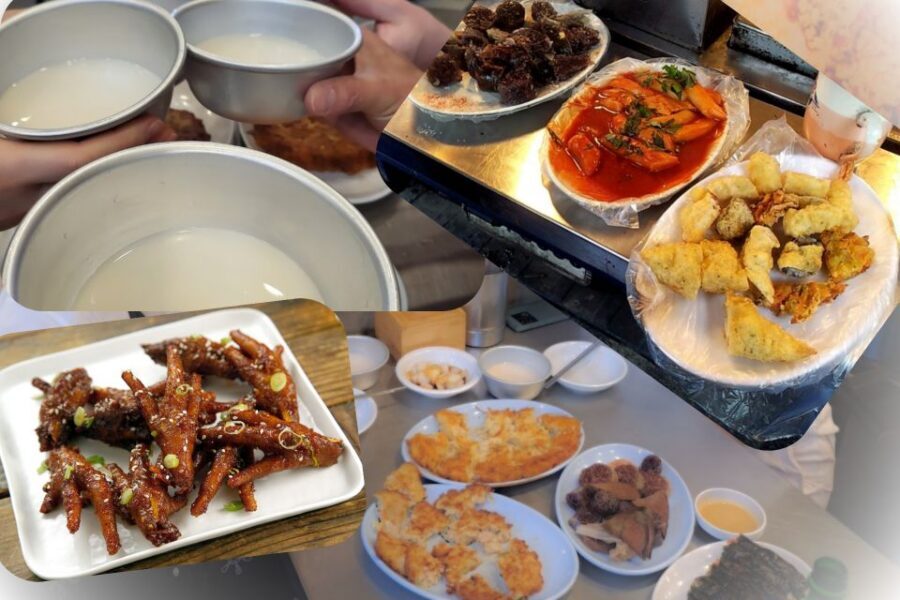
You’ll receive 3–5 kinds of street food tasting, with the exact lineup depending on the option you choose. The tour is set up so you’re trying a range instead of repeating the same thing again and again.
Here’s how to think about the tasting strategy:
- Early tastings help you learn the flavors. You get a baseline for Korean street food textures and seasoning styles.
- Late tastings deliver more satisfaction. Since the greatest portions show up near the end, you get a payoff instead of a slow fade.
In at least one guide experience, the late bite called out as a highlight was octopus. Not every group will necessarily get the exact same items, but the broader lesson is the same: save your appetite for the final portion of the tasting sequence.
One more practical point: because it’s not a full meal, you should treat this as a “food sampling and walking intro,” not as dinner replacement. If you’re the kind of eater who gets lightheaded when you’re hungry (no shame), eat something beforehand so the end feels fun instead of frantic.
Price and value: $64 for guide time plus real tastings
At $64 per person for a 3-hour walking tour, the value depends on what you want from your day.
Here’s what you’re paying for:
- a live guide (English or Korean)
- entrance fees
- 3–5 street food tastings
That’s a lot of “done-for-you” value. You’re not trying to figure out where to go, what to order, or how to order confidently while your Korean skills are still warming up. For many people, that’s the real bargain: the guide’s decisions reduce the guesswork, and the included tastings keep the cost from creeping upward.
The tradeoff is also clear: it’s not a guaranteed full meal. If your priority is maximum calories and maximum variety in one sitting, you might feel like you need a second stop after the tour. If your priority is understanding neighborhoods and tasting multiple items with a guide, the price feels fair for what’s included.
Group size, guide style, and how the tour stays fun
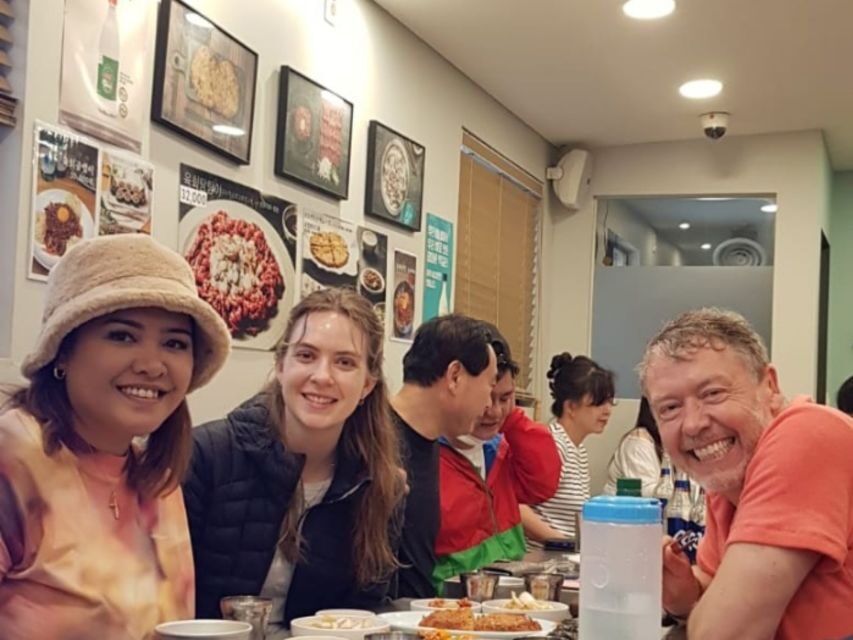
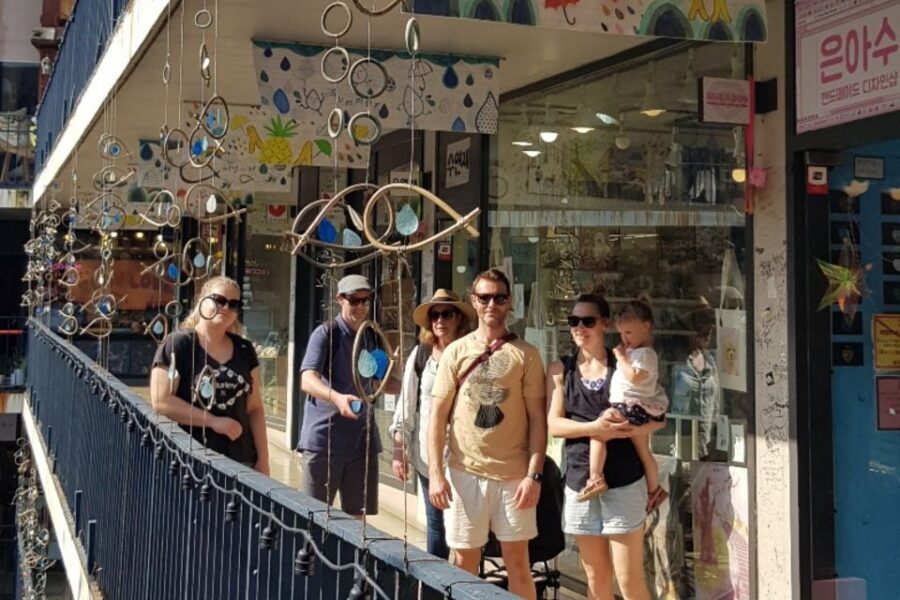
This tour offers private or small groups, which changes the whole vibe. Small groups usually mean the guide can slow down, answer questions, and adjust the pace without everyone getting left behind.
The guide feedback in the tour experiences highlights a few consistent strengths:
- guides explain the cultural and historical reasons behind what you’re seeing
- food choices feel confident rather than random
- guides keep the walk enjoyable, not lecture-heavy
Names you may encounter include Sam, Charlie, Peter Park, Alan, and Sally. While you shouldn’t plan your day around a specific person, it’s encouraging to know the overall guide quality has been strong across different departures.
If you like tours where you can ask things and get helpful answers, this format is a good match.
Practical tips so you enjoy the walk (not just survive it)
This is a walking tour. That sounds obvious, but Seoul walking can add up fast. Do yourself a favor.
- Wear comfortable, grippy shoes. Market floors and alleys don’t always feel “even.”
- Bring a small umbrella or light rain layer if the forecast looks iffy. One tour experience described dealing with terrible weather while still making it a great outing.
- Come with at least a little appetite. Since the tour’s best portions come at the end, arriving too hungry can turn the middle stops into a stressful wait.
If you’re tempted to bring too many bags, don’t. You’ll be walking through multiple shopping zones. Light and simple is easier.
Who this tour suits best
This is ideal for you if you want:
- a first-time Seoul intro to central neighborhoods
- street food with context, not just a checklist of bites
- a tight 3-hour plan that doesn’t eat your whole day
It also fits well for visitors who enjoy culture through food—people who like hearing why certain dishes, traditions, or market spaces exist.
If you’re the type who dislikes walking, or you need a full sit-down meal experience regardless of tastings, you may prefer something longer or something explicitly framed as dinner. This one is about sampling and learning along the way.
Should you book this Seoul street food tour?
If you want a smart, guide-led introduction to Seoul’s Insa-dong + Ikseon-dong + Gwangjang Market triangle, I’d book it. The strongest reason is the balance: you walk through historic-style neighborhoods, then you eat with confidence at a market built on everyday Korean life.
Book it if:
- you’re happy with 3–5 tastings rather than a whole meal
- you want a plan that’s 3 hours and ends where the food is
- you like tours where history and food judgment go together
Skip or rethink it if:
- you want a full meal experience guaranteed as part of the package
- you’re very sensitive to walking time or crowded market conditions
Overall, this is a solid value play for central Seoul. You’ll leave with a better sense of how the city’s older streets shape what people eat, and you’ll get that satisfying end-of-tour payoff at Gwangjang Market.
FAQ
What is the duration of the Gwangjang Market Netflix Food Tour in Seoul?
The tour lasts about 3 hours.
Where does the tour start and where does it end?
It meets in front of Exit 6 of Anguk Station (Subway Line 3) and finishes at Gwangjang Market.
How much does the tour cost?
The price is $64 per person.
What is included in the tour price?
The tour includes a guide, entrance fees, and 3–5 kinds of street food tasting depending on the option.
Does the tour include a full meal?
No. It includes tastings, but it does not supply a whole meal, and the greatest portions come at the end. It’s not recommended to skip eating beforehand.
What languages are available for the live guide?
The live guide is available in English and Korean.
Can I cancel for a refund if plans change?
Yes. You can cancel up to 24 hours in advance for a full refund.