REVIEW · SEOUL
Seoul: DMZ Tour with 2nd Tunnel, Hantangang & Scenic Wonders
Book on GetYourGuide →Operated by KTOURSTORY · Bookable on GetYourGuide
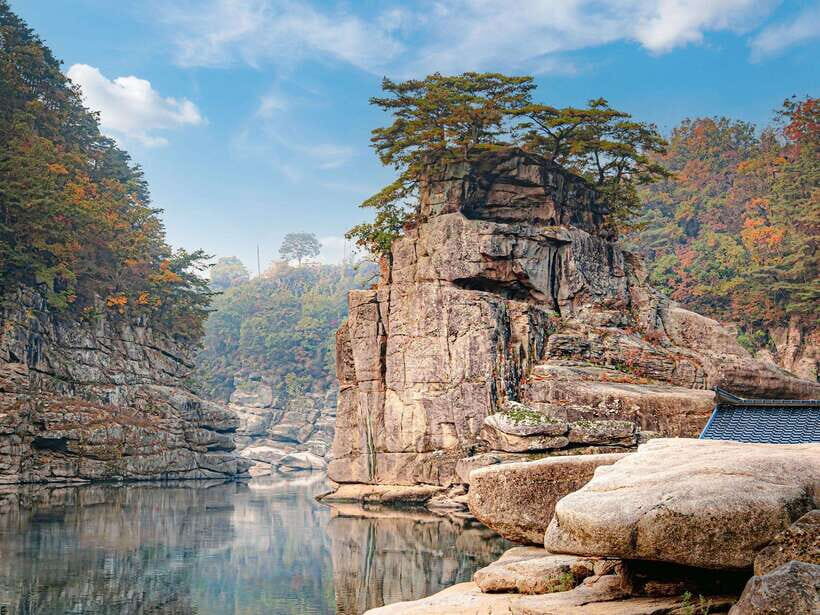
Cold war history meets river views. This DMZ tour focuses on Cheorwon, the northern edge of South Korea near the North Korean border, and connects major war-era sites with stunning scenery along the Hantan River. I love the chance to visit the 2nd Tunnel and I like how Goseokjeong National Tourist Area mixes dramatic rock formations with guided context for what you’re seeing.
The trade-off is time and paperwork. Plan for an 11.5–12.5 hour day, and remember the schedule can shift with traffic or weather, even including changes if the DMZ area closes for political or safety reasons. Also, bring your passport and make sure the details match exactly, or you could be turned away.
In This Review
- Key Things to Know Before You Go
- A Long Day in Cheorwon, Built Around One Big Theme
- Start at Goseokjeong: Rocks, River Air, and Winter Options
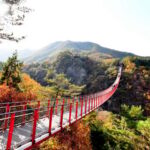
- Hantangang Milky Way Bridge: A Glass Bridge That Helps You Read the River
- Durumi Peace Town and the 2nd Infiltration Tunnel: The Highlight With Helmet On
- Peace Observatory: Looking Across at Villages and Mt Geumgang
- Woljeong-ri Station: The Symbolic Last Stop Before the North
- Korean Workers’ Party Headquarters Photo Stop and Cheorwon’s War-Scarred Buildings
- Price and Logistics: Why $72 Can Make Sense (If You Like Guided Days)
- What to Pack (And What to Expect From the Day’s Rhythm)
- Who This Tour Is Perfect For
- Should You Book This DMZ Tour?
- FAQ
- How long is the DMZ tour?
- How much does it cost?
- Where do I meet the tour?
- Where do I get dropped off?
- Do I need a passport?
- What languages are offered?
- What is included in the price?
- Is food included?
- What if the DMZ area closes?
Key Things to Know Before You Go
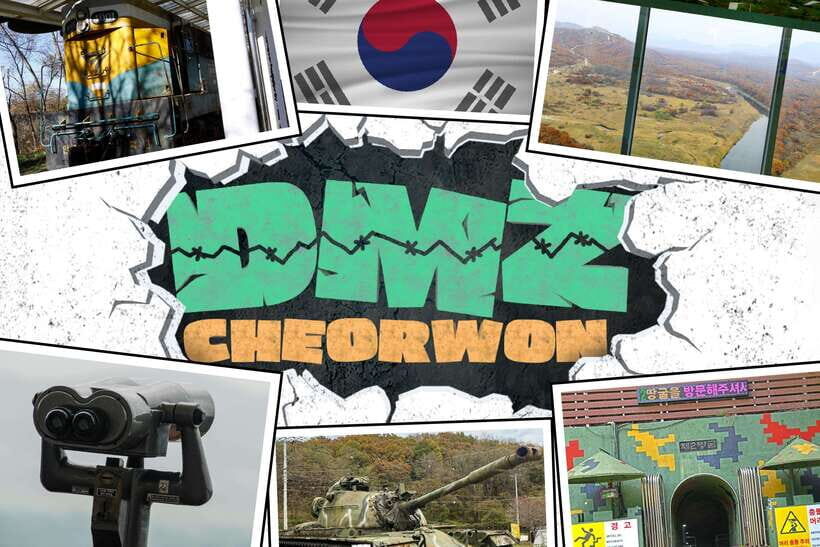
- 2nd Tunnel visit with a helmet: You’ll be outfitted to explore the infiltration tunnel tied to North Korea’s secret operations.
- Goseokjeong’s Hantan River setting: Expect striking rock formations, plus a winter option to walk on the frozen river.
- Glass-bridge photo moments on Hantangang: The Milky Way Bridge gives you wide river views at a location made for sightseeing.
- Peace Observatory cross-border views: You’ll get to look toward North Korea, including villages and Mt Geumgang on clear days.
- Woljeong-ri Station and war relics: A bullet-riddled train at the symbolic last station adds real weight to the history.
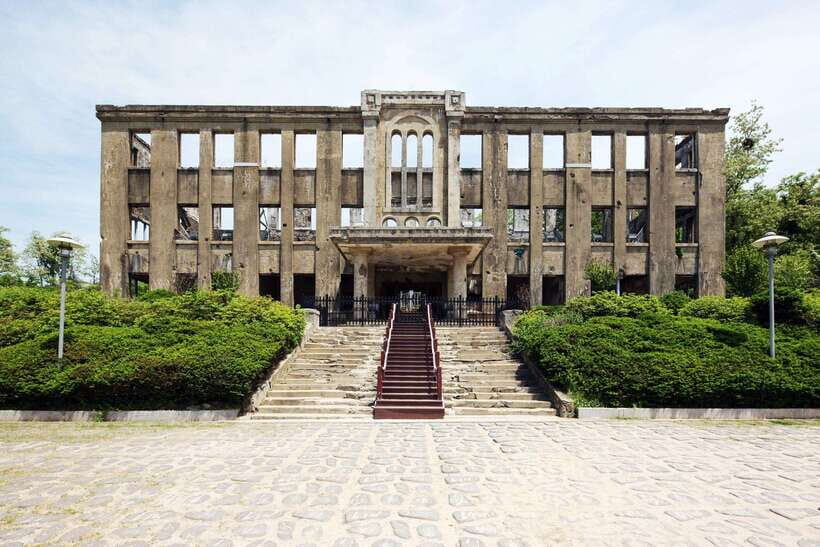
- War-scarred buildings in Cheorwon: The Labor Party Headquarters and nearby park show how the area was shaped by shelling and conflict.
A Long Day in Cheorwon, Built Around One Big Theme
This tour isn’t just about checking boxes on a map. It’s structured like a story of the Korean War at the place where the story still presses close to the present. You start in a scenic area, move into tense border-area geography, and end in Cheorwon with buildings and street scenes that explain why this part of the peninsula matters so much.
The biggest win is how your guide ties the stops together with clear, grounded explanations. In the reviews, guides named Jonathan and Chuck get praised for making the information stick—explaining what you’re looking at and how one site connects to the next. If you like tours where you understand the why behind the what, this is that kind of day.
One more thing: you’ll be seeing both natural and human-made “frontier lines.” River cliffs and glass bridges frame the scenery, but then you walk right into places shaped by spying, infiltration, and frontline conflict.
You can also read our reviews of more tours and experiences in Seoul.
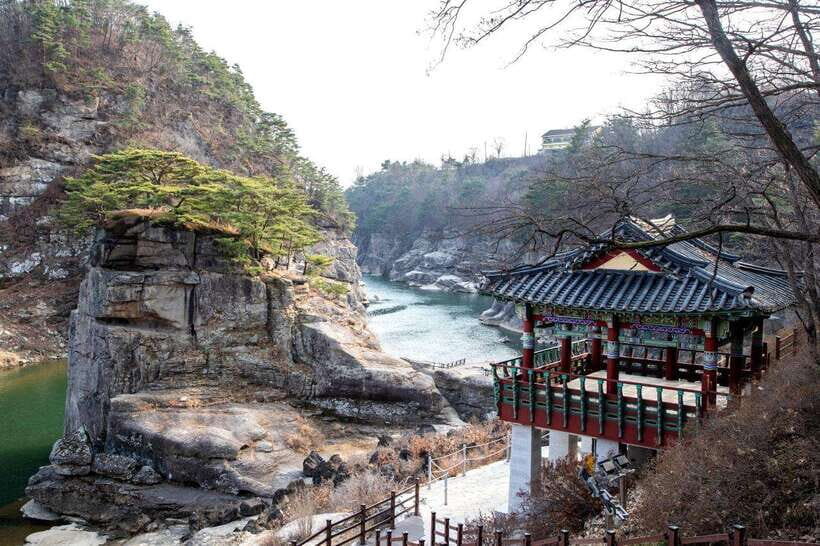
Start at Goseokjeong: Rocks, River Air, and Winter Options
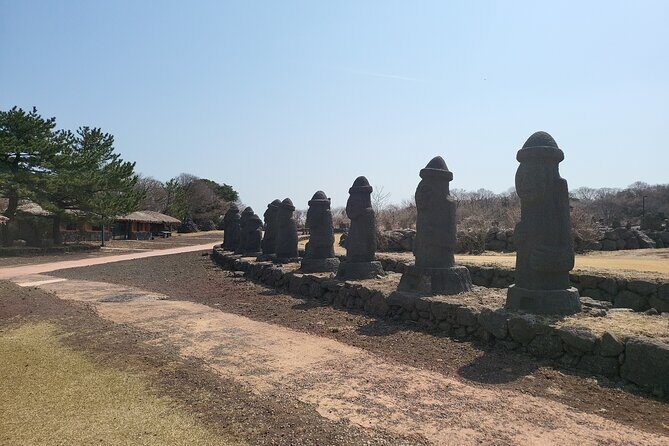
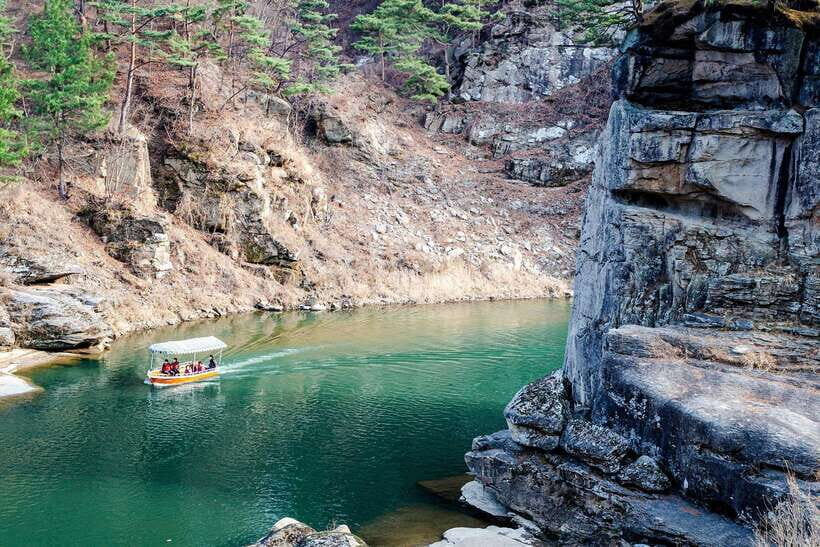
You begin at Goseokjeong National Tourist Area, along the Hantan River. This is a scenic stop first, which matters. It helps your brain switch from Seoul city tempo to rural pace—then, when the border sites come later, you’re not just hopping from place to place.
What you’ll like here is the variety. You can explore by boat or, in winter, walk on the frozen river. That frozen-river option is exactly the kind of practical detail that changes the whole feel of the morning: it’s not a museum morning, it’s outdoors, cold air included.
What to watch for: winter timing can make the walk-on-ice part feel more intense than you expect, especially if you’re not used to slippery ground. Wear shoes with solid grip and plan for cool weather from the start.
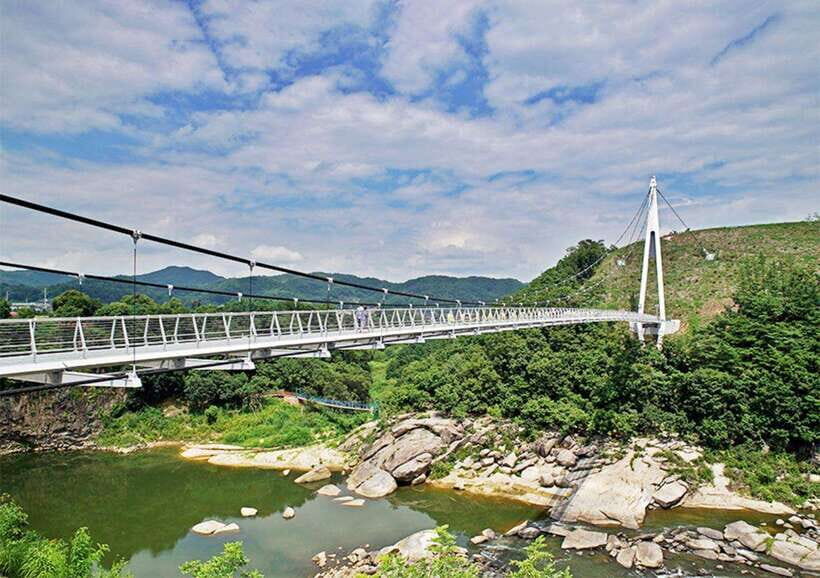
Hantangang Milky Way Bridge: A Glass Bridge That Helps You Read the River
After Goseokjeong, the tour steps into another Hantan River highlight: the Hantangang Milky Way Bridge. This is the kind of place you can photograph quickly, but you’ll get more out of it if you slow down for your guide’s framing.
A glass bridge is more than a selfie platform. It’s a built vantage point, suspended over water, that makes the geography feel immediate. When you later see DMZ structures and border viewpoints, you’ll better understand how the region’s terrain and sightlines shaped military thinking and surveillance.
Even if you’re not obsessed with bridges, this stop is a good reset before you move into the heavier part of the day.
Durumi Peace Town and the 2nd Infiltration Tunnel: The Highlight With Helmet On
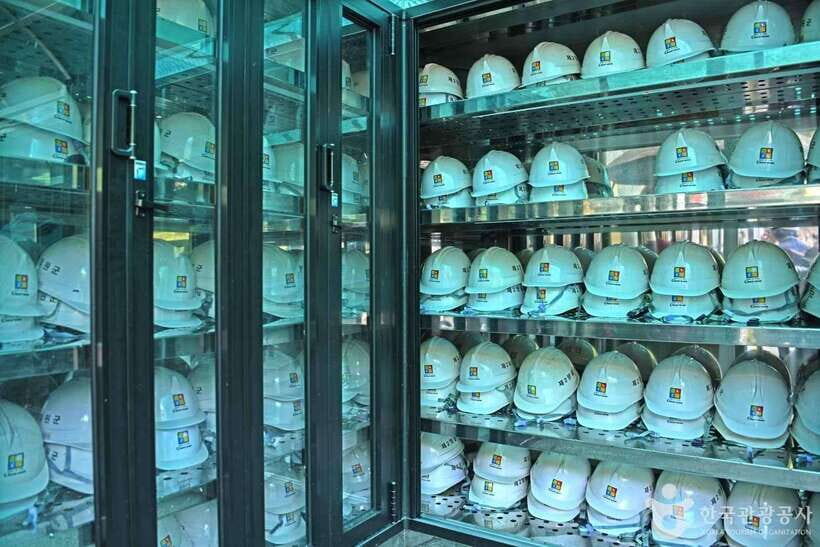
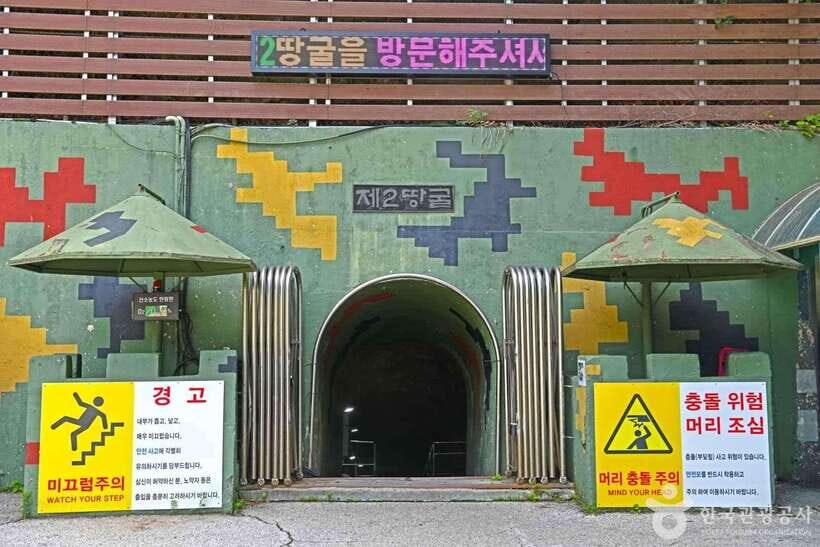
Now for the moment most people remember: DMZ Durumi Peace Town and the 2nd Infiltration Tunnel. Your visit here comes with a key instruction: you’ll need to wear a helmet. That’s not just a rule—it signals that this is a real, protected site with guided movement through a space built for secrecy.
The 2nd Tunnel was secretly built by North Korea and was discovered in 1975. Visiting a site like this changes history from words to physical scale. It’s one thing to hear about infiltration; it’s another to step into the kind of environment designed for moving people while staying hidden.
Practical consideration: tunnels tend to feel cooler and more enclosed than the outside air. If you’re layering, keep it simple. You don’t want bulky clothing you’ll regret when you’re guided through.
Peace Observatory: Looking Across at Villages and Mt Geumgang
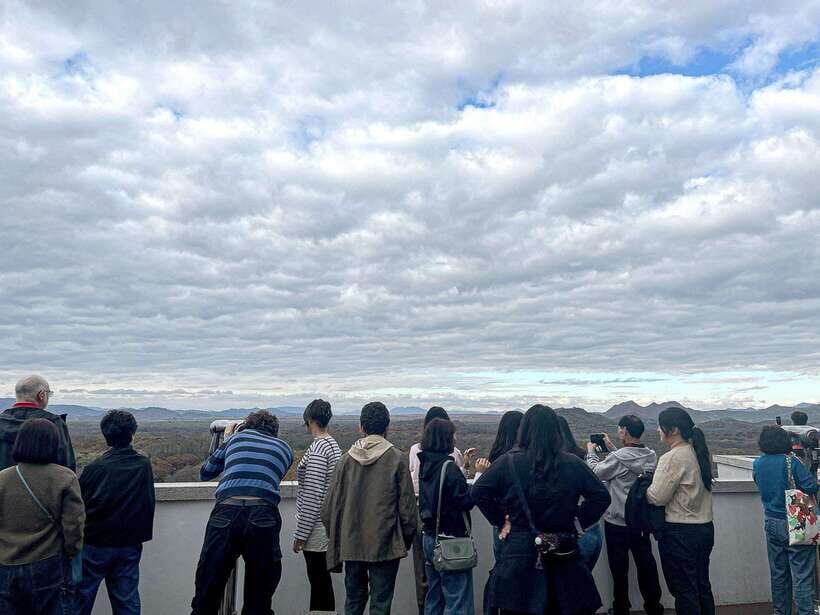
After Durumi Peace Town, you head to the Peace Observatory. This is where the tour goes from “history site” to “current geography.” You peer toward North Korea and can see villages and Mt Geumgang (conditions can affect what you’ll clearly make out).
This stop is worth your patience. Views across a border are always a little emotional. The guide’s job is to keep it factual—what you can see, what the area means, and how it connects back to what happened during the Korean War and afterward.
If you’re the type who likes to understand the land, you’ll enjoy how the observatory helps you read why certain locations became strategic. You’re not just looking at distance—you’re looking at a relationship between territories.

Woljeong-ri Station: The Symbolic Last Stop Before the North
Next comes Woljeong-ri Station, described as the symbolic last station before the North. Here, the tour shifts gears into relic-level reality: you’ll see a bullet-riddled train, a stark reminder of the war’s impact.
This is one of those places where the guide’s commentary really matters. Without explanation, you might just see metal and damage. With context, it becomes a lesson in how conflict interrupts ordinary movement—rail lines, daily life, and the idea of connection across the peninsula.
If you want a short test of whether this tour style fits you: watch how your group listens here. This is where the day’s theme lands most clearly.
Korean Workers’ Party Headquarters Photo Stop and Cheorwon’s War-Scarred Buildings
The tour continues with a stop at the Korean Workers’ Party Headquarters, including a photo stop plus guided sightseeing for a short stretch. Even with limited time, this area fits the overall pattern: it places political history next to physical reminders of what the region endured.
Finally, you end in Cheorwon with the Labor Party Building and the Cheorwon History and Culture Park. The Labor Party Building is especially striking because it was constructed in 1946, when the area was part of North Korea—and it still shows scars from shelling and gunfire after the Korean War.
Nearby, the History and Culture Park recreates 1930s Cheorwon downtown. That recreated street scene might not feel “authentic” in the same way as a battlefield artifact, but it helps you visualize how daily life looked before the later divisions hardened. It gives you a sense of what changed, not only what remained damaged.
Price and Logistics: Why $72 Can Make Sense (If You Like Guided Days)
The price is $72 per person, and you’re getting a full, long-format day with transportation, a guided tour, entry fees, and English and Chinese-speaking staff. Meals aren’t included, and travelers’ insurance isn’t included.
So here’s how I’d judge the value: if you want DMZ access with guided explanations and you’d otherwise have to coordinate buses, admissions, and the timing of multiple sites on your own, the all-in structure is a practical deal. The money is buying time management and interpretation—especially the kind of interpretation that helps you connect the tunnel, the observatory, and the station.
The catch is that this isn’t a casual stroll day. You’re committing to a nearly half-a-day travel effort plus long sightseeing blocks. If you hate time pressure or you’re easily exhausted by cold outdoor waiting, that’s the main drawback.
What to Pack (And What to Expect From the Day’s Rhythm)
You only have one hard requirement listed: bring your passport. More than that, you should double-check that the name and details match your passport exactly—DMZ entry rules can be strict.
From there, think practicality:
- Layer for cold weather, since part of the tour can include winter walking on a frozen river and outdoor observatory viewing.
- Wear comfortable shoes for short walks between stops and for the scenic areas.
- Bring a camera, but also make room to look—Peace Observatory and Woljeong-ri are best when you slow down.
Also keep expectations flexible. The tour notes that the itinerary is subject to change due to traffic and weather conditions. If the DMZ area closes for political or safety reasons, you’ll get an alternative route or refund, with notification in advance.
Who This Tour Is Perfect For
This is a great fit if you:
- Want a DMZ day trip with a structured guide and not a self-guided scramble.
- Prefer history explained on-site, not just read from a board.
- Like the mix of frontier conflict and big scenery along the Hantan River.
It’s less ideal if you:
- Only want quick photos and don’t care about guided context.
- Get uncomfortable with long outdoor time in cold weather.
- Have strict limits on sitting in buses for much of the day.
Should You Book This DMZ Tour?
Yes—if you want one guided day that connects the DMZ’s most memorable points: Goseokjeong, Hantangang views, Durumi Peace Town and the 2nd Tunnel, Peace Observatory, and Woljeong-ri—then finishes with Cheorwon’s war-scarred buildings and a recreated street scene. The best sign is the guide quality: reviews highlight guides like Jonathan and Chuck for clear explanations and for linking each stop to the next.
Book it when you’re ready for a full day, bring your passport details carefully, and plan to dress for winter. If that sounds like your kind of travel, this is one of those tours that gives you a real sense of place, not just a list of sites.
FAQ
How long is the DMZ tour?
The tour runs about 11.5 to 12.5 hours, depending on the starting time available.
How much does it cost?
It costs $72 per person.
Where do I meet the tour?
There are multiple start options, including Hongik Univ. Station Exit 4, Namsan Yejang Public Parking Lot, and Dongdaemun History & Culture Park Station Exit 10.
Where do I get dropped off?
Drop-off locations include Lotte Department Store Main Store, Hongik Univ. Station Exit 4, and Dongdaemun History & Culture Park Station Exit 10.
Do I need a passport?
Yes. You should bring your passport, and the information needs to match exactly.
What languages are offered?
The tour includes English and Chinese-speaking staff and a live guide.
What is included in the price?
Included are guided tour, transportation, English and Chinese-speaking staff, and entry fees.
Is food included?
No. Meals are not included.
What if the DMZ area closes?
If the DMZ area closes due to political or safety issues, the operator will provide an alternative route or a refund and will notify you in advance.
If you tell me your travel month and whether you’re traveling solo or with kids, I can help you judge whether the winter frozen-river option and the long bus day will feel like a good match.