REVIEW · SEOUL
Seoul: DMZ & Live Talk with North Korean Defector
Book on GetYourGuide →Operated by Seoul City Tour · Bookable on GetYourGuide
The DMZ hits harder than you expect. This 7-hour trip out of Seoul mixes big, controlled-view stops with a very human one: you meet a North Korean defector, then you actually go into the Third Infiltration Tunnel and look north from Dora Observatory. It’s a rare day where geography, politics, and personal testimony all sit on the same bus.
I love how the day is structured so you get meaning before you get visuals. The North Korea Experience Hall sets the stage with films and an interview format, and then the Q&A makes what you saw feel real. My only real heads-up is that this is not a full-day meal plan: lunch and food aren’t included, and you’ll also run into photo limits at some sites.
In This Review
- Key things that make this DMZ day special
- A 7-hour DMZ reality check from Seoul City Hall
- Meeting the North Korean defector: the human center of the day
- North Korea Experience Hall: setting context before you stare north
- Imjingak Peace Park, Mangbaedan, and Freedom Bridge: the border symbols you can walk past
- Going into the Third Infiltration Tunnel: the closest thing to proof you’ll get
- Dora Observatory and Unification Village: seeing the North with limits
- Price and value: is $50 fair for a DMZ day?
- Logistics you should not ignore: passport, suspension bridge, and food timing
- The vibe: serious topic, energetic guides, and a few friction points
- Who should book this DMZ defector tour?
- Should you book this DMZ & defector tour?
- FAQ
- How long is the DMZ & live talk with a North Korean defector tour?
- How much does the tour cost?
- Is hotel pickup included?
- What’s included in the price?
- What isn’t included?
- What documents do I need to bring?
- Is lunch provided?
- Can I add the suspension bridge?
- What happens if the tour is canceled due to military or unexpected issues?
Key things that make this DMZ day special
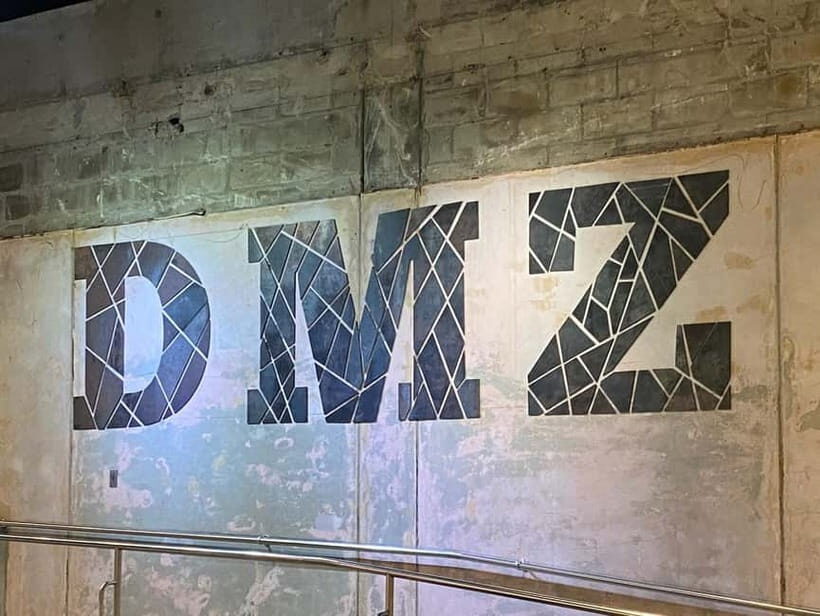
- Meet a North Korean defector with a live Q&A built into the schedule
- Third Infiltration Tunnel access gives you a physical sense of what’s under the border
- Dora Observatory viewing lets you see North Korea from a controlled vantage point
- Imjingak + Freedom Bridge + Mangbaedan connect the border story in a simple route
- English live guide keeps the day moving and answers questions as you go
A 7-hour DMZ reality check from Seoul City Hall
This is a short, serious day. You’re out of the city early, you spend time at the border-area sites, and you return to Seoul. The total duration is listed as 7 hours, and the ride time is substantial: expect about an hour heading out and about an hour back. That matters because it shapes the pace. This isn’t a slow wander. It’s a guided route with set viewing windows, and that actually helps. On a day like the DMZ, you want structure more than free-floating time.
I also like that the trip ends in a convenient place in central Seoul—Seoul City Hall. It makes it easier to plug this into a larger itinerary without you feeling stranded out by the airport or stuck far from the subway.
One more practical thing: the tour is English, with a live guide. Based on the guides you might get (AJ, Katie, Yoon, YEONI, Lily, Erica, Miel, and others), the common thread is clear pacing and lots of Q&A time. If you’re the type who comes with questions—good. This day rewards that.
You can also read our reviews of more tours and experiences in Seoul.
Meeting the North Korean defector: the human center of the day

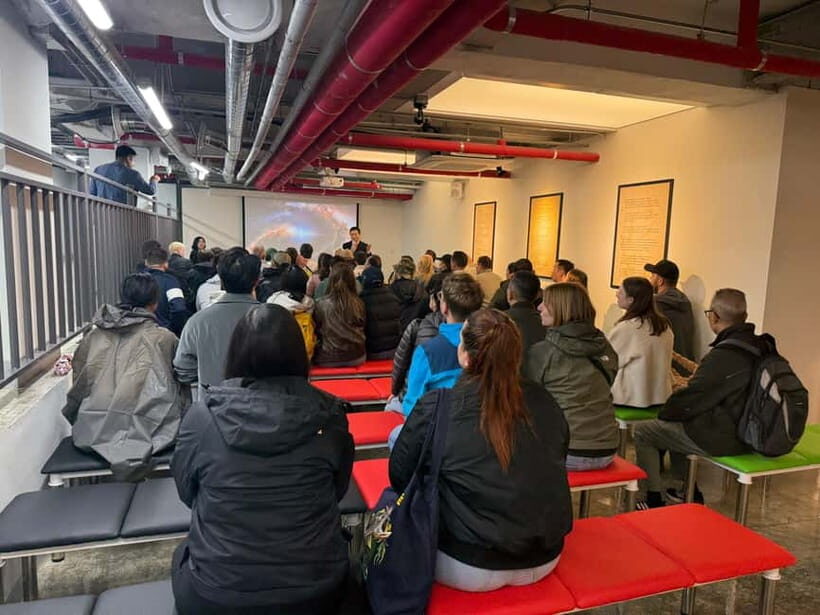
Let’s talk about the part everyone remembers. You’re not only going to look at the border. You’re going to hear from someone who escaped. The day includes a North Korea Experience Hall stop where you watch a short film and join in an interview-style segment. After that, the defector Q&A becomes the emotional core of the route.
This is where the tone can shift fast. One of the strongest comments from recent bookings is how moving the Q&A can be, especially when the guide keeps the conversation grounded and organized. You’ll also want to mentally prepare for the fact that this isn’t a staged documentary you can pause and re-watch. It’s a real person answering in real time.
The tour also gives you a chance to ask questions. Guides like Katie and AJ have been specifically praised for being attentive and energetic, and for making the day feel understandable even when the subject matter is heavy. That matters, because the defector meeting isn’t just a wow moment. It’s also your chance to connect the exhibits and border views to daily life, decisions, and consequences.
Possible drawback to consider: the defector meeting style may not match what you personally expect. One reviewer felt the answers weren’t the initial NK-life overview they hoped for, and that some replies were brief. If you want a very structured life-story walkthrough, you might need to lean on your question strategy and ask more pointed follow-ups.
North Korea Experience Hall: setting context before you stare north
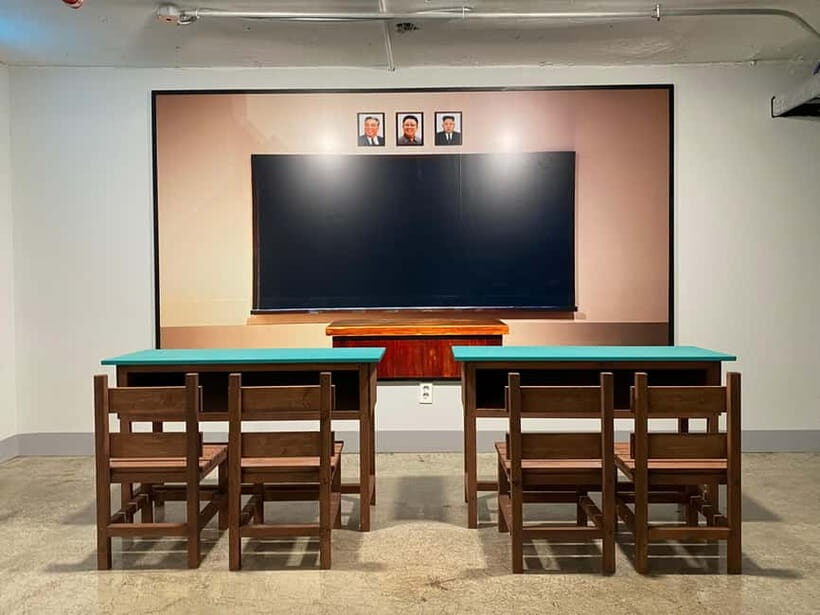
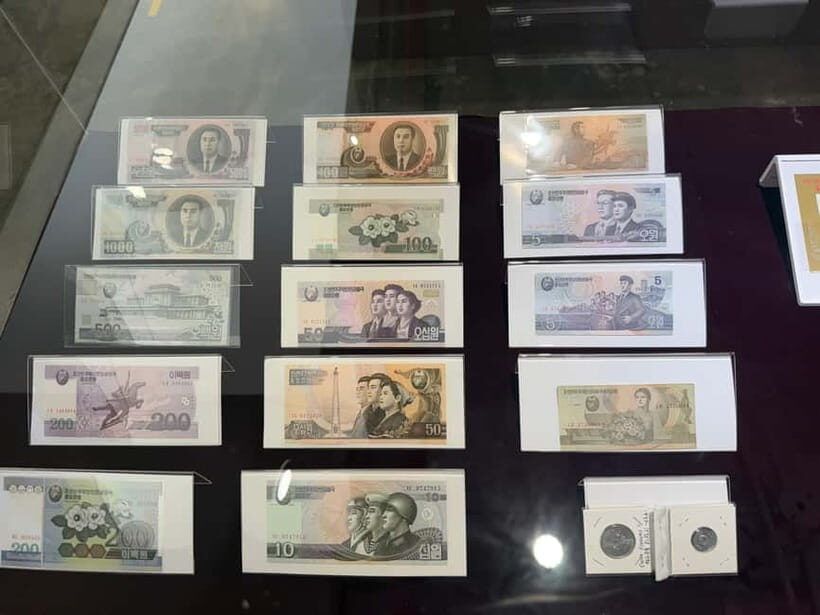
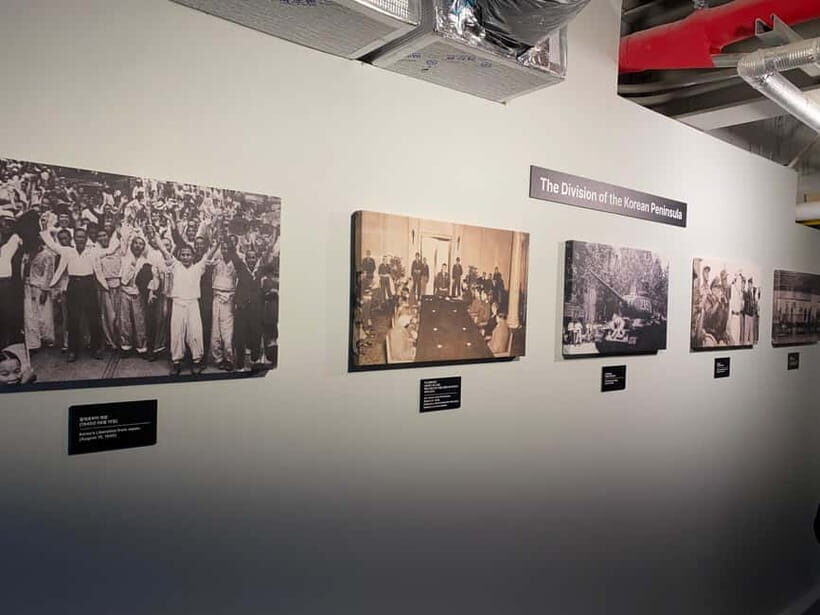
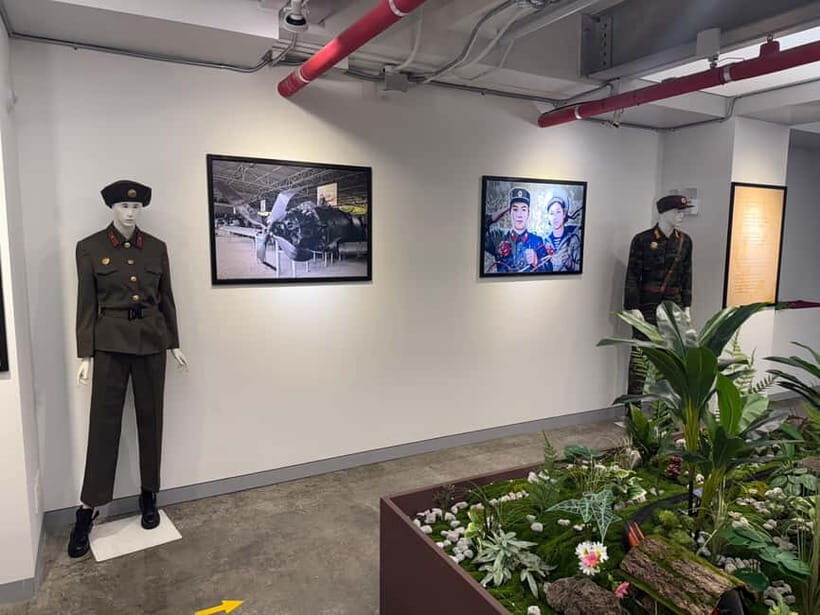
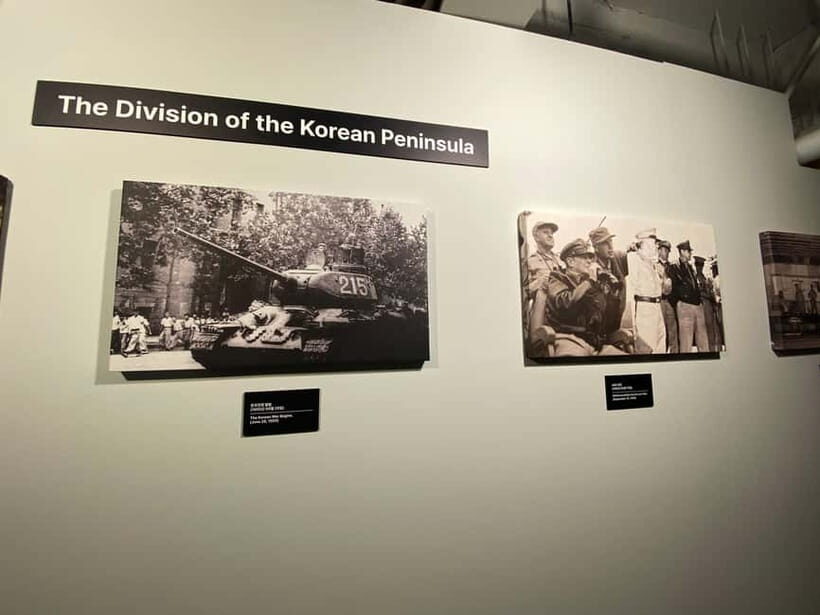
Before you reach the more dramatic border sites, you’ll stop at the North Korea Experience Hall. The format includes about a 10-minute film and an interview segment tied to defectors. The goal here is simple: give you context so the rest of the day makes sense.
I like this sequencing. It’s easy to visit the DMZ and only come away with photos and geometry. The Experience Hall helps you connect what you’re seeing—tunnels, observatory lines of sight, and separation zones—with why people risk escape in the first place.
Also, this part of the day tends to be efficient. Recent feedback repeatedly points to well-managed timing across stops, and that you’ll get enough time at each location to actually take it in. That efficiency matters because the DMZ day has a lot of must-see components packed into one route.
Imjingak Peace Park, Mangbaedan, and Freedom Bridge: the border symbols you can walk past
Your route includes Imjingak Peace Park, plus stops at Mangbaedan and Freedom Bridge. Even if you’ve read a lot about Korean division, these places help your brain do the translation from textbook to real space. You’re seeing memorial and viewing points tied to the Korean War era and the ongoing tension.
Think of these as the visual vocabulary for the rest of the itinerary. After this, Dora and the tunnel hit harder because you’ve already been given the emotional and historical context.
One practical note from the experience: the DMZ tour is tightly scheduled, so you may not have long wandering time at each stop. That’s normal for controlled-border areas. Still, there’s enough time to explore each location briefly, grab your bearings, and ask questions while you can. Guides like Yoon and Erica were praised for keeping things organized and answering questions beyond what you might expect.
If you’re the kind of person who needs maximum time for photos, remember that some sites have strict rules. You might find you can’t photograph everything, and you’ll need to follow guide instructions quickly.
Going into the Third Infiltration Tunnel: the closest thing to proof you’ll get
Here’s where the day becomes physically real. You’ll tour the Third Tunnel of Aggression (often referred to as the Third Infiltration Tunnel). This is the part many people cite as a top highlight, because it turns abstract border threats into something you can walk through.
This stop also forces you to slow down. Tunnels are not a casual stroll. You’re moving in a controlled environment where the point is to show structure and engineering, not to provide a fun adventure. Expect the experience to feel intense, mostly because it’s built for a purpose—and the purpose is the conflict you came to understand.
I also recommend treating this stop as a learning moment, not just a checkmark. Ask your guide what you’re looking at—what the tunnel connects to, why it matters, and how it fits into the broader DMZ system. A strong guide can make the tunnel stop click, and several guides on this route have been praised for explaining clearly and keeping the group moving at the right speed.




Dora Observatory and Unification Village: seeing the North with limits
The viewing portion of this DMZ day runs through Dora Observatory and then Unification Village. Dora Observatory is a must because it’s the practical endpoint of the day’s theme: you’re positioned to look north, and you get an official vantage point for what separation means in daily sightlines.
After Dora, you’ll have time at Unification Village (the stop is short—about 15 minutes). It’s brief by design, so don’t plan on lingering. Instead, treat it like the final “here’s what it looks like on the ground” step.
One surprisingly helpful detail from recent experiences: if you’re short or having trouble hearing at the observatory, the guide may step in to re-explain what you’re seeing with extra effort. That kind of follow-up can make a big difference because the observatory explanations rely on you being able to see and hear key points.
A balanced reality check: you should expect restrictions—especially around photos—at these kinds of sites. One review noted that you’re not allowed to take pictures of many places due to law. So if you’re planning to document everything like it’s a museum, adjust your mindset. You’ll enjoy it more when you’re watching first, recording second.
Price and value: is $50 fair for a DMZ day?

At $50 per person for a 7-hour tour, this is positioned as one of the more budget-friendly ways to do the DMZ from Seoul—especially because the price includes admission fees (DMZ) and a guide, plus air-conditioned transportation.
What you don’t get matters for value. Food and drinks aren’t included. Travel insurance isn’t included. Hotel drop-off isn’t included. Those gaps aren’t a deal-breaker, but they do mean you should budget for a meal during your free time at one of the stops.
When I think about value, I weigh the access and structure. The defector meeting, North Korea Experience Hall content, and the tunnel tour aren’t the kind of things you can simply DIY safely or easily. Even with the added limits and time constraints, $50 starts to feel reasonable because a lot of the “hard parts” are already handled: guide interpretation, transportation, and the DMZ admission pieces.
Finally, recent feedback highlights very high satisfaction with transport quality (a large share of reviewers gave it top marks). That’s not trivial for a long day where you’re spending hours in a bus.
Logistics you should not ignore: passport, suspension bridge, and food timing
Three planning points can save you stress:
Passport required: All guests must bring a passport. The data also says a military ID or an ARC is fine. Don’t show up with just your phone and hope for the best.
Optional suspension bridge: If you want to add the suspension bridge, it’s only available on earlier-time tours. That means if you’re deciding later, you might lose the option. If the suspension bridge matters to you, pick the earlier departure time.
Food timing: Lunch isn’t provided. You’ll have free time at stops where you can buy food from cafes and shops. In other words, plan to eat during those breaks, not at a fixed lunch included in the tour.
Also consider mental energy. This is emotionally intense. The day can swing from exhibits to real testimony to quiet viewing points, and the subject matter isn’t light. Build in a little patience with yourself.
The vibe: serious topic, energetic guides, and a few friction points
The best part of this tour, in my eyes, is the pairing of serious content with human delivery. The defector meeting and border sites are heavy. But guides can still make the day work—through energy, humor in small doses, and tight explanation.
Recent bookings give you a sense of what this looks like with different guides:
- AJ and Katie have been praised for making the day engaging while staying on task.
- Yoon has been noted for being both friendly and available for questions.
- Lily and Erica have been described as efficient and good at answering questions as they come up.
- Miel was praised for mixing humor with strong historical context.
Even with all that, there are friction points you should expect:
- Picture restrictions: some areas limit photography.
- Short stops: Dora and Unification Village include set viewing windows.
- Defector Q&A format might not match your personal wish list. One review wanted more of a life-in-NK overview.
There was also a minor complaint about a farmers market stop feeling more like a sales spot for tourists. If that matters to you, just treat it as a brief break inside a larger route, not the reason you booked.
Who should book this DMZ defector tour?
Book it if you want a DMZ day with more than viewpoints. This is for you if you:
- want a guided route with interpretation in English
- care about hearing firsthand testimony from a North Korean defector
- are interested in the Third Tunnel experience, not just the observatory photo
Consider a different option if you:
- need a long, flexible day with lots of wandering time
- expect lunch to be fully handled for you
- are extremely focused on taking photos at every stop (because restrictions are real)
This is also a strong choice for people who are traveling with a mix of interests. The day covers geopolitics, exhibits, a tunnel, and a real conversation, all in one loop.
Should you book this DMZ & defector tour?
Yes, if your priority is impact over comfort. The combination of North Korea Experience Hall, a defector Q&A, and the Third Infiltration Tunnel is what makes this tour feel special and worth the time. The $50 price is compelling when you remember that DMZ admissions and guided entry are part of the package.
Just go in prepared: bring your passport, plan for food on your own, and accept that some stops restrict photos and keep the schedule tight. If you do that, you’ll come away with more than pictures. You’ll come away with a clearer understanding of how division shows up in tunnels, in distance, and in people’s lives.
FAQ
How long is the DMZ & live talk with a North Korean defector tour?
The duration is 7 hours.
How much does the tour cost?
The price is listed as $50 per person.
Is hotel pickup included?
Hotel pickup is included if you select the private option.
What’s included in the price?
The tour includes air-conditioned transportation, a guide, and admission fees (DMZ). If you choose the private option, hotel pickup is also included.
What isn’t included?
Food and drinks, travel insurance, and hotel drop-off are not included.
What documents do I need to bring?
All guests must bring a passport. A military ID or ARC is also accepted.
Is lunch provided?
No. Lunch is not provided, and you’ll need to bring your own or buy food during free time at stops.
Can I add the suspension bridge?
The suspension bridge is optional, but only the earlier time tour offers it.
What happens if the tour is canceled due to military or unexpected issues?
If the tour is canceled due to military issues or an unexpected issue, the provider will offer an alternative course related with DMZ, and there is no refund.