REVIEW · SEOUL
Seoul: DMZ, Gyeongbokgung Palace & City Tour
Book on GetYourGuide →Operated by Cosmojin Tour Consulting · Bookable on GetYourGuide
Two Koreas, one bus ride. That’s what makes this DMZ plus Gyeongbokgung Palace day tour such a strong hit: you see the division up close, then switch to royal-era Seoul without wasting a whole extra day.
I especially like the professional security-minded guides and the way the day is structured around key DMZ stops like the Third Tunnel Experience, the War History Pavilion, and the observatory. You’ll also get the practical benefit of a shuttle/coach setup that helps you move between sites instead of playing logistics roulette.
One consideration: it’s a long, early start day with lots of walking and strict site rules (including sneakers only and passport on you). If you hate long days, this might feel like too much in one go.
In This Review
- Key highlights at a glance
- A long, focused day: DMZ then Gyeongbokgung Palace
- The DMZ exhibition stop: setting the mental stage
- Third Tunnel Experience: where the conflict gets concrete
- War History Pavilion: learning without turning it into a lecture
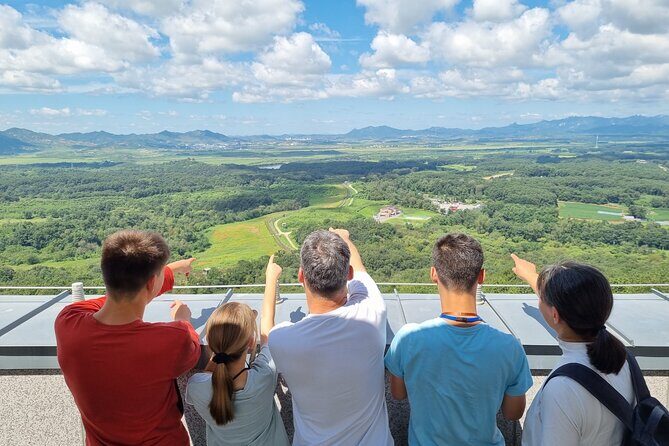
- Observatory views: seeing across the line
- Imjingak: the DMZ’s emotional counterpart
- Gyeongbokgung Palace: back to Seoul, with real-world palace life
- When the DMZ plan changes: the replacement option
- The guide quality: why names like Molly, Ron Han, and SP matter
- Price and what you’re actually paying for (and what you aren’t)
- Practical tips that make the day easier
- Should you book the Seoul DMZ, Gyeongbokgung Palace & city tour?
- FAQ
- What time and where is the meeting point?
- How long is the tour?
- Do I need a passport?
- Is lunch included?
- What should I wear?
- What happens if the DMZ is affected by military training or an official event?
- Is the tour wheelchair accessible?
Key highlights at a glance
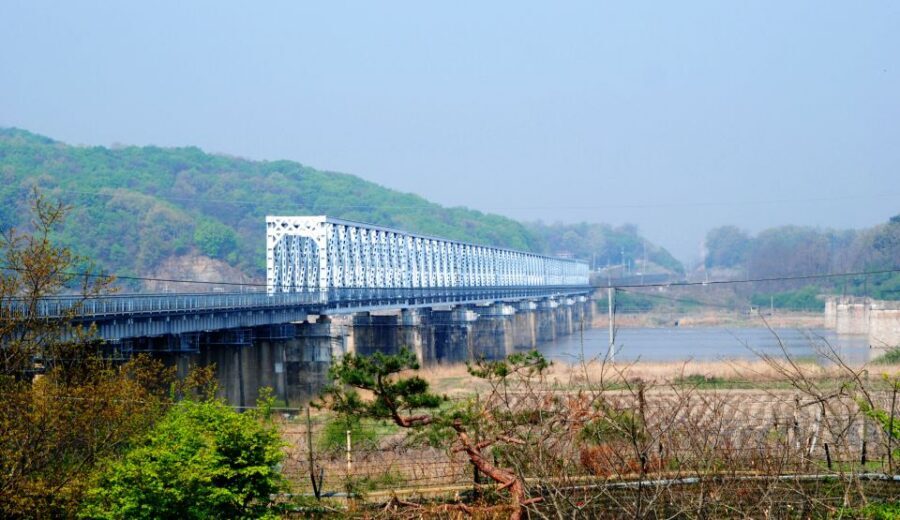
- Security-specialist style explanations for how relations between North and South Korea shifted over time
- Third Tunnel Experience plus the War History Pavilion to make the conflict feel real, not textbook
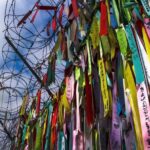
- Imjingak and the observatory for that rare, emotional sense of looking across the line
- Gyeongbokgung Palace with a guide who explains how the palace ran like a working organization, not just a royal backdrop
- Coach time to rest while you cover major DMZ sights in one day
- Backup sightseeing plan if the DMZ is affected by training or official events
A long, focused day: DMZ then Gyeongbokgung Palace
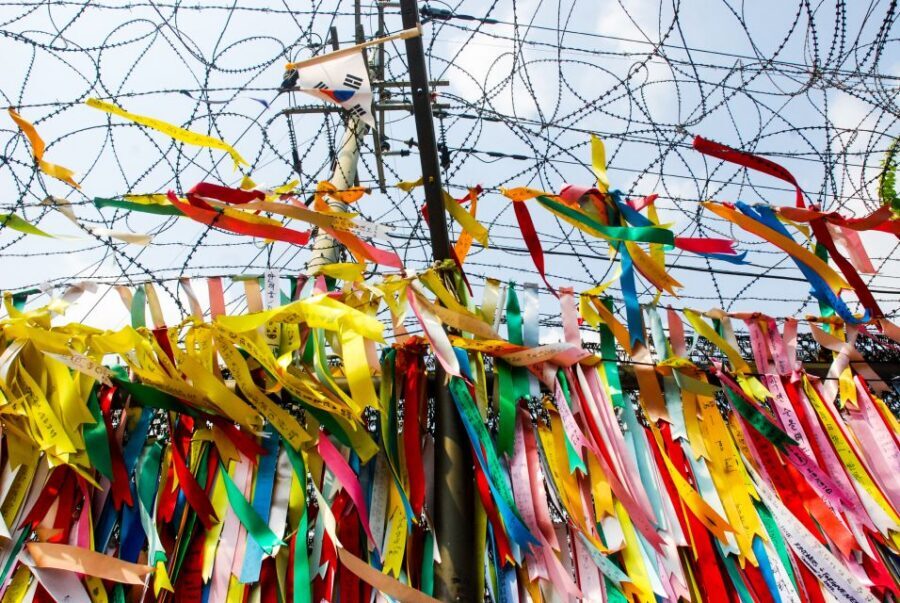
This is built for people who want one high-impact day instead of splitting the DMZ into its own whole trip. You start with the heavy, specific story of the divided peninsula, then you pivot to a softer but still powerful thread: how Korea was ruled, administered, and staffed at Gyeongbokgung Palace.
I like how the pacing avoids dead time. The tour uses shuttle/coach transportation so you can focus on the sites themselves, not constant transfers. And when you get to the palace, you’re not just looking at buildings. You’re learning how the place functioned, including the idea that it was run more like a staffed operation with employees and advisers rather than a simple royal-only set.
That mix matters. The DMZ shows the cost of division. The palace shows what kind of country Korea was trying to build and maintain long before modern politics took over.
You can also read our reviews of more city tours in Seoul
The DMZ exhibition stop: setting the mental stage
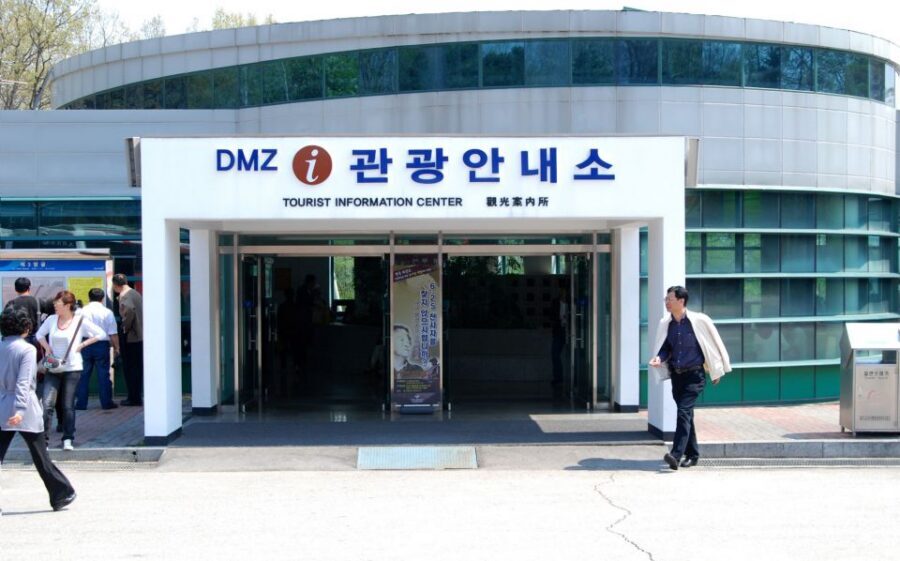
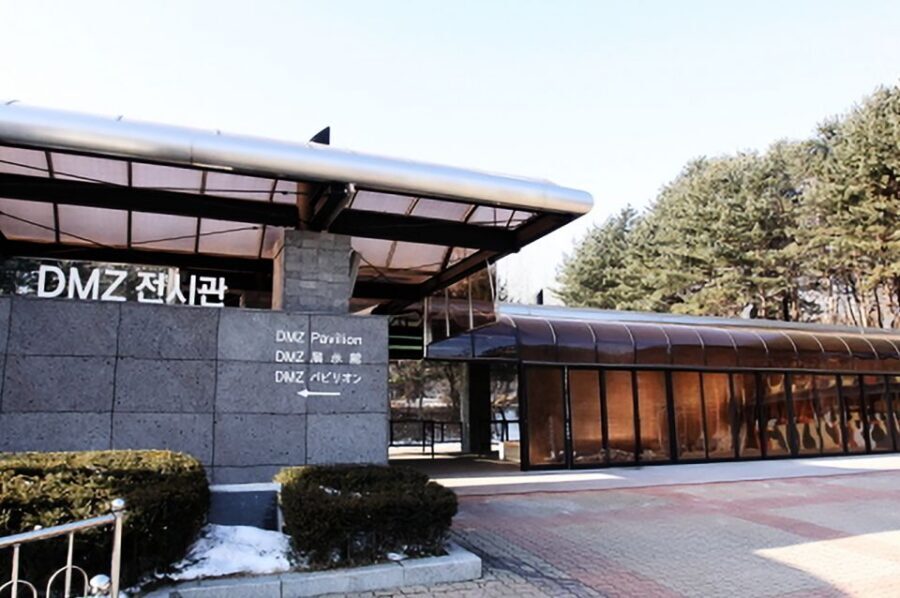
Before you reach the viewing areas, you’re taken to a venue/exhibition center that helps explain the war and its aftermath. This kind of stop is not filler. It gives you context so the later observatory views and tunnel details don’t feel like random attractions.
The tour’s approach is practical: the guide helps connect geography to history. You’re given the kind of background that lets you understand why specific places were chosen and why the DMZ is treated differently than ordinary Korean sites.
If you’re the type who likes to understand what you’re looking at, you’ll appreciate this step. If you prefer to jump straight to the viewpoints, just know there is a preface so the rest of the day makes more sense.
Third Tunnel Experience: where the conflict gets concrete
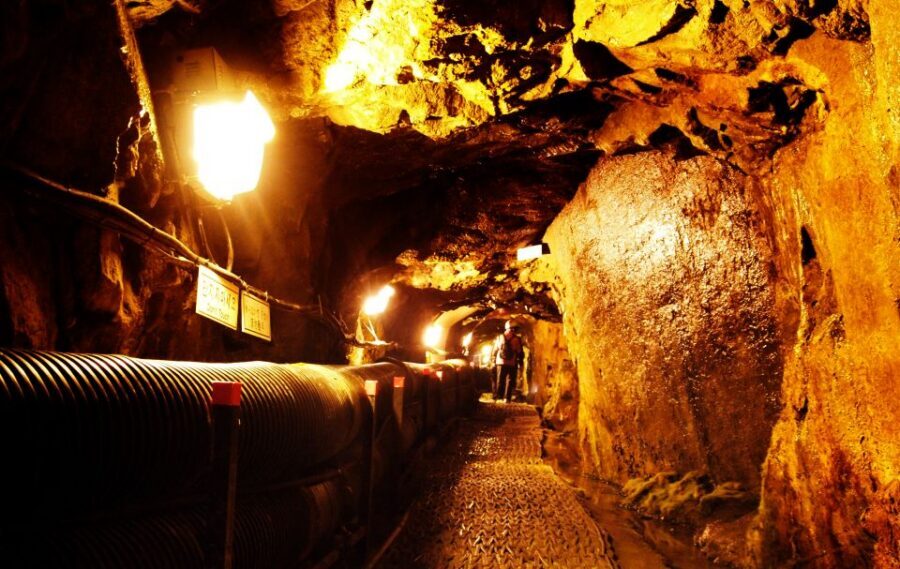
One of the main DMZ components here is the Third Tunnel Experience, described as having been designed to invade South Korea by tanks. Even if you’ve read about tunnels before, seeing this topic presented inside a tour structure helps you grasp what “threat” meant in physical terms—routes, engineering, and time pressures.
This stop is also a good example of why this tour earns its place on a tight schedule. The DMZ isn’t one single view. It’s multiple reminders of how both sides planned for confrontation. The tunnel is one of the most concrete.
A small practical note: you’ll want to keep comfortable shoes on from start to finish. Sneaker-only rules aren’t just formalities, and the day can involve a lot of moving around.
War History Pavilion: learning without turning it into a lecture
After the tunnel, you shift to the War History Pavilion. This is where you can expect more structured context about the war and its legacy—especially how the conflict is remembered and explained at the DMZ itself.
The value here is balance. You’re not only hearing political statements. The tour is set up so you can connect stories you’ve heard elsewhere to a specific location tied to the conflict. It’s the difference between learning facts and understanding why those facts matter in this exact place.
Also, the tour includes a military tourist guide component and uses professional security specialists as guides. In plain terms: your questions should get real answers, and you’re less likely to feel like the guide is reading a script.
Observatory views: seeing across the line
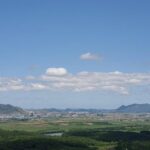
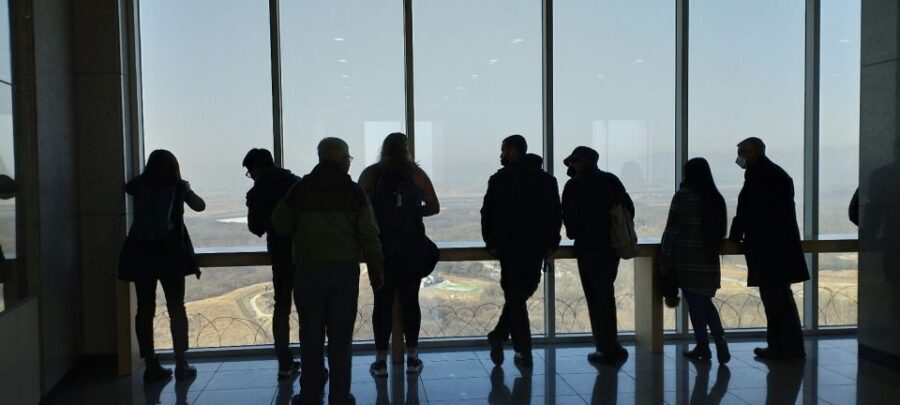
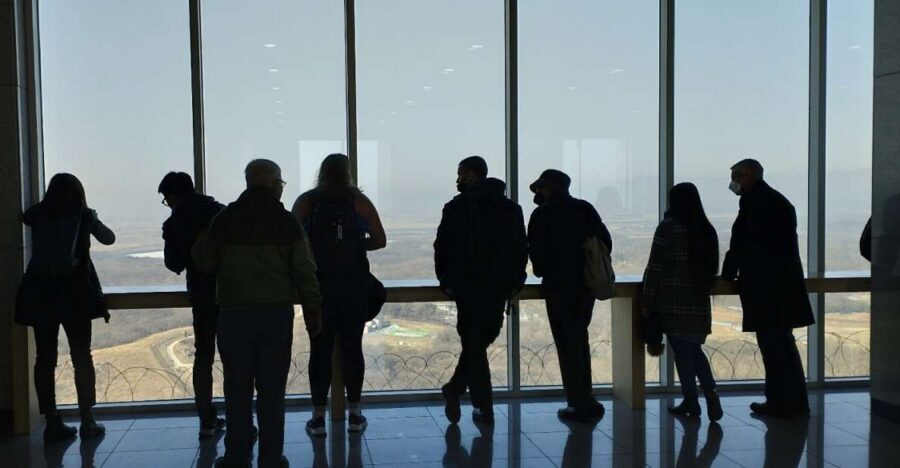
Then comes one of the big reasons people do a DMZ tour at all—the observatory, where you can view North Korean residents from the permitted area. This isn’t a theme-park view. It’s a tense, human moment.
It’s also one of the best places to slow down mentally. You’re not only looking at distance. You’re looking at separation that has lasted since 1950, with North Korea more closed off while South Korea has continued to develop as a democracy and major economy.
I’ve noticed in guide-style feedback that the best tours here are the ones where the guide points out what you’re seeing and helps you read the scene without sensationalizing it. This tour is designed for that kind of interpretation.




Imjingak: the DMZ’s emotional counterpart

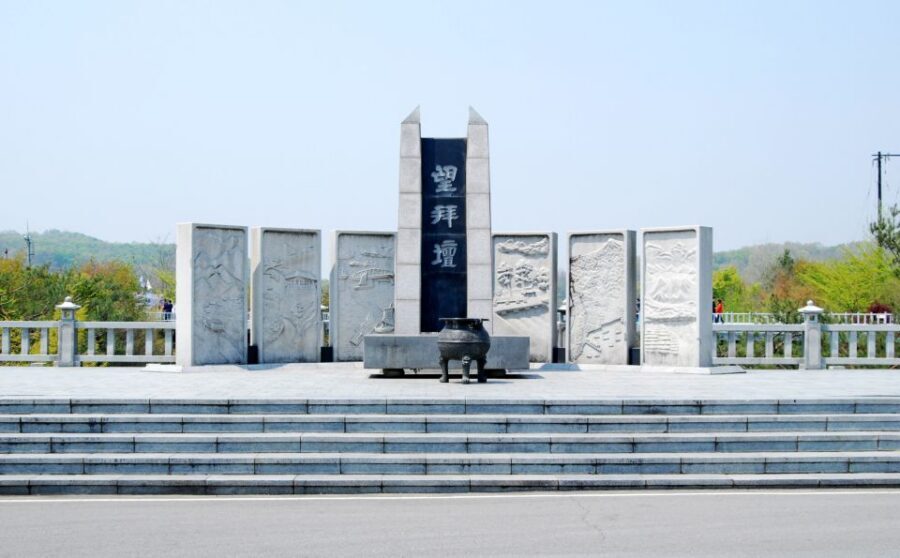
You also visit Imjingak, which rounds out the day. If the tunnel and pavilion lean toward the “how it happened” side, Imjingak tends to add the “what it means” dimension—where the war and division show up as ongoing memory, not a finished event.
This is a strong pairing with the observatory. By the time you reach Imjingak, you’ve already built the factual framework, so you can connect it to a more grounded sense of separation and hope.
Gyeongbokgung Palace: back to Seoul, with real-world palace life
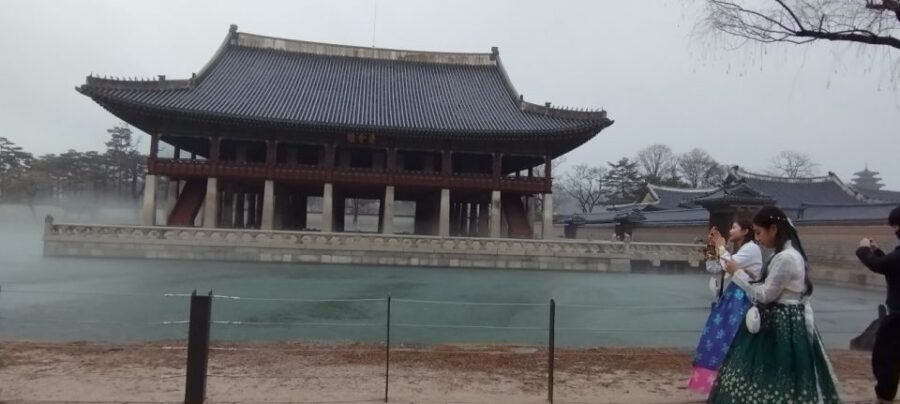
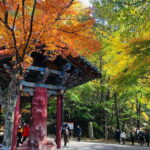
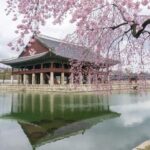
After the DMZ, the day shifts into something visually different but still historically serious: Gyeongbokgung Palace. Here you’re guided through a place tied to the king, his family, and about 2,000 others who lived within the palace during the time it was the center of rule.
What I like about this portion is the way the palace gets explained as an institution that worked daily—employees, advisers, and ongoing administration. That framing helps you avoid the common mistake of treating the palace like a museum set of “cool buildings.”
You’ll get the sense of a palace as a system. And since you’ve already spent the morning with a story of borders and power, Gyeongbokgung adds a different angle on how nations organize control and authority.
A key practical detail: Gyeongbokgung Palace is replaced by Deoksu Palace when it’s closed on Tuesdays. So if your travel dates fall on Tuesday, don’t panic if you see the name change in your plan. It’s handled.
When the DMZ plan changes: the replacement option
The DMZ can be impacted by training or official events. If that happens, the tour is replaced with a route that includes Tomorrow’s Whistle-Bunker Beat 131-Odusan Unification Tower-The War memorial of Korea.
This matters for planning because DMZ access can’t be guaranteed like a typical city attraction. The good news is the tour has a built-in fallback that keeps the day aligned with the war/unification theme.
The guide quality: why names like Molly, Ron Han, and SP matter
This tour’s reviews consistently praise the people delivering the explanation, and that’s not small. DMZ history can turn dry fast if the guide just recites points. Here, you’ll see repeated mentions of guides being kind, professional, and strong at answering questions.
Specific names show up: Molly, Ron Han, SP, and Han (sometimes styled like Han Solo). People call out the way guides explain DMZ realities, answer anything that comes up, and handle photos during the day.
Even if your guide isn’t one of those exact people, the takeaway is useful: you’re paying for more than transportation. You’re paying for interpretation. A good guide can turn a rigid itinerary into a coherent story you’ll remember.
Price and what you’re actually paying for (and what you aren’t)
At $110 per person for about 10 hours, this tour sits in the “one-day, all-in” category. The best value tends to come from what’s included: hotel pickup and drop-off, a professional English guide, transportation, and entry to the DMZ.
Lunch is listed as not included. Still, one verified review mentions a traditional lunch being provided, so it’s possible your actual day may include a meal depending on the operator’s setup. If food is important to you, I’d still plan on bringing a snack or budgeting for lunch nearby in case it’s truly not part of your day.
If you’re comparing options, ask yourself what you’d pay for separately:
- a guide to explain the DMZ safely and clearly
- transport that gets you between sites without stress
- paid entry permissions for DMZ-related areas
When you look at it that way, the price starts to make more sense.
Practical tips that make the day easier
This tour has a few strict rules that are easy to overlook until day-of stress hits.
- Bring your passport and keep it handy for check-in.
- Wear sneakers. No sandals or slippers.
- Expect you’ll be using authorized transportation while following the tour’s timing rules for photos.
- You’ll be walking enough that comfort matters more than fashion.
Also, the tour notes that unaccompanied minors aren’t allowed, kids must be with an adult, and the experience isn’t wheelchair accessible. If any of those apply, it’s worth double-checking alternatives before you book.
Should you book the Seoul DMZ, Gyeongbokgung Palace & city tour?
Book it if you want a single, structured day that ties together Korea’s modern division with a key palace from its royal era. This is ideal if you like clarity, strong guiding, and an itinerary that actually covers multiple major DMZ stops instead of only doing one quick viewpoint.
Skip it (or reconsider) if you hate long days, have mobility limits, or don’t want to deal with strict rules and an early meeting time at 07:30AM (Exit 7 of City Hall Station). The pace won’t be your style.
One last decision helper: if you care most about the DMZ, this tour gives you the full set of major elements—tunnel, pavilion, observatory, and Imjingak—then tops it with Gyeongbokgung (or Deoksu on Tuesdays). That combination is exactly why it works for time-pressed Seoul visits.
FAQ
What time and where is the meeting point?
The meeting point is Exit 7 of City Hall Station at 07:30AM.
How long is the tour?
The duration is 10 hours.
Do I need a passport?
Yes. A current valid passport is required on the day of travel, and you should bring it.
Is lunch included?
Lunch is not included. One verified review mentions receiving a traditional lunch, but the tour listing itself does not list lunch as included.
What should I wear?
You must wear sneakers. No sandals or slippers are allowed.
What happens if the DMZ is affected by military training or an official event?
If there’s an unannounced military training or official event in the DMZ, the tour is replaced with a route that includes Tomorrow’s Whistle-Bunker Beat 131-Odusan Unification Tower-The War memorial of Korea.
Is the tour wheelchair accessible?
No. The tour is not wheelchair accessible.
![[Jeju] Hanbok Rental Experience/Korean Traditional Clothes Rental Shop - The photo plan in one hour: studio shots plus a short walk](https://8.koreaadventures.com/wp-content/uploads/jeju-hanbok-rental-experience-korean-traditional-clothes-rental-shop.jpg)