REVIEW · SEOUL
Seoul: 4-Hour Guided Tour to Palace, Bukchon, Jogyesa Temple
Book on GetYourGuide →Operated by Paul Koo · Bookable on GetYourGuide
Confucianism turns palace walls into a story. This 4-hour, English-led private tour is built around architecture as a way to read Korean history, from Joseon-era royal design to everyday hanok life. If you want Seoul that makes sense fast, this is a strong starting point.
I especially like Gyeongbokgung as the centerpiece. You’re not just looking at pretty buildings; you’re learning why this palace was designed the way it was, using Confucian values as the lens. I also like how the day brings you to Bukchon Hanok Village, where you get a classic view of old Korea sitting right next to modern Seoul.
One thing to plan for: the tour price covers the guide, not site admissions or getting around. You’ll likely need extra cash for palace and N-Seoul Tower tickets, plus transit and food.
In This Review
- Key Highlights I’d Plan Around
- Starting at Gwanghwamun Square: The Right “Orientation” Moment
- Gyeongbokgung Palace: Reading Joseon Through Confucian Design
- National Folk Museum of Korea: Real Life, Not Just Royal Objects
- Bukchon Hanok Village: Old Rooflines, Modern Frames
- Insadong and Jogyesa Temple: Where Street Life Meets Buddhism HQ
- Photo Spots and the Value of a Private English Guide
- How the 4-Hour Structure Works (and When It Doesn’t)
- Who This Tour Fits Best
- Should You Book This Seoul Palace, Bukchon, and Jogyesa Tour?
- FAQ
- How long is the Seoul guided tour?
- What is the price for this tour?
- What is included in the tour price?
- Are palace or N-Seoul Tower admission fees included?
- Where does the tour meet?
- Is the tour in English?
Key Highlights I’d Plan Around
- Gyeongbokgung through Confucian logic: you’ll learn how Joseon-era ideology shows up in palace layout
- Paul Koo’s architecture-and-belief storytelling: clear explanations in English that help places click
- National Folk Museum in a short, focused window: everyday life from birth to death, not just artifacts
- Bukchon’s 1,000-hanok atmosphere with city skyline framing: traditional roofs with modern backdrops
- Jogyesa Temple HQ context: why a small temple complex matters to Korean Buddhism
Starting at Gwanghwamun Square: The Right “Orientation” Moment
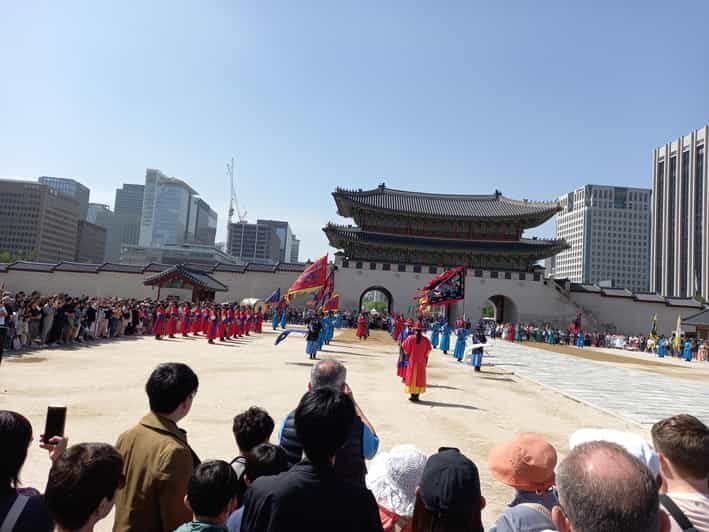
Most Seoul sightseeing works best when you start with a landmark that gives you orientation. This tour begins at Gwanghwamun Square, where the city’s royal and civic identity is easy to visualize. Even before you get into the palace, you’re in the right mental zone: Seoul built with history in mind, not just history on display.
The meeting is flexible. You can choose the meeting place and time after booking, and meeting at your hotel is possible. That matters because Seoul directions can feel intimidating if you’re jet-lagged, and private guidance helps you get your bearings fast.
The bigger practical point: this tour is only 4 hours. So starting in the right place helps you spend more time understanding, and less time figuring out where you should be standing.
You can also read our reviews of more guided tours in Seoul

Gyeongbokgung Palace: Reading Joseon Through Confucian Design
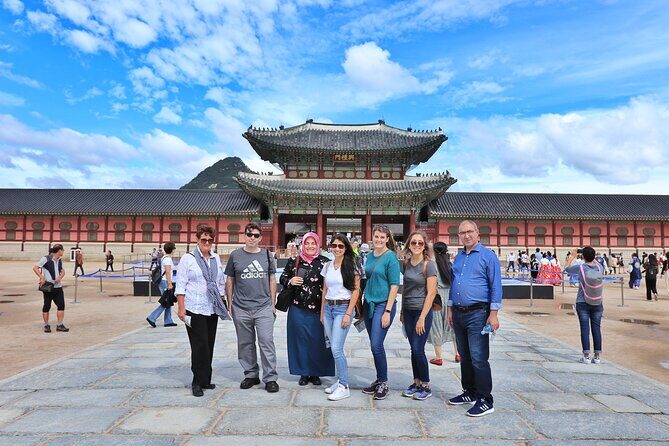
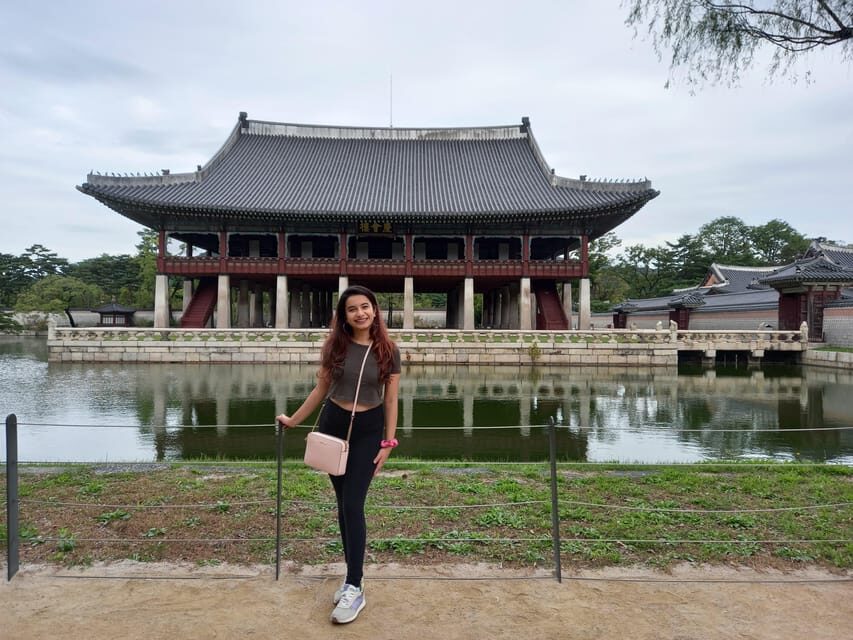
Gyeongbokgung is the core of the day, with guided time of about 2.33 hours. It’s not only the most famous palace in Seoul; it’s described as the most beautiful palace architecture in Korea and the main palace of the Joseon Dynasty. Built in 1395, it was designed to represent Confucianism—Joseon’s cultural and political backbone.
Here’s what I think makes this stop worth your time: the guide frames palace architecture as ideology you can see. The palace is called out as the largest and most magnificent, and it’s also noted as the only palace built on flat land using an authentic Confucian palace structure. That’s the kind of detail that turns a sight into a concept.
You’ll also get a helpful comparison style: the guide explains that without background knowledge—like how medieval Europe looks different once you understand Christianity—you can miss why certain architectural styles matter. In this case, the “key” is Confucianism. You don’t need to memorize philosophy, but you do need a lens. Once you have it, corridors, gates, and ceremonial spaces read like a system rather than random grandeur.
Practical note: palace time can feel like a lot if you’re expecting only photos. But if you like walking with someone who explains what you’re seeing, this is the kind of palace visit that actually sticks.
National Folk Museum of Korea: Real Life, Not Just Royal Objects
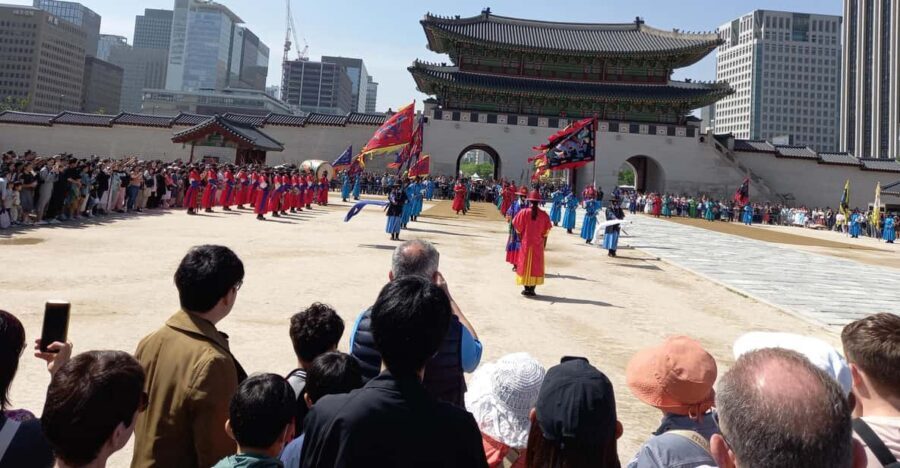
After the palace, the tour slows down in a different direction: the National Folk Museum of Korea. Guided time is about 30 minutes, so it’s not a “museum marathon.” Instead, it’s a focused lesson in how ordinary people lived during the Joseon period.
What makes this museum stop especially useful is the story it tells. It’s described as showing common people’s life and seasonal activities, including ceremonies and commemorational rituals tied to major life events. The museum’s exhibitions cover the full life process: from birth and growth, to marriage, aging, illness and treatment, and even death.
That’s a big deal because many palace visits in Seoul skew toward elites. This museum helps you balance the picture. You start seeing Joseon culture as lived experience—people observing rituals, marking seasons, coping with illness, and carrying social expectations through every stage of life.
Drawback to consider: with only 30 minutes, you’ll need to accept that you’re getting a guided snapshot. If you love museums and want to linger, plan to return later on your own.
Bukchon Hanok Village: Old Rooflines, Modern Frames
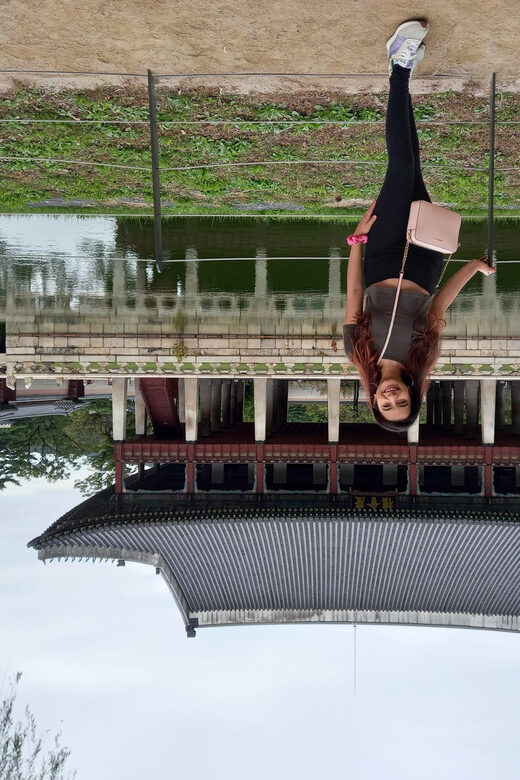
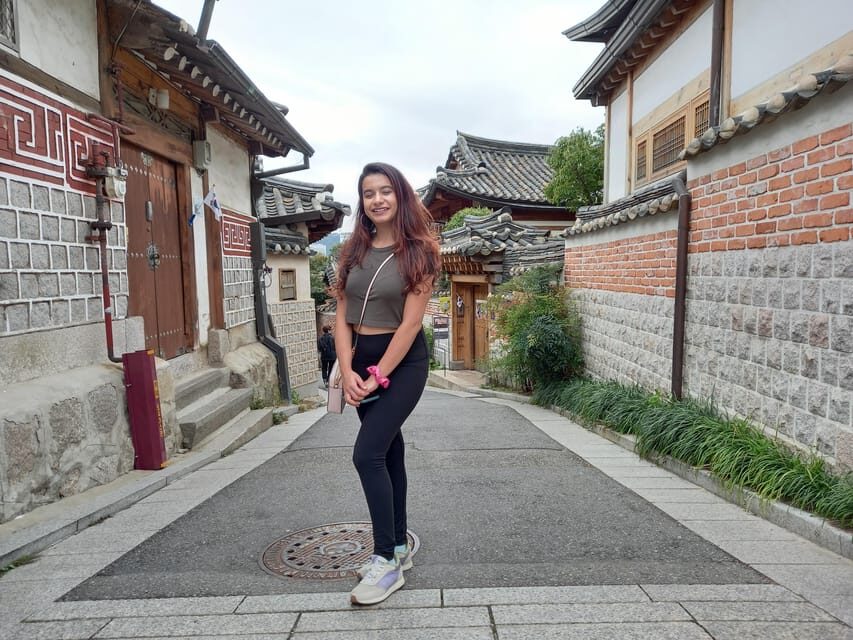
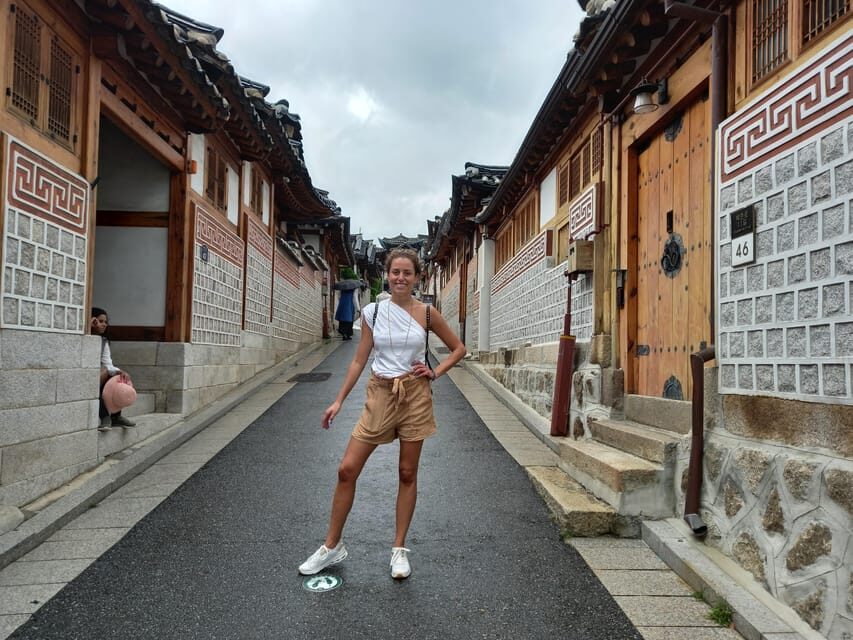
Next comes Bukchon Hanok Village, with about 40 minutes of guided time. It’s described as the largest cluster of hanoks in Seoul—around 1,000 traditional houses—and it offers views that blend traditional residences with modern Seoul’s skyline.
This is one of the best spots in the city to understand how Seoul manages layering. In Bukchon, you can see old and new not as separate “areas,” but as neighbors. The skyline backdrop and the mention of N Seoul Tower in the view line helps explain why Bukchon feels both timeless and instantly present.
I like this stop because it’s visual learning. You don’t need to understand every architectural term to get it. You just have to notice patterns: the way hanoks fit together, the rhythm of rooftops, and how the neighborhood’s layout shapes the views.
Practical tip: you’ll likely want comfortable shoes here. Even if you’re not rushing, old neighborhood streets and viewpoints can be uneven. Also, because time is limited, you’ll appreciate a guide who can point you toward good angles instead of wandering without a plan.
Insadong and Jogyesa Temple: Where Street Life Meets Buddhism HQ
The tour spends time in Insadong (about 30 minutes). This isn’t just about shopping streets or tea shops. It’s strategically tied to the temple stop that gives this tour its name: Jogyesa Temple.
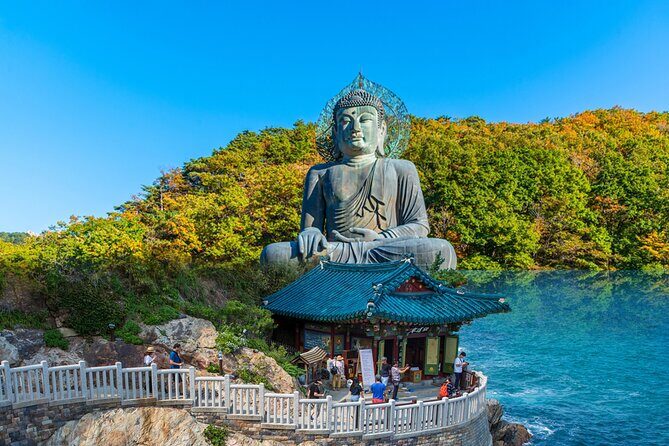
Jogyesa is described as the headquarter temple of Korean Buddhism. It’s built in 1926 in Insadong and located adjacent to Gyeongbokgung. The combination of “small but important” is a key point—Jogyesa is not presented as a giant complex, but as an organizational center with real religious significance.
This matters because it changes how you look at the space. Instead of thinking, I’m in a pretty temple, you’re thinking, this is where a larger tradition is organized and expressed. For anyone who likes religious history as a living system, this is the right pairing with a Confucian palace day. Two belief worlds in the same broader Seoul geography.
What you might not expect: Insadong can feel lively, so the temple provides contrast. You move from busy street energy into a calmer, ritual-focused environment that helps Seoul’s cultural identity feel real, not staged.
Photo Spots and the Value of a Private English Guide
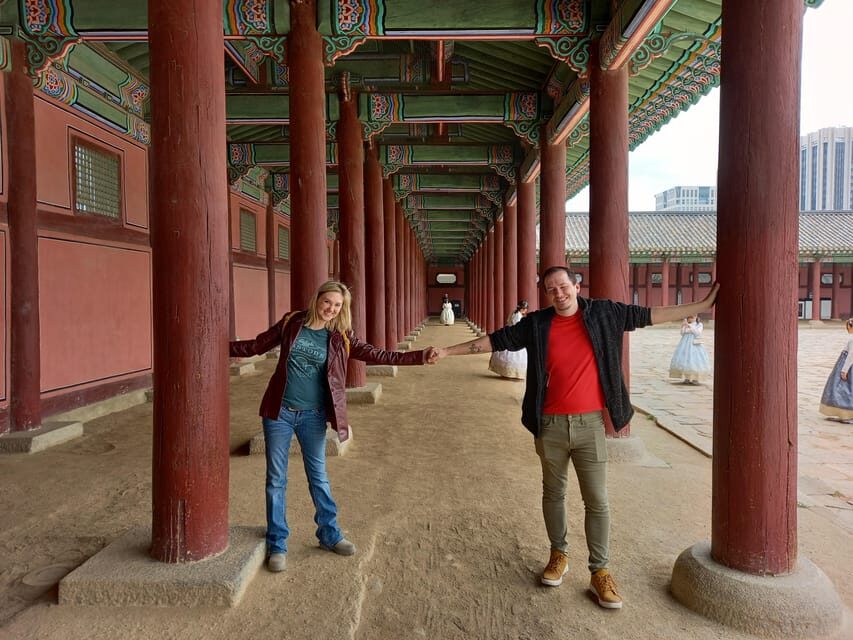
You’re paying for time with a live guide, and the guide fee covers 4 hours of interpretation. For a private group up to 2 people, the rate is $152 per group. Here’s how I’d think about the value:
- If you’re traveling as a pair, the cost can work out reasonably against hiring separate guides or trying to DIY with an app while also buying tickets at each stop.
- You’re also buying clarity. Paul Koo is specifically highlighted for detailed, thoughtful explanations in English, often guided by Confucianism. That lens helps you understand what you’re seeing instead of treating it like a checklist.
- The guide also helps with practical photo positioning, including suggesting where to stand for better compositions. Even if you’re not a serious photographer, these small pointers can save you time.
One thing to keep in mind: transportation is not included. That means you’ll handle moving between stops on your own. The good news is the walking segments and compact timing suggest it’s planned to be doable without major detours.
Also, admissions are separate. Palace and N-Seoul Tower tickets are not included in the price. If you want the full skyline payoff from the tower area, budget those fees ahead of time.
How the 4-Hour Structure Works (and When It Doesn’t)
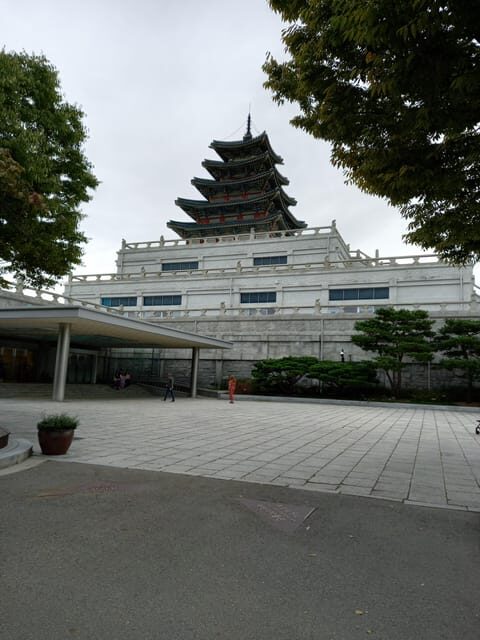
This is a tight, guided route: major palace time, a compact museum window, a hanok village walk, then Insadong with Jogyesa Temple context. That’s a good formula if you want Seoul’s cultural logic without spending a full day on just one neighborhood.
It may be less ideal if:
- You hate pace. Museums and palaces can feel rushed when the group schedule is fixed.
- You want long free time for shopping in Insadong. The focus here is cultural understanding, not extended wandering.
- You plan to visit additional temples on top of the main stops. With only 4 hours, you’ll feel the squeeze.
Still, for many first-timers, this tour functions like a map you can carry in your head. Once you grasp the Confucian lens in the palace and the Buddhism context at Jogyesa, Seoul’s other sights start to connect.
Who This Tour Fits Best
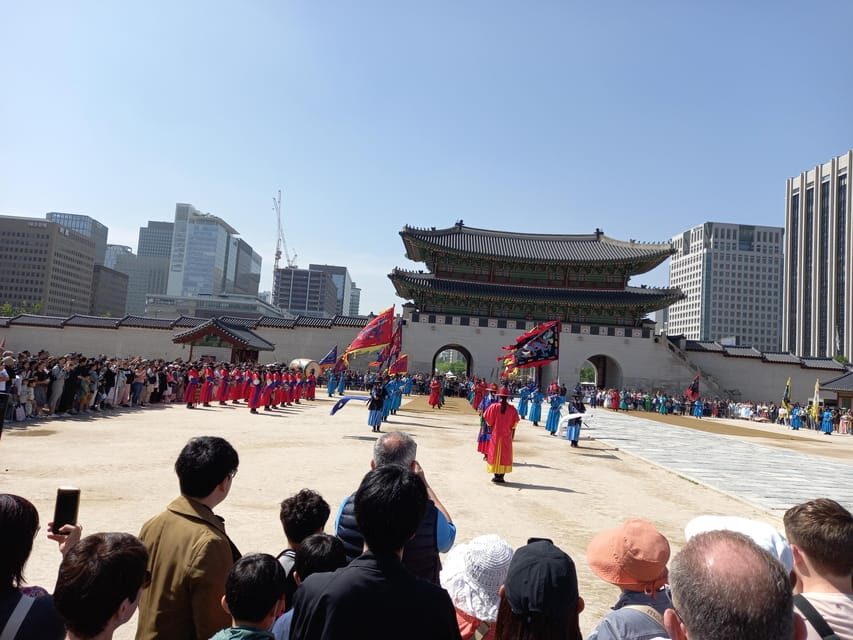
This tour fits best if you:
- Like architecture but want the “why,” not just the “what”
- Prefer guided explanations in English rather than self-guided guesswork
- Want both high culture (palace design) and everyday culture (folk life in the museum)
- Enjoy neighborhoods where old and new share the same street view, like Bukchon and Insadong
If you’re mainly hunting for photos and don’t care about the background, you might feel you’re paying for explanations you won’t use. But if you like learning what you’re looking at, the structure is built for you.
Should You Book This Seoul Palace, Bukchon, and Jogyesa Tour?
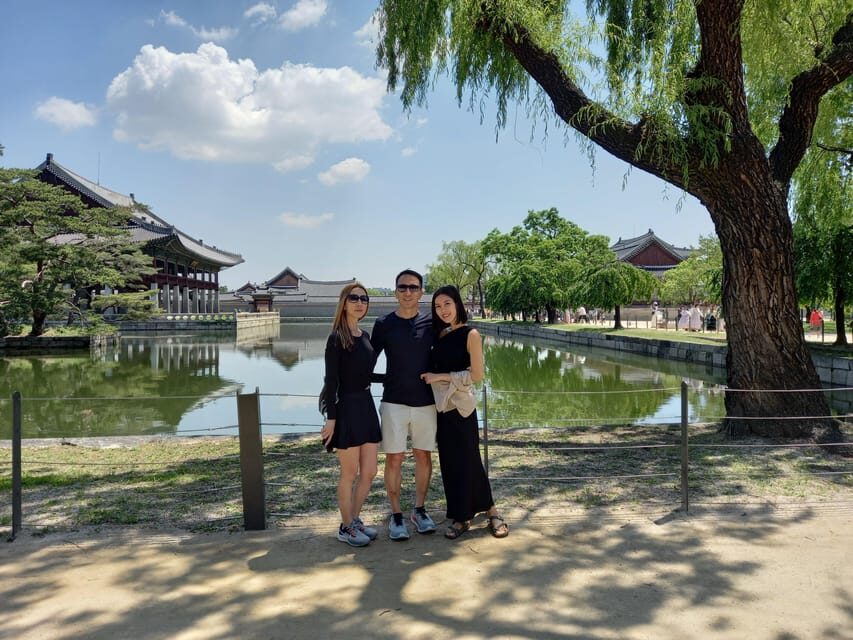
Yes, if you want a well-planned introduction to Seoul’s cultural identity in just 4 hours. The biggest reason to book is the way the guide connects places through Confucianism and architecture—especially at Gyeongbokgung—while still balancing that with real-life Joseon context at the Folk Museum and a Buddhism HQ stop at Jogyesa.
I’d only hesitate if you’re on a shoestring budget for admissions and transit, or if you’re the type who needs lots of unscheduled time. In that case, you’d likely be better off doing some stops on your own and spending more time per location.
If you can handle extra ticket costs for the palace and potentially N-Seoul Tower, this is the kind of private tour that helps Seoul feel understandable fast.
FAQ
How long is the Seoul guided tour?
It runs for 4 hours.
What is the price for this tour?
The price is $152 per group for up to 2 people.
What is included in the tour price?
The included item is the 4-hour guide fee with guide information.
Are palace or N-Seoul Tower admission fees included?
No. Palace admission and N-Seoul Tower admission are not included.
Where does the tour meet?
The meeting point is Gwanghwamun Square, but meeting place and time can be chosen by you after booking. Meeting at your hotel is possible.
Is the tour in English?
Yes, the live tour guide provides the tour in English.