REVIEW · SEOUL
Private DMZ SPY Tour from Incheon Airport
Book on GetYourGuide →Operated by DMZ Spy Tour Inc · Bookable on GetYourGuide
A DMZ day that feels personal, not packaged. This Incheon Airport-based private small-group tour follows a spy-commandos infiltration route, with stops tied to real firefights, underground warfare, and what people in North Korea do every day from behind the fence.
I love that it’s built for transfer tourists. You’re not stuck trying to solve Seoul logistics on your own before your flight, and you still get a full, structured day that moves from peace-park artifacts to tunnel engineering to observatory views. I also like the straightforward payoff: a practical lunch (including duck BBQ plus vegetarian options) right in the middle of a long day.
The main drawback to plan around is the physical and document side. You’ll need a passport (current and valid on the travel day), you should wear proper sneakers, and it isn’t wheelchair accessible—so wear for walking and keep your expectations on the active side.
In This Review
- Key things I’d circle on your plan
- From Incheon Airport to the DMZ: a day trip that works for layovers
- The spy-commandos angle: why this route feels different
- Barbed-wire fencing, drills, and the reality check of proximity
- The 3rd Infiltration Tunnel: where strategy becomes engineering
- Dora Observatory and the view puzzle: propaganda, Kaesong, and binoculars
- Odusan observation point: a short trek for a real village view
- North Korean BBQ duck lunch: the break that keeps the day enjoyable
- Price and value: is $185 worth it?
- How to prepare so the day feels smooth, not stressful
- Should you book this DMZ Spy Tour from Incheon?
- FAQ
- How long is the DMZ Spy Tour from Incheon Airport?
- Where do I get picked up at Incheon Airport?
- Where is the drop-off?
- What languages are available for the live guide?
- How big is the group?
- What’s included in the price?
- Is lunch included, and what will I eat?
- What do I need to bring?
- Is this tour wheelchair accessible?
- Are unaccompanied minors allowed?
- What’s the cancellation policy?
Key things I’d circle on your plan
- Small group of up to 2: more flexibility for questions and pacing
- Spy-commando infiltration route: stops connected to real attempts at infiltration
- 3rd Infiltration Tunnel: the underground invasion idea made tangible
- Dora Observatory + binocular viewing: propaganda from a distance, plus Kaesong visibility when conditions allow
- Odusan observation point: a short trek for a view of a real village across the river
- Lunch with duck BBQ and vegetarian options: a real meal break, not just a snack
From Incheon Airport to the DMZ: a day trip that works for layovers
This tour is designed for the kind of travel problem that’s common in Korea: you land at Incheon, you’re short on time, and you don’t want to spend your precious hours crossing the city just to start your DMZ day. Instead, you’re picked up directly at the airport, then taken on a round-trip surface transfer that keeps things simple.
Pickup is very specific: Exit 14 on the first floor at Incheon Airport Terminal 1, or Exit 3 on the first floor at Terminal 2. Drop-off comes back to the airport as well (Terminal 2 or Terminal 1 Transit Hotel Terminal 2). That airport-first setup matters because DMZ days can’t be rushed the way you might rush a normal museum visit. Getting started on time is half the battle.
Your day is also paced for a small group. This is limited to two participants, which usually means you’re not elbow-to-elbow with strangers while trying to hear history explanations or ask questions. If you’ve ever done a big-group DMZ tour, you know the problem: you spend most of the time trying to stand where the guide can see you. A tiny group avoids that.
You can also read our reviews of more private tours in Seoul
The spy-commandos angle: why this route feels different
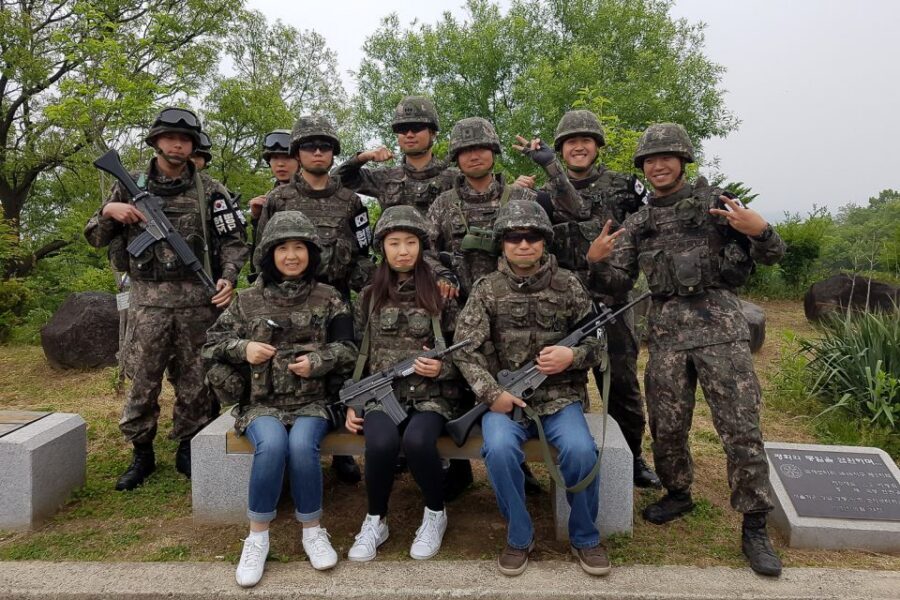
Lots of DMZ tours give you the broad strokes. This one leans into a narrower story: the North Korean spy infiltration route and how that played out on the ground, including where South Korean and US special operations intersected.
That focus shows up early. You go to the site near the former Blue House where the first gun battle took place between North and South Korean commandos. It’s not just a name on a sign. The idea here is that you’re trying to understand what it felt like to move through contested territory—before the modern lookouts and control points were the main characters of the story.
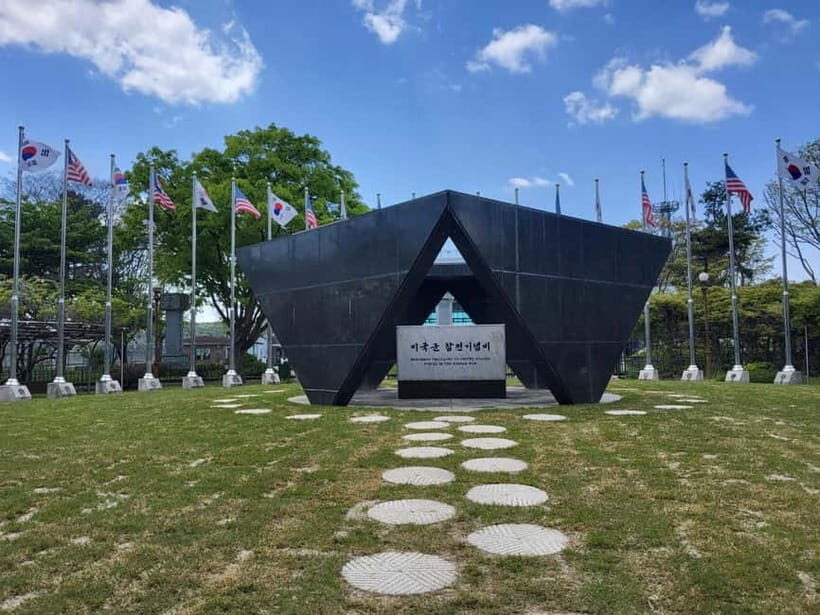
Then you shift from battlefield memory to the larger war system. The tour stops at Imjingak Peace Park, where you can see war artifacts, artillery, and military bunkers. This is the kind of place where the scale of conflict stops being abstract. Even if you’ve read about the Korean War before, it tends to land differently when you see objects connected to that era in one concentrated area.
One caution: DMZ days include controlled movement and rules around photo and timing. You’ll be traveling in an authorized car and you’ll follow the time and photo regulations your operator gives you. It’s not just a suggestion; it’s part of how the day stays allowed to run.
Barbed-wire fencing, drills, and the reality check of proximity
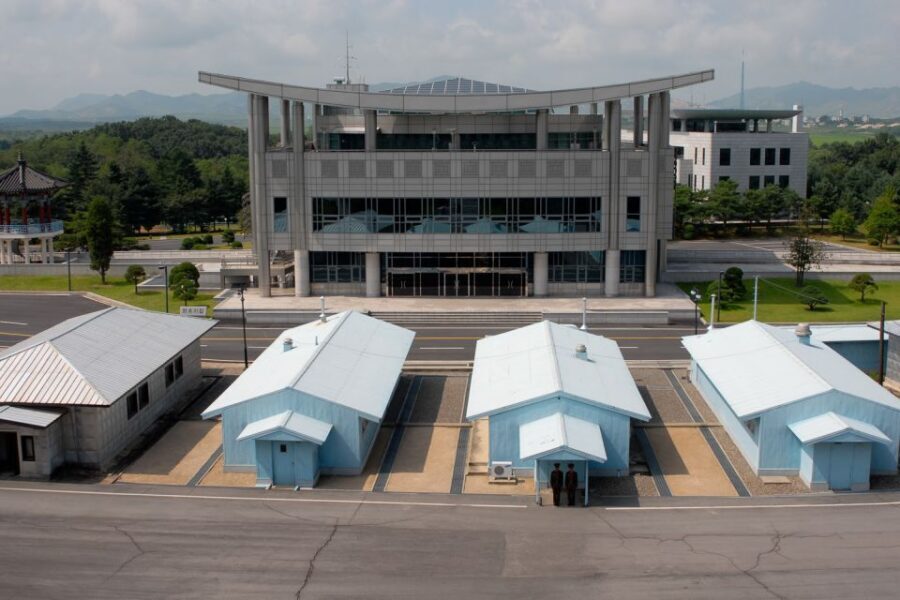
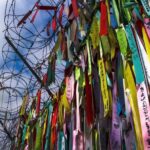
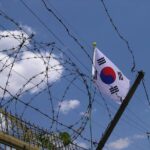
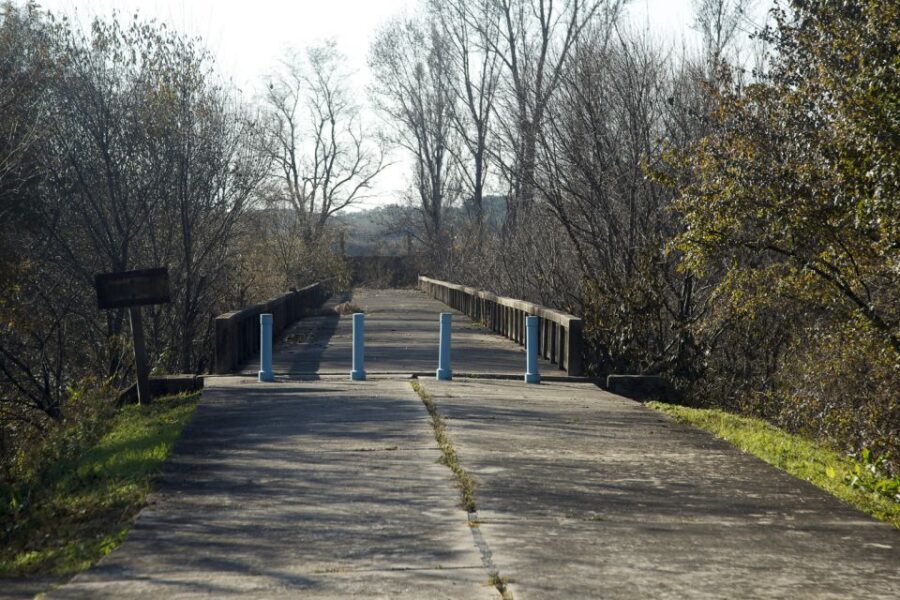
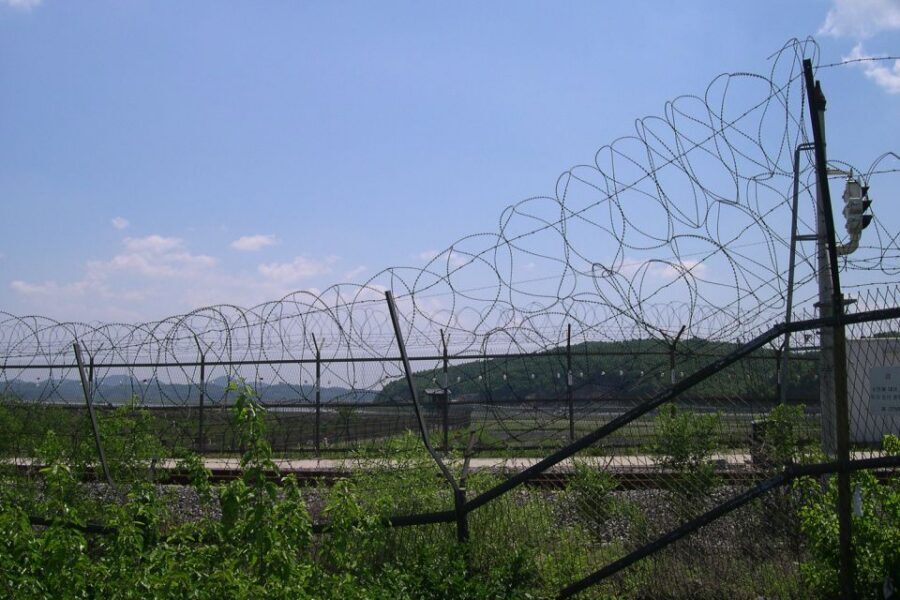
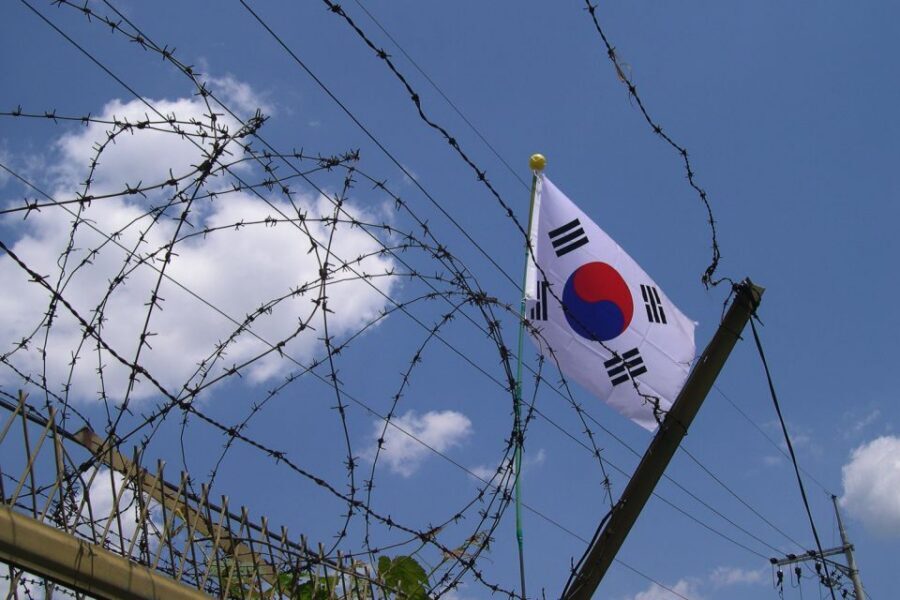
As the day continues, the tour keeps pulling you closer to the idea of tension. You follow your guide along the DMZ’s barbed wire fence past soldiers on drill. From a distance, DMZ views can feel postcard-flat. This is different: you’re seeing how the fence and the military routines shape daily life and security planning.
This is also where it helps to have a guide who can connect what you’re seeing to the story. One review highlights a guide named Scott who was described as very well informed and very focused on safety and driving. Another review mentions Shrek Lee as particularly knowledgeable, with access to places other tours don’t use as often. Even if your specific guide isn’t one of those names, the point stands: DMZ tours live or die on the explanation, not just the scenery.
The practical side: this is a long day. Expect some walking and standing, and keep your eyes on where your group is moving. Sneakers are required for safety, and comfortable shoes help you stay upright for photos and pauses.
The 3rd Infiltration Tunnel: where strategy becomes engineering
If you want one stop that changes your understanding fast, it’s the 3rd Infiltration Tunnel. The tour frames it as a stealthy, underground invasion concept designed and dug in 1978. Standing there with the tunnel in front of you turns the word infiltration into something physical.
The tunnel experience matters because it reframes the DMZ. It’s not only about what you can see across the border. It’s also about what people tried to build out of the ground, trying to move undetected and exploit gaps.
This is also the portion of the day that tends to feel most intense. Even without going into technical details beyond what your guide provides, you get the feeling of how much planning went into underground movement. For many people, it becomes the emotional center of the tour because it’s both frightening and unrealized—an ambition that never fully played out the way it was designed.
Dora Observatory and the view puzzle: propaganda, Kaesong, and binoculars
After lunch, the tour moves into a different kind of viewing: Dora Observatory. This stop is about distant perspective and what governments choose to show—or hide.
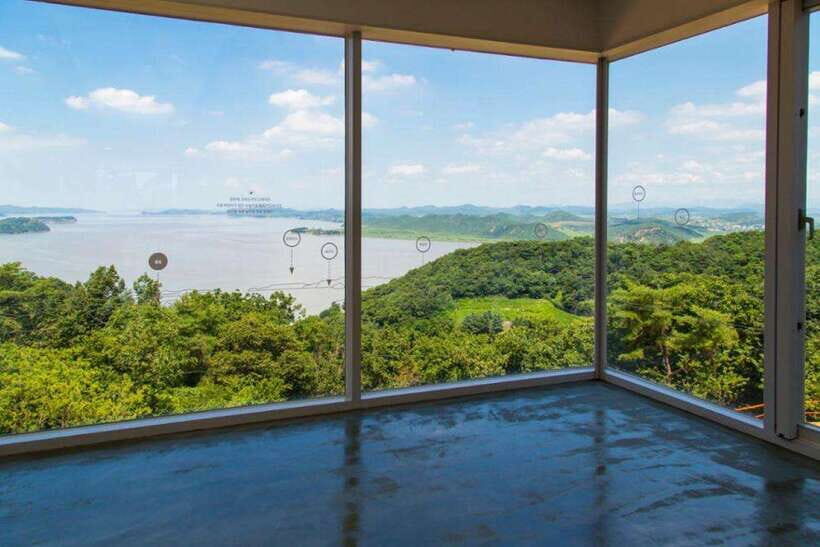
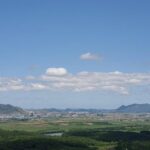
From here you catch a glimpse of a North Korean propaganda village and faraway Kaesong City through powerful binoculars. The binocular part matters because with the naked eye, these places can look like haze and guesswork. With proper magnification, you get the sense of distance but also the shape of what’s being shown.
It’s also a useful contrast to the tunnel stop. You go from underground stealth to above-ground theater and messaging. Together, they help you understand why the DMZ isn’t just a line on a map—it’s also a system of visibility, control, and signaling.
Depending on conditions, visibility may vary, so don’t treat this like a guaranteed shoot-the-skyline moment. Treat it as a viewing window that’s worth taking seriously when it’s offered.
A few more Seoul tours and experiences worth a look




Odusan observation point: a short trek for a real village view
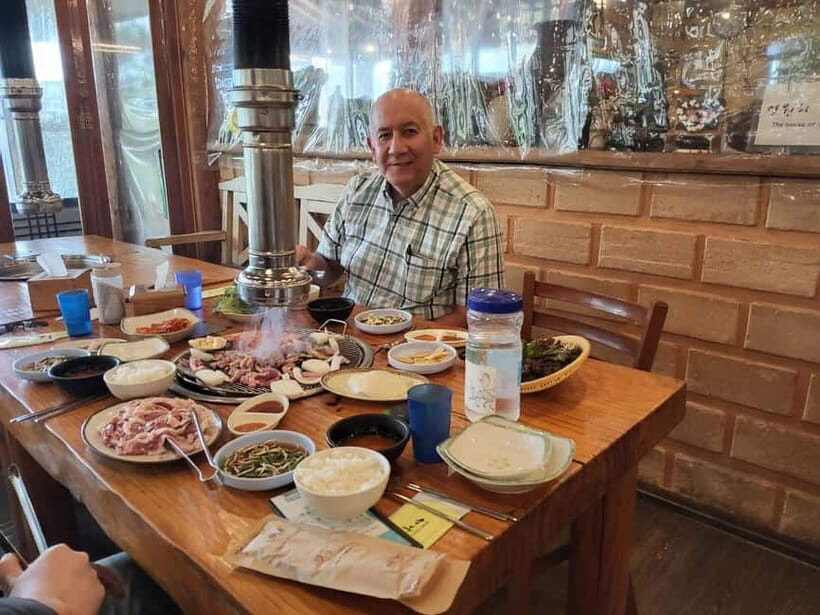
Next comes a short trek to the Odusan observation point. The reward is a view of a real North Korean village across the river border. Your guide explains traditions of North Korean farming life, which gives the view context rather than leaving it as a vague faraway scene.
This is one of the stops where your brain starts doing the hardest work: connecting what you see to human routines. When you hear about farming traditions and how daily work happens under border constraints, the imagery becomes less about curiosity and more about empathy—without requiring you to pretend you know everything.
Also, it’s a trek. You’ll want those sneakers again. Even a short walk can feel longer when the day is already close to ten hours.
North Korean BBQ duck lunch: the break that keeps the day enjoyable
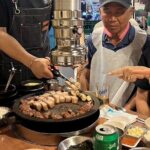
Long DMZ days can turn into survival mode: water, bathrooms, and trying not to get cranky. This one uses a real lunch stop to reset you. The meal is built around barbecued duck, along with other North Korean specialties, and there are vegetarian options available.
In value terms, lunch is a meaningful part of the price. You’re not paying only for the sightseeing; you’re also getting an included meal that keeps you functioning through the later observatory and trek. If you’re vegetarian, don’t worry about guessing—your day plan includes vegetarian choices, so it’s not strictly duck or nothing.
One detail worth noting: the menu is described as BBQ Duck or equivalent. That means you should expect a duck-focused BBQ meal, but the exact version might vary.
Price and value: is $185 worth it?
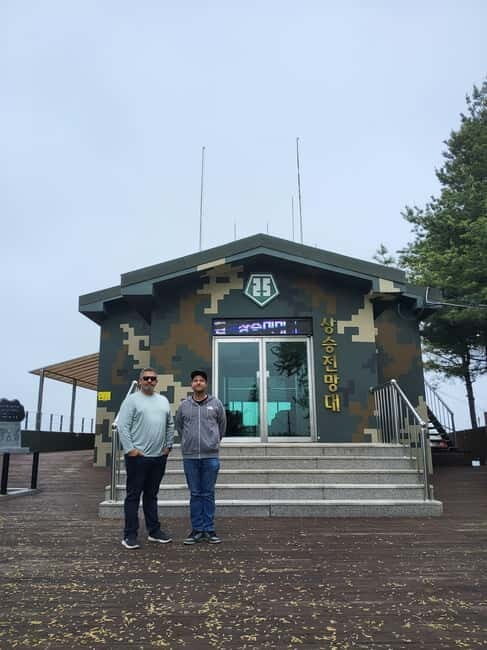
At $185 per person, this tour is not cheap by casual-visitor standards. But it can make sense for the right traveler, especially because it’s small-group (up to 2), includes entrance fees, includes lunch, and includes pickup and drop-off service from the airport.
Where the value shows up:
- Time saved: airport-to-DMZ logistics handled for you
- Less wasted waiting: you’re moving as a controlled group in an authorized car
- Included costs: entrances and lunch are already part of the package
- More Q&A time: small group means you can ask questions without shouting
Where it might not fit:
- If you’re traveling solo with no need for special airport coordination, other DMZ options may cost less.
- If you’re uncomfortable with walking and aren’t able to wear sneakers comfortably, this day can feel like too much.
How to prepare so the day feels smooth, not stressful
Before you go, keep the basics tight. This is one of those tours where you benefit from being a little organized in advance:
- Bring your passport and make sure it’s valid on the travel day.
- Wear sneakers. Your feet will do better than your expectations.
- Plan for long hours. It’s a full-day experience (about 10 hours), so eat light before pickup and stay hydrated.
- If you need a specific language (English, Japanese, or Korean), this tour runs with a live guide in those languages, so confirm that you’re matched appropriately when you book.
One more heads-up: the operator may rearrange the tour in the event of unannounced military training or an official event in the DMZ. So don’t schedule a flight out so tightly that you’d panic if timing shifts.
Should you book this DMZ Spy Tour from Incheon?
If you have an Incheon layover (or you’re starting and ending at the airport) and you want a focused, spy-route style DMZ day with up to 2 people in your group, I think this is an excellent match. The mix of battlefield-adjacent sites, tunnel history, and observatory viewing gives you multiple angles on the same overall conflict, without turning the day into random stops.
Book it if:
- You want airport convenience handled cleanly
- You like structured context, not just views
- You want the day to feel more personal with a tiny group
Skip it if:
- You need wheelchair accessibility (this tour isn’t wheelchair accessible)
- You really hate walking/standing
- You’re trying to minimize cost above all else
If you’re in the right situation—especially a layover traveler—this feels like one of the more sensible ways to do the DMZ without spending your day solving transportation.
FAQ
How long is the DMZ Spy Tour from Incheon Airport?
It’s listed as a 10-hour experience. Starting times can vary, so you’ll want to check availability when you book.
Where do I get picked up at Incheon Airport?
Pickup is at Exit 14 on the first floor of Incheon Airport Terminal 1, or Exit 3 on the first floor of Incheon Airport Terminal 2.
Where is the drop-off?
Drop-off is at either Incheon International Airport or Incheon Airport Transit Hotel Terminal 2.
What languages are available for the live guide?
The live guide is available in English, Japanese, and Korean.
How big is the group?
This is a small group limited to 2 participants.
What’s included in the price?
Included are entrance fees for all visiting places, lunch (BBQ Duck or equivalent), a local English-speaking guide, and pick-up/drop-off plus round-trip surface transportation.
Is lunch included, and what will I eat?
Yes. Lunch is included and features barbecued duck (or an equivalent), plus options that also include vegetarian choices.
What do I need to bring?
You should bring a passport and wear comfortable shoes (sneakers are required for safety).
Is this tour wheelchair accessible?
No. It is not wheelchair accessible.
Are unaccompanied minors allowed?
No. Unaccompanied minors are not allowed, and children must be accompanied by an adult.
What’s the cancellation policy?
Free cancellation is offered up to 24 hours in advance for a full refund.