REVIEW · SEOUL
From Seoul: Aegibong Starbucks Observatory & DMZ View
Book on GetYourGuide →Operated by VIP Travel · Bookable on GetYourGuide
Borderline-good coffee and views.
This 5-hour outing is one of the easier ways to experience the DMZ orbit without spending a full day on buses: you go to Aegibong Peace Park for the closest Starbucks with a North Korea view, plus telescopes and multiple photo chances. I like that the stop is built around more than the coffee window—you get context in and around the exhibition spaces, then move outside for the payoff.
What I love most: the Starbucks at the top floor of the park’s building, where the big windows frame the Jogang River area and North Korea beyond. Second, I love the way the tour is guided by real people who can explain what you’re seeing without turning it into a lecture—names like Eva, Crystal, Hana, and Gogo show up in the most enthusiastic feedback, and the common thread is clear, engaging storytelling. One possible drawback: this is an outdoor-heavy day at an observatory and park, so if weather rolls in (clouds/fog/rain), your view can soften, and you’ll also want to plan around the fact that food and drinks aren’t included.
In This Review
- Key highlights worth planning for
- North Korea-view Starbucks: why this tour feels different
- Your 5-hour plan from Seoul (pickup, rides, and timing)
- Aegibong Peace Eco Park: Hill 154, myths, and why the site matters
- Exhibition Hall at Aegibong: the big window and the videos
- Starbucks on the top floor: best use of your time (and why it’s worth it)
- Jogang Observatory: the 1.4 km perspective and how to look
- Suspension bridge moment: 112 meters of calm-and-joy energy
- Price and what you’re really paying for ($45)
- Guides and group vibe: what stands out in the feedback
- What to bring (and what to skip)
- Who this tour suits best
- Should you book the Aegibong Starbucks & DMZ View tour?
- FAQ
- How long is the tour?
- Where does the tour start from Seoul?
- Where does the tour end?
- Is the tour guided in English?
- What’s included in the price?
- Are food and drinks included?
- Do I need a passport?
- What can I expect to see at Aegibong Peace Park?
- What’s special about Jogang Observatory?
- Is there a cancellation option?
Key highlights worth planning for
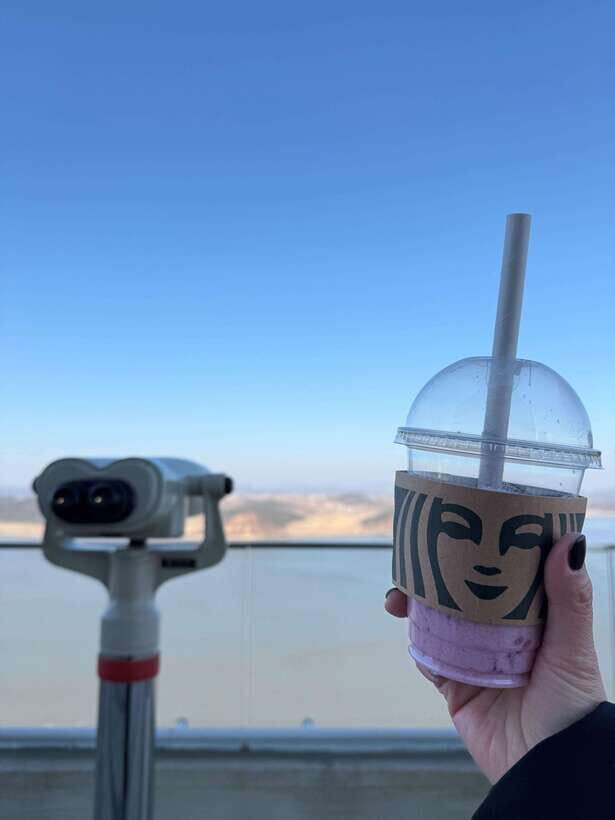
- Starbucks with the North Korea view: grab a coffee at the top floor while you’re looking out across the region.
- Jogang Observatory is close (1.4 km): an outdoor spot designed specifically for seeing Gaepung-gun from a distance.
- Suspension bridge length: 112 meters: a quick adrenaline moment linking themed gardens to the Sky Forest Garden.
- Exhibition Hall window views: you can watch the Jogang River area through a large front window and follow videos inside.
- Short day structure (about 5 hours): built for people who want DMZ-adjacent impact without a long haul.
North Korea-view Starbucks: why this tour feels different
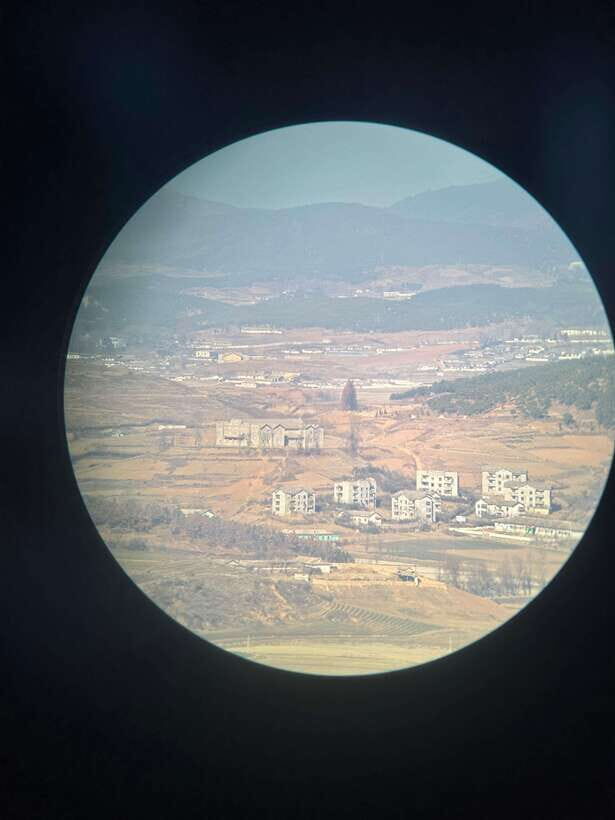
A lot of “DMZ-area” experiences in Korea boil down to a single photo stop. This one is more like a mini journey with a beginning, middle, and a very intentional “look here” payoff.
You start with the Aegibong Peace Eco Park area, a small mountain site at Hill 154 along the boundary between Gageum-ri (Haseong-myeon) and Jogang-ri (Wolgot-myeon) of Gimpo-si. That geography matters. It’s not just a random viewpoint—this spot connects directly to the kind of layered tension and loss that the Korean War left behind in nearby border regions.
Then you get that special coffee moment. The Starbucks here sits on the top floor at the Aegibong Peace Park, so it’s not a gimmick “coffee shop near a fence.” It’s a built-in pause where your drink and your sightline are part of the same experience. If you’ve ever visited a museum and wished the story had one clear visual anchor, that’s what this does: it gives you a window, a view, and a few structured ways to interpret what you’re seeing.
You can also read our reviews of more tours and experiences in Seoul.
Your 5-hour plan from Seoul (pickup, rides, and timing)
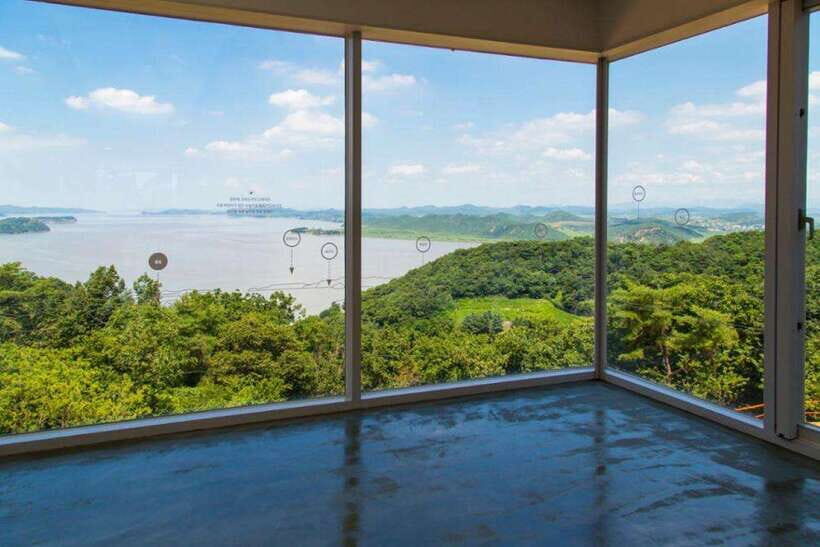
This tour is designed as a half-day. The duration is listed as 5 hours, and you’ll do two main park/exhibition components plus a final return to Seoul.
Pickup options include:
- Myeong-dong
- Hongik Univ. Station Exit 3
- THE PLAZA Seoul, Autograph Collection
You finish at Hongik University Station Exit 4. Meeting point can vary depending on which start option you booked, so check your exact confirmation details when you reserve.
What makes this schedule work for real travel days is the pacing. Instead of rushing you through one place, you get around 1.5 hours at the first park segment and around 1.5 hours for the Jogang Observatory portion. In practice, that usually means you can do the “guided” part, then still have enough breathing room for photos and a slow look at the river and distant features.
Also, a bunch of the feedback highlights that transport is smooth and comfortable, with some people specifically noting a comfortable bus/minivan setup and easy pickup directions. That matters because getting to this area takes time, and you’ll want energy when you reach the viewpoint.
Aegibong Peace Eco Park: Hill 154, myths, and why the site matters

The first stop is the Aegibong Peace Eco Park. Even before you get to big windows or coffee, the location itself sets the tone.
Hill 154 is described as a small mountain tied to local history and myth—its original name is mentioned as resembling a daisy crown. It’s also linked to a heartwrenching legend about the Governor of Pyeongan Province and Aegi during the Qing invasion of Joseon.
But the Korean War connection is the part that turns a pleasant park into something heavier. This area is also described as a strategic military point where fierce battles took place during the war. That means when you’re walking themed gardens and crossing over a bridge, you’re doing it on ground that has a documented history of conflict and displacement.
If you like experiences that are more than “stand and snap,” this is a good fit. The park setting creates a natural rhythm: walk, look around, hear the context, then gradually build toward the observatory and the most direct view.
Exhibition Hall at Aegibong: the big window and the videos
Your route includes a stop at the Exhibition Hall area in the park. Here’s a key detail: it’s on the second floor, and you can view the Jogang River area through a large front window.
Inside, there are videos related to the Jogang River, which helps you understand what you’re looking at outside. I like this approach for two reasons:
1) It gives your eyes something to look for (you’re not just staring at distance).
2) It turns the walk into a story, not a checklist.
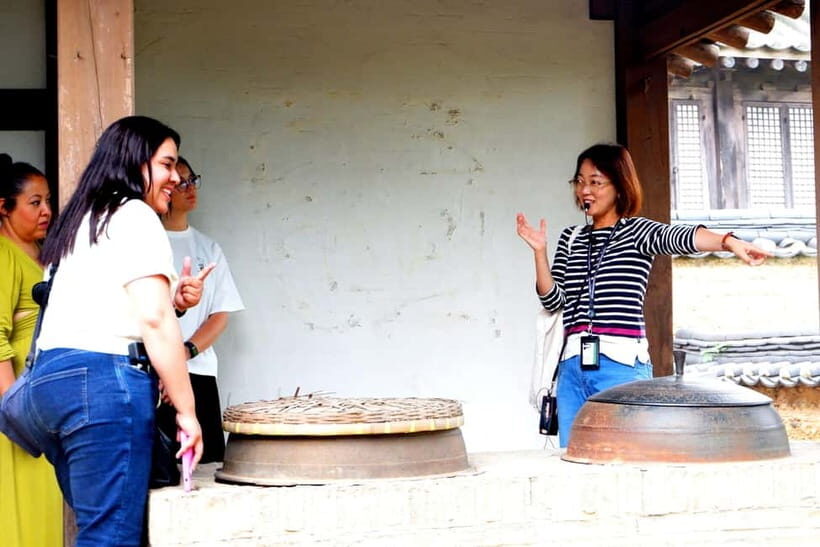
You’ll also get organized photo chances in this portion of the visit, which is useful if you’re traveling in a group and don’t want to keep asking the guide where to stand. One of the most consistent themes from the feedback is that guides made the history and current issues understandable—people specifically praised guides like Eva, Crystal, Hana, Eva again (multiple bookings), and Gogo for explaining in an engaging way.
Practical note: the most important “view” element here is the big window. If it’s sunny, you’ll get brighter reflections. If it’s cloudy, your view can feel more muted. Either way, the exhibition hall gives you a structured way to stay focused while you wait for the outdoor portions.
Starbucks on the top floor: best use of your time (and why it’s worth it)
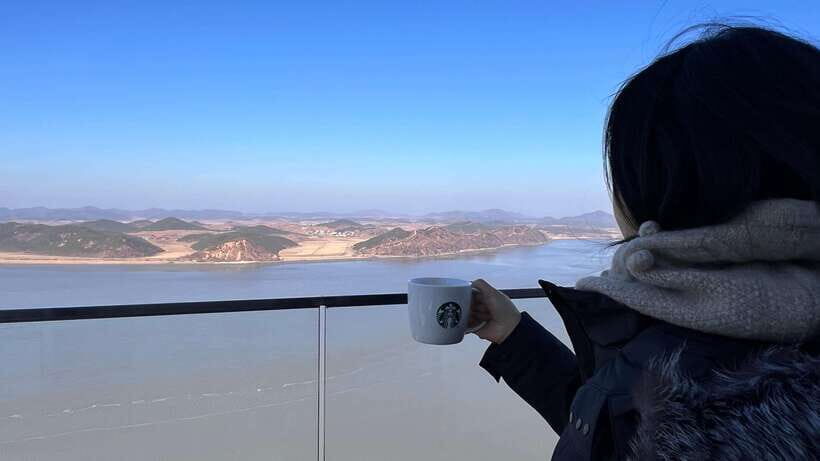
Let’s talk about the obvious headline: Starbucks at the top floor of the Aegibong Peace Park building.
This is one of those rare tourism situations where the coffee is not just a rest stop. Because it’s positioned to face the view, it becomes a timed moment. You can sit, sip, and actually study the distant river area while your brain catches up to the context you just heard.
Also, because food and drinks are not included in the tour price, you should expect to pay for your coffee and any snacks on-site. For me, that’s part of the honest value equation here: your paid cost covers transport, guide time, and entrance fees, but you still need to budget for your own refreshment.
Value tip: if you’re picky about coffee timing, plan to order once you’re settled rather than rushing to the counter while your view moment is happening. You’ll get a better experience out of the stop if you treat it like a viewpoint break, not a quick caffeine run.


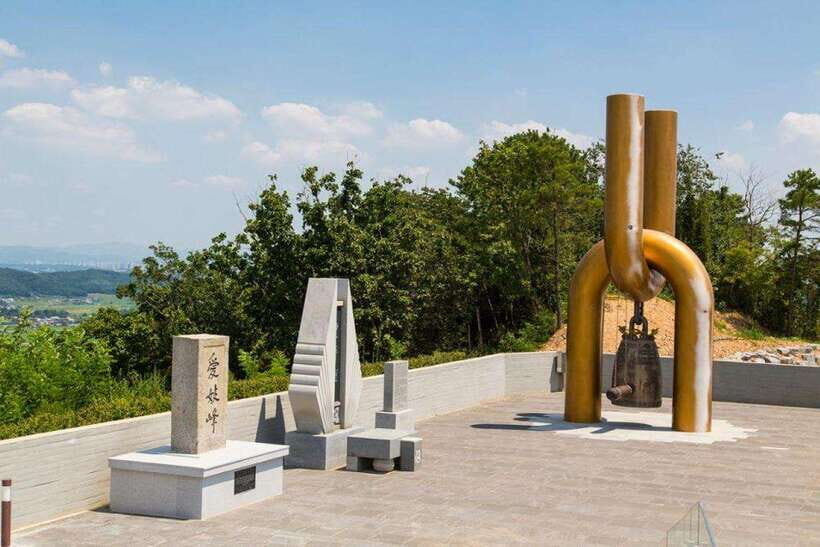
Jogang Observatory: the 1.4 km perspective and how to look
After Aegibong Peace Eco Park, you go to Jogang Observatory, an outdoor viewing space designed for a distance-based perspective.
The description calls it the closest observatory, highlighting the “heartrending beauty of Gaepung-gun in North Korea” from just 1.4 kilometers away. That’s a specific number, and it’s a big part of why this site is memorable. You’re not guessing where you’re supposed to look—you’re in a spot built for sightlines.
In the program, you’ll have:
- a photo stop,
- time for walking,
- and a guided tour component.
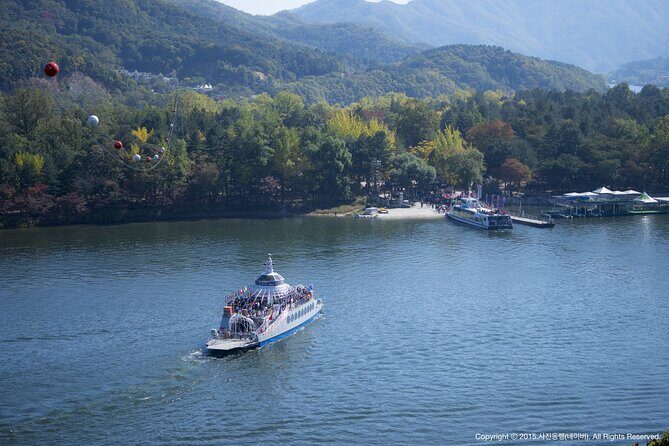
Then there’s the part you’ll feel in your body: you’re looking out across the Jogang River and toward North Korea, and it can hit differently than a normal viewpoint. It’s not “distant scenery.” It’s a border-adjacent reality—made even more real by the fact that Jogang is described as downstream of the Hangang River area and tied to rivers meeting and flowing into the West Sea.
If you want practical ways to make this part work:
- Take a moment to pause before you start filming or snapping.
- Look for the shapes and movement first (people, lines, structures if visible), then widen your view.
- If you have telescopes available at the site (some feedback specifically mentions telescopes), use them early so you’re not stuck later when crowds or weather shift.
Weather can matter here. One review notes cloudiness yet still calling it worth it, and another mentions view changes with rain starting near the end. So keep an eye on the sky and be ready to use your “best light” time fast.
Suspension bridge moment: 112 meters of calm-and-joy energy
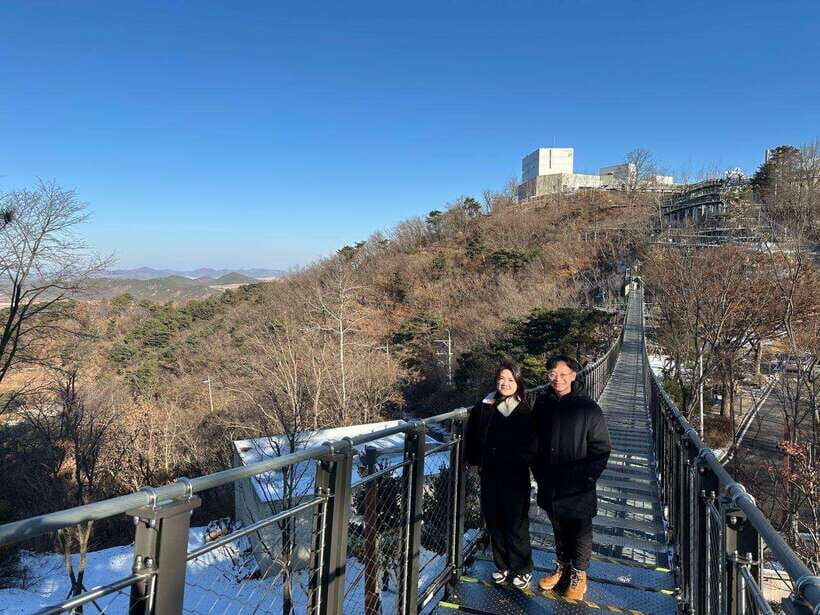
The itinerary includes a suspension bridge connecting the Themed Gardens to the Sky Forest Garden, with a listed length of 112 meters.
That bridge stop is important because it adds a human-scale, body-in-the-air element to a day that’s otherwise heavy in topic. You get the kind of quick thrill that makes it easier to handle the heavier context without feeling numb.
Also, a bridge gives you movement and perspective. You’re not just standing at an overlook; you’re crossing, changing your sight angle, and getting a sense of the park’s layout and elevation. If you like walking breaks and small “fun” stops that don’t turn the day into a theme park, this one usually lands well.
Price and what you’re really paying for ($45)
At $45 per person, this tour isn’t the cheapest way to spend half a day out of Seoul. But the value is in what’s bundled.
You’re paying for:
- round-trip transportation
- a live tour guide (English)
- all entrance fees
That’s meaningful because DMZ-adjacent travel costs time and complexity. A guided, organized trip means you’re not piecing together separate transfers or trying to manage your own entry and timing. For many people, that’s the whole point of paying: you buy smooth logistics so you can focus on the viewing and the story.
Then there’s the Starbucks factor. Since food/drinks aren’t included, your $45 doesn’t turn into a full meal plan. But the Starbucks stop itself is integrated into the experience, and the fact that you get a viewpoint-based coffee break can be part of the satisfaction equation—especially if you want a structured day that still feels relaxed.
If you’re deciding based on price, I’d frame it like this: you’re paying for organization and context. You’re not paying for an all-you-can-see package of border access. This is about the observatory viewing, park setting, and guided interpretation.
Guides and group vibe: what stands out in the feedback
The tour is led by an English-speaking live guide, and the feedback is heavily weighted toward guide quality.
Some guide names that appear in strong reviews include: Eva, Crystal, Hana, Gogo, Alex, Lina, Judy, Alice, Diana, Lily, and Yuna.
What people repeatedly appreciated:
- guides who explain DMZ/Korean War history clearly,
- engaging conversation and Q&A,
- and guides who help with photos and keep the day from feeling rushed.
Transport feedback also matters. Several reviews mention comfort and smooth riding, and at least one person praised a mini bus with A/C and another mentioned a Mercedes-style bus. I can’t promise the exact vehicle type for every departure, but the consistent message is that the ride is comfortable enough to not drain your energy before the best viewing parts.
Group size isn’t explicitly stated, but at least one review mentions a small group feel. If you’re sensitive to crowds, that’s a good sign to look for in your departure details.
What to bring (and what to skip)
This one’s simple: bring your passport. That’s explicitly required.
For “how to be comfortable” on a viewpoint day, bring what you’d normally bring for outdoor Korean weather: layers and shoes that handle walking. That’s not listed, but it matches how observatory stops and park walking work. If you don’t want to carry extra items, keep it light—this tour includes transit and walking, and you’ll want to spend your energy on the views.
Skip heavy plans for meals, because food and drinks aren’t included. You can grab coffee at Starbucks, but you should also consider whether you want water or a snack bought separately.
Who this tour suits best
This is a strong match if you:
- want North Korea-area views but don’t want a whole-day DMZ schedule,
- like guided context (especially Korean War history explained in plain language),
- and enjoy a mix of calm sightseeing plus one fun physical stop (the bridge).
It’s also a good pick for second-time DMZ visitors who feel like they’ve already seen the main Paju-style options and want something different in approach and setting. At least one review explicitly framed it that way.
You might reconsider if:
- you’re only interested in a very specific kind of border access (this experience is focused on observatory and viewing points),
- or you’re traveling on days when rain/fog is likely and you know you hate losing views.
Should you book the Aegibong Starbucks & DMZ View tour?
If you want a half-day plan that combines a “wow” view, a viewpoint-based coffee stop, and history you can actually understand, I think it’s an easy yes. The fact that transportation, entrance fees, and a guided English explanation are bundled makes it feel efficient. And the repeated praise for guides like Eva, Crystal, and Hana suggests the narration is a real part of the value, not an afterthought.
Book it if your priority is making the best use of limited time in Seoul while still experiencing the emotional weight of the region through a structured route. Consider skipping or adjusting expectations if you’re the type who gets frustrated by weather-dependent outdoor views, since the day includes outdoor observatory time.
FAQ
How long is the tour?
The duration is listed as 5 hours.
Where does the tour start from Seoul?
Pickup options include Myeong-dong, Hongik Univ. Station Exit 3, and THE PLAZA Seoul, Autograph Collection.
Where does the tour end?
It finishes at Hongik University Station Exit 4.
Is the tour guided in English?
Yes. The tour includes a live English tour guide.
What’s included in the price?
Round-trip transportation, a tour guide, and all entrance fees are included.
Are food and drinks included?
No. Food and drinks are not included.
Do I need a passport?
Yes, you need to bring your passport.
What can I expect to see at Aegibong Peace Park?
You visit Aegibong Peace Eco Park, see the Exhibition Hall (with large window views of the Jogang River area and videos), and you’ll also experience the suspension bridge.
What’s special about Jogang Observatory?
It’s an outdoor observatory described as the closest observatory, highlighting Gaepung-gun in North Korea from about 1.4 kilometers away.
Is there a cancellation option?
Yes. Free cancellation is available up to 24 hours in advance for a full refund.