REVIEW · SEOUL
Mangwon Market Food tour By Locals;Cheap Eats to Fancy Feast
Book on GetYourGuide →Operated by environment design lab · Bookable on GetYourGuide
One market, two cravings, zero planning stress. I love how this Mangwon Market food tour brings you street-to-premium bites with Jay, plus stories from the neighborhood, and it delivers range that feels like a highlight reel. You’ll also taste premium comfort food like Hanwoo beef, not just the usual snack run.
One thing to know up front: this tour is not suitable for vegans (and it also isn’t a fit for vegetarians). If you eat meat or fish but want to try Korean market food the right way, you’re in the sweet spot.
In This Review
- Key points at a glance
- Why Mangwon Market Feels Like a Local Food Shortcut
- Getting Oriented: Mangwon Station Exit 2
- 80 Minutes in Mangwon Market: Street Bites with a Payoff
- The Middle of the Tour Moment: How Jay Builds the Story
- The 40-Minute Restaurant Stop: Hanwoo and Homemade Tofu
- Korean Fried Chicken Meal: The Payoff You’ll Be Thinking About
- Price and Value: Is $58 Reasonable Here?
- Who This Tour Suits Best (And Who Should Skip It)
- Should You Book the Mangwon Market Food Tour?
- FAQ
- Where do I meet the guide?
- How long is the tour?
- What’s the schedule inside the tour?
- Is Korean fried chicken included?
- Is there a vegan or vegetarian option?
- What languages is the tour in?
- What’s the latest time I can arrive?
Key points at a glance
- Mangwon Station start near Hongdae makes it easy to slot into a fun day
- Jay’s neighborhood approach connects what you eat to the local food culture
- Street food to Hanwoo beef keeps things interesting from first bite to last
- Homemade tofu is part of the lineup alongside other market favorites
- Korean fried chicken meal at the end gives you a proper payoff
- English live guide and a tight 2-hour plan so you don’t lose half your day walking
Why Mangwon Market Feels Like a Local Food Shortcut
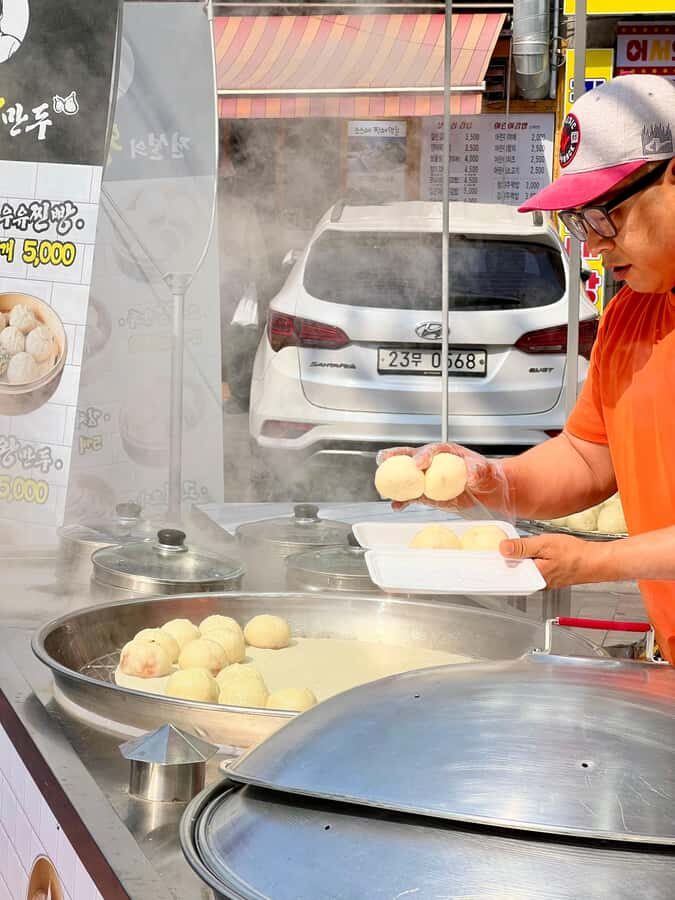
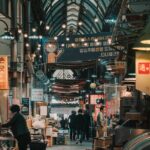
Mangwon Market is one of those places where you can eat your way across Korea’s moods. You’re not stuck with only one style of food, either. Expect a smart mix of classic market snacks and higher-end ingredients that you might not normally find in the same area.
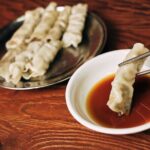
What I like most is the range in the lineup. The tour leans into the idea that market food can go from humble to fancy without turning into a tourist-only production. If you’re the type who gets excited by kimchi dumplings one minute and wants to know why people chase Hanwoo the next, this is a good match.
Another win is that the experience is run by real residents, not a distant “food interpreter” type setup. When your guide is Jay (with Sam along for the ride), you get the feeling of being shown around by people who actually live with these food options. That matters, because you’ll ask questions like what to order and why it tastes the way it does, and you’ll get real answers instead of rehearsed ones.
One quick heads-up for planning: you need to be hungry, because the tour is built around freshly cooked bites, not museum-style tasting. Wear shoes you can walk in, since you’ll spend a chunk of time in the market and then move to a restaurant stop.
You can also read our reviews of more food & drink experiences in Seoul
Getting Oriented: Mangwon Station Exit 2
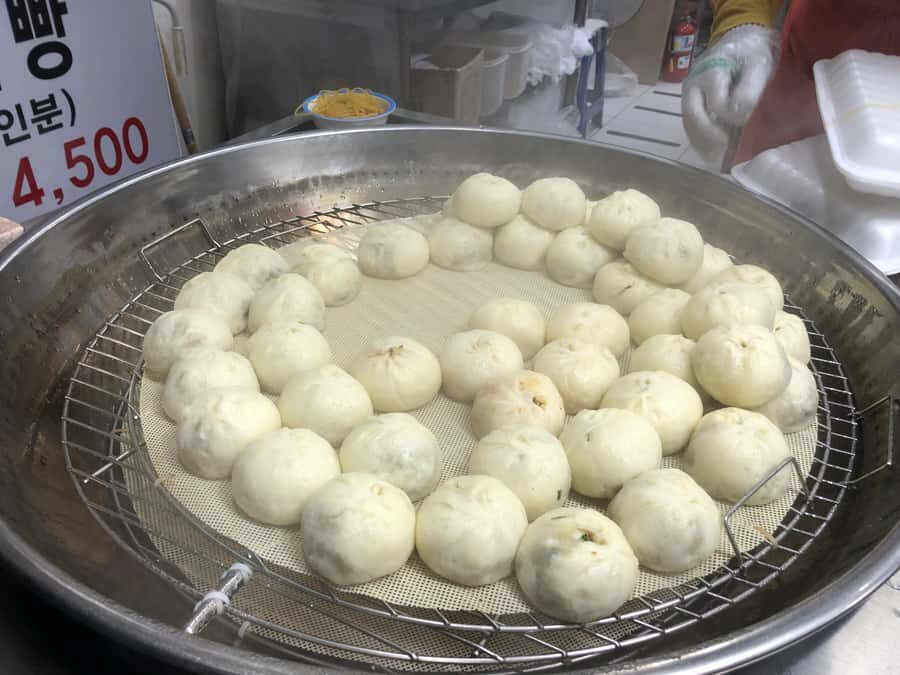
The tour begins right where most people can find it fast: Mangwon Station. You’ll meet outside Exit 2, which is a simple target when you’re trying to coordinate a meet-up in a big transit area.
Plan to arrive early. The group only waits for latecomers for up to 15 minutes, and after that they may not be able to join. I treat this kind of rule like a gift to yourself: arriving on time means you start relaxed, not stressed, and you don’t miss the first wave of food.
Because Mangwon Station is close to the Hongdae/Hongik University area, this tour also works as a food anchor. You can do it as part of a broader day in that neighborhood rather than shuffling across the city with random timing.
If you’re traveling with friends, I’d still do the same thing: get yourself to the meeting point, then let the guide handle the flow. Food tours like this work best when you’re moving through the market while the stops are still fresh and hot.
80 Minutes in Mangwon Market: Street Bites with a Payoff
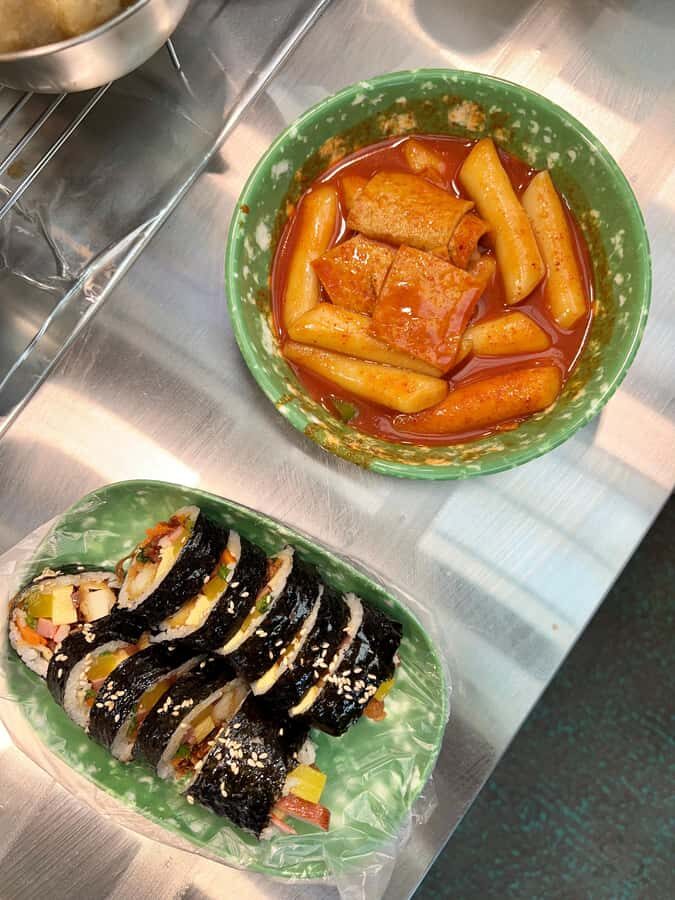
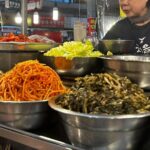
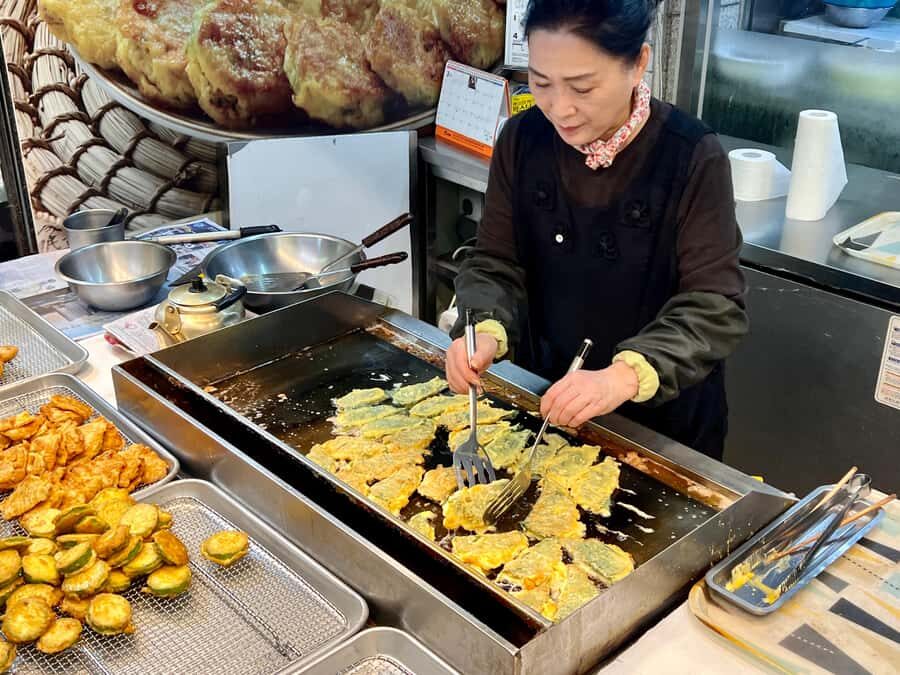
The biggest block of time is in the market itself, with an 80-minute visit where you’ll sample a series of freshly cooked street foods. This is where the “cheap eats to fancy feast” concept becomes real, because the tour doesn’t treat premium items like an afterthought.
What you’ll likely notice right away is the character of second-generation vendors. The tour leans into the idea that many of the stalls are run by people who have kept the neighborhood food tradition while upgrading technique and ingredients. That’s how you get that feeling of classic Korean flavor, but with a cleaner, more modern finish.
You’ll see variety in a way that keeps your palate busy. One moment you’re dealing with the tangy bite of kimchi-style flavors, and the next you’re moving into richer protein territory. The point isn’t just that it’s different, it’s that your guide helps you understand what’s going on in each dish.
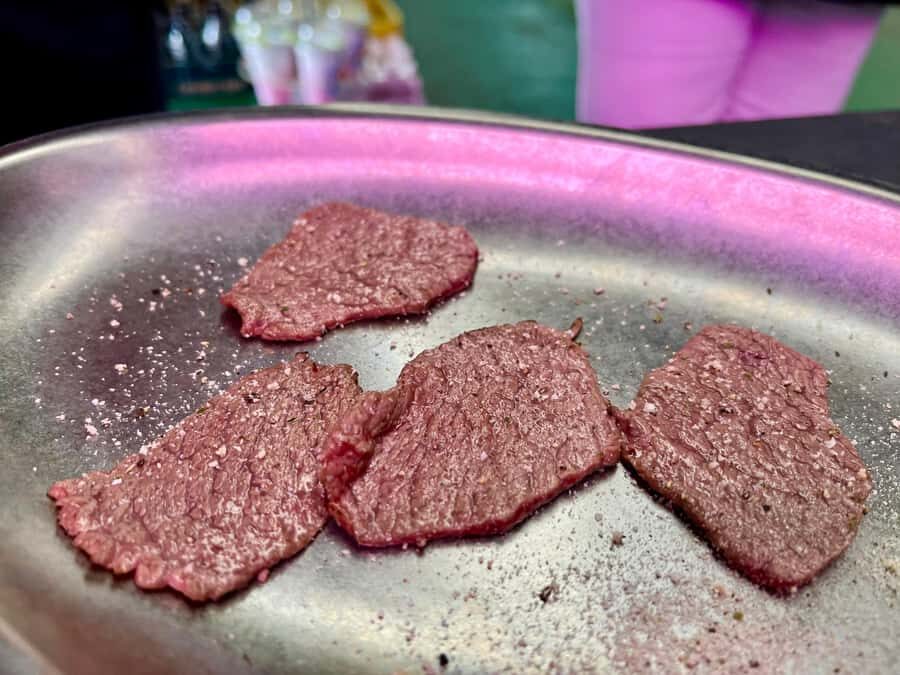
A standout that’s easy to get excited about is the presence of Hanwoo beef in the lineup. Market beef sounds like a treat on paper, but the real value is what it teaches you: Korean markets don’t only sell snacks. They also sell the ingredients and cooking styles behind the food people brag about.
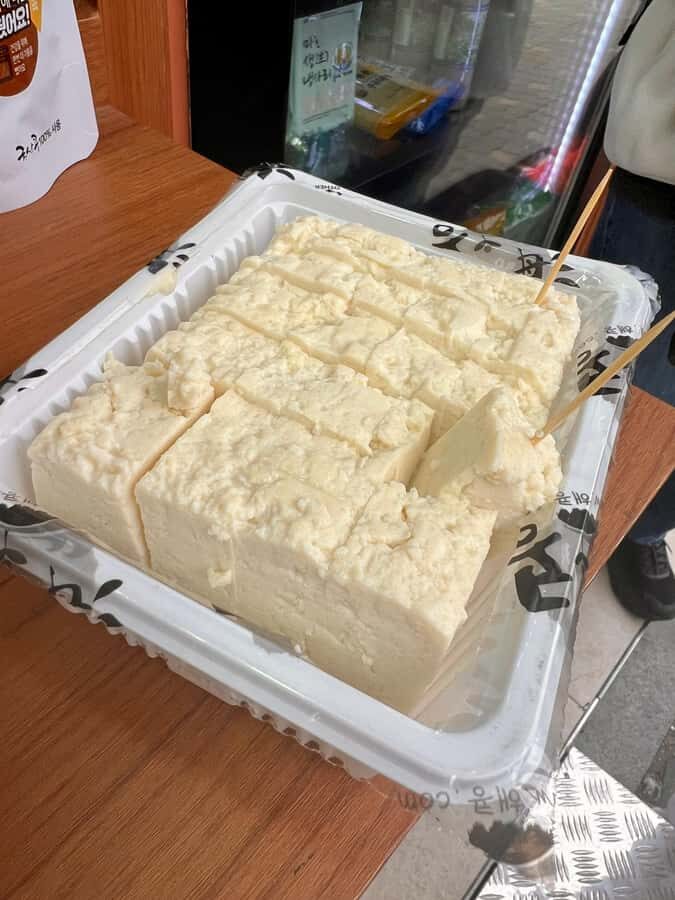
Also keep an eye on the tofu angle. The tour includes homemade tofu, and tofu is one of those foods that can taste surprisingly different depending on how it’s made. It’s also the kind of ingredient you can use as a reference point during the rest of the tour, since it helps you notice seasoning and texture.
The Middle of the Tour Moment: How Jay Builds the Story
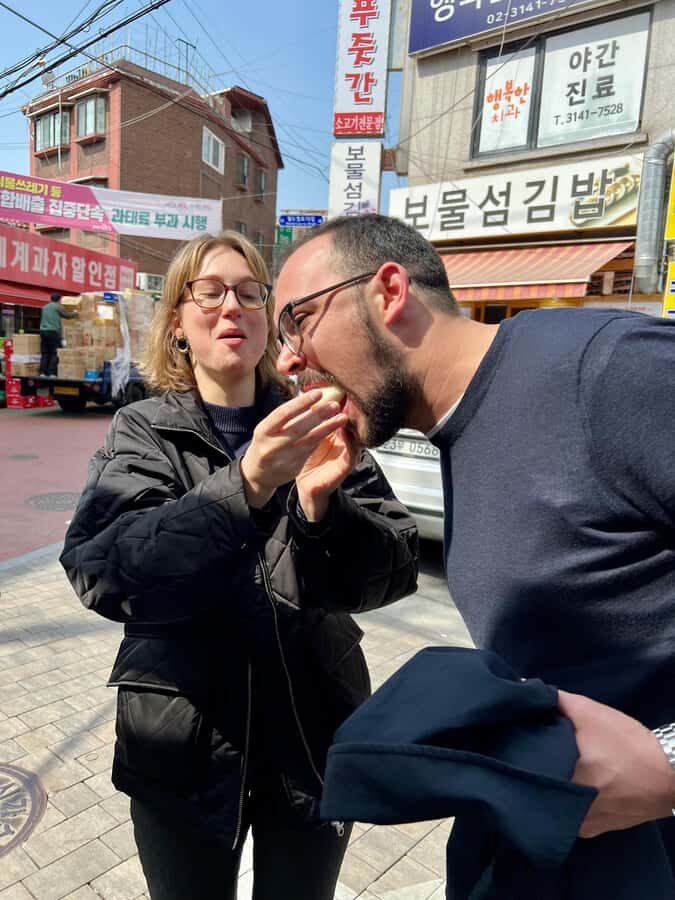
A good food tour isn’t only about feeding you. It’s about giving your brain a map, so each bite feels connected instead of random. Jay’s approach (Jay with Sam on this one) is built around neighborhood context and practical ordering cues.
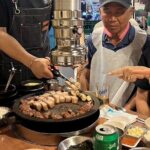
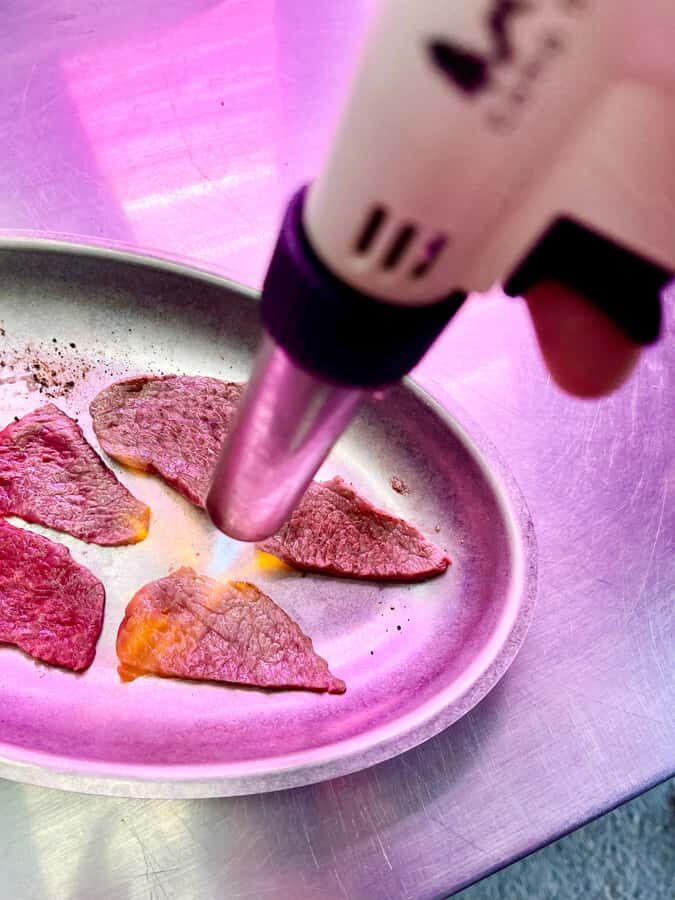
In the market, the guide actively turns the experience into a learning moment. One review detail that really stuck with me is that Jay grilled premium Korean beef in the middle of the market. That type of moment matters because it changes the pacing. You’re not only walking and sampling; you’re watching food being finished, which makes the taste make more sense.
If you like asking questions, you’re set up well here. The tour format gives you time to talk rather than rushing you through one stop after another with no explanation. That’s especially useful when you’re trying to figure out which ingredient is doing the heavy lifting, or why a sauce tastes different than what you’ve tried before.
Taste alone can be fun. Taste plus explanation is what makes you leave feeling like you can order more confidently next time.
The 40-Minute Restaurant Stop: Hanwoo and Homemade Tofu
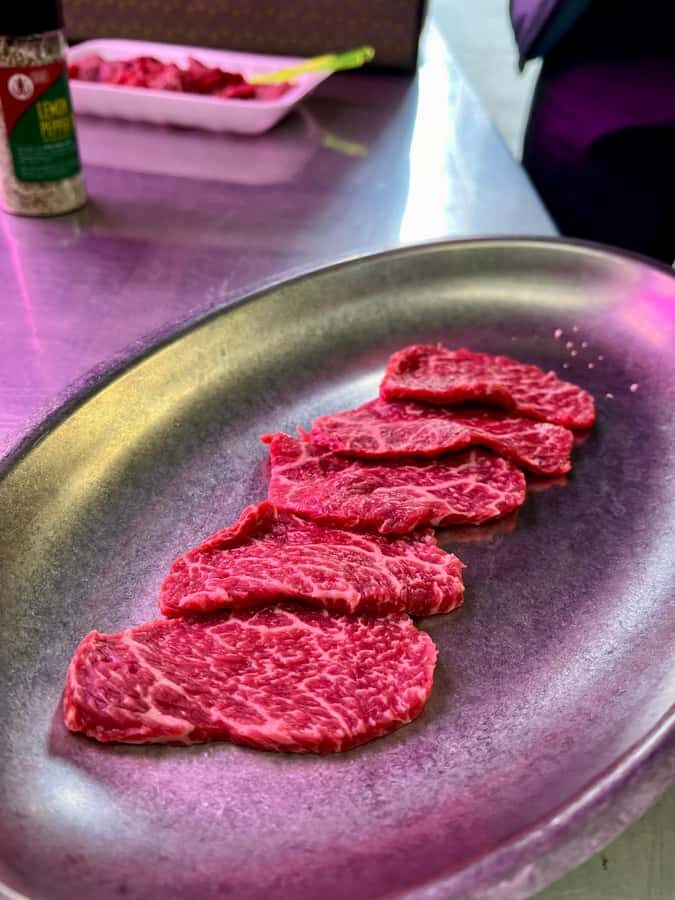
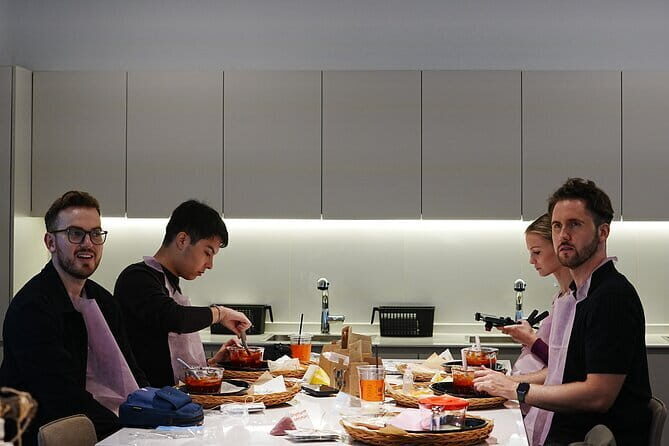
After the market, you’ll head to a local restaurant for 40 minutes of food tasting. This is the “sit-down” portion, and it’s where the tour usually shifts from street bites into fuller flavors and more comfort-food textures.
This stop includes the two big headline items: luxurious Hanwoo beef and homemade tofu. That pairing is smart. Beef helps you understand Korean flavors at a richer end of the spectrum, while tofu gives you contrast through texture, seasoning, and how the cooking method changes the end result.
I like the structure here. The market portion can be a little sensory overload, especially if you’re sampling multiple hot items. Moving to a restaurant stop makes it easier to slow down, taste carefully, and catch the differences between dishes.
One thing to keep your expectations realistic: tofu availability can vary depending on what’s available that day. The tour is designed around homemade tofu, but markets are markets, and ingredients don’t always behave like a menu guarantee. If tofu is a must-have for you, I’d still go, but I’d also keep a flexible mindset during the tasting.
If you’re the kind of eater who loves comparing textures, this is the part where you’ll likely pay attention the most. You’ll notice how protein and soy-based dishes can hit different parts of your palate, even when they’re seasoned in Korean styles.
A few more Seoul tours and experiences worth a look

Korean Fried Chicken Meal: The Payoff You’ll Be Thinking About
The tour doesn’t end with a token snack. It finishes with a Korean fried chicken meal. That matters because fried chicken is one of the easiest foods to recognize across the spectrum of Korean comfort food, yet it still varies a lot depending on sauce, crunch level, and seasoning.
The description also points toward beer being part of the vibe at this stage. Even if you don’t order it yourself, the timing helps: by the time you reach the chicken, you’ve walked enough to work up an appetite and you’re ready for the salt-crunch-reward combo.
This ending is practical too. You get a proper meal finish inside the 2-hour total plan, meaning you’re not left hungry and scrambling for something nearby right after your tour.
If you’re planning your evening, think of this as a “bridge” meal. You can do it early afternoon, then keep exploring the Hongdae/Hongik University area after, knowing you already handled the heavy lifting for dinner.
Price and Value: Is $58 Reasonable Here?
At $58 per person for about 2 hours, the price might look like a splurge compared to buying food on your own. But food tours like this usually aren’t just about price per item. You’re paying for a guided flow, insider selection, and a lineup that mixes market staples with premium ingredients.
What makes the value feel more solid is the inclusion of Hanwoo beef and the fried chicken meal. Those aren’t cheap items when you order them casually. The tour also includes homemade tofu, which adds another ingredient-driven tasting experience rather than only relying on bread-and-fry style snacks.
The other value lever is time. You’re spending a set amount of time efficiently: 80 minutes in the market and 40 minutes at the restaurant, with the rest handling transitions back to Mangwon Station. If you’ve ever tried to build a market tasting plan on your own, you know how easy it is to waste time asking basic questions and ordering the wrong thing.
That said, there are two considerations I’d keep in mind. First, the diet limits are real: no vegan option and not suitable for vegetarians. Second, if you expect a purely budget route, some parts may feel pricey relative to casual street-food shopping.
So here’s the honest takeaway: this is great value if you want variety and you’re happy to pay for premium touches. If you only want the absolute cheapest street snacks, you may prefer a self-guided market walk.
Who This Tour Suits Best (And Who Should Skip It)
This tour is ideal if you:
- want a guided Mangwon Market experience without guessing what to order
- enjoy both street food flavors and richer ingredient experiences like Hanwoo beef
- like structure and timing, so your meal plan doesn’t collapse mid-day
- are comfortable eating meat and seafood
It may not be right for you if:
- you eat vegan or vegetarian. The tour is explicitly not suitable for those diets.
- tofu is the one item you absolutely have to taste. The tour includes homemade tofu, but market availability can swing day to day.
If you’re traveling solo, this is also a friendly format. A two-hour loop keeps it manageable, and the guide helps you interact with questions instead of leaving you stuck figuring out everything alone.
And if you’re already planning time in the Hongdae/Hongik area, the Mangwon Station start is a clean logistical hook. You don’t need to rearrange your whole day to make this work.
Should You Book the Mangwon Market Food Tour?
I’d book it if you want a short, well-fed introduction to Korean market food that goes beyond basic street snacks. The combination of Mangwon Market walking time, premium ingredients like Hanwoo beef, homemade tofu, and a Korean fried chicken meal at the end gives you a full “food story” in about two hours.
I would not book it if your diet is vegan or vegetarian, because this tour isn’t set up for those options. Also, if you only want ultra-budget street eating, adjust your expectations about value versus DIY shopping.
If your goal is to leave with confident ordering instincts and a clear sense of what Mangwon’s food scene does well, this one is a strong choice.
FAQ
Where do I meet the guide?
Meet outside Exit 2 of Mangwon station.
How long is the tour?
The total duration is about 2 hours.
What’s the schedule inside the tour?
You’ll visit Mangwon Market for about 80 minutes, then have about 40 minutes of tasting at a local restaurant, and end back at Mangwon station.
Is Korean fried chicken included?
Yes. The tour includes a Korean fried chicken meal.
Is there a vegan or vegetarian option?
No. The tour is not suitable for vegans, and it also isn’t suitable for vegetarians.
What languages is the tour in?
The live tour guide speaks English.
What’s the latest time I can arrive?
The group waits for late comers for up to 15 minutes maximum.