REVIEW · SEOUL
Handmade Noodles with Korean Grandma
Book on GetYourGuide →Operated by Goodmate Travel · Bookable on GetYourGuide
A grandma-led noodle workshop turns dinner into a story. You’ll learn kalguksu from scratch in a cozy kitchen, with heartfelt Korean food tales and lots of hands-on time. I especially like the small-group feel (limited to 8) and the way English guidance keeps you from getting lost. The only watch-out: it’s a very hands-on session, so plan to enjoy kneading, cutting, and cooking rather than watching from the sidelines.
You’ll meet your guide at the start point in Mapo-gu (2F, 53-9, Tojeong-ro) and then head to the kitchen experience in Gyeonggi Province for a few focused hours. Expect a live English-speaking guide, plus a grandma presence throughout the class—often with team members like Miki, Jae, and Yeri mentioned by guests—and a meal you sit down to together afterward.
In This Review
- Key Highlights You Should Care About
- Why Grandma-Led Kalguksu Feels More Korean Than a Demo
- The Real Value: $68 Buys Skills, a Shared Meal, and Conversation
- Meeting in Mapo-gu and Getting Ready for a Kitchen Session
- Stop 1: Common Area Check-In, Then You’re Off
- Stop 2: The Private Kitchen Where You Make Kalguksu from Scratch
- What About the Meal and the Food You’ll Eat?
- Dietary Restrictions: Vegan and Gluten-Free Are Supported
- The Stories: Where Korean Food Culture Shows Up in Real Life
- What the Small Group Really Changes (You’ll Feel It)
- How to Get the Most Out of Your Time in the Kitchen
- Price, Timing, and Who This Fits Best
- Price: $68
- Duration: about 2.5 hours
- Who should book
- Should You Book Handmade Noodles with a Korean Grandma?
- FAQ
- What is the main dish you’ll make?
- How long is the experience?
- Where do you meet?
- How big is the group?
- Is there an English guide?
- Can the class accommodate dietary restrictions?
- What’s included in the price?
- Is it refundable if I cancel?
- Is reserve and pay later available?
Key Highlights You Should Care About
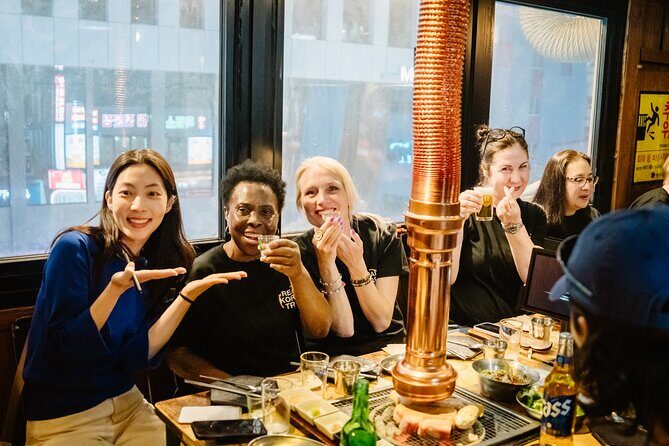
- Knife-cut kalguksu, made by hand: knead dough, cut noodles, then build your bowl.
- Grandma-led stories: you’re not just cooking; you’re hearing why the dish matters.
- Small group of 8 max: more time for questions and personal help.
- Dietary needs are handled: vegan and gluten-free requests are accommodated.
- Meal and drinks included: you finish by eating together, with beverages at hand.
Why Grandma-Led Kalguksu Feels More Korean Than a Demo
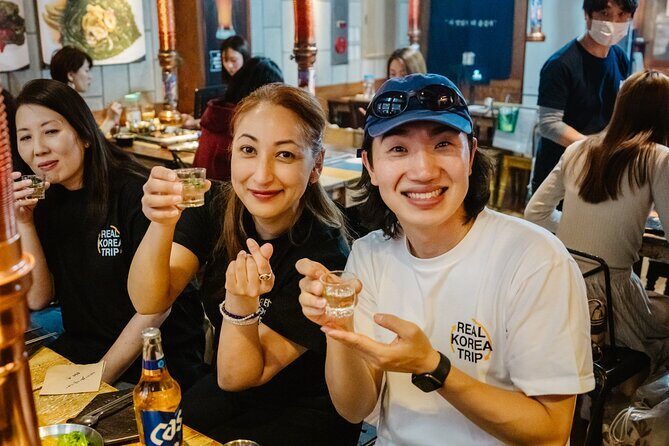
Korean comfort food has a special rhythm: you eat slowly, talk easily, and let the food do the bonding. This experience is built around that idea, but with a twist. Instead of a presenter showing you techniques from the front, you’re working alongside the halmoni (grandmother figure) as the “best chef in Korea” for this class concept.
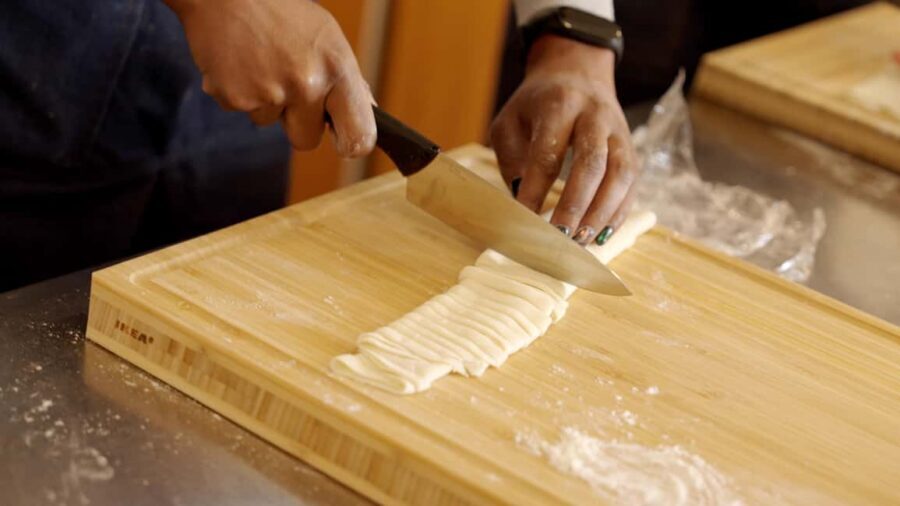
The star of the show is kalguksu, the Korean knife-cut noodle soup. The real value isn’t just that you learn what it is—it’s that you learn how the noodles become noodles. Dough work, cutting technique, and soup-building habits are the kind of skills that don’t show up well in photos or YouTube clips. You’ll get your hands dirty and your brain busy.
Two things make it stand out for me. First, it’s genuinely personal: a small group, a live English guide, and a cozy, private kitchen setting. Second, the class connects cooking to culture through stories. That’s the difference between learning a recipe and learning a living food tradition.
Possible drawback? This is not a sit-and-smile experience. If you hate getting flour on your hands or prefer to observe instead of participate, it may feel like more work than you bargained for. But if you like the process, it’s a fun kind of effort.
You can also read our reviews of more tours and experiences in Seoul.

The Real Value: $68 Buys Skills, a Shared Meal, and Conversation
Price is $68 per person, and it’s fair to ask what you’re actually paying for. Here, you’re paying for several things at once:
- Hands-on instruction in making kalguksu from scratch
- A meal that you eat together afterward
- Beverages included during the experience
- A small group setting (8 participants max)
- English live guidance so you can understand the “why,” not just the “what”
So the cost isn’t just “cooking class.” It’s closer to a cultural dinner experience where you also leave with a practical recipe you can recreate. And because the class is guided in English, you’re less likely to miss key steps.
Also, keep timing in mind. The activity is listed as 2.5 hours (and the cooking class block appears as a few hours in the plan), so you’ll want to schedule it when you’re ready to focus. This is not something to squeeze between two trains if your day is already chaos.
Meeting in Mapo-gu and Getting Ready for a Kitchen Session
Your start point is specific: 2F, 53-9, Tojeong-ro, Mapo-gu, Seoul. The end is back at the meeting point. That matters because it keeps the logistics simple once you arrive.
One more practical thing: the experience location is in Gyeonggi Province, while your meeting is in Seoul. So expect some short movement between the city meet-up and the kitchen space. The good news is that the activity includes guidance and a full start-to-finish flow, so you’re not playing transportation planner.
When you arrive, you’ll be placed into the small group setup. With only 8 participants, you’ll likely have a steadier back-and-forth with the guide rather than competing for attention.
Stop 1: Common Area Check-In, Then You’re Off
This first stop is about the handoff: you show up at the common area meeting point, meet your live English guide, and get oriented. You’re also likely to hear how the session will run and what you’ll be making.
What I like here is how it prevents the usual cooking-class problem: the awkward moment where everyone else seems to know the plan and you’re trying to guess what comes next. With a guide in place, you can get your bearings fast and spend your energy on cooking.
Stop 2: The Private Kitchen Where You Make Kalguksu from Scratch
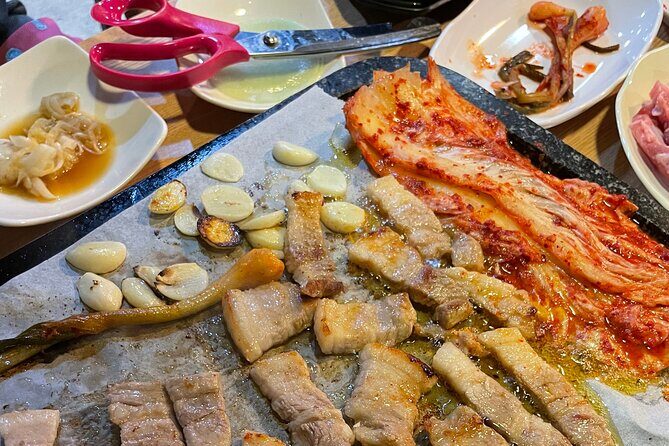
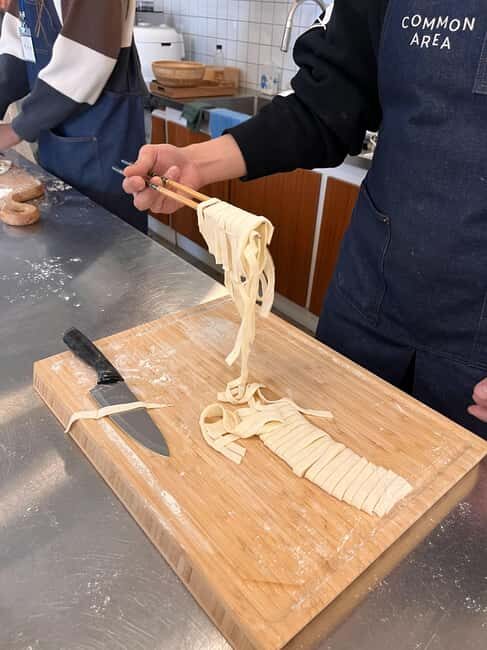
This is the heart of the experience: a cozy private kitchen where the halmoni-led cooking happens. The focus is unmistakable—knife-cut noodles. You’ll work through the steps in sequence:
- Knead the dough
- Cut the noodles
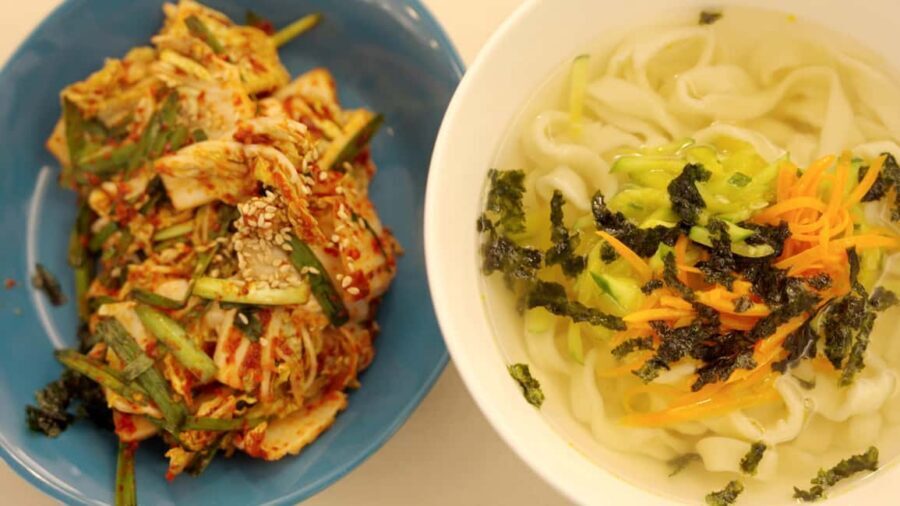
- Top and finish your bowl with ingredients
It’s hands-on throughout, and that’s the point. Knife-cut noodles are one of those dishes where the process teaches you what to care about: dough texture, thickness, and how noodles behave in broth.


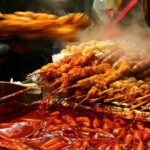
What About the Meal and the Food You’ll Eat?
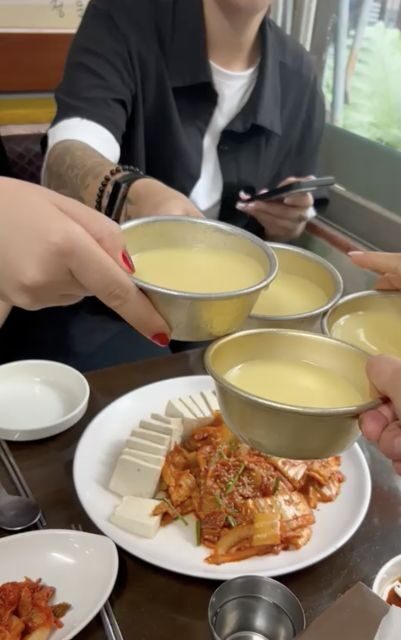
After the cooking, you sit down together like family and share the meal. That matters because it turns your effort into a payoff. You don’t just make food and leave. You eat it with the people who taught you.
Beverages are included. The class also suggests you might toast with makgeolli (Korean rice wine), though that part may depend on how the session flows. Either way, you’re finishing with a proper meal, not a few bites and a goodbye.
Dietary Restrictions: Vegan and Gluten-Free Are Supported
One of the most practical perks here: the experience states it can be tailored for dietary preferences, including vegan and gluten-free needs. That doesn’t mean every possible allergy will automatically be solved—no class can guarantee everything without confirming—but it does mean you’re not starting from zero.
If you’re vegan, you can expect ingredient swaps so you can still enjoy noodle soup as a real meal. If you’re gluten-free, ask ahead how they handle flour and cross-contact concerns. The key is that the team explicitly welcomes dietary preferences rather than treating them as a rare exception.
The Stories: Where Korean Food Culture Shows Up in Real Life
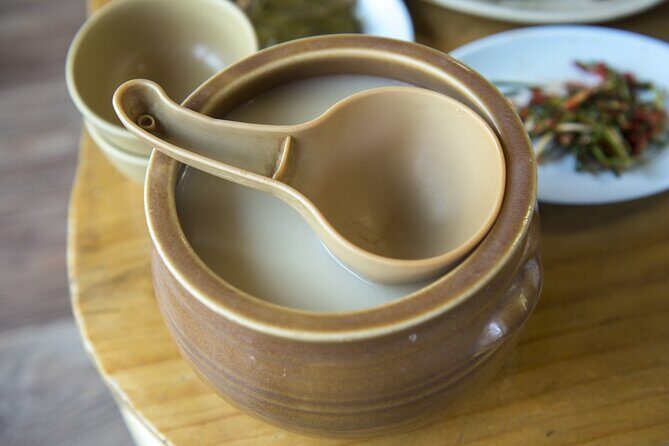
Food classes often skip the emotional part. This one doesn’t. The halmoni-led approach is wrapped in stories—heartfelt explanations that bring Korean culinary traditions to life.
In my view, this is what makes the experience stick. You learn the dish, yes. But you also learn how people talk about it, why it’s comfort food, and how it fits into everyday Korean gathering culture. That’s especially valuable if you’re trying to understand Korea beyond K-pop and convenience-store snacks.
Guests also describe the team’s flow of English and Korean guidance—names like Miki, Jae, and Yeri come up in connection with the on-the-ground hosting. That’s a good sign if you care about clarity. You’re more likely to understand both the technique and the culture behind it.
What the Small Group Really Changes (You’ll Feel It)
Limited to 8 participants, this class avoids the “everyone watches, nobody asks” pattern. With fewer people, you can:
- Get more hands-on correction
- Ask more questions in the moment
- Move at a human pace
- Feel comfortable enough to try and fail a little with dough
And because you’ll be cooking together and eating together, it’s easier to strike up real conversation. Even if you come solo, you’re not isolated. You’re placed into a small table with shared work and shared meals.
How to Get the Most Out of Your Time in the Kitchen
You’ll get the best experience if you go in with the right mindset. Here’s how I’d treat it as your planning checklist:
- Wear sleeves you don’t mind getting flour on. This is noodle work.
- Be ready to taste and adjust. Cooking gets better with feedback.
- Ask how to recreate the texture at home. The “why” is what you’ll need later.
- Come hungry, then settle into the meal afterward. The point is eating what you make.
Also, take notes on any step you’re unsure about. Not fancy notes—just a quick mental bookmark like dough feel, noodle thickness, and how the bowl is finished.
Price, Timing, and Who This Fits Best
Price: $68
At $68 per person, you’re paying for more than a meal. You’re paying for a structured cultural experience where the instruction is personal (small group), the teaching is hands-on (knife-cut noodles), and the output is something you actually eat.
If you’re the type who likes cooking classes but hates the “watch for 30 minutes, cook for 5” format, this is likely a better use of your time. If you’re mainly curious about Korean food but aren’t interested in cutting noodles by hand, the cost might feel high.
Duration: about 2.5 hours
This is a short-but-full experience. It’s ideal for building a Korea itinerary around something meaningful without taking up half your day. You’ll still want to schedule it when you can focus and not rush out immediately.
Who should book
This fits well if you:
- Want a hands-on Korean food experience that goes beyond ordering
- Like family-style conversation and cultural stories
- Have dietary needs and want an option that explicitly accommodates them
- Travel with a friend and want a shared activity that turns into a shared meal
- Prefer small-group learning with English guidance
If you travel with a large group, consider that the experience is limited to 8. It’s built for small and social, not big and loud.
Should You Book Handmade Noodles with a Korean Grandma?
Yes, if you want an authentic Korean cooking experience where the technique is real and the vibe is family-like. This class is built around making kalguksu from scratch, then eating what you make with included beverages—plus the cultural stories that turn recipes into memory.
Book it if you’re willing to participate (kneading and cutting are part of the deal) and you want to take home skills you can actually repeat. Skip it only if you strongly prefer watching rather than doing, or if you’re looking for a quick food sample with no hands-on cooking.
If you’re on the fence, I’d base the decision on one question: do you want noodles you made yourself, in a small group, with a grandma-led storytelling approach? If that sounds like your kind of travel, you’ll probably love this.
FAQ
What is the main dish you’ll make?
You’ll make Korean kalguksu, knife-cut noodles, from scratch in the class.
How long is the experience?
The activity duration is listed as 2.5 hours. Starting times depend on availability.
Where do you meet?
You meet at 2F, 53-9, Tojeong-ro, Mapo-gu, Seoul, Republic of Korea.
How big is the group?
It’s a small group limited to 8 participants.
Is there an English guide?
Yes, the experience includes a live tour guide in English.
Can the class accommodate dietary restrictions?
Yes. The experience says it can be tailored for dietary preferences, including vegan and gluten-free.
What’s included in the price?
The price includes the meal and beverages, plus all fees and taxes.
Is it refundable if I cancel?
Cancellation is free up to 24 hours in advance for a full refund.
Is reserve and pay later available?
Yes. You can reserve now & pay later, keeping your plans flexible.