REVIEW · JEJU
Jeju Premium Small Group UNESCO Day Tour – South Course
Book on Viator →Operated by Core Travel · Bookable on Viator
A full South Jeju day, minus the driving headache. This small-group tour strings together major UNESCO sights without you dealing with transfers, parking, or timing, and it all starts with a real hike in Hallasan National Park. You’ll also get classic southern coast drama at Jusangjeolli Cliff, then slow down with a temple, a waterfall, and Jeju tea country.
I especially like the way the tour keeps things efficient but not chaotic. With a max of 15 people, you get easier questions and more attention from guides like Jin and Henry, not the blank-stare vibe you sometimes get on big buses. I also like the included entrance tickets and door-to-door hotel pickup/drop-off in Jeju City downtown area.
One thing to consider: it’s a packed day built around walking. If weather turns (or your legs are less than enthusiastic), the Hallasan trek can be the toughest part, and the pace is meant to keep the rest of the day on track.
In This Review
- Key takeaways before you go
- Why South Jeju UNESCO fits better in a small-group van
- Pickup, timing, and what 8 hours really means
- Hallasan National Park (Eoseungsaengak Trail): the 60-minute trek you’ll remember
- Jusangjeolli Cliff at Daepo Haean: basalt columns and coast drama in 20 minutes
- Yakcheonsa Temple: calm grounds, and a chance to slow down
- Cheonjiyeon Falls: sky connected with land, with a quick reset
- Seogwi Dawon green tea country: volcanic soil meets a slower hour
- Guides like Jin and Henry make the difference
- Lunch reality: you’ll plan around a meal stop, not just the food
- Transportation and comfort: minivan vs. minibus, and why it matters
- Price and value: why $100 can be a smart move (or not)
- Who this tour suits best (and who should look elsewhere)
- Quick booking advice: make the day smoother
- Should you book the Jeju Premium Small Group UNESCO Day Tour (South Course)?
- FAQ
- What time does the tour start?
- How long is the Jeju South UNESCO tour?
- How big is the group?
- Is hotel pickup included?
- What’s included in the tour price?
- Is lunch included?
- What happens if the weather is bad?
Key takeaways before you go
- Small group, real attention: Max 15 people means you’ll actually notice your guide answering questions.
- Hallasan is the anchor: A 60-minute trek sets the tone, and it’s beginner-friendly but still uphill.
- South coast in bite-size time: Jusangjeolli and the coast views feel dramatic even with short stops.
- Temple + waterfall for balance: Yakcheonsa and Cheonjiyeon break up the hiking and driving.
- Tea farm stop isn’t just a photo stop: You’ll spend time in Seogwi Dawon, with tickets included.
- Weather matters on Jeju: The tour requires good weather, and unsafe hiking conditions can change the plan.
Why South Jeju UNESCO fits better in a small-group van
Jeju’s South is famous, but it’s also spread out. If you’re staying in Jeju City center and don’t want to rent a car or wrestle with an international license, this is the cleanest fix. You get a minivan or minibus (depending on group size) and a guide who handles the driving and the timing.
The UNESCO angle is helpful, too, because the stops are not random. Mt. Hallasan National Park is the core anchor, and then you transition to southern volcanic/coastal highlights like the basalt columns at Jusangjeolli Cliff. That means your day has a “through-line,” not just a checklist of places.
And with a group capped at 15, the tour doesn’t feel like you’re being moved around like luggage. The best guides (the ones people rave about) explain the why behind what you’re seeing—history, local life, and the geologic story of the island.
You can also read our reviews of more tours and experiences in Jeju.
Pickup, timing, and what 8 hours really means
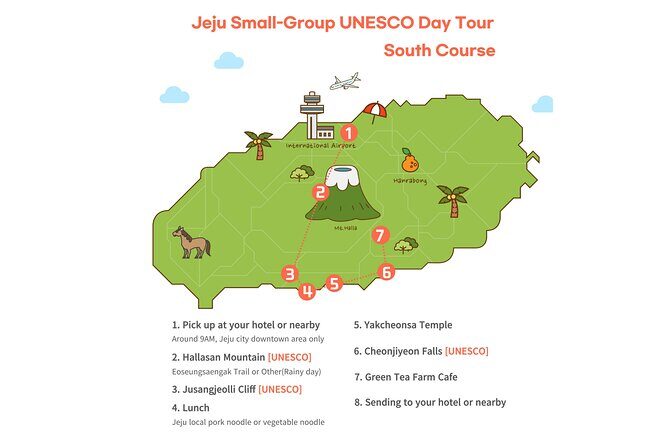
This tour starts at 9:00 am and runs about 8 hours. Hotel pickup and drop-off are included for Jeju City downtown area only, so if you’re staying farther out, you’ll want to confirm your pickup zone when you book.
The day is structured, which is good news if you want maximum sight time. But it also means you shouldn’t plan on long detours or long coffee breaks. You’ll have short windows to enjoy each place, and the schedule is designed so you can see the major hits on the south side in one go.
You’ll also want to be ready for a mix of walking styles:
- a one-hour hike to start,
- short scenic strolls and viewpoints at the coast and waterfall,
- and a slower tea-farm and temple visit later.
Hallasan National Park (Eoseungsaengak Trail): the 60-minute trek you’ll remember
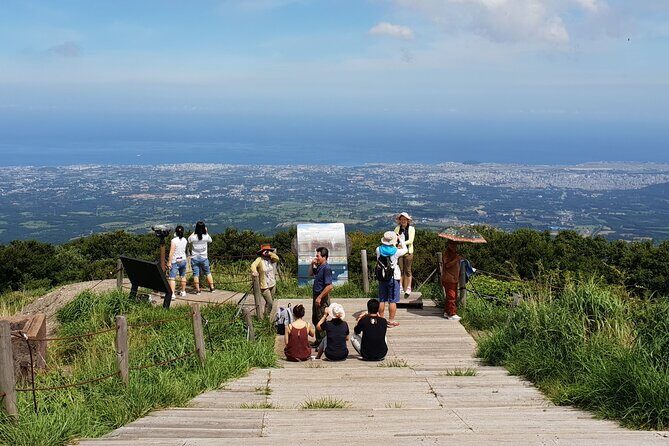
Hallasan is the “big one.” The tour begins at Eoseungsaengak Trail, with about 60 minutes of trekking. Even if you’re not an experienced hiker, this is a trail designed to be accessible enough for many visitors—but it’s still uphill, and it’s still outdoors with uneven footing.
A few practical notes from how this day is described by guests:
- Start the day fueled. Have water and something light before pickup if you can, since the first stop is the hike.
- If steps and ropes are part of the route (they are for at least some trail conditions), take it slow. It’s not a race.
- If you have heart or breathing concerns, I’d treat this as a serious physical moment and consider your limits carefully.
What I like about structuring the day around Hallasan is that you get the island’s center of gravity early. By the time you reach the coast, you’re warmed up, your eyes are calibrated, and the views feel bigger.
The only real drawback? Weather can change everything. The tour depends on good conditions, and when Hallasan is too risky, the plan can shift. One guest mentioned the hike being replaced with another stop (like Camellia Hills). That’s still better than a canceled day, but it does mean your “signature moment” may not be identical to the itinerary on a rainy or unsafe day.
Jusangjeolli Cliff at Daepo Haean: basalt columns and coast drama in 20 minutes
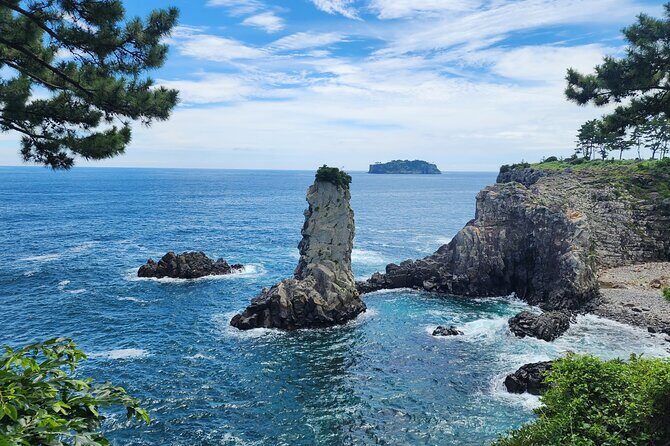
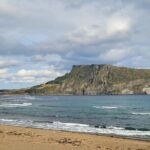
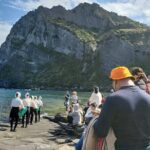
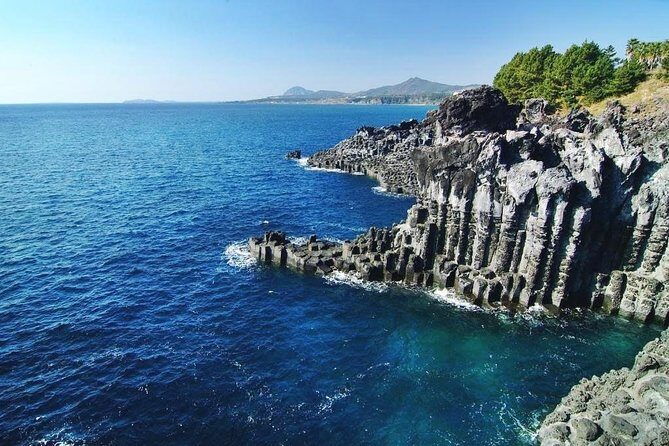
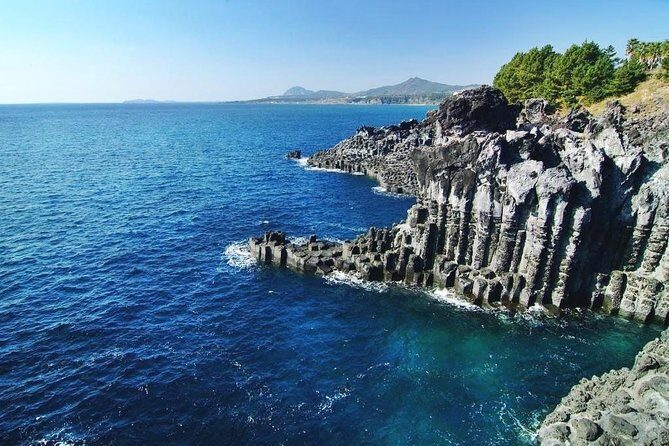
Next up is Daepo Haean Jusangjeolli Cliff, where you’ll have about 20 minutes on site. The headliner here is the stone-column landscape—those famous vertical formations that look almost man-made. They’re not; they’re the result of Jeju’s volcanic past, and they make the southern coastline feel otherworldly.
The short time is a tradeoff. You won’t wander for hours, but you also won’t burn your whole day chasing one viewpoint. If you want a quick hit of geology that looks dramatic from multiple angles, this is the right length.
A good way to enjoy the stop is to let your eyes adjust. At first it can look like a single scene. After a few minutes, you start seeing texture, different column heights, and how the formations meet the coast.
Since tickets are included here, you don’t have to plan for entry costs during the tight schedule.
Yakcheonsa Temple: calm grounds, and a chance to slow down

At Yakcheonsa Temple, you’ll get about 30 minutes. This is where the day takes its breath. The temple architecture is described as reminiscent of early Joseon Dynasty Buddhist temple styles, and the grounds tend to feel quieter than the coast.
In practice, this stop can be more engaging than you expect. One guest even described being given a chance to ring the giant bell, which is the kind of moment that turns a “see it” attraction into something you actually remember.
There’s also a cultural side to paying attention here. Temples in Korea aren’t just backdrops—they’re living places with space for reflection and everyday rhythm. Even if you’re only there briefly, you’ll feel that shift compared with cliff-and-waterfall stops.
One balanced thought: because the tour keeps moving, this isn’t the time to ask for a long detour or extra shopping loops around the grounds. If you want temple pacing and extra time for wandering, you may prefer a slower independent visit later.

Cheonjiyeon Falls: sky connected with land, with a quick reset
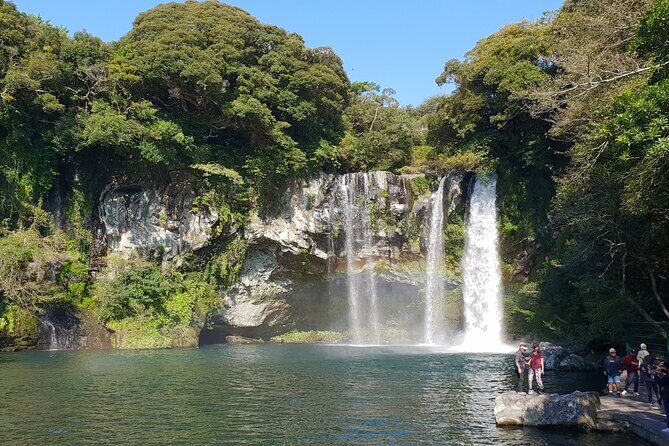
Cheonjiyeon Waterfall is next, again with around 30 minutes. The name basically points to an idea of the sky meeting the land. The falls don’t drag on all day, but they give you a reset: the sound of water, cooler air, and a short scenic break between more active stops.
This is also where small-group pacing feels good. You can step back, take photos, and enjoy the atmosphere without feeling like you’re constantly reboarding the van every few minutes.
If the weather is rough, waterfalls can be even more dramatic. But if it’s very rainy, expect the ground to be slick. Wear shoes you trust.
Seogwi Dawon green tea country: volcanic soil meets a slower hour
The final key stop is Seogwi Dawon, a tea-growing area where you’ll have about 40 minutes. Jeju’s climate and soil are well-suited for tea cultivation, and the tour includes entrance tickets here.
What I like about ending with tea is that it turns the day from “wow, wow, wow” into “okay, breathe.” You’ll shift from cliffs and steps into a calmer countryside feeling. The volcanic-soil angle also makes the tea feel more than just a souvenir. It’s tied to the island’s underlying story.
This is also a good time to ask your guide about Jeju life—how people work with the island’s geography, how seasons change what grows, and what people do around this region outside the main tourist circuits.
Guides like Jin and Henry make the difference
The tour lives or dies by the guide. The strongest days (and the days people highly recommend) are guided by people who can connect facts to what you’re seeing.
Names that came up again and again include Jin and Henry (and also guides like Angelo, Michelle, Andrew, June, Paul, and Soraya). A common thread: they’re enthusiastic, they explain island history and culture, and they help the group feel comfortable.
Still, there’s one fair caution from the real world. One guest said a particular guide’s English and pacing could be improved. That’s not a deal-breaker, but it does remind you that “premium” small-group doesn’t mean every day is identical. If you’re sensitive to communication quality, I’d choose the tour date when your guide’s track record looks strongest from past participants.
Also: some guides are flexible. One guest noted the itinerary being adjusted for safety when Hallasan was too dangerous due to conditions. That flexibility matters on Jeju.
Lunch reality: you’ll plan around a meal stop, not just the food
Lunch is listed as not included, but the day includes time for a restaurant break. In other words: you should treat lunch as part of the schedule, but bring payment and flexibility.
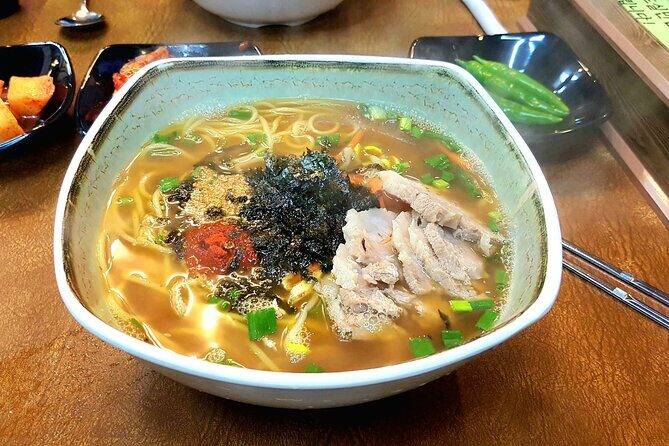
The good news is that when this tour includes lunch time, the meals described by guests tend to be local favorites—like kalguksu (hand-cut noodle soup). One guest also described their guide accommodating a pescatarian selection, which suggests dietary needs can sometimes be handled with communication.
So here’s the practical way to approach it:
- Have cash or a card ready for your own lunch.
- If you have dietary restrictions, tell the operator or your guide ahead of time when possible.
- Don’t assume lunch is covered just because it’s a planned stop.
Transportation and comfort: minivan vs. minibus, and why it matters
This tour provides transportation by minivan (7 seats) or minibus (15 seats), depending on how many people book. Either way, the goal is comfort for a day with multiple transfers.
Guests described the van as comfortable and clean, even “business-like” in feel. That matters because you’re spending time in the car after each stop, and the coast roads can be bumpy.
Another small-but-real detail: your driver and guide watch for road conditions and speed bumps. Jeju isn’t exactly smooth highway cruising everywhere, and a good driving team makes the day feel calmer.
Price and value: why $100 can be a smart move (or not)
At $100 per person for about 8 hours, the value comes from what’s bundled:
- hotel pickup/drop-off in Jeju City downtown,
- transportation in a small vehicle,
- a driver/guide,
- and entrance tickets for key stops.
When you add up those costs separately—especially the entrances plus the hassle of arranging transport—you’re often close to the total. And the biggest hidden value is time. Without this tour, seeing Hallasan plus the south coast in one day is doable, but it usually means either driving yourself or spending time coordinating rides.
What you’re not getting in the base price: drinks, gratuities, and personal expenses, plus lunch isn’t included.
So the “should I pay $100?” question is really: do you want the effort removed? If you want to see Jeju’s south highlights fast, this looks like a good deal. If you’re a confident driver who wants long unplanned stops, a rental car can be cheaper. But cheaper doesn’t always mean less stressful.
Who this tour suits best (and who should look elsewhere)
This fits best if you:
- don’t want to rent a car or deal with inter-island logistics,
- want a single-day hit of UNESCO-recognized South Jeju,
- and are okay with a moderate fitness hike at the start.
It’s also a good option for families and mixed-age groups, because the pace is guided and the stops are relatively short. One review even called out a pace that works well for families.
It may not fit you if:
- you want long, slow exploration time at each site,
- you dislike hiking or struggle with uphill climbs,
- or you’re planning to do this during rough weather.
Quick booking advice: make the day smoother
If you book, do these three things:
- Wear shoes you trust for the hike and any slick temple/waterfall paths.
- Grab water and a quick snack before pickup if you can.
- Ask about any dietary needs before the day, since lunch is not included.
And when weather is iffy, don’t fight the reality. The tour depends on good conditions for safety, especially around Hallasan.
Should you book the Jeju Premium Small Group UNESCO Day Tour (South Course)?
Yes, if your priority is seeing a lot of South Jeju without the driving headache. The included pickup/drop-off (Jeju City downtown), small group size (max 15), and ticketed stops make it a solid “I want my time back” choice. The Hallasan hike is the hard part, but it’s also the part that turns the day into something memorable.
I’d hesitate only if you’re extremely budget-sensitive for a day trip, you hate uphill walking, or you need guaranteed long free time at each stop. In those cases, you may prefer a self-planned route.
If your goal is a well-organized, UNESCO-focused South Jeju day where you can relax in the van and still see the highlights, this is one of the most practical ways to do it.
FAQ
What time does the tour start?
The start time is 9:00 am.
How long is the Jeju South UNESCO tour?
It’s about 8 hours.
How big is the group?
The maximum group size is 15 people, and it is not a private tour.
Is hotel pickup included?
Yes, hotel pickup and drop-off are included for Jeju city downtown area only.
What’s included in the tour price?
It includes transportation (minivan or minibus), a driver/professional guide, hotel pickup/drop-off (downtown Jeju city), and entrance tickets.
Is lunch included?
Lunch is not listed as included. The schedule includes a break for eating, but you should plan to pay for your meal.
What happens if the weather is bad?
This experience requires good weather. If it’s canceled due to poor weather, you’ll be offered a different date or a full refund.