REVIEW · SEOUL
DMZ Tour from Seoul – Optional Suspension Bridge Experience
Book on Viator →Operated by I Love Seoul Tour · Bookable on Viator
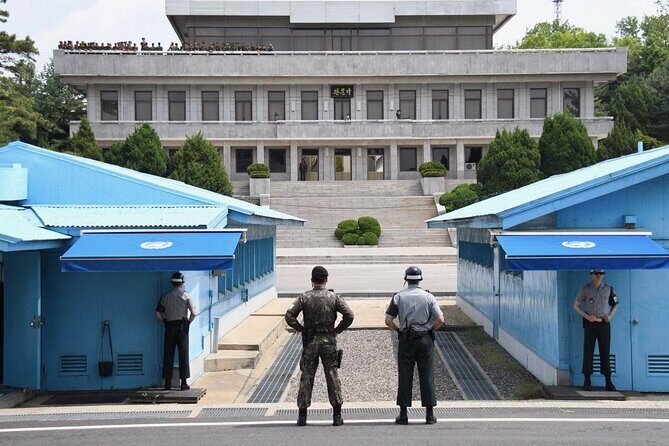
A trip to the DMZ changes how you see Korea. You’ll visit the border-area memorial space at Imjingak Park, go inside the Third Tunnel, and end at Dora Observatory for views toward North Korea. On a clear day, the telescope moments feel like the point of the whole outing.
I like the mix of places here: one part is about longing for peace and reunification, one part is about how war logistics worked, and one part is about watching from the edge. I also like that the pace is controlled by a professional local guide, and the tour avoids the usual extra shopping stops.
The main drawback to plan for is that this is a military-run zone. Road, weather, and on-the-ground military decisions can shift the stops or cancel the day, and you may lose the chance to see certain areas.
In This Review
- Key things to know before you go
- The reality of a DMZ day trip: timing, travel time, and what “half-day” really means
- Imjingak Pyeonghoa-Nuri Park: where the border feels personal
- Third Tunnel: the inside look at how war planning worked
- Dorasan Station is closed: plan around what you can actually see
- Dora Observatory: clear-day telescope views and what you might make out
- When the DMZ changes the plan: alternate stops you may see instead
- Guides, pacing, and why the group size cap helps
- Optional pistol shooting and the suspension bridge add-on: confirm what’s included
- Price and value: $27.50 for a politically sensitive, admission-included day
- Should you book the DMZ tour from Seoul?
- FAQ
- Do I need a passport for the DMZ tour?
- How long is the tour, and is it really a half-day?
- What happens if Dora Observatory conditions are not good?
- Is Dorasan Station part of the visit?
- Is pistol shooting included?
- Is lunch included?
- Can I get a full refund if I cancel?
Key things to know before you go
- Telescope views depend on weather, so you’re trading certainty for a real chance at clearer sights
- Third Tunnel is time-bound, so you’ll want to arrive ready to move through security and crowds
- Dorasan Station is listed as closed due to military reasons, so don’t build your day around it
- The schedule can shift to an alternate route if conditions require it
- Group size is capped at 40, which helps keep things from turning into a free-for-all
- Guides matter a lot: multiple reviews highlight guides like Jung, Stella, Jun, Leo, and Chong for making the day run smoothly
The reality of a DMZ day trip: timing, travel time, and what “half-day” really means
This tour is sold as half-day, but the day can still feel long. Expect around 7 hours on the clock, and the start is typically early enough that you’ll be glad you didn’t plan anything else for late morning. One review described a long stretch from about 6:40am until a bit after 3:00pm, which lines up with what most DMZ tours feel like: transport time plus security plus waiting.
You’ll ride in an air-conditioned coach or minivan from central Seoul, with pick-up offered for centrally-located hotels (areas like Gangnam, Myeongdong, Gwanghwamun, Itaewon, Dongdaemun). If you’re staying outside Seoul (Incheon is specifically mentioned), you’ll either make your own way to Seoul or pay an extra charge depending on distance. The tour drops you at City Hall or Myeongdong.
Why this matters: with a DMZ visit, the time you spend in line and getting through official checkpoints is part of the experience. If you hate waiting, pack patience, water, and layers for temperature swings.
You can also read our reviews of more tours and experiences in Seoul.
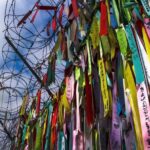
Imjingak Pyeonghoa-Nuri Park: where the border feels personal
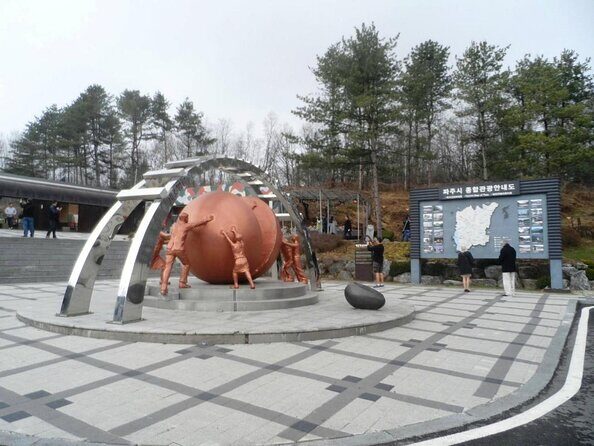
Imjingak Park is your first look at how South Korea talks about the divide. It’s about 7 km from the Military Demarcation Line and was built in 1972 with the idea that reunification might one day happen. The park area is designed like a memorial space—monuments and themed zones rather than casual sightseeing.
You’ll also find the North Korea Center and Unification Park around the area. The stop runs about 40 minutes, and admission here is free.
What I like about this stop is that it sets the emotional tone before you get into the hard facts. You’re not just being shown history; you’re being invited to understand how people live with the separation. Even if you’re not a history buff, it gives you the human context that makes the later tunnel and observatory visits hit harder.
The practical catch: this is a park stop, so your comfort depends on the weather. Bring a light rain layer if it’s forecasted—long waits in open air are no fun.
Third Tunnel: the inside look at how war planning worked
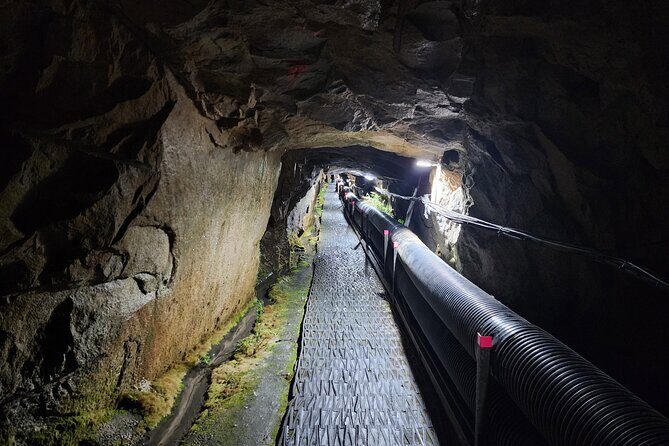
The Third Tunnel is the most physical, hands-on part of the day. It was discovered by South Korea in 1978 and runs more than 1,600 meters long. The listed tunnel dimensions are about 2 meters wide and 2 meters high, which helps you grasp how narrow and controlled that kind of movement would be.
This stop is about 40 minutes and includes admission. It’s also tied to a startling estimate: around 30,000 soldiers could move through per hour, according to the tour info. Whether you remember that number or not, the tunnel experience helps you visualize how this border conflict was not only ideological—it was engineered.
One note that changes expectations: this is not the kind of place where you can wander freely for an extra hour. It’s a structured visit in a controlled environment, and your time is managed for the flow of groups.
If you go, I’d treat the tunnel visit like your moment to focus. Put your phone away for a minute, listen to the guide’s explanation, and let your brain do the math of scale.
Dorasan Station is closed: plan around what you can actually see
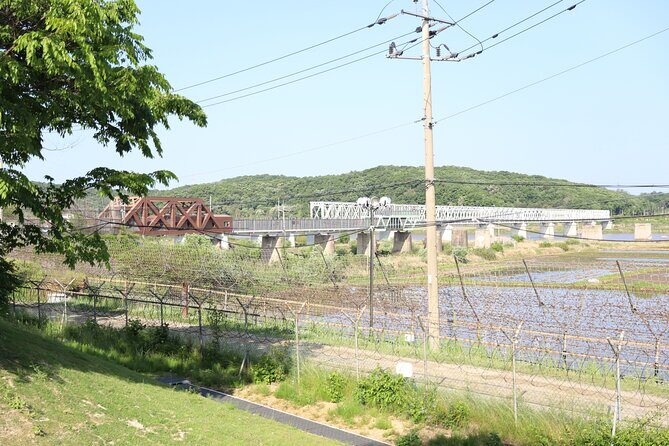
In the provided tour outline, Dorasan Station is the northernmost railway stop on South Korea’s line. But it also states plainly that Dorasan Station is closed due to military reasons.
So if you’re thinking of using Dorasan as your visual “end-of-the-line” moment, don’t count on it. Your day’s northern-focus will come from the stops you actually do attend—especially Dora Observatory.
This matters because DMZ tours are run under military authority. You’ll be able to enjoy the core experience even without Dorasan, but it’s smart to go in with a flexible mindset and not plan your photo list around one specific spot.
Dora Observatory: clear-day telescope views and what you might make out
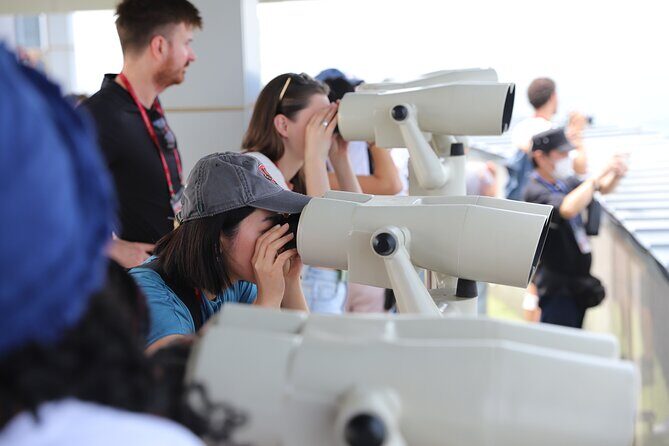
Dora Observatory is where the tour becomes about seeing. It overlooks North Korea and, on a clear day, you can look through a telescope. The stop is about 30 minutes and admission is included.
The views can include areas such as Gaeseong, Songaksan, Kim Il-Sung Statue, and Geumamgol (Cooperation Farm), though visibility is weather-dependent. The telescope feature is the headline moment, but it’s also the part you can’t control.
If you want the best odds, dress for comfort and bring something warm even in mild seasons—observatory settings can be chilly, and you’ll likely be standing or waiting in open conditions. And don’t expect instant clarity. In border-area viewing, seeing is sometimes gradual: you’ll start noticing outlines, then landmarks, then you realize what your guide is pointing out.
The value of this stop isn’t just the view. It’s what the view turns into mentally: proof that this is not a distant concept. It’s close enough to look at—if weather cooperates.


When the DMZ changes the plan: alternate stops you may see instead
One thing you should know up front: the DMZ is operated by the military, and the trip may be canceled without prior notice. Even when it isn’t fully canceled, schedules can change due to road conditions (traffic, roadworks), weather (storms, dense fog, heavy snow), government orders, strikes, and other military reasons.
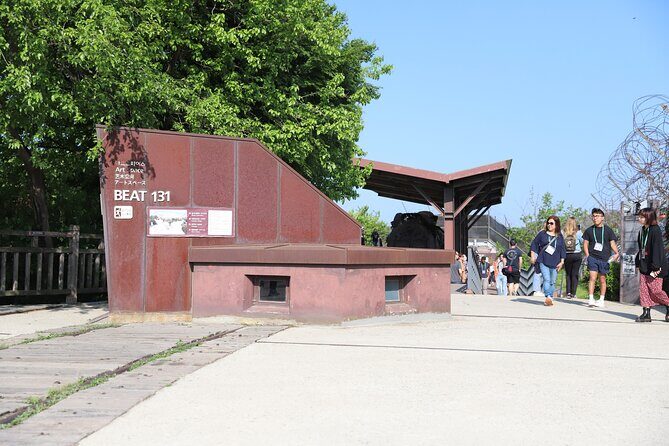
The tour also lists an alternative itinerary if needed. The replacement route can include Imjingak Park, Art Space BEAT 131, Odusan Unification Observatory, the War memorial of Korea, then dismissal at City Hall or Myeongdong.
I like that this backup plan still keeps you oriented to the same big themes: memorial context, a unification/DMZ-facing observatory element, and a broader war perspective. The downside is that you can’t lock in a single, perfect script. You’re going to DMZ to be flexible.
A small plus: the tour does not stop at shopping centers like ginseng centers or amethyst factories. That keeps the day from turning into a commercial detour.
Guides, pacing, and why the group size cap helps
Most DMZ tours live and die by the guide. The reviews for this tour repeatedly praise guides by name—Stella, Kenny, Chloe, Leo, Jun, and especially Jung and Chong—for making the sites enjoyable, clear, and well-timed. One recurring theme is that the guides do a strong job connecting each stop’s purpose to the bigger story, not just reciting facts.
You’ll also benefit from the group size limit: maximum 40 travelers. In practice, that matters because DMZ visits can be crowded. One review mentioned a long wait due to high visitor volume on the DMZ side, and another noted some waiting near the start. With a larger group, those waits become harder. With a capped group, it’s easier to keep movement flowing.
About pistol shooting: the tour includes pistol shooting only if you select the option. Participants must be over 14. This isn’t mandatory for the baseline tour, so check what you’re actually booking if you care about adding it.
If you’re the type who likes clear timelines and tight organization, this is where you’ll feel the value of a guide-led day. It’s not a “wander at your own pace” experience.
Optional pistol shooting and the suspension bridge add-on: confirm what’s included
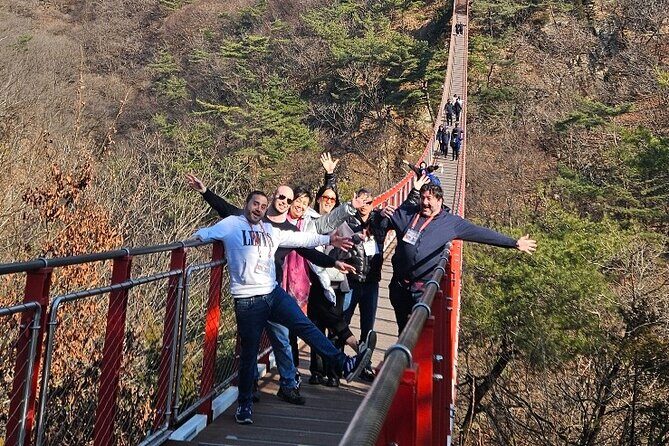
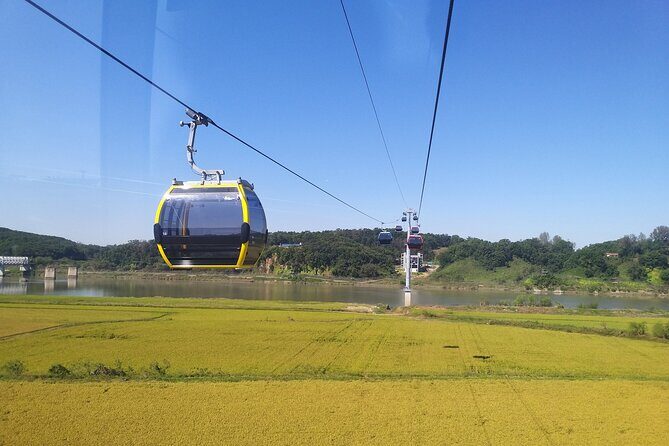
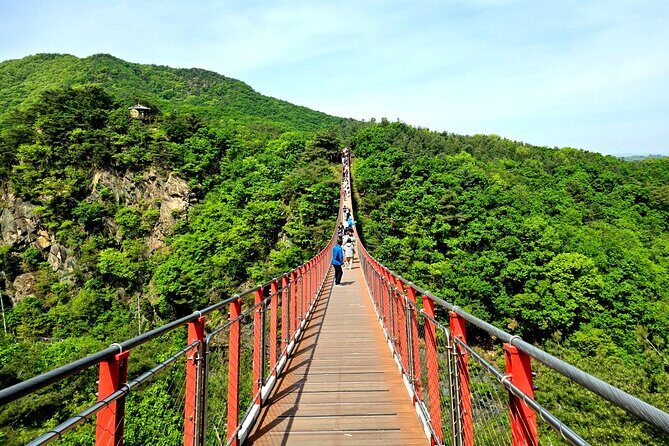
Your title mentions an optional suspension bridge experience, but the detailed tour data you provided doesn’t explain how that’s handled (where it fits, what time it adds, or what view you get). The one option the data does spell out clearly is pistol shooting.
So here’s my practical advice: before you lock anything in, double-check your booking description for the suspension bridge add-on. Make sure it doesn’t replace one of the main DMZ stops in a way that would disappoint you—especially since Dora Observatory depends on weather and time windows.
For pistol shooting, plan for it if you choose it. It’s subject to the age rule (over 14), and it’s an added component inside a day that already runs long.
Price and value: $27.50 for a politically sensitive, admission-included day
At $27.50 per person, this is one of the better-priced ways to reach the DMZ from central Seoul. The value isn’t just the low price tag—it’s what you get bundled.
Included items:
- round-trip transport from central Seoul (with pick-up offered for many central areas)
- a professional local guide
- air-conditioned coach or minivan transport
- admission included for the Third Tunnel and Dora Observatory
- the Imjingak Park stop has free admission
Not included:
- lunch
- hotel pick-up/drop-off in the general sense (but pick-up is offered for centrally-located hotels, and you’ll be dropped at City Hall or Myeongdong)
So the real cost equation is simple: ticket price plus whatever you spend on food and snacks. Since lunch isn’t included, I’d plan ahead with either a grab-and-go breakfast before you meet or money for a meal after you return. Also consider that the day’s length may not match what you call a “half-day” back home.
Value verdict: if you want DMZ access without paying for a long full-day package, and you’re okay with limited time at each stop, this price is hard to beat.
Should you book the DMZ tour from Seoul?
Book it if:
- you want a structured, guided DMZ day with major stops (Imjingak Park, Third Tunnel, Dora Observatory)
- you’re excited by telescope viewing on clear days, even though weather is out of your control
- you prefer a tour that skips the typical souvenir-center circuit
- you like your history explained in plain, stop-by-stop terms by guides people repeatedly praise, including Jung and Chong
Skip it (or choose another option) if:
- you strongly dislike waiting and uncertainty
- you’re counting on Dorasan Station specifically, since it’s listed as closed due to military reasons
- you want a lot of free time. This is guided and time-managed, not a self-directed roam
My final take: this is a meaningful, tightly run DMZ introduction. It won’t feel like a casual sightseeing day, but it gives you the essentials in one go—enough to understand why people describe the border like something you can almost touch.
FAQ
Do I need a passport for the DMZ tour?
Yes. A current valid passport is required on the day of travel.
How long is the tour, and is it really a half-day?
The duration is listed at about 7 hours (approx.). Even though it’s marketed as half-day, plan for a long day including transport and time at each site.
What happens if Dora Observatory conditions are not good?
Dora Observatory includes a telescope look depending on the weather. If conditions aren’t clear, your viewing may be limited.
Is Dorasan Station part of the visit?
The tour info says Dorasan Station is closed due to military reasons, so you should not expect it to be available.
Is pistol shooting included?
Pistol shooting is included only if you select that option, and participants must be over age 14.
Is lunch included?
No. Lunch is not included in the tour price.
Can I get a full refund if I cancel?
You can cancel for a full refund if you cancel at least 24 hours before the experience’s start time. If you cancel less than 24 hours before, you don’t get a refund.