REVIEW · SEOUL
DMZ + Border area Full-Day Tour from Seoul
Book on Viator →Operated by DMZ평화동행 · Bookable on Viator
There are day trips, and then there’s this one. The DMZ + border area full-day tour from Seoul is built to help you understand what the DMZ means today, not just what it meant yesterday, with teaching led by Ph.D. Ahn (North Korean Studies). I like that it layers symbolic places—peace statues, war reminders, and church-and-memory sites—so the story sticks, not just gets “seen.”
Two things I really appreciate: the tour includes more than the usual photo stops, and you get practical context tied to what you’re standing in front of. You’ll also get a lunch in the Tongilchon area, plus a DMZ map and a small souvenir that make it easier to remember the route. One drawback to plan around: the weather can be rough, and there’s a 30-minute walk option for the Third Tunnel area (you can skip going down, but you’ll still want comfy shoes and layers).
In This Review
- Key things that make this DMZ tour worth your time
- Where this DMZ day tour shines: teaching with real places, not just talking points
- The 8 a.m. start in Hongik University: plan to be early
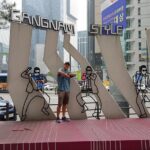
- Stop 1: Hongdae Street as your orientation checkpoint
- Stop 2: DMZ and Imjingak—Pavilions, bridges, statues, and war leftovers
- Stop 3: Dora Observatory vs Dorasan Station vs the British Memorial—what changes by group size
- Stop 4: Tongilchon-gil and Tongil Village—eating in the civilian control zone
- Stop 5: DMZ 평화교육원—rooftop views, a photo spot, and a different angle
- Stop 6: Odusan Unification Tower—telescope views and exhibits about division
- Stop 7: Donghwa Gyeongmo Park—war scars made into monuments
- Stop 8: Catholic Church of Repentance and Atonement—quiet reflection in the middle of the hard stuff
- Stop 9 and 10: Back to Hongik University, plus Munsan Liberty Market on Wed/Sat
- Price and value: $40 with admissions, lunch, and tools to remember the DMZ
- Who should book this DMZ Peace together tour—and who should pause
- FAQ
- FAQ
- What time does the DMZ day tour start?
- Where do I meet the guide?
- Do I need a passport to enter the DMZ?
- How long is the tour?
- Is lunch included?
- What DMZ attractions do I see at Dora area?
- Is the tour admission fee included?
- Are snacks included?
- What is included as souvenirs?
- When does the Munsan Liberty Market add-on run?
- Should you book this DMZ + border area tour?
Key things that make this DMZ tour worth your time
- Ph.D. Ahn-led perspective on North Korea’s history, culture, and people, not just headlines
- Multiple DMZ viewing routes that change based on your group size, so the day feels tailored
- Included Tongilchon lunch and a chance to eat DMZ-border food made with Jangdan soybeans
- Photo-worthy viewpoints like the DMZ 평화교육원 rooftop and the Odusan Unification Tower
- A strong mix of “war memory” and “peace message” stops, including a church you can actually sit with
- A small-group cap (up to 43 travelers) that helps keep the day from feeling chaotic
Where this DMZ day tour shines: teaching with real places, not just talking points
If you’ve ever looked at the DMZ on a map and thought, Okay… but what does it feel like on the ground, this is the kind of tour that tries to answer that. The day is organized around border-area sites that carry meaning: places tied to separation, displacement, war, and the long, slow hope for reconciliation.
What makes it work is that the guide team doesn’t treat the DMZ like a theme park. You move from one symbolic space to the next—steam train history, peace monuments, unification observatories, and church architecture meant for reflection. The result is a day that’s educational in a grounded way. And with Ph.D. Ahn involved, the pacing leans toward explanation, context, and interpretation.
You’re also paying for time. At $40 for a 9–11 hour day, with admission included at the stops and lunch included near the border zone, this isn’t just “a bus to lookouts.” It’s a full, structured experience.
A few more Seoul tours and experiences worth a look


The 8 a.m. start in Hongik University: plan to be early
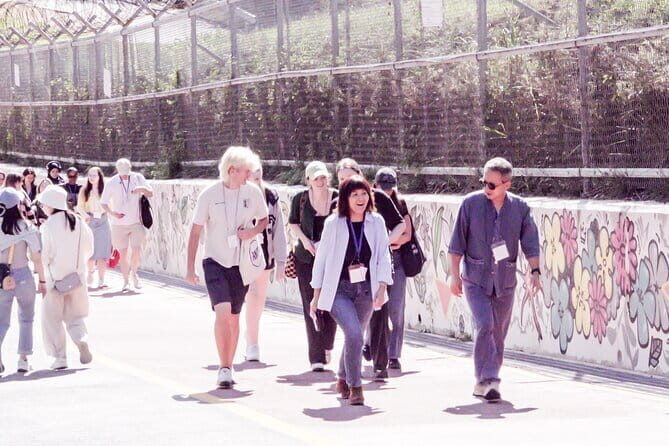
You meet at Hongik University Station, Exit 3, near Yanghwa-ro, and the guide meets you in front of Olive Young. The bus leaves at 8:00 sharp. Here’s the practical part: they won’t wait if you’re more than 10 minutes late.
That “no waiting” rule matters on a DMZ day trip because the day already has tight gate and schedule constraints. If you’re coming in from somewhere else in Seoul, build in buffer time for train delays and stairs/escalators. The good news is that it’s near public transportation, and the tour uses a mobile ticket, so you’re not dealing with printed paperwork.
If you do one thing right, do this: show up early, get your bearings fast, then stop worrying.
Stop 1: Hongdae Street as your orientation checkpoint
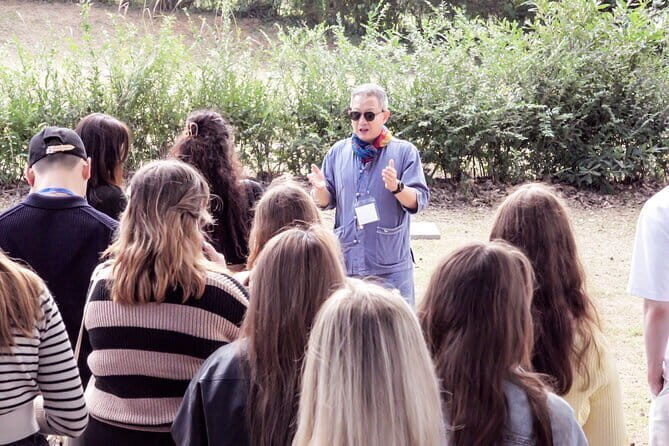
This first stop is less about sightseeing and more about your handoff into “DMZ mode.” You’ll gather in the Hongdae area around Hongik University before boarding. Think of it like a warm-up: you’ll get the group together, confirm you’re on schedule, and get moving before the city traffic drains your energy.
It also helps that the meeting point is easy to spot in a busy area. It’s not a hidden alley meeting. That sounds small, but it’s a big deal when your day hinges on being on time.
Stop 2: DMZ and Imjingak—Pavilions, bridges, statues, and war leftovers
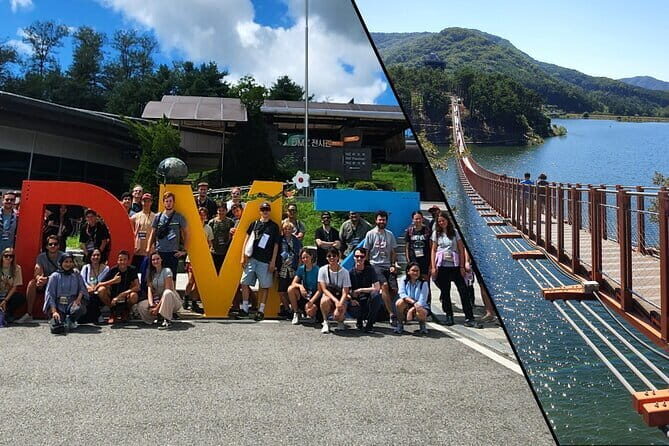
The DMZ pavilion stop (often described as the Imjin River pavilion) is a convenience facility that dates to 1972. It was meant for displaced people moving along the path toward the North. Even before you get to the more famous viewpoints, this sets the tone: displacement and longing are part of the DMZ story, not just politics.
From there, you visit a set of sites designed to teach through objects:
- Dokgae Bridge, tied to Korean War-era transportation history, including the steam train context
- Imjingak’s statue of peace, a visual anchor for the idea of hope tied to waiting and return
- Mangbaedan and Manghyang’s Songbi, both used to explain local history and cultural meaning connected to this area
This stop is where the tour starts feeling “educational” in the best way: you’re learning what the place itself is, not just facts you’ll forget by dinner.
One consideration: because it’s early and meaningful, you may want to pace yourself. If you’re the kind of traveler who likes to take lots of photos immediately, do it—but don’t rush through the explanations. The payoff comes when you connect what you see to what the guide is telling you.
Stop 3: Dora Observatory vs Dorasan Station vs the British Memorial—what changes by group size
This is one of the most important parts of the day to understand before you go: the tour’s main DMZ viewing plan can change depending on how many people join.
- If there are more than 30 people, you go to Dora Observatory and the Third Tunnel. This is often the most representative DMZ experience for visitors who want a broad overview.
- If there are between 20 and fewer than 30 people, you visit Dorasan Station plus the inter-Korean immigration office. The office is described as the only land-based immigration office in Korea—highly symbolic, and it gives you a different angle on what separation looks like in daily systems.
- If there are fewer than 20 people, the route includes the British Military Seolmari Battle Memorial Park instead of the other major options.
If you’re going for views, I’d treat this like a choose-your-own-DMZ route—but with one warning: the day can include walking. The tour mentions a 30-minute walk course for the Third Tunnel, and you don’t have to go down if you prefer to avoid that. Still, comfortable shoes help no matter which variant you get.

Stop 4: Tongilchon-gil and Tongil Village—eating in the civilian control zone
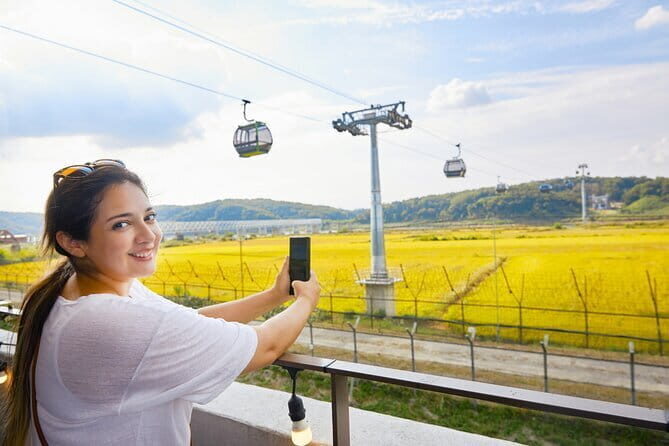
Tongilchon-gil is where the border stops feeling abstract and turns into daily life. The tour takes you into the civilian control zone (CCZ) area where Tongil Village exists—and it’s a place you won’t just stumble onto. The tour notes that Tongil Village is not marked on maps, and access is only possible with guidance from a village resident after identity verification at Tongil Bridge.
That’s a big deal. It means you’re not just passing through “DMZ scenery.” You’re entering a zone where rules are real, and people who live there have their own routines and responsibilities.
And then there’s the part that makes the day memorable for most people: food. You can choose from:
- Doenjang (fermented soybean paste)
- Cheonggukjang (fermented soybean stew)
- Kongbiji jjigae (soy pulp stew)
These are built around Jangdan soybeans grown in the fertile conditions of the border region, with clean Imjin River water mentioned as part of why the beans are so high quality. Even if you don’t consider yourself a food traveler, this meal is a smart way to understand the DMZ area through something practical: agriculture, cooking, and what families can do where they live.
If you have dietary limits, don’t wait until the day of. Ask before booking so your meal choice doesn’t become an awkward scramble.
Stop 5: DMZ 평화교육원—rooftop views, a photo spot, and a different angle
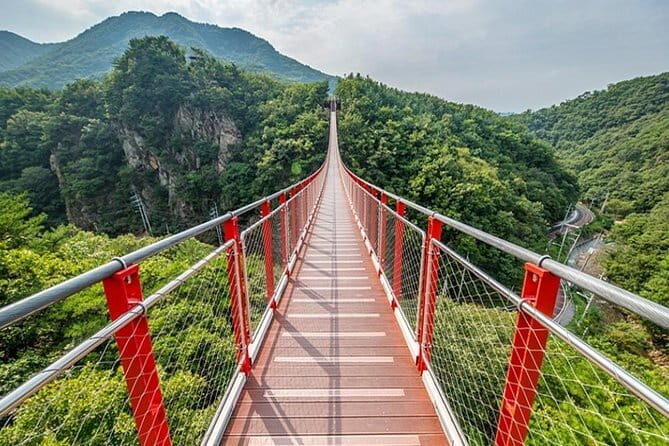
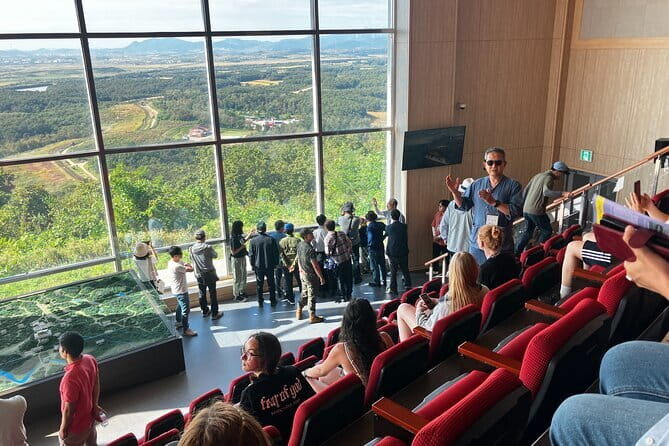
This is the DMZ stay-and-guide center stop, described as a special location you can visit only as part of this DMZ Peace together tour program. It’s positioned about 3 km away from North Korea, which is why the views feel so close and personal compared with standard observation decks.
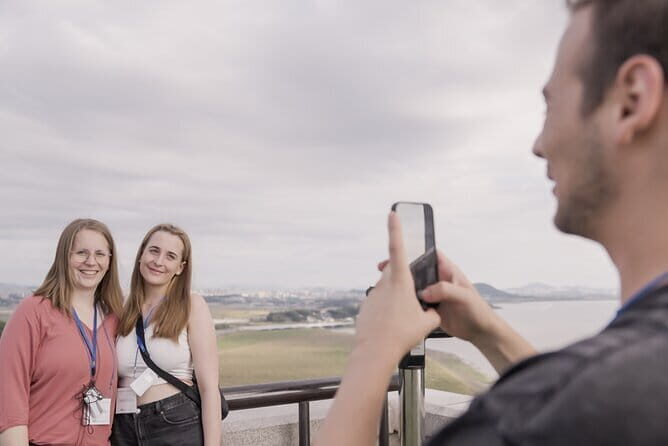
You’ll get a chance to take in the border-area view from the rooftop, including a special photo spot. That rooftop detail is worth paying attention to because it changes the way you frame the landscape. Instead of looking like you’re watching from behind glass, it feels more like you’re standing in the border zone’s “in-between space.”
The tour also mentions a try-on experience that you can’t do on a normal tour. The specifics aren’t listed here, but the point is clear: this isn’t only a walk-through stop.
Stop 6: Odusan Unification Tower—telescope views and exhibits about division

Next comes the Odusan Unification Observatory. This is one of the closest observation sites to North Korea, and you’ll be told you can observe North Korean villages and the estuary of the Han River through a telescope.
Inside, there are exhibits about the history of division. The guide uses that material to explain what you’re looking at—especially when it comes to the reality of separation and daily life.
I like this stop because it gives you more than a view. A view is easy to forget. Exhibits are a tool to interpret the view.
Stop 7: Donghwa Gyeongmo Park—war scars made into monuments
Donghwa Gyeongmo Park is built to preserve scars of war through monuments. The tour encourages a moment of silence and to “engrave your heart for peace.”
It’s a simple instruction, but it works. This is one of those breaks in the schedule where you can stop performing traveler mode and actually absorb the meaning behind the photos. If you’re traveling with someone who likes deep history, this will likely be one of their favorite moments of the day.
Stop 8: Catholic Church of Repentance and Atonement—quiet reflection in the middle of the hard stuff
The Catholic Church of Repentance and Atonement is framed as a message of peace and reconciliation. This is one of the tour’s calmer stops, and it’s not just a photo moment.
Inside, you can pray or meditate quietly. In the square outside, there are photo opportunities too. One practical note: the tour says refrain from flash photographs inside.
If you tend to get “tour fatigue” after too many war-focused visuals, this is the stop that helps rebalance your emotions. It makes the day feel less like a pressure test and more like a human story.
Stop 9 and 10: Back to Hongik University, plus Munsan Liberty Market on Wed/Sat
The tour ends back around Hongik University Station, typically between 5:00 p.m. and 6:30 p.m. Some schedule changes can happen based on route timing, but you should expect to finish near the same Exit 3 meeting spot.
One extra option only runs on certain days: Munsan Liberty Market on Wednesdays and Saturdays. On those days, the tour includes:
- Munsan Free Market
- the 3rd Tunnel
- Dora Observatory
You don’t have to worry about cash. The tour says they provide Korean Won for shopping at Munsan Market. The market experience is described as traditional, similar to Gwangjang Market, so if you like street-food energy and everyday stalls, this can add a fun, normal-life finish to a heavy day.
Price and value: $40 with admissions, lunch, and tools to remember the DMZ
Let’s talk value without pretending it’s charity.
At $40 for a 9–11 hour day, the big value drivers are:
- Lunch included in Tongilchon (not a token cookie—real meal time)
- Admission fees for the places you visit
- A DMZ & border map made with input from Ph.D. Ahn and local experts
- A small sunglasses holder souvenir made by DMZ peace Together
Plus, the group size cap of up to 43 travelers keeps it from feeling like a cattle call, especially for a day with reflection stops where you want space to think.
The tour also has a “good vibes” quality in the feedback, and the overall rating is 4.7 with 95% recommending it. The one common complaint in the provided info is that weather can be harsh. That’s not a dealbreaker, but it is real: dress for cold or heat depending on season, and bring something for wind and sun.
Who should book this DMZ Peace together tour—and who should pause
This is a great fit if you:
- Want a structured, full-day format with major border-area sites
- Prefer guided context tied to what you’re physically seeing
- Like learning from people who study the subject long-term (the tour is led by Ph.D. Ahn and local experts)
- Appreciate moments of reflection, not just checkpoints
It might not be your best match if:
- You hate walking in limited time windows (especially around the Third Tunnel area)
- You need a flexible day schedule with lots of independent roaming (this tour is structured)
- You get stressed by strict time rules (the 8 a.m. bus departure and the no-wait 10-minute limit mean you should be disciplined)
And here’s the big, non-negotiable item: for DMZ entry, you need a valid passport on the day of the tour. No passport means you can’t enter the DMZ.
FAQ
FAQ
What time does the DMZ day tour start?
It starts at 8:00 a.m. with meet-up at Hongik University Station Exit 3. The bus leaves at 8:00.
Where do I meet the guide?
You meet at Hongik University Station Exit 3 (Yanghwa-ro, Mapo-gu, Seoul) in front of Olive Young, where the guide meets the group.
Do I need a passport to enter the DMZ?
Yes. A valid passport is absolutely required on the day of the tour for DMZ entry. Without it, you will not be able to enter the DMZ.
How long is the tour?
The duration is about 9 to 11 hours.
Is lunch included?
Yes. Lunch is served in the Tongilchon area and is included in the tour price.
What DMZ attractions do I see at Dora area?
Which site you visit depends on group size:
- Over 30 people: Dora Observatory and the Third Tunnel
- 20 to under 30 people: Dorasan Station and the inter-Korean immigration office
- Under 20 people: British Military Seolmari Battle Memorial Park
Is the tour admission fee included?
Yes. Admission fees for the places on the itinerary are included.
Are snacks included?
No. Snacks you buy on your own are not included.
What is included as souvenirs?
You’ll receive a sunglasses holder made by DMZ peace Together as a souvenir, and a DMZ & border area map made with North Korean Studies and local experts.
When does the Munsan Liberty Market add-on run?
The Munsan Liberty Market special tour runs on Wednesdays and Saturdays and includes Munsan Free Market, the 3rd Tunnel, and Dora Observatory.
Should you book this DMZ + border area tour?
If you want one full day in Seoul that gives you real context—led by Ph.D. Ahn and built around meaningful border-area sites—then yes, I’d book it. The value is strong because admissions and lunch are included, and you finish with tools to remember the day (the map and souvenir), not just photos.
Just go in prepared. Bring your passport. Show up early to Hongik University. Wear comfortable shoes in case your group route includes the Third Tunnel walk. If you do that, you’ll spend the day seeing the DMZ as something lived with meaning, not a distant headline.