REVIEW · SEOUL
Blood & Tears: Korea Dark History Guided Walking Tour
Book on GetYourGuide →Operated by KTOURSTORY · Bookable on GetYourGuide
If you think history lives in books, this tour proves you wrong. You’ll follow two different routes through Seoul’s most painful sites, from Japanese colonial rule to the fight against dictatorship, with an English-speaking guide and a small group capped at 10.
I love the way the day is built around real places you can stand in front of, not just names on a timeline. I also like that the experience has a clear emotional arc, going from oppression to the stubborn push for freedom. One thing to consider: this is heavy material, and the tour uses public transportation, so you’ll want to be ready for a walking day and possible shoe rules at certain stops.
In This Review
- Key takeaways before you go
- Independence or Democracy: picking the right package
- Package 1: Then: Fight for Independence (9:30 AM start)
- Seodaemun Prison History Hall: where the story turns personal
- Dongnimmun Arch: a celebration that became evidence
- Dilkusha: the residence stop with a shoe rule
- Tapgol Park: ending at the 1919 uprising
- Package 2: Now: Road to Democracy (9:50 AM start)
- National Museum of Korean Contemporary History: context first
- Tongin Market and traditional lunch: history you can taste
- Blue House: power, decisions, and controversy
- Namsan KCIA headquarters: surveillance and fear made concrete
- Korea Democracy Foundation: from silence to remembrance
- What this tour does better than textbook history
- Logistics that actually matter on a walking history day
- Shoe rules and comfort
- Weather and traffic
- Value: is $29 the right price for this kind of tour?
- Who should book Blood & Tears
- Should you book it?
- FAQ
- How long is the Blood & Tears guided walking tour?
- What time do the two tour packages start?
- Where does Package 1 end?
- Where does Package 2 end?
- What is included in the tour price?
- Are meals included?
- Is this tour wheelchair accessible?
- Do I need to remove my shoes?
- What’s the cancellation and booking policy?
- How big are the groups?
Key takeaways before you go
- Two routes to choose from: independence history (until Tapgol Park) or the road to democracy (ending at the Korea Democracy Foundation)
- Small group size (up to 10) keeps the guide’s attention focused
- English-speaking live guide helps you connect the dots at each landmark
- Prison and surveillance sites are the center of gravity, with a “look and reflect” pace
- Practical site rules: you may need to remove shoes at Dilkusha, with slippers provided
- Timing can flex due to weather and traffic, so wear comfortable shoes and plan for delays
Independence or Democracy: picking the right package
This tour comes in two versions, and choosing one can actually make your trip better. If your goal is the early fight against Japanese rule, you’ll want Package 1: Then: Fight for Independence. If you want Korea’s post-war struggle for civil rights and democracy, choose Package 2: Now: Road to Democracy. You can also do both, if you have the time and emotional bandwidth.
Package 1 runs from 9:30 AM and finishes at Tapgol Park around 1:00 PM. It focuses on Seodaemun Prison History Hall, the story behind Dongnimmun Arch, and Dilkusha (with that specific residence visit rule). The day ends at Tapgol Park, tied to the 1919 independence uprising. It’s the faster route, and it’s the one for people who want a single strong historical thread.
Package 2 starts at 9:50 AM and ends at 4:00 PM. You’ll move from context-building museums to political power places like Blue House, then finish with Namsan KCIA headquarters and the Korea Democracy Foundation—sites linked to surveillance and oppression. It’s longer, and it’s the route that helps you understand how democratic resistance can grow after war and instability.
Either way, the tour is designed as a day of reflection and honoring people who resisted at real risk to themselves. That tone matters. You’ll be walking through locations tied to imprisonment, torture, and political repression, and you should treat it like a serious visit—not a casual sightseeing loop.
You can also read our reviews of more walking tours in Seoul
Package 1: Then: Fight for Independence (9:30 AM start)

Seodaemun Prison History Hall: where the story turns personal
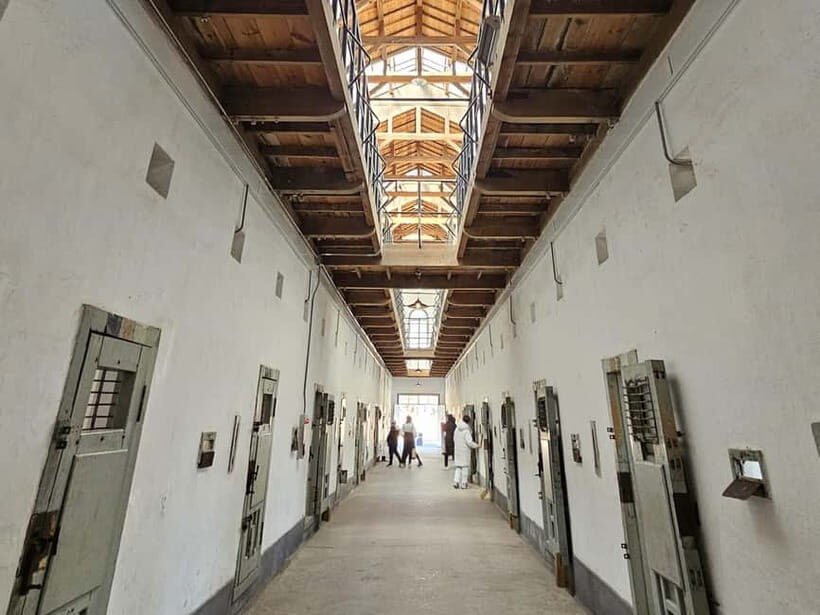
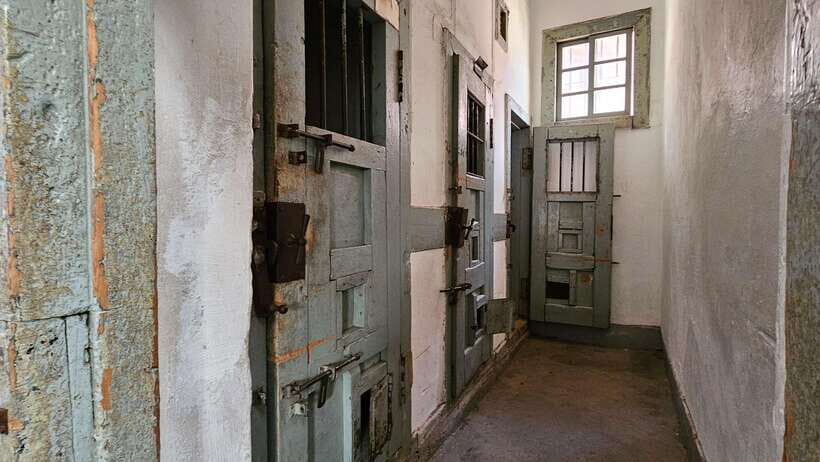
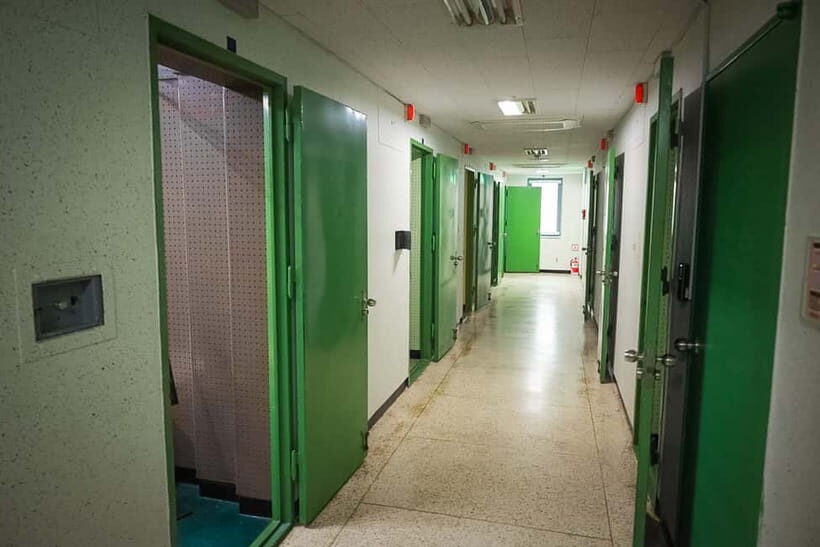
Your independence route begins at Dongnimmun Station Exit 5 at 9:30 AM. From there, Seodaemun Prison History Hall is the first major emotional anchor. This isn’t set dressing. It’s a place connected to Korean freedom fighters who were imprisoned, tortured, and executed for resisting Japanese rule.
What I appreciate about starting here is that it forces you to feel the stakes early. You’re not “learning about” suffering later—you’re seeing it first, in cold and dim cell spaces and torture chambers. The guide’s job is to keep you grounded in the human meaning of what you’re looking at, not just the spectacle of a dark attraction.
Practical note: if you have mobility limits, remember that the tour moves by public transportation and involves walking. The overall tour is listed as wheelchair accessible, but you should still plan for the real-world friction of station transfers and time on your feet.
Dongnimmun Arch: a celebration that became evidence
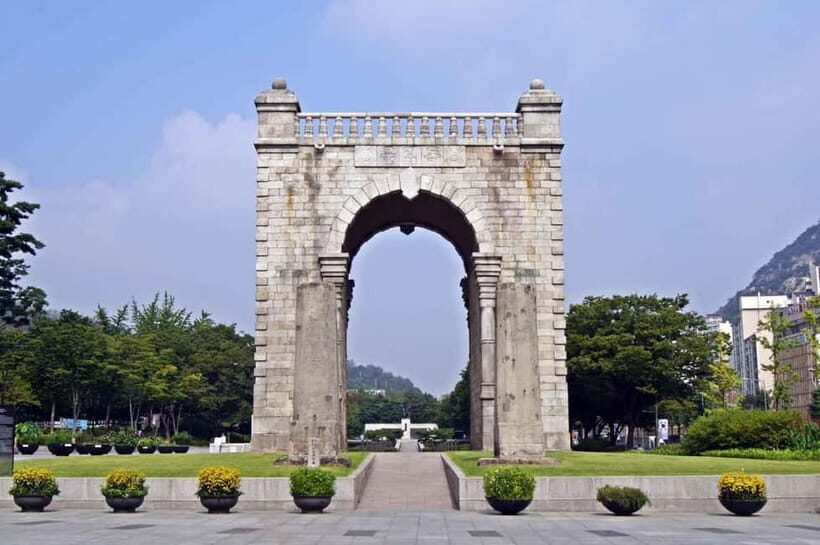
Next you’ll go to Dongnimmun Arch, built to celebrate national independence, and later repurposed into a witness to the crushing reality of Japanese colonization. This stop is clever because it shows how symbols can be reinterpreted by power.
You’ll walk away thinking about a simple idea: history isn’t one straight line. A monument can be designed for pride, then forced to sit inside an era of control. That’s a useful lens for the rest of the day—because the tour keeps returning to the theme of oppression shaping public life.
Dilkusha: the residence stop with a shoe rule
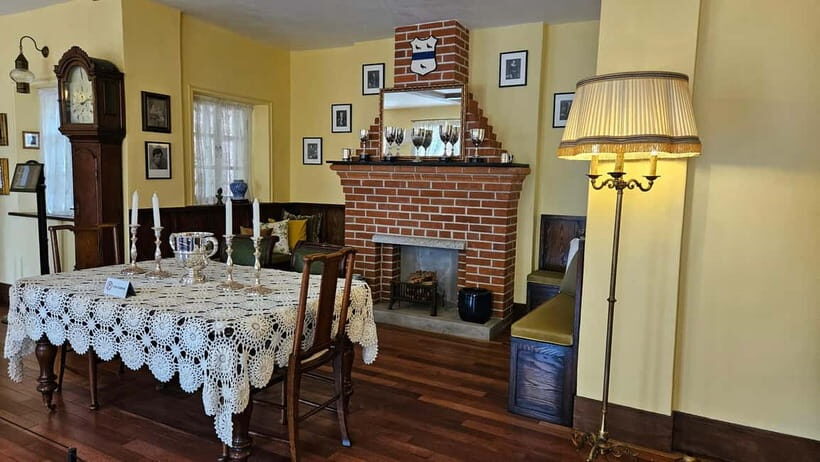
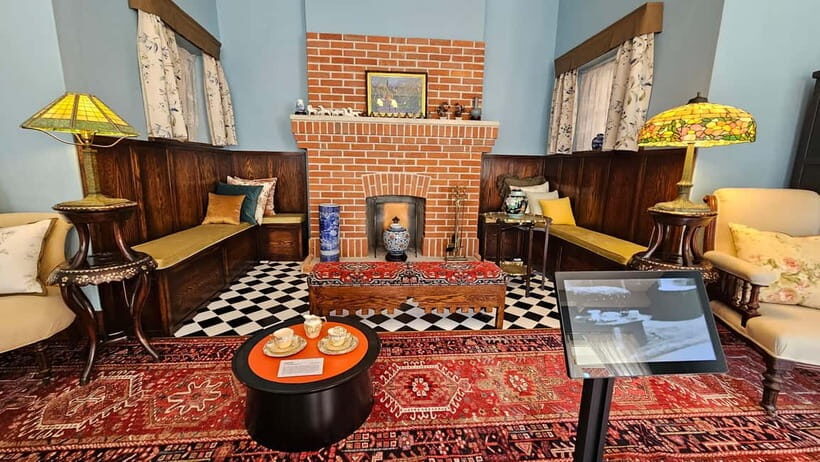
After Dongnimmun Arch, the tour moves to Dilkusha, the former residence of Albert W. Taylor, an American journalist who exposed Japan’s brutal rule to the world. It’s a distinct kind of story inside the independence route: not just Korean resistance, but the role of outside reporting in making oppression impossible to ignore.
There’s a specific practical detail here. You may need to remove your shoes when visiting Dilkusha to help preserve the historic residence, and slippers will be provided on-site. Build this into your planning mindset—this is the kind of small rule that can catch you off guard if you’re in hurried “tour mode.”
You can also read our reviews of more guided tours in Seoul


Tapgol Park: ending at the 1919 uprising
Your package ends at Tapgol Park around 1:00 PM. This is where the first cries for independence reverberated through the streets in 1919, sparking a nationwide uprising that eventually led toward Korea’s freedom.
What makes this ending work is that it closes the loop between suffering and action. You begin at a place tied to punishment, and you end at a place tied to collective courage and public momentum. Even if you’re not a history expert, you’ll leave with a clearer chain of cause and effect: repression triggers resistance, and resistance grows when people take to the streets.
Package 2: Now: Road to Democracy (9:50 AM start)
National Museum of Korean Contemporary History: context first
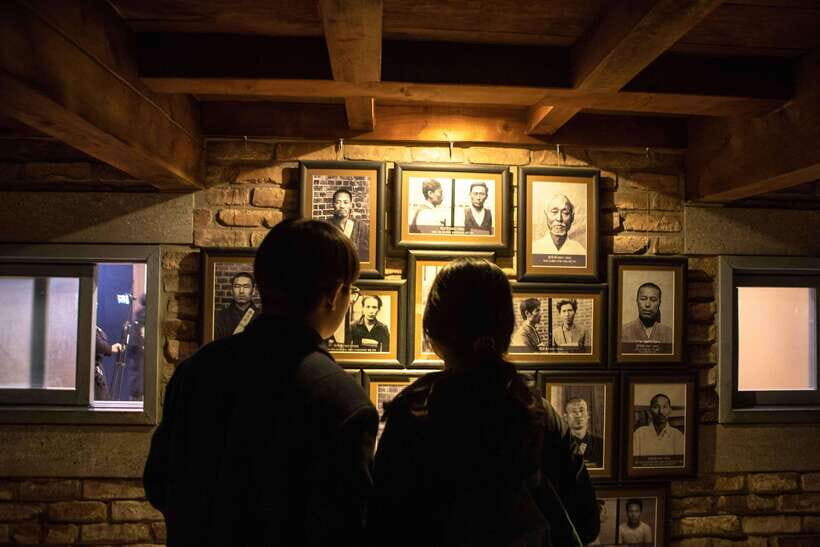
Package 2 meets at Gwanghwamun Station Exit 7 at 9:50 AM. The day begins at the National Museum of Korean Contemporary History to give you crucial context about post-war reconstruction, military regimes, and citizen resistance.
This start helps you avoid the common mistake of treating political struggle as a single episode. You’ll get the broader background so the next stops land with weight, not just names. It’s also a good pacing choice: museums before late-day sites makes the schedule feel more balanced.
Tongin Market and traditional lunch: history you can taste
Next comes Tongin Market. The tour includes time for traditional lunch, and it helps break up the heavier subject matter before you head into sites tied to surveillance and political oppression.
A practical heads-up: meals are listed as not included, so treat lunch as something you’ll be paying for during the stop. That’s still a plus—markets make it easier to choose something that fits your appetite that day rather than locking you into one set menu.
Blue House: power, decisions, and controversy
Then you’ll go to the Blue House, the former presidential office. The tour frames it as a symbol of power and the controversial decisions made behind closed gates.
This stop is valuable because it turns “government” into a physical place. You’ll probably find it easier to understand why citizens feared what they couldn’t influence. When you stand near sites like this, the theme becomes clearer: democracy isn’t only voting. It’s accountability, transparency, and safety for dissent.
Namsan KCIA headquarters: surveillance and fear made concrete
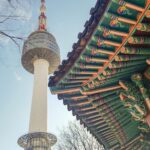
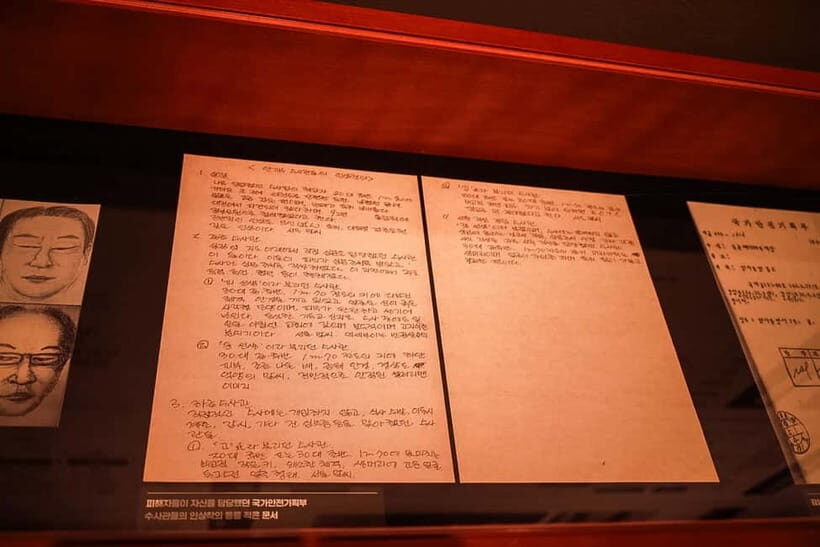
After Blue House, the route gets darker. You’ll visit Namsan KCIA headquarters, a site connected to surveillance, political oppression, and torture used to silence dissent.
This is one of the most intense parts of the tour. It’s also why the earlier context museum matters. You can connect why surveillance becomes routine under authoritarian rule, and how torture can be used as a tool to break resistance.
The tour’s design here is “look and reflect.” Don’t rush your attention. If you try to power through, you miss what makes this stop meaningful.
Korea Democracy Foundation: from silence to remembrance
The final stop is the Korea Democracy Foundation at 4:00 PM, described as former sites tied to surveillance and political oppression. Now, it functions as a reminder of how hard-won Korea’s democracy truly is.
Ending here gives you a reframing moment. You’re not only walking through suffering—you’re also seeing what comes after, when a society decides it needs memory to protect the future. It’s a constructive stop, even if the subject is difficult.
What this tour does better than textbook history
This isn’t a “watch and move fast” tour. The whole point is that the locations carry emotional weight. The guide’s job is to connect each place to the larger story of independence and democracy, so you come away with something you can actually use—like a mental map of how Korea’s modern identity formed under pressure.
I also like that the tour uses two different historical lenses. Package 1 shows how resistance formed under colonial rule. Package 2 shows how resistance continued after war and political control, when dictatorship replaced earlier forms of dominance.
And yes, you should expect the day to feel heavy. The tour includes stops tied to imprisonment, torture, executions, and oppression. If you need a cheerful day full of markets and quick photo ops, this isn’t that. But if you want a meaningful understanding of Korea, it’s a strong use of time.
Logistics that actually matter on a walking history day
This tour is listed as 3.5 to 6 hours, depending on the package and the schedule. You’ll be traveling by public transportation, and the tour includes public transportation fees during the trip. That’s good value because you aren’t juggling extra transit payments mid-day.
The tour is also wheelchair accessible, but strollers or wheelchairs may be inconvenient because of public transportation and walking segments. If you’re bringing mobility aids, plan for slower transitions and be ready for some route friction.
Shoe rules and comfort
Bring comfortable walking shoes. On Package 1, you may have to remove shoes at Dilkusha, with slippers provided. Even if you don’t forget, you might appreciate being dressed in a way that makes bathroom breaks and footwear changes easy.
Weather and traffic
The itinerary is subject to traffic & weather conditions. That matters because dark history stops can’t just be swapped at the last minute. Build a little flexibility into your day so you don’t get stressed if the schedule shifts.
Value: is $29 the right price for this kind of tour?
At $29 per person, this tour is priced like a practical guided experience rather than a premium “luxury storytelling” product. What makes it feel like good value is what’s included: an English-speaking live guide, admission fees, and public transportation fees during the tour.
For me, the value comes down to two things. First, you’re paying for someone to connect painful sites to clear context, so you don’t wander through memorial spaces without meaning. Second, you’re saving time. Trying to piece together these locations on your own would likely take more planning effort than most visitors expect—especially if you want the story told in the right order.
The big “cost” isn’t money. It’s attention and emotional energy. You should go into this with a calm plan, not a tired rush.
Who should book Blood & Tears
Book this if you want Korea explained through the places where people paid for courage. You’ll especially enjoy it if you like history that feels human—where prison cells, symbols, and government power sites aren’t just background.
It’s also a good choice for travelers who want an English guide. The tour is explicitly English and includes enough structure (two clear packages) that you can pick what fits your interests.
Avoid it if you want a light, feel-good city walk. This is a reflective tour built around oppression, torture, and political repression. Even if you’re curious, you’ll still need to handle it like a serious visit.
Should you book it?
Yes, if you’re the type who likes your travel to mean something. I think this tour is a strong buy for first-time visitors who want a clear story in a short time, or for returning visitors who want to understand how Korea got to where it is now.
If you can handle the emotional weight and you’re okay with walking plus public transport, it’s the kind of tour that stays with you. If you want only sightseeing, you might find it too intense. But for the right traveler, this is one of the best ways to connect Korea’s independence and democracy to the actual streets and buildings where it happened.
FAQ
How long is the Blood & Tears guided walking tour?
The duration is listed as 3.5 to 6 hours, depending on availability and which option/package you choose.
What time do the two tour packages start?
Package 1 starts at 9:30 AM (meeting at Dongnimmun Station Exit 5). Package 2 starts at 9:50 AM (meeting at Gwanghwamun Station Exit 7).
Where does Package 1 end?
Package 1 ends at Tapgol Park around 1:00 PM, and it finishes back at the meeting point.
Where does Package 2 end?
Package 2 ends at the Korea Democracy Foundation at 4:00 PM, and it finishes back at the meeting point.
What is included in the tour price?
Included are public transportation fees during the tour, an English-speaking guide, and admission fees.
Are meals included?
Meals are listed as not included. The itinerary includes a lunch stop in Package 2, so you should plan to cover your meal.
Is this tour wheelchair accessible?
The tour is listed as wheelchair accessible, but it also notes that public transportation may make it inconvenient for strollers or wheelchairs.
Do I need to remove my shoes?
You may need to remove your shoes when visiting Dilkusha. Slippers are provided on-site.
What’s the cancellation and booking policy?
It offers free cancellation up to 24 hours in advance for a full refund, and it also offers reserve now & pay later (you can book and pay nothing today).
How big are the groups?
The tour is a small group limited to 10 participants.