REVIEW · SEOUL
Tour Seoul’s oldest district with a storyteller from Bukchon
Book on Viator →Operated by Owl Tour · Bookable on Viator
Bukchon is the kind of Seoul you feel in your legs and ears. This 2–3 hour storytelling walk sends you through centuries of change, guided by someone born and raised in Bukchon and now working in film and screenwriting.
What I really like is that it’s not just photo stops—it’s a guided “story thread” that keeps you oriented as the neighborhood shifts around you. You also get a relaxed rhythm that makes the history easier to hold onto, even when you’re learning a lot fast.
My two favorite parts are the local, first-hand perspective (it comes through in the details and the way the guide connects past and present), and the pace—slow enough to ask questions and catch your breath. The one thing to keep in mind: it’s a walking tour in alleys and traditional lanes, and it may be challenging for kids under age 12, plus it’s best with moderate physical fitness.
In This Review
- Key highlights I think you’ll care about
- Walking Into Bukchon: What Makes This Storytelling Route Feel Different
- Your Bukchon Guide: Film, Screenwriting, and Real Alley Memory
- Route Overview: From Unhyeongung to Bukchon Hanok Village
- Stop 1: Unhyeongung and a Royal Succession Shock
- Stop 2: Cafe Onion Anguk and Layered Old Architecture
- Stop 3: Bukchon Traditional Culture Center and Hanok Life of the Yangban
- Stop 4: Seokjeong Boreum Well and Childhood Stories That History Clarified
- Stop 5: Choong Ang High School, Winter Sonata Fame, and a Hidden Past
- Stop 6: Samcheongdong/Bukchon and the Power Game of Feng Shui
- Stop 7: Bukchon Hanok Village and Change in the 1920s–1930s
- Pacing, Walking Comfort, and How to Enjoy It Without Rushing
- Price and What $39.20 Buys You (Value Check, Not Math)
- Optional Plus Tour Craft: Hopae Tags as a Hands-On Memory
- Best For: Who Will Enjoy Bukchon This Way
- Should You Book This Bukchon Storytelling Walk?
- FAQ
- Where does the tour start?
- What time does the tour begin?
- How long is the Bukchon storytelling tour?
- Is it a private tour?
- What’s included in the standard tour price?
- Are there admission fees at the stops?
- Is hotel pick-up included?
- Do I need a mobile ticket?
- Is the tour suitable for children?
- What if there are not enough guests?
- Want the essentials before you go?
Key highlights I think you’ll care about
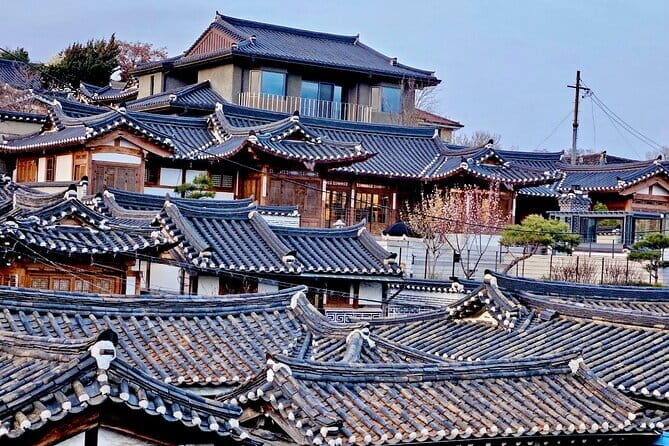
- Bukchon-born storyteller guide who connects Joseon-era politics to modern Seoul
- Unhyeongung as a dramatic starting point tied to a royal succession story
- Architecture and hanok context tied to the yangban ruling class living patterns
- Feng shui in real places, including how Samcheongdong/Bukchon was chosen for status and power
- Bukchon Hanok Village explained through the changes of the 1920s and 1930s
- Optional craft time on Plus Tour (Hopae tags are part of that experience)
Walking Into Bukchon: What Makes This Storytelling Route Feel Different
Bukchon can look like a postcard from a distance. Up close, it’s something else: narrow streets, layered buildings, and little clues in stone, wood, and names that point to older decisions. This tour is built to help you read those clues instead of just walking past them.
I like that the experience is story-led. You aren’t bouncing from one random landmark to another. Instead, the guide builds a chain from royal life to neighborhood power shifts, then to how the area’s identity changed over time. That storytelling style also makes it easier to remember what you saw later, when you’re back in your hotel comparing photos and notes.
One more practical win: most stops are short, and the listed admissions are free. So you’re mostly paying for the guide’s time and perspective, not for attraction entry fees at each location.
You can also read our reviews of more tours and experiences in Seoul.

Your Bukchon Guide: Film, Screenwriting, and Real Alley Memory
This is guided by a storyteller born and raised in Bukchon, who’s now a filmmaker and a university screenwriting professor. That matters more than it sounds. When someone tells stories professionally, you get clearer pacing, better transitions, and a way of explaining that keeps you from getting lost in dates and dynasties.
In the reviews, the guide’s personal familiarity comes up again and again. People specifically note how the guide can describe what the neighborhood felt like not just in old photos, but in lived experience—how it has changed, what stayed, and where you’d naturally notice certain details. That’s what turns “Bukchon Hanok Village” from a destination into a neighborhood with a brain and a memory.
You should also expect conversation time. The tour works best when you ask questions as you go—about feng shui, architecture, filming locations, or how political power shaped where people built homes.
Route Overview: From Unhyeongung to Bukchon Hanok Village
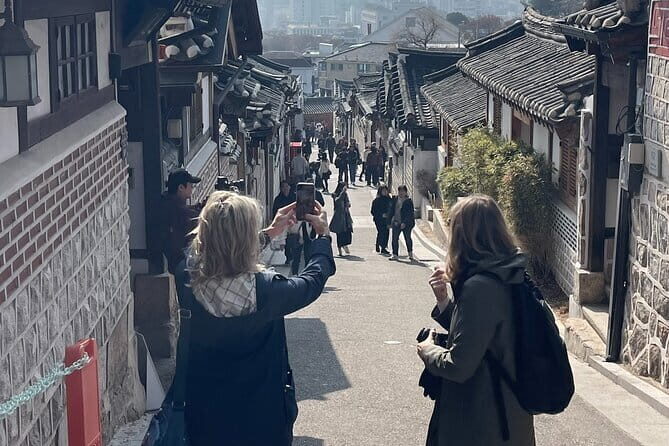
You start at Anguk Station Exit 4 in Jongno District, with a 10:00 am start time. The tour lasts about 2 to 3 hours, and it ends in a different location (so plan your next step before you get swept up in the walking).
Here’s the route logic—what each stop adds to the story, and what you’ll likely notice once the guide frames it for you.
Stop 1: Unhyeongung and a Royal Succession Shock
You begin at Unhyeongung, tied to a Joseon-era turning point. The story centers on what happens when a king dies without a crown prince. An 11-year-old royal boy—born and raised here—becomes the 26th king of Joseon. Then, for the next 10 years, his father rules the country from this place.
I like this opening because it’s not abstract. It sets up Bukchon as a seat of real political weight. When you later see how certain parts of the district were valued, you understand it wasn’t just “pretty houses”—it was connected to authority, legitimacy, and access.
Stop 2: Cafe Onion Anguk and Layered Old Architecture
Next is Cafe Onion Anguk, where you’re encouraged to admire historic architecture from multiple eras—listed as 600, 100, and 50 years ago—and learn the stories behind those layers.
This stop is a good breather. It also helps you train your eye. Once you’re told what to look for, you start noticing how older structures and newer adaptations can sit side-by-side in Seoul.
If you’re the type who loves noticing changes in materials and building style, this is one of the best places to slow down for a minute and really look.



Stop 3: Bukchon Traditional Culture Center and Hanok Life of the Yangban
At the Bukchon Traditional Culture Center, you’ll learn to appreciate the hanoks of the yangban, the ruling class who typically lived in Seoul.
This is where the tour shifts from “events” to “daily life.” Political stories matter, but they land better when you understand where elite families lived and how their homes fit the social hierarchy.
Even if you’re not a design expert, the guide’s framing usually makes hanoks feel practical—how space, rank, and tradition interacted.
Stop 4: Seokjeong Boreum Well and Childhood Stories That History Clarified
You then head to Seokjeong Boreum Well. The tour theme here is storytelling from childhood—wells you heard about as a kid—and what history revealed after people looked closer.
I like stops like this because they teach you how neighborhoods keep meaning. Water sources, wells, and everyday infrastructure often survive in places long after the original people are gone. When the guide connects folklore to historical explanation, the area feels less like a museum and more like a living system.
Stop 5: Choong Ang High School, Winter Sonata Fame, and a Hidden Past
At Choong Ang High School, you’re guided through a story tied to filming fame—known for Winter Sonata—but with an important twist: it’s also described as a historic space that helped shape Korea into the country it is today.
This is one of the most “Seoul to pop-culture” moments on the route. Even if you’ve never watched Winter Sonata, you’ll likely understand why the location stuck in people’s minds—and then get a deeper reason the building matters beyond filming.
If you enjoy connections between modern media and older civic life, you’ll get more out of this stop than a quick photo.
Stop 6: Samcheongdong/Bukchon and the Power Game of Feng Shui
Now you reach the neighborhood power story. The tour traces the rise and fall of powerful politicians and business tycoons who once held land in Bukchon. It also explains that the district was chosen as the capital under principles tied to feng shui, described here as an auspicious site.
This is where Bukchon stops feeling like a quiet residential zone and starts feeling strategic. Feng shui isn’t taught here as vague mysticism. You’ll learn how it connected to decisions about location, prestige, and influence.
If you liked Stop 1 (political legitimacy), this will click immediately. You’re seeing how power chooses geography.
Stop 7: Bukchon Hanok Village and Change in the 1920s–1930s
The final stop is Bukchon Hanok Village, focused on the man who changed the face of Bukchon in the 1920s and 1930s.
I appreciate ending this way. Bukchon isn’t just frozen in “old Seoul.” The neighborhood’s identity shifted through modernization and through specific people making big decisions.
If you time this right, you’ll leave with a clearer idea of what “Bukchon” means today, not just what it meant centuries ago.
Pacing, Walking Comfort, and How to Enjoy It Without Rushing
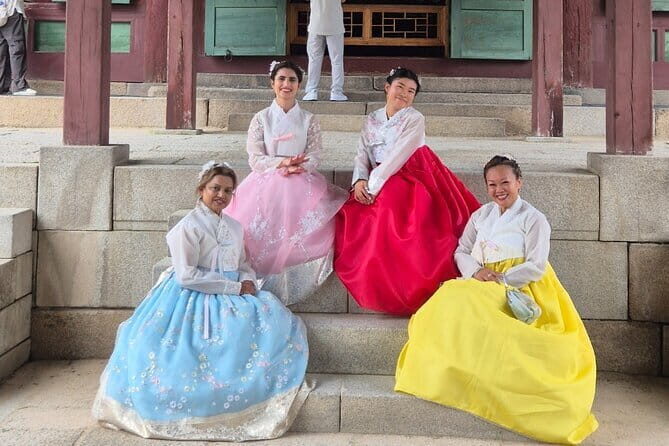
This tour is listed as 2 to 3 hours, with short segments at each stop. The structure helps you keep up, but you’ll still be walking through an old-district environment, where sidewalks and paths may not feel like wide city streets.
A few practical points I’d follow:
- Wear comfortable shoes with grip. Bukchon lanes can be uneven.
- Bring water, especially in warmer months.
- Take breaks when the guide pauses for explanation; that’s when you’ll absorb the biggest story beats.
The tour is also described as private, meaning it’s only your group. That usually helps because you can adjust the pace a bit based on your comfort level and question speed.
Price and What $39.20 Buys You (Value Check, Not Math)
At $39.20 per person, you’re paying for a guided storytelling experience with a professional Bukchon local. The value is strongest when you consider what’s included and what isn’t.
Included basics:
- Professional guide from Bukchon
- Admission tickets listed as free for the stops in the route
- Mobile ticket
- A traditional Korean handicraft experience is available only with the Plus Tour
Not included:
- Travel insurance
- Hotel pick-up
- Personal expenses
- Coffee or tea
In plain terms: you’re not buying a long list of paid attractions. You’re buying someone’s trained ability to help you see what’s in front of you and understand why it mattered. That’s the part that becomes worth it fast—especially in Seoul, where you can otherwise burn hours moving between landmarks that don’t “connect” unless someone explains them.
Optional Plus Tour Craft: Hopae Tags as a Hands-On Memory
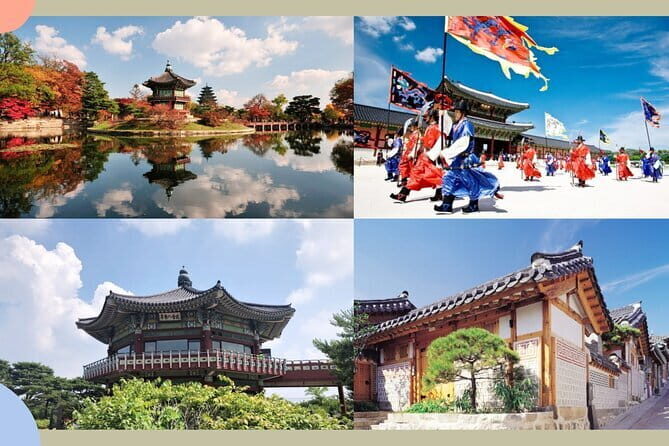
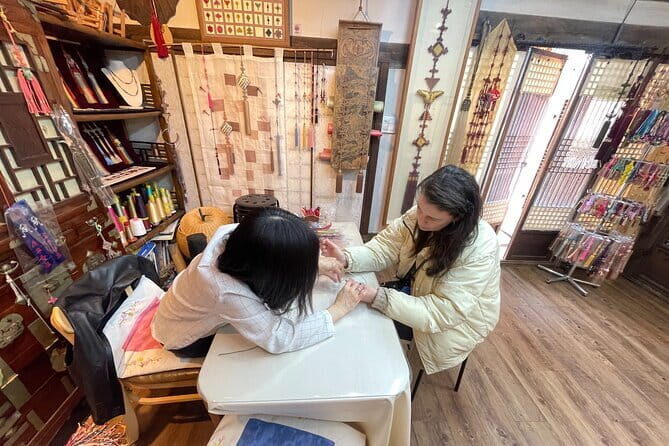
With the Plus Tour, there’s a traditional Korean handicraft experience. Reviews specifically mention making Hopae tags during the tour.
If you like experiences you can hold in your hand at the end, this option adds a tactile layer to the storytelling. It also helps break up the walking with something that keeps you focused and slows the mood down in a good way.
If you’re traveling with someone who gets restless on pure walking tours, this can be a smart upgrade.
Best For: Who Will Enjoy Bukchon This Way
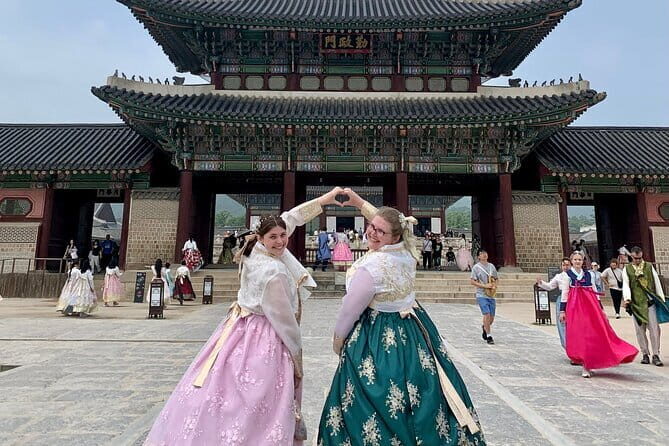
This tour is strongly recommended for ages 12 and above. If you’re traveling with younger kids, I’d treat that as a genuine caution, not a polite suggestion—this is still a storytelling walking route.
You’ll probably enjoy it most if you:
- Want Seoul history explained in a way that follows a story thread
- Like architecture and how it reflects social class and power
- Enjoy questions about feng shui and why certain locations mattered
- Want a more personal Seoul angle rather than a checklist
It’s also a strong fit if you’re staying somewhere central (since you start at Anguk Station) and you don’t want a complicated travel day.
Should You Book This Bukchon Storytelling Walk?
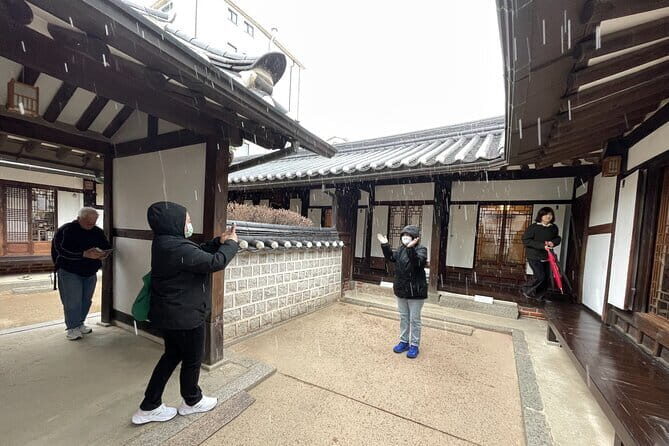
I’d book it if you want to understand Bukchon instead of just seeing it. The biggest selling point isn’t the length—it’s the guide’s Bukchon-born perspective plus the way the route ties royal succession, ruling-class living, folklore, media fame, and feng shui to the physical streets you’re walking.
Skip it or think carefully if:
- You’re traveling with kids under 12 and you need a more stop-and-play style outing
- You dislike walking through older, narrow areas
- You only want short photo stops with minimal talking
If your goal is to leave with a coherent mental map of old Seoul—and the confidence to recognize what you’re looking at as you wander afterward—this is a solid, good-value choice.
FAQ
Where does the tour start?
It starts at Anguk Station Exit 4, in Unni-dong, Jongno District, Seoul.
What time does the tour begin?
The start time is 10:00 am.
How long is the Bukchon storytelling tour?
It runs for about 2 to 3 hours.
Is it a private tour?
Yes. It’s listed as private, with only your group participating.
What’s included in the standard tour price?
A professional guide from Bukchon is included, and a traditional Korean handicraft experience is offered only with the Plus Tour.
Are there admission fees at the stops?
The itinerary lists admissions for the listed stops as free.
Is hotel pick-up included?
No. Hotel pick-up service is not included.
Do I need a mobile ticket?
Yes, the tour includes a mobile ticket.
Is the tour suitable for children?
The tour is recommended for ages 12 and above. It notes it may be challenging for children aged 12 and under.
What if there are not enough guests?
The tour may be canceled if fewer than 2 guests join.
Want the essentials before you go?
If you tell me your travel dates and who you’re going with (age range, walking tolerance, whether you want the Plus Tour craft), I’ll help you decide what to prioritize around this Bukchon walk.