REVIEW · SEOUL
Small Group Tour to DMZ & Suspension Bridge with Hotel Pickup
Book on Viator →Operated by Here Korea Travel · Bookable on Viator
Border history hits different from inside. This small-group DMZ day links DMZ access with hotel pickup, so you spend less time figuring out transit and more time seeing what matters.
I love the tight group size (max 17), and the way your guide can answer questions in clear, practical terms. Names like Joo-Ee, Jiwon, Vincent, and Joey show up often in people’s accounts of how well the day is explained.
The trade-off is effort and timing: you start early (7:30 am), you walk a lot, and if visibility is poor, the big North Korea views can feel disappointing.
In This Review
- Key takeaways before you go
- A smooth, small-group DMZ day (and why size matters)
- Price and value check: what $65 really buys
- Your morning plan: 7:30 pickup, passports, and stamina
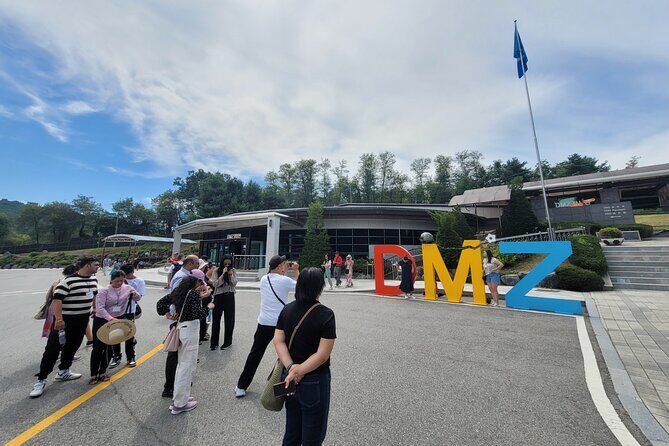
- Stop 1: Imjingak Pyeonghoa-Nuri Park and the classic DMZ photo stops
- Entering the DMZ: the blue line, the CCZ, and timed visits
- Mangbaedan and Unification Village: the human side of the border
- Third Tunnel and Dora Observatory: the hard walk and the big view
- Gamaksan Chulleong Bridge: a final walk with a view
- Drop-offs in Seoul: plan your food and shopping time
- Should you book this DMZ & suspension bridge tour?
- FAQ
- What time does the tour start?
- How long is the DMZ & suspension bridge tour?
- Is hotel pickup included?
- Do I need to bring my passport?
- What’s included in the price?
- Is lunch included?
- How hard is the walking?
- Where will you be dropped off after the tour?
- Is free cancellation available?
Key takeaways before you go
- Hotel pickup cuts the stress: you’re collected from select Seoul hotels and taken back to central drop-off areas.
- DMZ entry is handled for you: no guessing at gates; the package covers the DMZ and suspension bridge entry.
- You’ll see multiple sites, not just one: Imjingak sights, the Civilian Control Zone, the Third Tunnel area, Dora Observatory, and Gamaksan bridge.
- The Third Tunnel is the physical pinch point: expect a steep descent and a tougher climb back up.
- Binocular viewing depends on conditions: if weather turns flat/gray, what you can spot across the border may be limited.
A smooth, small-group DMZ day (and why size matters)

This is the kind of tour that works when you want structure. You’re on an air-conditioned vehicle with an experienced guide, and the group stays small (up to 17). That matters at the DMZ sites, where time windows can feel tight and you’ll be doing short stretches of walking back and forth.
One reason people consistently enjoy this outing: it runs on schedule. The best DMZ tours don’t just transport you; they coordinate the day so you’re not constantly waiting around. Here, you’ll get that feel of an organized flow—from early pickup to the final drop-off—without the chaos of a huge bus crowd.
Your guide also sets the tone. In the best moments, you’re not just looking at fences and concrete—you’re getting context for what you’re seeing, and why those specific places exist. That’s where names like Joo-Ee and Jiwon often come up: people talk about clear explanations and good English, not a rushed lecture.
You can also read our reviews of more tours and experiences in Seoul.
Price and value check: what $65 really buys
At $65 per person, this is priced for a full day that includes several “hard-to-skim” items: hotel pickup, air-conditioned transport, and entry fees for the DMZ plus the suspension bridge. You’re also getting a mobile ticket, which reduces hassle on the day.
What’s not included is also pretty straightforward:
- No lunch (you’ll need your own plan for food)
- No hotel drop-off back to your exact hotel (drop-offs are in areas like Hongdae, Myeongdong, Gwangjang food market, and Dongdaemun)
Is it a deal? For many visitors, yes—because DMZ days often get expensive once you add transportation and site entry. The value here comes from bundling the “must-pay” pieces into one price, so you can focus on the experience instead of chasing receipts.
Your morning plan: 7:30 pickup, passports, and stamina
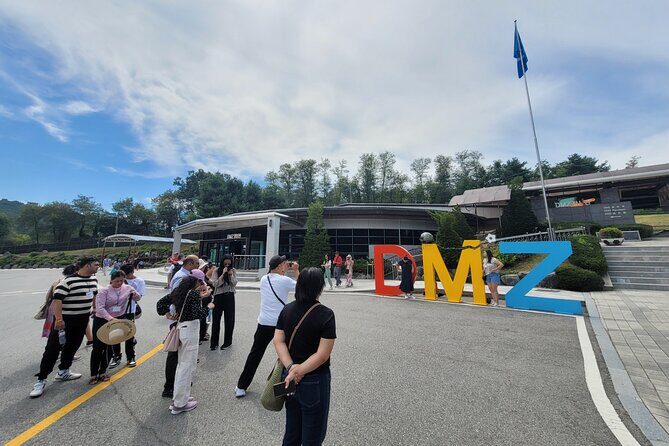
Plan for an early start. The tour begins at 7:30 am, and the day runs about 8 to 10 hours total. Even if you’re used to Seoul’s late nights, set an alarm anyway. DMZ days are not the time for a slow, casual morning.
Bring your passport. Everyone in your group needs it, and you’ll be using it for access. Also, have the phone number details they ask for when you book (they request adding the country code), because that affects day-of communication.
Comfortable walking shoes are non-negotiable. The itinerary includes several walking sections, including a steep descent and climb during the Third Tunnel portion. If you’re traveling with seniors or anyone with limited mobility, think carefully: it can be manageable for many people, but it’s not a “sit on the bus and watch” day.
Finally, keep expectations realistic about viewing North Korea. The Dora area can be amazing when skies cooperate; if weather is poor, you might see less than you hoped.
Stop 1: Imjingak Pyeonghoa-Nuri Park and the classic DMZ photo stops
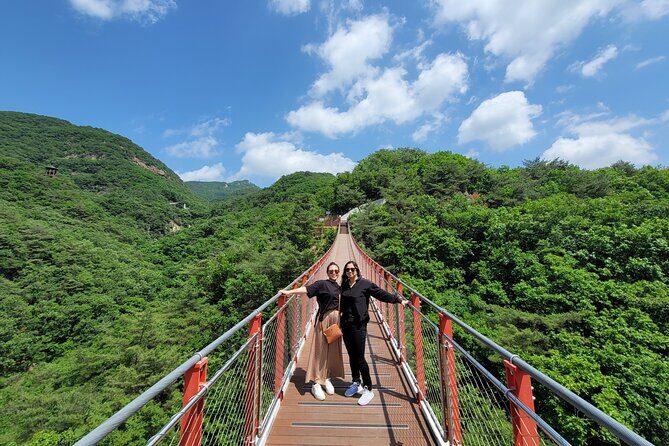
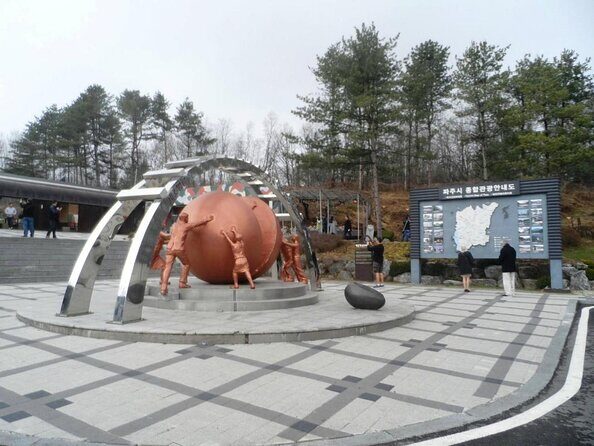
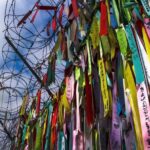
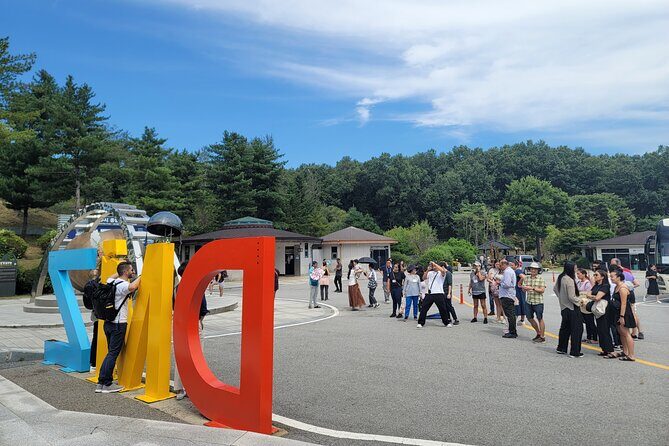
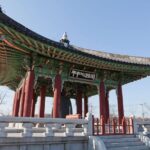
You’ll start at Imjingak Pyeonghoa-Nuri Park. This stop is more than a break with souvenir shops. It’s where you can get oriented fast, see the iconic structures tied to the Korean War era, and get a visual sense of the DMZ’s meaning.
A key practical detail: you’re expected to stop here to buy DMZ tickets, and there’s no reservation system. Your included DMZ access still means you’re not paying hidden fees, but you should plan for that on-the-spot ticket process.
What you can look for at this park:
- Freedom Bridge
- Bridge of No Return
- A derailed locomotive display
- Views from the top of the building (useful for snapping wide photos)
Also, expect this stop to set your mental frame for the rest of the day. After seeing the memorial-style objects and bridges, the later “restricted-zone” moments tend to hit harder—because you’ll understand the story arc instead of treating each site like a random stop.
Entering the DMZ: the blue line, the CCZ, and timed visits
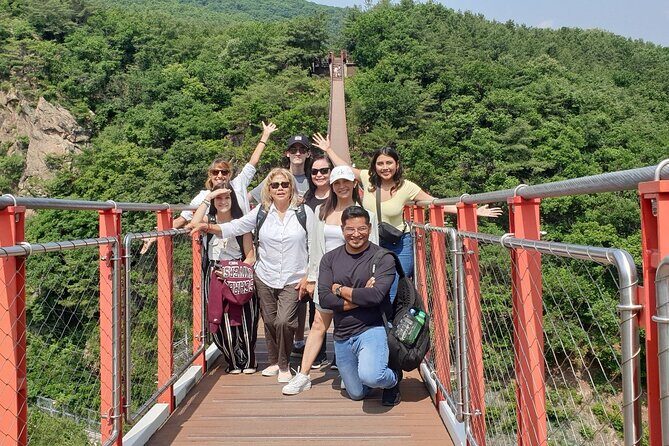
This is the core of the outing. The tour bus goes into the Civilian Control Zone (CCZ), but you’re heading into designated DMZ areas. The big moment for many visitors is crossing the blue line on the way—because it’s the point where your day stops feeling like sightseeing and starts feeling like access.
You’ll also visit 3 to 4 places within this part of the program. The exact stops can vary, but the experience is consistent: a guided route through the DMZ story, with time at key points to take photos and absorb what the border has done to daily life.
The best part here is the guide’s framing. You’ll learn how the zone works, what it has meant historically, and why the DMZ isn’t just a “line on a map.” This is where a good guide earns their fee—because the same concrete and fences can feel confusing without context.
A fair caution: you don’t control the day’s weather or timing. If you arrive to gray skies or fog, the “seeing across” moments later can be underwhelming. Still, even on a day when long-distance views are weak, the sites themselves feel powerful.


Mangbaedan and Unification Village: the human side of the border
After the initial DMZ movement, you’ll slow down a bit at smaller, more human-focused stops.
First is Mangbaedan. It’s an altar where North Korean refugees living in the South hold ancestral rites during major holidays. There’s also an exhibition hall here, which helps you understand the personal and cultural weight behind the DMZ—not just the military and political symbols.
Next is Tongil Chon (Unification Village), where you can check local produce harvested in the DMZ and browse some souvenirs. It’s only a short time, but it’s a useful counterpoint to the heavier sites: you get a taste of what “unification” means in everyday terms, even if it’s still tied to strict borders.
This pair of stops works well because it gives your brain a breather. After standing at DMZ checkpoints and restricted areas, you get to remember that people live with the consequences—past and present.
Third Tunnel and Dora Observatory: the hard walk and the big view
The Third Tunnel is one of the most talked-about pieces of this day. It’s the tunnel dug after the Korean War, found through defector information. One detail that sticks: it’s about 52 km away from Seoul, which makes the scale feel shockingly close to home.
The physical part matters here. Expect a descent down into the tunnel area and a climb back up that can challenge your legs. Several people specifically note that the walk can be tougher for seniors. You may also deal with low headspace and time spent bent forward. A hard hat may be provided in the tunnel area—plan to move carefully and watch your footing.
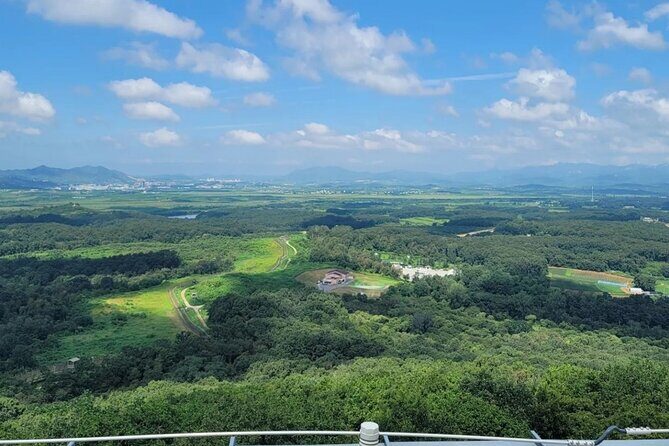
Then comes Dora Observatory, often the highlight. From here, you can see North Korea with the naked eye and use binoculars (these are provided on the tour). Many visitors remember this stop as the payoff: you finally get that direct “this is real” sensation of looking across the divide.
The caveat is simple: conditions matter. If the weather isn’t great, you may struggle to see much at all. That’s not a tour flaw; it’s distance + atmosphere doing their thing. Bring patience and keep your attention on what you can see up close at the observatory area too.
Gamaksan Chulleong Bridge: a final walk with a view
At the end of the tour, you’ll walk on a suspension bridge near Gamaksan Mountain. This stop gives you a contrast to the DMZ’s sharp edges. Instead of fences, you get open scenery and a chance to breathe a bit after the heavier sites.
A steep hill walk can be part of the bridge portion, depending on your pace. One important practical note: some people end up skipping the suspension bridge walk if they need to conserve energy, so if you’re close to your limit, ask your guide what you can reasonably do without disrupting the group.
Either way, this is a nice way to end the day because it helps you reset before you hit the city again. After a long morning of access and gates, your last hour outdoors feels like a pressure release.
Drop-offs in Seoul: plan your food and shopping time
You’ll be dropped off in central areas including Hongdae, Myeongdong, Gwangjang food market, and Dongdaemun. That’s convenient because you can turn your DMZ day into a normal Seoul evening right away.
Two food-shopping anchors people love here:
- Gwangjang food market: one of the oldest markets, with street food options (think plenty of stalls and a fast-moving food crawl vibe).
- Dongdaemun area: gate area plus shopping malls nearby, with an easy setup for dinner and browsing.
Because lunch isn’t included, decide earlier in the day what your strategy is. Some tours offer time for quick snacks during the route, but it’s still smart to assume you’ll need a real meal after you’re back in town.
If you’re going out at night, keep your evening plan realistic. Your legs may still be sore from the tunnel portion.
Should you book this DMZ & suspension bridge tour?
If you care about Korean division history and you want it explained clearly, this is a strong choice. The value is real when you compare what’s included—hotel pickup, transport, DMZ access, and the suspension bridge entry—plus the day is paced so you see multiple meaningful stops.
Book it if:
- You’re okay with an early 7:30 am start
- You can handle long walking days and a steep tunnel segment
- You want a guided context, not just photos at distance points
Consider skipping (or choosing another format) if:
- You have serious mobility limits
- You’re expecting a “mostly seated” experience
- You need a flexible day where weather won’t affect viewing
If you’re the type who likes hard history and can handle a little leg work, this DMZ day has a clear payoff—and a memorable final walk that lets you end the story, not just start it.
FAQ
What time does the tour start?
The tour start time is 7:30 am.
How long is the DMZ & suspension bridge tour?
It runs about 8 to 10 hours total.
Is hotel pickup included?
Yes. Hotel pickup in Seoul is included, and the pickup is from select hotels.
Do I need to bring my passport?
Yes. Everyone in your group must bring their passport.
What’s included in the price?
Included are air-conditioned transport, an experienced tour guide, entrance fees for the DMZ and suspension bridge, and hotel pickup. You’ll also get mobile ticket support.
Is lunch included?
No, lunch is not included.
How hard is the walking?
You should have moderate physical fitness. The Third Tunnel portion includes walking with a steep descent and climb, which can be challenging for seniors.
Where will you be dropped off after the tour?
Drop-off locations include Hongdae, Myeongdong, Gwangjang food market, and Dongdaemun.
Is free cancellation available?
Yes. You can cancel up to 24 hours in advance for a full refund.

![Private Seoul Wall Trekking [Inwangsan, Bugaksan, Naksan Park, N-Seoul Tower] - Private pickup and a mountain-focused guide team](https://8.koreaadventures.com/wp-content/uploads/private-seoul-wall-trekking-inwangsan-bugaksan-naksan-park-n-seoul-tower.jpg)